
 Save 15% on your 1st Autoship learn more

 Email us
 Live Chat
 FAQs
FAQs





Introduction
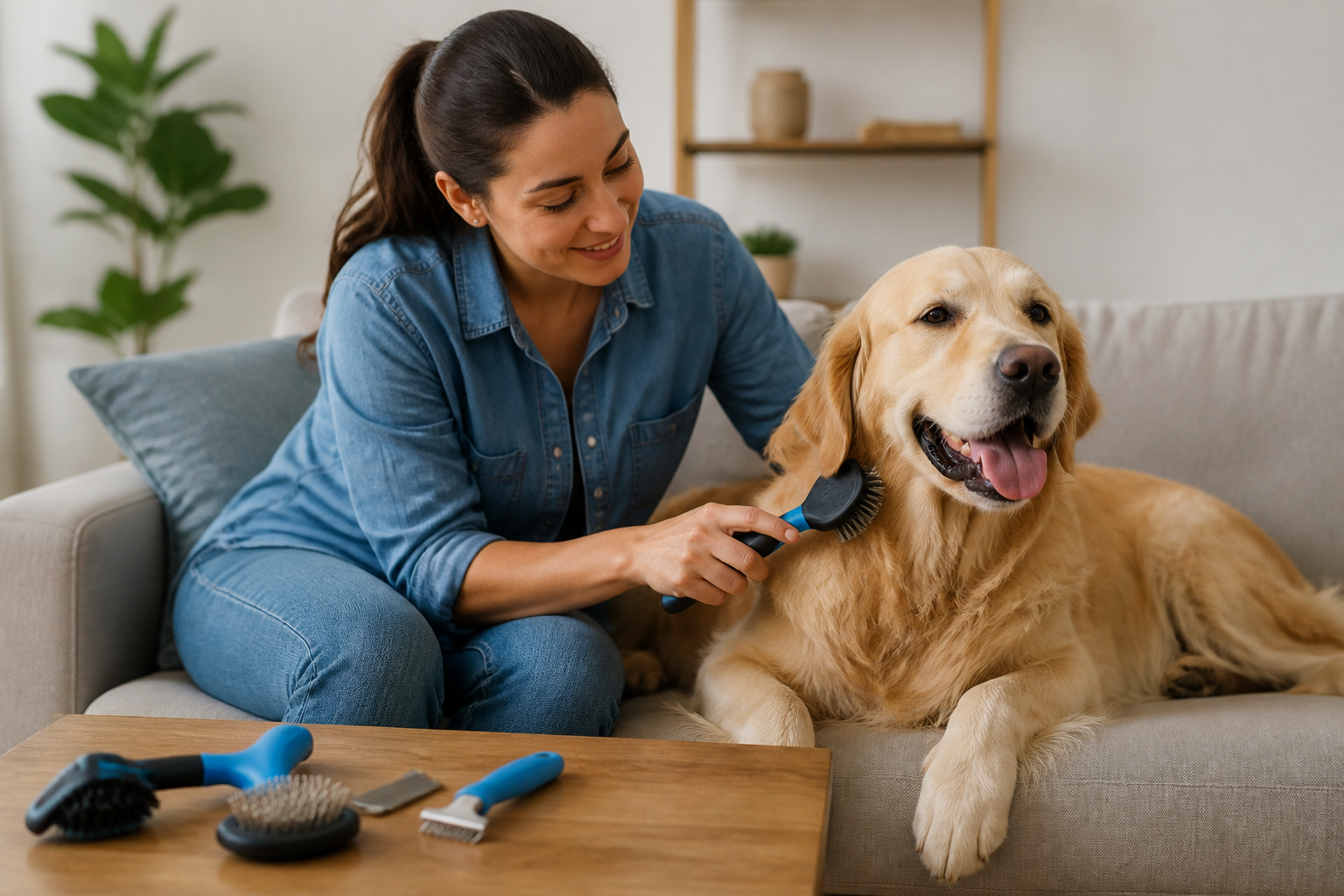
You are sitting on the floor with your dog when you notice a small mat forming behind their ear. Or perhaps you have just watched a small cloud of fur drift across your hardwood floor like a desert tumbleweed. This is usually the moment you realize your old brush isn't cutting it anymore. Whether you are a new puppy owner or a seasoned pro looking for an upgrade, you need to know how to budget for the right tools. At BaxterBoo, we know that the right brush can be the difference between a relaxing bonding session and a stressful struggle for both of you. This guide breaks down exactly what you should expect to pay for different types of grooming tools. We will also explore which features are worth the extra investment and which ones you can skip. Finding the right balance between price and performance helps keep your dog comfortable and your home fur-free.
Quick Answer: Most high-quality dog brushes cost between $10 and $25 for home use. Specialty tools like undercoat rakes or professional-grade flexible slickers can range from $30 to $100 depending on the materials and ergonomic features.
The Basic Bristle Brush Price Range
The bristle brush is the most common entry point for grooming. It is a versatile tool that works well for dogs with short hair or for finishing the coat on longer-haired breeds. These brushes use clusters of natural or synthetic bristles to smooth the fur and distribute skin oils. You can find very basic versions for as little as $8, while more durable versions with wooden handles usually sit around $15. Our dog brushes and combs collection includes options across several price points.
Natural bristles, such as boar hair, are often slightly more expensive than nylon versions. They are softer on the skin and better at creating a high-gloss finish. If you have a dog with a very short, sleek coat, a mid-range bristle brush is likely the only tool you need. It is a low-cost investment that lasts for years if you keep it clean.
What You Get for Under $15
- Simple plastic handles.
- Synthetic nylon bristles.
- Lightweight construction that may feel flimsy over time.
What You Get for Over $15
- Eco-friendly bamboo or hardwood handles.
- Reinforced bristle clusters that do not fall out.
- Ergonomic shapes that fit the palm of your hand.
Understanding Pin Brush Costs
Pin brushes look a lot like the brushes humans use. They feature wire pins that usually have a small protective ball on the tip. These are essential for dogs with medium to long hair because they can penetrate deep into the coat without causing static or breakage. A standard pin brush typically costs between $12 and $18.
The price often fluctuates based on the quality of the pins. Cheaper models may have pins that push back into the rubber cushion or lose their protective tips quickly. Once those tips are gone, the wire can scratch your dog's sensitive skin. Higher-end models use stainless steel pins that are securely anchored. These are worth the extra few dollars because they provide a much safer experience for your pet.
Key Takeaway: Investing in a pin brush with stainless steel components prevents rust and ensures the protective tips stay on longer, saving you money on replacements.
The Versatility of the Slicker Brush
If you find yourself dealing with tangles and light mats, the slicker brush is your best friend. These brushes have fine, short wires spaced closely together on a flat or curved head. They are a staple in the grooming world for breeds like Poodles, Goldendoodles, and Golden Retrievers. You can expect to pay anywhere from $12 to $35 for a quality slicker brush.
One feature that drives the price up is a self-cleaning mechanism. These brushes have a button that retracts the pins, allowing the hair to slide off in one neat sheet. While a standard slicker is cheaper, the self-cleaning versions are incredibly popular for the convenience they offer. We find that many owners prefer the $20 to $25 self-cleaning models because they save time and prevent the fine wires from getting bent during cleaning. For example, the Master Grooming Tools selection includes slicker brushes, undercoat rakes, and combs.
Vet Tip: While brushing, keep an eye out for red bumps, dry patches, or fleas. If you notice persistent skin irritation or parasites, consult your veterinarian. Our pet pharmacy offers a wide range of flea and tick preventives to help manage these issues.
Specialized Undercoat Rakes and Deshedding Tools
For owners of "heavy shedders" like Huskies or Labradors, a standard brush is not enough. You need something that can reach the dense undercoat. Undercoat rakes and deshedding blades are specialized tools designed to pull out dead hair before it ends up on your sofa. Because these tools require more precision engineering and stronger metals, they are usually priced higher, often between $20 and $45.
A double-row rake, which features two layers of pins at different heights, is a common mid-priced option. These are excellent for thick, heavy coats. Deshedding tools with a stainless steel edge are also popular. While the initial cost of $30 or more might seem high, these tools can significantly reduce the amount of loose hair in your home. This makes them a high-value purchase for any owner of a double-coated breed. Our BASS brush selection includes bristle, bathing, and slicker styles.
Comparing Deshedding Tool Prices
- Shedding Blades: Simple metal loops that cost around $12 to $15.
- Fixed-Blade Tools: Precision-ground edges that usually cost $25 to $40.
- Rotating-Tooth Combs: Pins that spin to prevent pulling, typically priced at $15 to $20.
Professional Grade vs. Budget Brushes
As you shop, you might see professional grooming brushes that cost $60, $80, or even over $100. It can be hard to understand why a brush would cost that much. These professional tools are usually designed for all-day use. They feature high-end materials like sonic-welded handles and ultra-polished bristles that are specifically angled to reduce coat breakage.
For the average pet owner, a professional brush is often more than what is strictly necessary. However, if you have a dog with a high-maintenance coat that requires daily brushing, the ergonomics of a professional brush can prevent wrist strain. Most BaxterBoo customers find that mid-range brands like Safari or Kong offer the perfect balance of professional-style performance and home-use pricing. The KONG Zoom Groom Natural Rubber Dog Grooming Brush is one example of a grooming tool in this category.
Bottom line: Unless you are grooming multiple dogs a day or have a show dog with very specific needs, a $15 to $30 brush will likely meet all your requirements.
How Material Affects the Total Cost
The price tag on a dog brush is often a direct reflection of the materials used. Plastic is the most affordable material but it is also the most prone to cracking. If you drop a cheap plastic brush on a tile floor, the handle may snap. This results in a lower upfront cost but a higher lifetime cost if you have to replace it every year.
Rubber and silicone handles are common in mid-priced brushes. These provide a better grip, which is helpful if your dog tends to wiggle or if you are brushing a wet dog after a bath. Stainless steel is the gold standard for any pins or blades. It does not rust and it can be sanitized easily. When you are looking at a brush, check to see if the metal components are labeled as stainless steel. This is a small detail that ensures the brush lasts for the life of your dog.
Checklist for Evaluating Brush Quality
- Check the handle: Does it feel sturdy and provide a non-slip grip?
- Test the pins: Do they feel secure, or do they push back into the base?
- Examine the tips: Are the protective balls firmly attached and smooth?
- Look for rust-resistant materials: Is the metal stainless steel?
- Evaluate the weight: Is it heavy enough to feel durable but light enough for comfort?
The Hidden Costs of Poor Grooming Tools
Buying a cheap brush can sometimes lead to unexpected expenses. If a brush is too harsh, it can cause "brush burn," which is a skin irritation caused by repetitive scratching from sharp pins. This can lead to hot spots or infections that require a trip to the vet. A visit to the clinic and a round of antibiotics will cost far more than a high-quality $20 brush.
Furthermore, a brush that does not effectively remove mats can lead to your dog needing to be "shaved down" at a professional groomer. Professional de-matting services are often charged as an extra fee on top of a standard groom. By spending an extra $10 on a tool like a mat remover or a high-quality slicker, you can avoid these expensive professional interventions.
Introducing a New Brush to Your Dog
Once you have invested in a quality tool, you want to make sure your dog accepts it. This prevents the brush from being chewed or damaged in a struggle. Starting slow is the key to success. This is especially true for puppies who may be wary of new objects. Puppy owners can also browse our puppy shop for grooming and care essentials.
Step 1: Let your dog sniff the brush while it is on the floor. / Reward them with a small treat for showing curiosity.
Step 2: Gently touch the back of the brush to their side. / Do this without actually brushing to get them used to the feeling of the tool.
Step 3: Perform one or two gentle strokes in a favorite petting spot. / Follow this immediately with praise or a high-value treat to create a positive association.
Step 4: Gradually increase the duration of the grooming session. / Stop before your dog becomes restless or stressed to keep the experience positive.
Maintaining Your Grooming Tools for Longevity
To get the most value out of your purchase, you must take care of the tools. Even an expensive brush will degrade if it is left covered in hair and moisture. Hair traps dander and oils that can eventually harbor bacteria or cause metal pins to weaken.
Cleaning a brush is simple. Most can be cleared of hair by hand or with a small comb. For a deeper clean, a mix of warm water and a gentle pet shampoo works well. Ensure that any brush with a rubber cushion is dried thoroughly with the pins facing down. This prevents water from sitting inside the cushion where it could cause mold. By spending five minutes a month on maintenance, you can make a $20 brush last for a decade.
Key Takeaway: Proper cleaning and storage ensure your grooming tools remain hygienic and functional, protecting both your investment and your dog's skin health.
Why Quality Matters for Different Life Stages
The brush you use for a puppy may not be the best choice for a senior dog. Puppies have very sensitive skin and often have a softer "puppy coat" that doesn't tangle easily. A soft bristle brush or a gentle rubber curry brush is often very affordable and perfect for this stage. As your dog grows their adult coat, you will likely need to transition to a more robust slicker or pin brush.
Senior dogs often have thinner skin and may have lumps or bumps that come with age. For these pets, look for brushes with very soft tips or flexible heads that can contour over their body. Spending a little more on a brush with a flexible joint can provide a much more comfortable experience for a dog with arthritis or sensitive joints. We carry various mobility aids and supplements that can also help make grooming sessions more comfortable for aging pets.
Finding Value in Grooming Kits
If you are starting from scratch, you might wonder if a kit is cheaper than buying individual items. Many brands offer grooming sets that include a brush, a comb, and sometimes nail clippers. These kits usually range from $25 to $50.
Kits can be a great value if you actually need every tool included. However, we often see owners buy a kit only to find that two of the tools aren't right for their dog's specific coat type. It is usually more cost-effective to identify the two most important tools for your dog and buy high-quality versions of those specifically. This ensures you aren't paying for "filler" items that will just sit in your cupboard.
The Role of Specialty Combs in Your Budget
While not technically a brush, a metal grooming comb is a vital tool that usually costs between $8 and $15. These are often called "greyhound combs" and are used to check your work after brushing. If the comb can slide through the coat without catching, you have successfully removed all the tangles.
Flea combs are another low-cost essential, typically priced under $10. These have extremely fine teeth designed to trap parasites. Even if you use regular preventives, having a flea comb on hand is a cheap way to perform quick checks after hikes or visits to the dog park. These small investments add a lot of functional value to your grooming routine without breaking the bank.
Shopping Smart at BaxterBoo
When you are looking for the best value, consider how you shop for your pet supplies. We offer several ways to save on grooming tools and other essentials. Our MVP Rewards program allows you to earn points on every purchase, which can be used for future discounts. This is a great way to offset the cost of upgrading to a higher-end brush.
If you find a brand you love, our Autoship program is an excellent way to save on recurring items like shampoos or treats used during grooming sessions. While a brush is a one-time purchase, pairing it with other grooming needs through Autoship can help you manage your overall pet care budget more effectively. We carry over 500 trusted brands, ensuring you can find the exact tool you need at a price that fits your lifestyle.
Conclusion
The cost of a dog brush is a small price to pay for the health and comfort of your pet. While you can find budget options for under $10, spending between $15 and $25 usually gets you a tool that is more durable and safer for your dog's skin. Specialized tools for shedding or matting may cost a bit more, but the time and frustration they save make them well worth the investment. Remember that the best tool is one that fits your dog's specific coat type and feels comfortable in your hand.
- Standard bristle and pin brushes usually range from $10 to $20.
- Slicker brushes and deshedding tools often cost between $15 and $45.
- Stainless steel components and ergonomic handles are worth the extra investment for longevity.
- Regular maintenance can make a mid-range brush last for the life of your dog.
Bottom line: Choose a brush based on your dog's coat needs rather than the lowest price tag to ensure a safe and effective grooming experience.
FAQ
How often should I replace my dog's brush?
A high-quality brush can last several years, but you should replace it immediately if the pins become bent, the protective tips fall off, or the handle cracks. Using a damaged brush can cause skin irritation or uneven grooming results. Regularly check for signs of wear to ensure your dog stays comfortable during their grooming sessions.
Is an expensive brush really better than a cheap one?
In many cases, a mid-range brush offers significantly better materials, such as stainless steel pins and ergonomic grips, compared to the cheapest options. While you do not necessarily need a professional-grade tool costing $100, spending $20 instead of $5 often results in a safer tool that lasts much longer. Better materials also tend to be gentler on your dog's coat and skin.
Can I use one brush for two different types of dogs?
It depends on their coat types. A slicker brush is quite versatile and may work for both a Poodle and a Golden Retriever. However, a tool designed for a short-haired Beagle will not be effective for a thick-coated Malamute. If your dogs have very different coat textures, it is best to invest in specific tools for each to avoid damaging their fur.
Why do some brushes have rotating teeth?
Brushes or combs with rotating teeth are designed to reduce "tugging" on the fur. As you move the tool through a tangle, the teeth spin, which helps them glide through the hair rather than pulling on the skin. This feature usually adds a few dollars to the price, but it is excellent for dogs that are sensitive to the pulling sensation of traditional grooming.






