
 Save 15% on your 1st Autoship learn more

 Email us
 Live Chat
 FAQs
FAQs





Introduction
You lean in for a pup kiss and notice it immediately. Your dog's breath smells less like kibble and more like a significant health problem. When you pull back their lip, you see yellow tartar or red gums. This is the moment most owners realize a professional cleaning is necessary. At BaxterBoo, we know that looking at a veterinary estimate for dental work can feel overwhelming. The numbers often vary by hundreds of dollars. This post covers exactly what goes into those costs, from anesthesia to extractions. We will help you understand the price ranges across the United States. You will also learn how to minimize these expenses through consistent at-home care. Understanding these costs is the first step in protecting your dog's long-term health and your own budget.
Understanding the Average Cost of Dog Dental Cleaning
The price of a professional dental cleaning depends on several variables. For a routine procedure without complications, most owners pay between $300 and $700. This base price typically covers the professional scaling and polishing of the teeth while the dog is under anesthesia. If your dog is young and has healthy gums, you will likely stay at the lower end of this range.
Geographic location plays a major role in the final bill. In large urban centers like New York City or Los Angeles, the cost of running a clinic is higher. This leads to higher prices for every service. In more rural areas, you might find routine cleanings for closer to $250. It is common for prices to vary even between clinics in the same town. This often reflects the level of monitoring equipment or the experience of the staff.
Quick Answer: A routine dog dental cleaning typically costs between $300 and $700. This price increases significantly if your dog requires X-rays, bloodwork, or tooth extractions.
What Is Included in a Standard Professional Cleaning?
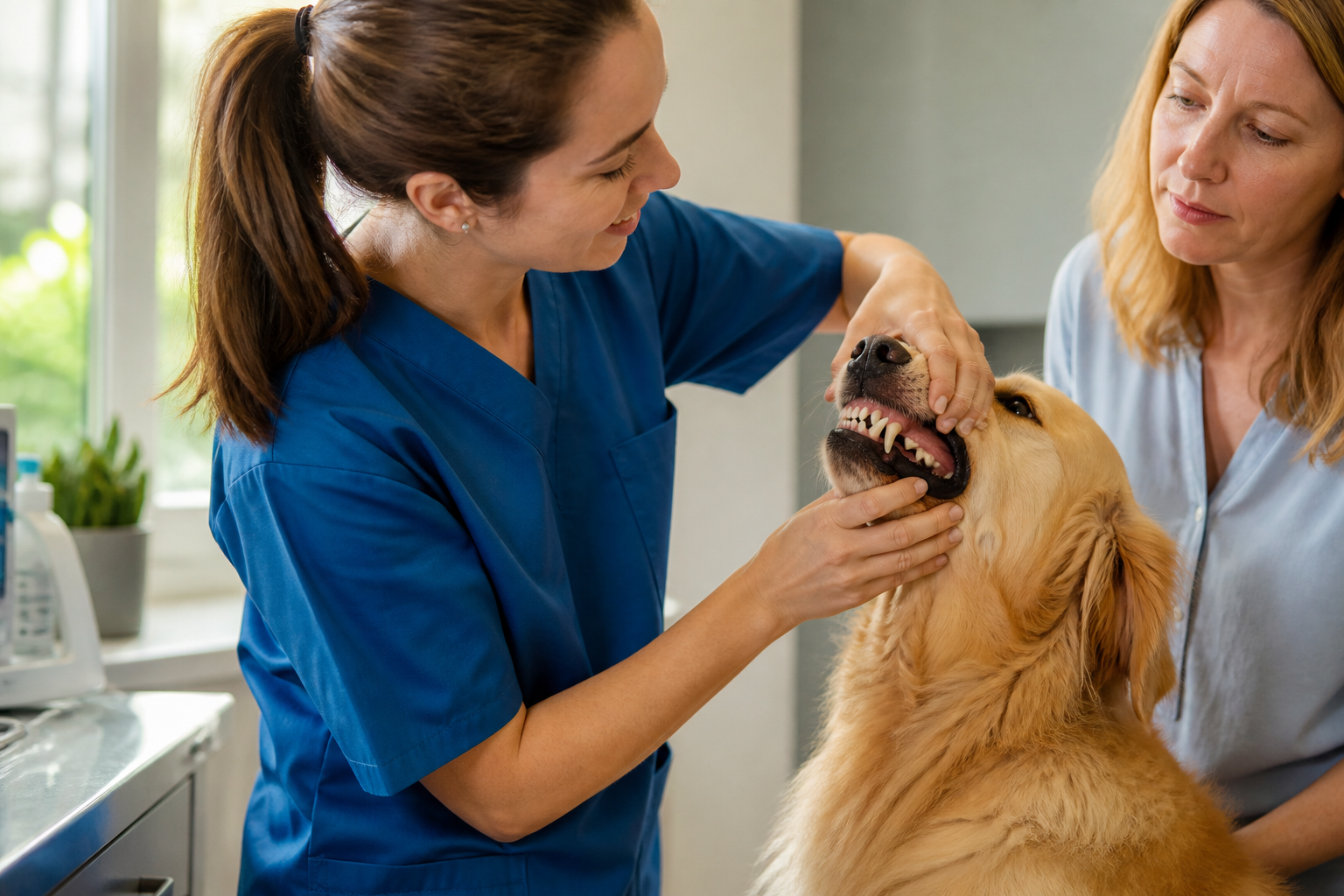
A professional cleaning is a medical procedure. It is much more involved than the scaling humans receive at a dentist. Because dogs will not sit still with sharp tools in their mouths, anesthesia is a requirement. A standard "prophy" or prophylaxis usually includes several distinct steps.
First, the staff performs a physical exam and administers a sedative. Once the dog is under general anesthesia, a technician uses an ultrasonic scaler. This vibrates at high speeds to chip away tartar. They clean both the visible surface of the tooth and the area beneath the gumline. After scaling, the teeth are polished. This smooths the enamel so plaque has a harder time sticking to the surface in the future.
Most full-service clinics also include basic monitoring. This tracks heart rate, oxygen levels, and blood pressure. Some clinics bundle these services into one price. Others list them as separate line items on your estimate.
Factors That Drive Up the Total Price
The base quote you receive over the phone is rarely the final price you pay. This is because veterinarians cannot see the full extent of dental disease until the dog is asleep and X-rays are taken. Several factors can double or triple the initial estimate.
Pre-Anesthetic Bloodwork
Most veterinarians require bloodwork before the procedure. This ensures the liver and kidneys can process the anesthesia safely. This is especially important for senior dogs. Bloodwork generally costs between $75 and $200. While it adds to the bill, it is a vital safety measure.
Dental X-Rays
Nearly 60 percent of a dog's tooth structure is hidden beneath the gumline. Without X-rays, a vet cannot see abscesses, bone loss, or broken roots. Adding a full set of dental radiographs usually costs between $150 and $300. Many modern clinics now consider this a mandatory part of the procedure rather than an option.
Tooth Extractions
This is the most common reason for a high dental bill. If a tooth is rotten or loose, it must come out to prevent pain and infection. Simple extractions for small incisors may cost $50 per tooth. Large, multi-rooted teeth like carnassials can cost $500 or more to remove surgically. This involves sectioning the tooth and suturing the gums.
Key Takeaway: The "base price" of a dental cleaning is only for healthy mouths. Any sign of decay or gum disease will lead to additional charges for imaging and surgery.
The Difference Between a General Vet and a Specialist
For most dogs, a general practitioner veterinarian can handle a routine cleaning. However, some cases require a board-certified veterinary dentist. These specialists have years of additional training in oral surgery and advanced diagnostics.
You might be referred to a specialist if your dog needs a root canal or has a jaw fracture. Specialists also handle complicated oral tumors. Their prices are significantly higher than general clinics. A cleaning and assessment by a specialist often starts at $1,500. This reflects their advanced equipment and specialized anesthesia protocols.
Vet Tip: If your dog has a pre-existing heart condition, ask your vet if a specialist should handle the anesthesia. Specialists often have more advanced monitoring tools for high-risk patients.
Why Anesthesia Is Necessary (and Costly)
Some companies offer "anesthesia-free" dental cleanings at a much lower price. While this sounds appealing, it is often a waste of money. These services only scrape the tartar off the visible parts of the teeth. They cannot clean under the gumline where the real disease lives.
Scraping teeth while a dog is awake is also stressful and potentially dangerous. A sudden move could lead to a cut tongue or a broken tooth. Furthermore, the vet cannot take X-rays or perform a full oral exam without anesthesia. The cost of anesthesia includes the drugs, the intubation, and the dedicated staff member who monitors your pet throughout the surgery.
Bottom line: Anesthesia-free cleaning is a cosmetic fix that leaves underlying dental disease untreated.
How Often Should You Schedule a Cleaning?
The frequency of cleanings depends on the breed and individual health of the dog. Small breeds like Chihuahuas and Poodles have crowded mouths. This allows bacteria to thrive. These dogs often need professional cleanings every 6 to 12 months.
Large breeds may only need a professional visit every two years. However, this assumes you are taking care of their teeth at home. If you notice persistent bad breath or bleeding gums, you should schedule an exam immediately. Waiting longer usually leads to more extractions and a much higher bill later.
Step 1: Check your dog's mouth. / Look for heavy tartar buildup or red, swollen gums once a month.
Step 2: Consult your veterinarian. / Ask for a dental assessment during your dog's annual wellness exam.
Step 3: Review the estimate. / Ask for a low-end and high-end quote to account for potential extractions.
For more warning signs to watch for between veterinary visits, read our guide to recognizing bad teeth in dogs.
At-Home Prevention: Reducing the Long-Term Cost
The best way to save money on vet bills is to prevent the need for surgery. Daily brushing is the gold standard for pet oral health. You must use a toothpaste specifically formulated for dogs. Human toothpaste contains xylitol or fluoride, which are toxic to pets.
In addition to brushing, you can use dental chews like Greenies. These are designed to mechanically scrape plaque as the dog chews. Water additives and dental wipes are also helpful for dogs that do not tolerate a toothbrush. While these products have a small upfront cost, they can save you thousands of dollars in surgical fees over your dog's life.
BaxterBoo carries a wide range of dog dental care products. These include specialized brushes, enzymatic toothpastes, and VOHC-approved treats. Consistency is more important than the specific brand you choose. Brushing for 30 seconds every day is much better than a deep brush once a month.
If your dog enjoys dental chews, Greenies Dental Dog Chews are one option to consider as part of an at-home routine.
Key Takeaway: Every dollar spent on a toothbrush or dental chew can potentially save ten dollars in veterinary surgical fees.
For more ideas between professional cleanings, explore our tips for choosing dental chews for dogs.
Financial Planning: Insurance and Discounts
Many owners wonder if pet insurance covers dental work. Most standard accident and illness policies do not cover routine cleanings. They may cover extractions if the tooth is broken in an accident. However, many providers offer "wellness" add-ons. These riders often provide a set amount of money toward an annual cleaning.
Another way to save is to look for National Pet Dental Health Month promotions. Many clinics offer 10 to 15 percent discounts during the month of February. Some local shelters also host low-cost dental clinics for those on a tight budget.
If your dog needs medications after a procedure, we can help. Our pet pharmacy offers prescription medications for dogs. If your vet prescribes a specific dental diet or medication for a chronic oral condition, you can often find better value by ordering through us.
Managing Post-Cleaning Care
Once the cleaning is done, your dog will need a few days to recover. This is especially true if they had extractions. Your vet will likely prescribe pain medication or antibiotics. Follow the dosing instructions exactly to prevent infection.
Soft food is usually recommended for 7 to 10 days after oral surgery. You should also avoid giving hard chew toys during this time. Watch for signs of complications, such as excessive pawing at the mouth or a refusal to eat. Most dogs return to their normal selves within 48 hours of anesthesia.
- Feed soft food or soak kibble in warm water.
- Administer all prescribed medications on schedule.
- Check the gumline for redness or discharge.
- Limit vigorous play and prevent access to hard chews.
For additional brushing and prevention ideas, review these pet dental care tips.
Conclusion
The cost of cleaning a dog's teeth is an investment in their overall wellness. While a bill ranging from $300 to $1,500 is significant, the cost of ignoring dental health is higher. Periodontal disease can lead to heart, liver, and kidney issues as bacteria enters the bloodstream. By combining professional cleanings with at-home care, you give your dog the best chance at a long, pain-free life. We are here to support your journey with a full selection of dental treats, tools, and pharmacy services. Visit our dog dental care section to find the supplies you need to keep those pearly whites shining.
FAQ
Why is dog teeth cleaning so expensive compared to human cleaning?
Veterinary cleanings require general anesthesia, which involves specialized drugs and dedicated monitoring equipment. Unlike humans, dogs cannot be told to hold still with sharp instruments or X-ray sensors. The cost reflects the surgical nature of the procedure and the specialized medical staff required to keep the dog safe.
Can I clean my dog's teeth myself to save money?
You can perform preventive maintenance by brushing your dog's teeth daily, but you cannot perform a professional cleaning. Only a veterinarian can safely remove hardened tartar from beneath the gumline. Attempting to scrape your dog's teeth with metal tools at home can damage the enamel and lead to painful infections.
Does my dog really need anesthesia for a cleaning?
Yes, anesthesia is necessary for a thorough and safe dental procedure. It allows the veterinarian to clean deep under the gums where disease begins and to take accurate X-rays. Without anesthesia, it is impossible to perform a complete oral exam or treat painful issues without causing the dog significant distress.
Will pet insurance cover the cost of a dental cleaning?
Most standard pet insurance policies do not cover routine or preventive dental cleanings. However, many companies offer optional wellness plans that include an annual allowance for dental care. If your dog requires a tooth extraction due to an injury rather than poor hygiene, it may be covered under a standard accident policy.






