
 Save 15% on your 1st Autoship learn more

 Email us
 Live Chat
 FAQs
FAQs





Introduction
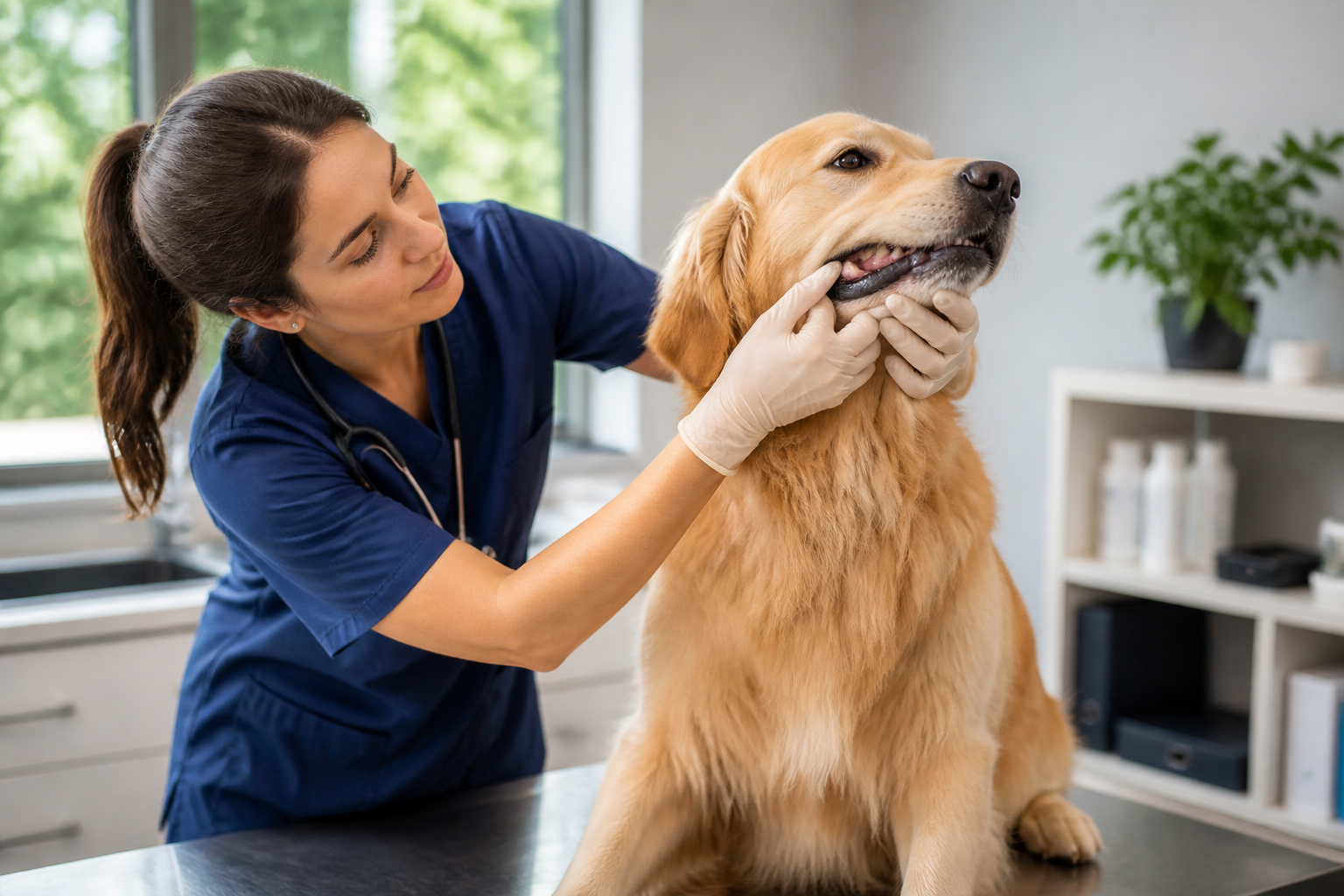
You might notice it during a morning snuggle or when your dog lets out a big yawn. That distinct, sharp odor of "dog breath" is often the first sign that your pet is due for a dental checkup. While we often focus on nutrition and exercise, oral health is a massive part of a dog's overall wellness. At BaxterBoo, we talk to owners every day who are surprised to learn that dental issues can lead to more serious heart or kidney problems if left alone. Understanding how much does it cost to clean dog teeth helps you budget for this essential care while ensuring your companion stays healthy for years to come. This guide covers the average price ranges, what those fees actually pay for, and how you can reduce costs through smart home maintenance.
Quick Answer: A routine professional dog dental cleaning typically costs between $300 and $700. This price usually covers the physical exam, anesthesia, scaling, and polishing. If your dog requires dental X-rays or tooth extractions, the total bill can range from $800 to over $2,000 depending on the complexity.
The Average Cost of Professional Dog Dental Cleaning
The price of a dental appointment is rarely a single flat fee. Most veterinary clinics provide an estimate that covers a range of services. For a standard, uncomplicated cleaning at a general practice veterinarian, you can expect to pay between $300 and $700. This estimate is for a healthy dog with mild to moderate tartar buildup and no underlying disease.
If you visit a board certified veterinary dentist, the cost will be higher. Specialists often handle more complex cases like root canals, jaw fractures, or advanced periodontal disease. In these specialist clinics, the starting price for a cleaning and full oral assessment often begins at $1,500 and can climb to $3,000 or more.
Cost Variations by Location
Where you live in the United States plays a significant role in what you will pay at the clinic. Urban areas with higher overhead costs generally charge more than rural practices. For example, a cleaning in a city like Boston or San Francisco might be 20 to 40 percent more expensive than a similar procedure in a smaller town in the Midwest.
Why Size and Weight Matter
Your dog's weight affects the cost of the procedure because of the medication required. Larger dogs need higher doses of sedative and anesthetic drugs to keep them safely asleep during the cleaning. They also require more time for monitoring and may need more fluids during the process. You can generally expect to pay more for a Great Dane than you would for a Chihuahua simply because of the volume of supplies used.
Breaking Down the Invoice: What You Are Paying For
A professional dental cleaning is a medical procedure that involves several different steps. It is much more involved than the cleaning you receive at your own dentist. Because dogs will not sit still and keep their mouths open for a stranger with loud, vibrating tools, they must be placed under general anesthesia.
The Physical Exam and Bloodwork
Before any sedation is administered, your vet will perform a physical exam. This ensures your dog is healthy enough for the procedure. Most vets also require pre anesthetic bloodwork. This test checks the liver and kidney function to ensure your dog can safely process the anesthesia. This step is non negotiable for senior dogs and highly recommended for younger ones.
Anesthesia and Monitoring
The most significant portion of your bill often goes toward the safe administration of anesthesia. This includes the drugs themselves, the IV catheter and fluids, and a dedicated technician who monitors your dog's heart rate, oxygen levels, and blood pressure throughout the surgery. This level of care is what makes the procedure safe.
Scaling, Polishing, and Charting
Once your dog is asleep, the vet or technician uses ultrasonic and hand scalers to remove plaque and tartar. This is done both above and below the gumline. Removing bacteria from under the gums is the most important part of the process for preventing disease. After scaling, the teeth are polished to smooth out the enamel. This makes it harder for new plaque to stick to the surface. The vet then "charts" the mouth, noting any pockets in the gums or loose teeth.
Dental X-rays
You cannot see what is happening under the gumline with a visual exam alone. Many clinics now include or strongly recommend full mouth dental X-rays. These images can reveal abscesses, bone loss, or broken roots that would otherwise go untreated. While X-rays add to the initial cost, they save money in the long run by identifying problems before they become painful emergencies.
Key Takeaway: A professional dental cleaning is a comprehensive medical event involving multiple staff members, specialized equipment, and vital sign monitoring to ensure your dog’s safety.
The Impact of Extractions and Advanced Treatments
The biggest "unknown" in any dental estimate is the cost of extractions. If your vet discovers a tooth that is rotten, broken, or causing an infection, it usually needs to come out. Extracting a tooth is a surgical procedure that requires local numbing blocks and often sutures to close the gum tissue.
The cost per extraction can vary wildly. A small, single rooted tooth might cost $50 to $150 to remove. A large, multi rooted tooth, like a carnassial tooth, can cost $300 to $600 or more because it must be carefully cut into sections before removal. If your dog needs several teeth removed, the bill can easily double.
Vet Tip: Always ask your veterinarian for a low and high estimate before the procedure. Most vets will call you during the cleaning if they find unexpected issues that require extractions, so keep your phone nearby on surgery day.
Why Anesthesia Free Cleaning Is Not a Budget Solution
Some grooming salons or specialty clinics offer "anesthesia free" or "non anesthetic" dental cleanings at a lower price point. While the lower cost is tempting, these procedures are mostly cosmetic. They only remove the tartar you can see on the surface of the tooth.
Anesthesia free cleanings cannot reach the bacteria hiding under the gumline. This gives owners a false sense of security while periodontal disease continues to rot the tooth roots and bone underneath. Furthermore, scaling a dog's teeth while they are awake can be stressful and dangerous. A sudden move can cause the sharp tools to lacerate the gums or tongue. Most veterinary dental organizations do not recommend this practice as a substitute for professional care.
Bottom line: Anesthesia free cleaning only addresses surface stains and does not treat the underlying causes of dental disease or oral pain.
Factors That Increase the Final Bill
- Age of the Pet: Senior dogs often need more extensive blood panels and specialized anesthetic protocols.
- Severity of Disease: Thick "calculus" (hardened tartar) takes longer to remove, increasing the time your dog is under anesthesia.
- Medications: Many dogs go home with antibiotics or pain relief medications after a dental procedure, especially if they had extractions.
- Specialized Equipment: High end clinics with digital X-rays and advanced monitoring tools may have higher base prices.
The Cost of Post Operative Care
If your dog had extractions, you will need to manage their recovery at home. This often involves feeding soft food for a week or two while the gums heal. You will also need to administer any prescribed medications. Our pet pharmacy provides FDA approved medications and prescription diets through our partnership with Pet's Choice. If your vet prescribes a specific dental diet or pain medication, we can help you manage those ongoing needs conveniently.
How to Save Money on Dog Dental Health
While you should never skip a necessary professional cleaning, there are ways to make the expense more manageable. Being proactive is the best way to keep your dog out of the expensive specialist's office.
National Pet Dental Health Month
Many veterinary clinics offer discounts on dental cleanings during the month of February. These discounts often range from 10 to 20 percent off the base procedure. Because these slots fill up fast, it is a good idea to call your vet in December or January to book an appointment.
Pet Insurance and Wellness Plans
Some pet insurance providers offer "wellness" add ons that cover a portion of a routine dental cleaning each year. If your dog is a breed prone to dental issues, such as a Yorkie or a Pug, these plans can pay for themselves very quickly. Standard accident and illness plans may also cover extractions if they are the result of an injury or sudden infection.
Early Intervention
The cheapest dental cleaning is the one done when the teeth are only slightly dirty. If you wait until your dog has loose teeth and bleeding gums, the procedure becomes much more complex and expensive. Routine cleanings every one to two years can prevent the need for costly oral surgery later in life.
Checklist for Budgeting Your Dog's Dental Visit
- Ask for a written estimate that includes the low and high end of potential costs.
- Inquire if the estimate includes pre operative bloodwork and X-rays.
- Check if your vet offers a discount for multiple pets or during specific months.
- Factor in the cost of post operative medications and soft food.
At Home Maintenance: The Key to Lowering Costs
The best way to reduce the frequency of professional cleanings is to take care of your dog's teeth at home. Every bit of plaque you remove today is tartar that won't need to be scraped off by a vet later. We carry a wide range of dog dental and breath care products designed to make this task easier for both you and your dog.
The Gold Standard: Brushing
Nothing beats a toothbrush and pet safe toothpaste. You should never use human toothpaste because it contains ingredients like xylitol or fluoride that are toxic to dogs. Aim to brush your dog's teeth at least three times a week. If your dog resists a traditional brush, try a finger brush or even a piece of gauze wrapped around your finger.
For additional guidance on building a routine, see these pet dental care tips.
Dental Chews and Toys
If brushing is a struggle, dental chews can help. High quality chews are designed with a texture that scrubs the teeth as the dog bites down. Look for products with the Veterinary Oral Health Council (VOHC) seal. This seal means the product has been tested and proven to reduce plaque or tartar. You can set up these items on our Autoship programme through our site to ensure you never run out, which also grants you a free MVP Gold membership.
For a specific chew option, consider ProDen PlaqueOff Dental Care Bones Dog Treats - Mint Fusion.
Water Additives and Dental Diets
For dogs that are difficult to handle, water additives can be a helpful tool. These are tasteless liquids you add to your dog's water bowl to help kill oral bacteria. Additionally, certain prescription dental diets have larger kibble sizes that act like a squeegee on the tooth surface. These specific diets are available through our pharmacy with a valid prescription from your veterinarian.
You can also explore Zymox Oratene Brushless Enzyme Dog and Cat Oral Care Water Additive as one at-home dental care option.
Vet Tip: If you notice your dog is dropping food, chewing on only one side of their mouth, or has a sudden change in appetite, consult your veterinarian immediately. These are often signs of significant oral pain that require professional attention.
For more warning signs, read Is Your Dog Hiding Bad Teeth?.
Understanding Breed Specific Needs
Not all dogs are created equal when it comes to dental health. Some breeds are simply more prone to crowding and decay, which may mean they need more frequent cleanings.
Small and Toy Breeds
Dogs like Chihuahuas, Pomeranians, and Maltese have 42 teeth crammed into very small mouths. This crowding creates many tiny crevices where food and bacteria get trapped. Small dogs often need their first professional cleaning as early as two years old. They may require a follow up every single year to prevent tooth loss.
Brachycephalic (Flat Faced) Breeds
Bulldogs, Pugs, and Frenchies often have misaligned jaws and crowded teeth. Because they often breathe through their mouths, their gums can become dry and more susceptible to infection. These breeds require extra care during anesthesia, so it is important to work with a vet who is experienced in handling their specific respiratory needs.
Large Breeds
Large dogs generally have more space between their teeth, which helps with natural cleaning. However, they are more prone to fractured teeth from chewing on hard objects like rocks or thick bones. For these dogs, the cost of the cleaning is often higher due to the amount of anesthesia needed, even if the actual dental work is less complex.
Summary of Costs and Benefits
Investing in your dog's dental health is not just about fresh breath. It is about preventing chronic pain and avoiding the high costs of treating systemic diseases caused by oral bacteria. While the initial bill of $300 to $700 might seem steep, it is much more affordable than the $2,000 bill for multiple extractions or the long term cost of managing heart disease.
By combining regular professional cleanings with a solid home care routine, you can keep your dog's smile healthy. Use your annual vet visit to get an honest assessment of your dog's teeth. If a cleaning is recommended, budget for it early and take advantage of any local discounts.
Key Takeaway: Consistent home care and routine professional cleanings are the most cost effective way to ensure your dog lives a long life free from oral pain.
At BaxterBoo, we are committed to helping you provide the best care for your pets. Whether you need a starter kit for brushing or a recurring order of your favorite dental treats, we have the expert curated selection to support your dog’s health. If your vet recommends a specific medical path, our pharmacy partnership ensures you have access to the FDA approved treatments your dog needs to recover quickly.
Explore Virbac C.E.T. Enzymatic Pet Toothpaste for Dogs and Cats for a pet-safe brushing option.
FAQ
Why does my dog need to be under anesthesia for a cleaning?
Anesthesia allows the veterinarian to perform a thorough cleaning above and below the gumline without causing the dog stress or pain. It also ensures the dog remains completely still so that sharp instruments do not cause accidental injury to the mouth or tongue. Most importantly, it allows for a protected airway so that no water or debris is inhaled during the scaling process.
Does pet insurance cover the cost of dog teeth cleaning?
Most standard pet insurance plans do not cover routine or preventive cleanings. However, many providers offer wellness riders or add on plans that include an annual dental allowance. If the cleaning is required because of an accident or an infected tooth, some illness and injury plans may cover the cost of the extractions and related medications.
How often should I have my dog's teeth professionally cleaned?
Most veterinarians recommend a professional dental exam and cleaning once a year starting around age two or three. Small breeds or dogs with existing dental issues may need a cleaning every six months. Your vet will assess the level of plaque and tartar during your dog's annual physical to determine the best schedule for your specific pet.
Can I just use dental treats instead of professional cleaning?
Dental treats are an excellent tool for maintaining oral health between visits, but they cannot replace a professional cleaning. Treats and chews generally only clean the tips of the teeth and the surfaces used for chewing. They cannot remove hardened tartar or reach the bacteria living under the gumline, which is where the most serious dental disease occurs.






