
 Save 15% on your 1st Autoship learn more

 Email us
 Live Chat
 FAQs
FAQs





Introduction
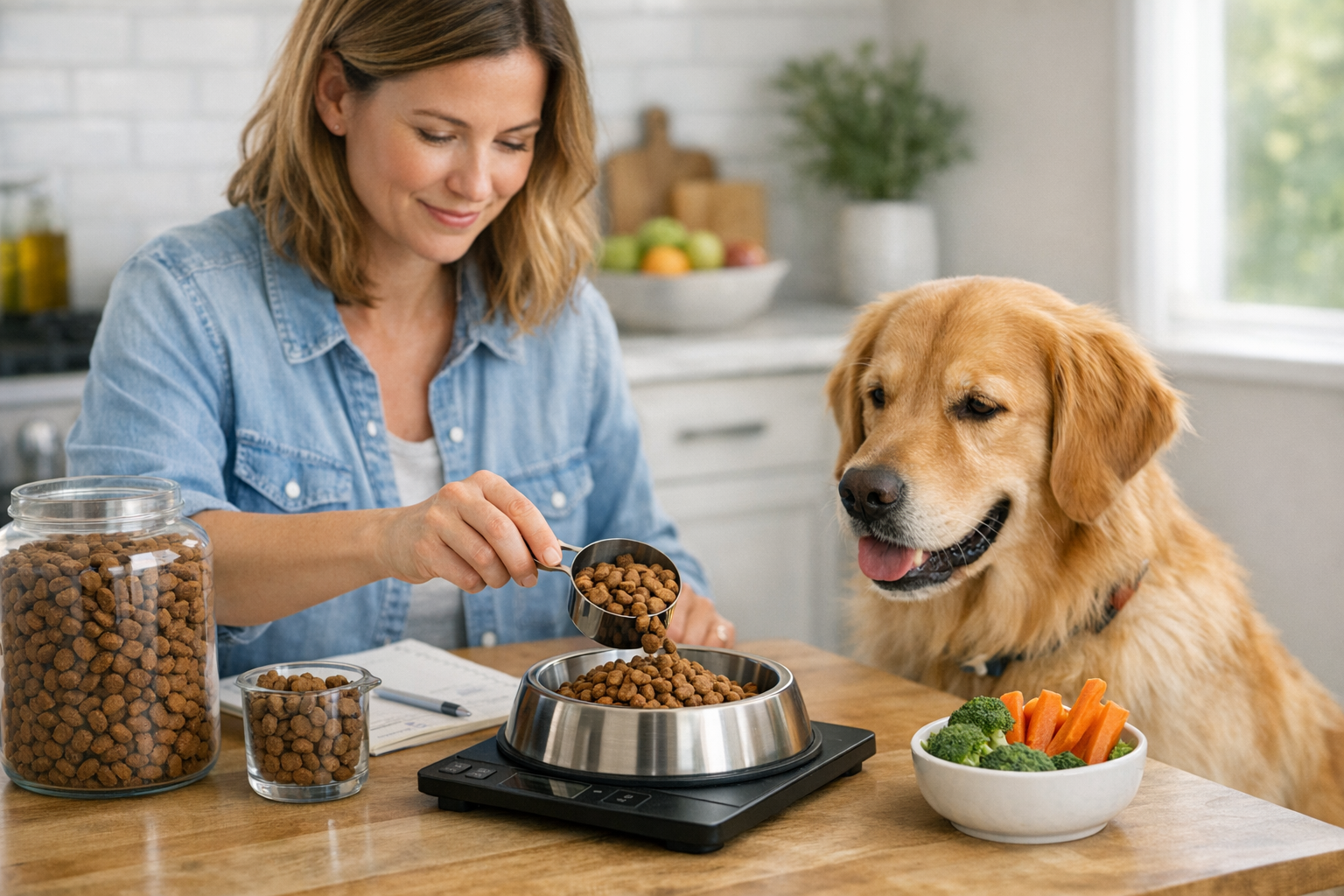
You are standing in your kitchen with a measuring cup in one hand and a dog bowl in the other. Your dog is watching your every move with high expectations. It is a common moment of doubt for many pet owners. You want to provide enough fuel for their adventures without causing unhealthy weight gain. At BaxterBoo, we understand that every dog has unique nutritional requirements. We have spent years helping pet parents navigate the world of premium kibble and portions. This guide explains how to read feeding charts and adjust for activity levels. Our goal is to help you feel confident that you are nourishing your pet correctly. Finding the right balance is the simplest way to support a long and active life.
Quick Answer: Most adult dogs require a daily amount of dry food based on their ideal weight and activity level. Start with the recommendations on your specific food bag and divide that total into two meals. Adjust the portion if your dog is gaining or losing weight unexpectedly.
Key Factors That Influence Portions
No two dogs burn energy at the exact same rate. A high-energy Border Collie working on a farm needs more calories than a Pug napping on the sofa. Several biological and lifestyle factors will change how much goes into the bowl.
Age and Life Stage
Puppies are in a rapid growth phase. They require more protein and calories per pound than adult dogs to build bone and muscle. Senior dogs often have slower metabolisms. They may need fewer calories to avoid putting stress on their joints.
Activity Level
The feeding charts on many bags assume a moderate activity level. This usually means about 30 to 60 minutes of daily exercise. If you take your dog on long hikes or runs, they will likely need more food. Sedentary pets will need their portions scaled back to prevent obesity.
Body Condition
Your dog's current weight might not be their ideal weight. If a dog is carrying extra pounds, you should feed them based on their target weight. We carry many weight management formulas from brands like Royal Canin and Purina Pro Plan to assist with these goals.
Reproductive Status
Spayed or neutered dogs often have a slightly slower metabolic rate. Intact dogs or nursing mothers have much higher energy demands. A nursing dog may need two or three times her normal amount of food to stay healthy.
Understanding the Feeding Chart
Every bag of dry food includes a feeding guide. This chart is a legal requirement but it is only a starting point. These guides provide a range of cups per day based on the dog's weight.
The calories in a cup of food can vary wildly between brands. One brand might have 300 calories per cup while another has 500. This is why you cannot use the same measuring cup for every type of food. Always check the specific bag when you switch brands or formulas.
How to Calculate Daily Amounts
Step 1: Determine your dog's ideal weight. / Ask your veterinarian for a target weight if you are unsure. Step 2: Find the weight bracket on the bag. / Look for the section that matches your dog's target weight. Step 3: Identify the total daily amount. / This is the total for 24 hours, not for a single meal. Step 4: Divide by the number of meals. / If the bag says two cups and you feed twice a day, give one cup per meal.
Key Takeaway: Feeding charts are estimates based on an average dog. Use the guide as a baseline and observe your dog's body condition over two weeks before making further adjustments.
Feeding Frequency by Age
How often you feed is just as important as how much. Smaller, more frequent meals can help with digestion and energy levels.
| Life Stage | Recommended Frequency |
|---|---|
| Puppies (Under 4 months) | 3 to 4 meals per day |
| Puppies (4 to 12 months) | 2 to 3 meals per day |
| Adult Dogs | 2 meals per day |
| Senior Dogs | 1 to 2 meals per day |
Small breed puppies are especially prone to low blood sugar if they go too long without eating. They often thrive on four small meals until they are older. Large breed adults may benefit from two meals to help prevent digestive upset.
Monitoring Your Dog's Weight
You can tell a lot about a dog's nutrition by looking at their silhouette. A healthy dog should have a visible waist when viewed from above. You should be able to feel their ribs easily without a thick layer of fat covering them.
If the ribs are visible from a distance, the dog may be underweight. If you cannot feel the ribs at all, they are likely overweight. Small adjustments make a big difference. Changing the daily total by just ten percent can often get a dog back on track.
Vet Tip: If your dog experiences sudden weight loss or gain while eating a consistent amount of food, schedule a checkup. Changes in weight can sometimes signal underlying health issues like thyroid dysfunction or diabetes.
The Role of Treats and Extras
Treats should never make up more than ten percent of your dog's daily calories. It is easy to forget that a few biscuits or a spoonful of peanut butter adds up fast. If you are doing heavy training with many treats, reduce the amount of dry food in the evening bowl.
Many owners like to mix wet and dry food. Wet food is less calorie dense than kibble because it contains more water. If you add a topper, you must reduce the dry food to keep the total calories consistent. Our Autoship programme is a great way to keep both your dry food and toppers in stock while saving money.
Special Dietary Needs and Transitions
Some dogs require specialized diets due to allergies or sensitivities. Brands like The Honest Kitchen and Stella & Chewy's offer nutrient dense options that might require smaller portions than standard kibble. Always transition to a new food slowly over seven to ten days.
Sudden changes can cause stomach upset regardless of how much you feed. Start by mixing a small amount of the new food with the old food. Gradually increase the ratio of new food each day. This gives the digestive system time to adapt to new protein sources and fiber levels.
Bottom line: Accurate measuring with a standard kitchen cup is more reliable than "eyeballing" the portion in the bowl.
Conclusion
Finding the right amount of dry food requires a mix of label reading and observation. Start with the guide on your BaxterBoo purchase and adjust based on your dog's activity and rib feel. Remember that life stages change and so will your dog's hunger. Keep your measuring consistent and your treats in check. For the best selection of premium dry food and weighing tools, visit our dog food collection.
- Check the bag for specific calorie counts per cup.
- Divide the daily total into at least two meals for adults.
- Adjust portions based on the rib test and waistline.
- Consult your vet for an ideal weight goal.
FAQ
Why does my dog seem hungry after eating the recommended amount?
Some dogs are highly food motivated and will act hungry even when they have met their caloric needs. If your dog is at a healthy weight, you can try adding low calorie fillers like canned green beans to the bowl. This adds volume and fiber without adding significant calories or fat. If you are comparing feeding approaches, our dog weight management guide is a helpful next step.
Can I just leave the bowl full all day for my dog?
Free feeding makes it difficult to track exactly how much your dog is eating. It can lead to obesity in multi-pet households where one dog might eat more than their share. Scheduled mealtimes are better for monitoring appetite and establishing a predictable bathroom routine.
Should I use a different amount of food in the winter?
Dogs that spend a lot of time outdoors in the cold may burn extra calories to stay warm. Conversely, many indoor dogs are less active during the winter months and might need a slight reduction in food. Monitor your dog's body condition as the seasons change and adjust the scoop size accordingly.
How do I know if my measuring cup is accurate?
Not all plastic cups are the same size. Use a standard 8 ounce measuring cup designed for cooking to ensure you are following the bag's instructions correctly. If you want the most accuracy, use a kitchen scale to weigh the food in grams. This is often the best method for small dogs where every kibble counts. For more ways to stretch your budget without sacrificing quality, see our guide to discounted dog food.






