
 Save 15% on your 1st Autoship learn more

 Email us
 Live Chat
 FAQs
FAQs





Introduction
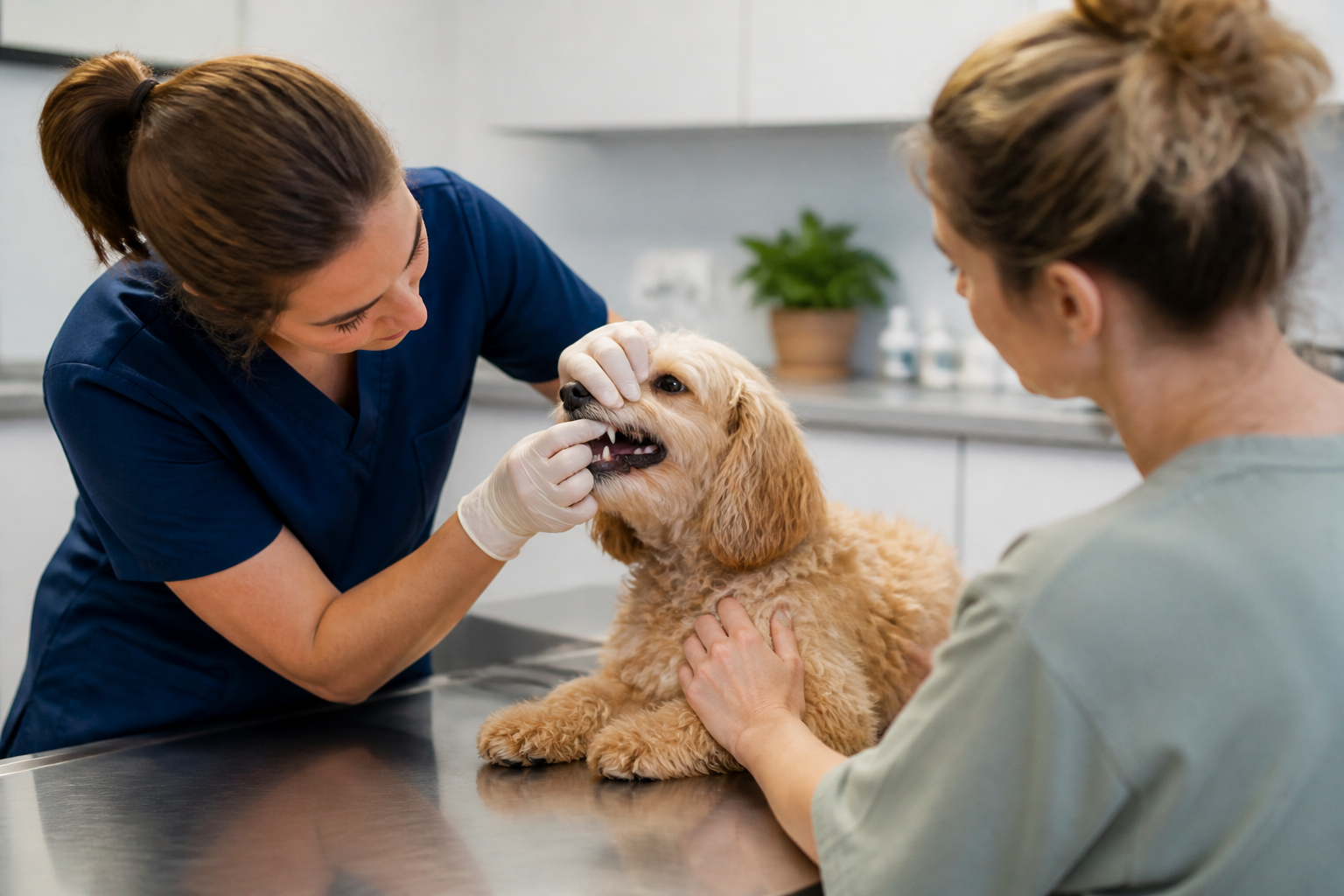
You lean in for a friendly lick from your dog and suddenly catch a scent that smells less like puppy breath and more like a swamp. You might also notice a brown or gray crust forming near their gumline. These are the moments most pet owners realize it is time to talk to their veterinarian about a professional dental cleaning. At BaxterBoo, we understand that looking at a vet estimate for dental work can feel overwhelming. The numbers often range from a few hundred dollars to over a thousand. This guide explains why those price tags vary so much and what actually happens while your pet is in the clinic. We will break down the costs of anesthesia, x-rays, and extractions so you can make an informed decision for your dog. Proper dental care is a major part of long term wellness and helps your dog stay comfortable as they age.
The Average Cost of a Professional Cleaning
If you are looking for a quick estimate, most routine dog dental cleanings in the United States fall between $300 and $700. This base price typically covers the essentials for a healthy dog with mild tartar buildup. However, it is very common for the final bill to land between $800 and $1,500 if your dog requires extra care.
The price you pay depends heavily on your location and the specific veterinary practice. Clinics in major urban centers usually charge more than those in rural areas due to higher overhead costs. Additionally, a board certified veterinary dentist will charge significantly more than a general practitioner. Specialists are usually reserved for complex cases like jaw fractures, oral tumors, or advanced root canals.
Quick Answer: A basic professional dog teeth cleaning usually costs between $300 and $700. If your dog needs x-rays, bloodwork, or tooth extractions, the total cost often rises to $1,000 or more.
What is Included in the Base Price?
When you receive a quote for a dental cleaning, it usually covers a bundle of services. It is important to ask your vet for an itemized estimate to see exactly what is included. A standard "prophy" or prophylaxis usually includes the following stages.
Pre-Anesthetic Physical Exam
The vet will check your dog's heart, lungs, and general condition before the procedure begins. This ensures they are stable enough for the medications used during the cleaning.
Anesthesia and Monitoring
Dogs will not sit still for a thorough cleaning, especially when tools are used under the gumline. General anesthesia is required for safety and thoroughness. A dedicated technician usually monitors your dog's heart rate, blood pressure, and oxygen levels throughout the entire process.
Scaling and Polishing
The vet or a licensed technician uses ultrasonic and hand scalers to remove plaque and tartar. They clean both the visible surface of the tooth and the space under the gums where bacteria hide. After scaling, they polish the teeth to smooth out microscopic scratches. This makes it harder for new plaque to attach to the tooth surface.
Key Takeaway: Anesthesia is the most expensive and critical part of the cleaning. It allows the vet to clean below the gumline where 60 percent of dental disease occurs.
Factors That Increase the Final Bill
It is rare for a vet to give a "guaranteed" price before the dog is actually under anesthesia. Many dental issues are invisible during a standard office visit. Once the dog is asleep, the vet can get a better look and use a probe to check for deep pockets in the gums.
Pre-Anesthetic Bloodwork
Most vets require bloodwork before the procedure, especially for senior dogs. This usually costs between $75 and $200. It checks kidney and liver function to ensure your pet can safely process the anesthesia.
Dental Radiographs (X-rays)
Full mouth x-rays are one of the most important parts of a dental exam. They allow the vet to see the roots of the teeth and the jawbone. Without x-rays, a vet might leave a painful, abscessed root behind. This service often adds $100 to $250 to the total.
Tooth Extractions
If a tooth is loose, broken, or the root is rotting, it must come out. Simple extractions for small, single rooted teeth might be relatively inexpensive. Surgical extractions for large, multi-rooted teeth like carnassials can cost several hundred dollars per tooth. This involves more time, specialized tools, and local numbing blocks.
Pain Medication and Antibiotics
If your dog has extractions or severe gum inflammation, they will need medications to go home with. Our dog pharmacy carries prescription medications with authorization from your veterinarian. Your vet may prescribe pain relief or antibiotics to prevent infection during the healing process.
| Service Item | Estimated Cost Range |
|---|---|
| Basic Cleaning & Anesthesia | $300 – $600 |
| Pre-Anesthetic Bloodwork | $75 – $200 |
| Full Mouth Dental X-rays | $100 – $250 |
| Tooth Extractions (Per Tooth) | $50 – $500 |
| Post-Op Medications | $30 – $100 |
Why Dogs Need Anesthesia for Dental Work
You may see advertisements for "anesthesia-free" dental cleanings. While these are often cheaper, they are purely cosmetic. A dog will not allow a technician to scrape deep under the gumline while awake. Anesthesia-free cleanings remove the brown tartar you can see but leave the bacteria that cause bone loss and pain.
Anesthesia also allows the vet to place an endotracheal tube. This protects your dog's airway from the water and bacteria being sprayed around the mouth during the cleaning. This prevents the dog from accidentally inhaling bacteria into their lungs, which could cause pneumonia.
Vet Tip: If your dog has a heart murmur or other chronic health condition, ask your vet about specialized anesthesia protocols. Safety is always the priority over cost when it comes to dental procedures.
Signs Your Dog Needs a Cleaning Soon
You should not wait until your dog stops eating to schedule a dental checkup. Dogs are very good at hiding oral pain and will often continue eating even with broken teeth or abscesses. This guide to warning signs of bad teeth in dogs can help you recognize potential problems.
- Extremely bad breath that does not go away
- Red, swollen, or bleeding gums
- Yellow or brown crust (tartar) on the teeth
- Drooling more than usual
- Pawing at the mouth or face
- Dropping food while eating
- Visible loose or missing teeth
If you notice these symptoms, schedule an exam with your veterinarian. They can determine if your dog has periodontal disease or if there is a more serious underlying issue like an oral growth.
How to Reduce the Frequency of Professional Cleanings
Professional cleanings are a vital part of health care, but you can save money by extending the time between them. At-home care is the best way to keep your dog's mouth healthy and avoid expensive extractions. Our dog dental care collection includes supplies for building a consistent routine.
Daily Brushing
Brushing your dog's teeth is the gold standard of dental care. You must use a toothpaste specifically made for dogs. Human toothpaste contains xylitol and foaming agents that are toxic to pets. Aim for brushing at least three times a week to make a real difference in plaque buildup.
Dental Chews and Treats
Specific treats like Greenies are designed to mechanically scrub the teeth as the dog chews. Look for products with the VOHC (Veterinary Oral Health Council) seal of approval. These have been tested to show they actually reduce plaque and tartar. Greenies Original Dental Dog Chews are one option for maintaining your dog's daily dental routine.
Water Additives and Gels
If your dog will not tolerate a toothbrush, dental water additives can help. These contain enzymes or ingredients that break down plaque and freshen breath. While they are not as effective as brushing, they are a great supplemental tool.
Prescription Dental Diets
For dogs prone to rapid tartar buildup, your vet might recommend a prescription dental diet. The kibble in these foods is specifically shaped to act like a toothbrush. You can find these specialized diets through the BaxterBoo pharmacy section with a valid prescription from your vet.
Key Takeaway: Every dollar you spend on a toothbrush and dental treats can save you ten dollars in future veterinary dental surgery costs.
Step-by-Step: The Dental Cleaning Day
Knowing what happens during the day can help ease your anxiety. Most dental procedures are outpatient, meaning you drop your dog off in the morning and pick them up in the late afternoon. These pet dental care tips also cover ways to support oral hygiene at home.
Step 1: Check-in and vitals.
The technician takes your dog's weight and temperature. The vet performs a final heart check.
Step 2: Pre-medication.
Your dog receives a sedative to help them relax. This often includes a small amount of pain medication.
Step 3: Anesthesia induction.
An IV catheter is placed, and the dog is safely put under general anesthesia.
Step 4: Full oral assessment.
The vet probes every tooth for "pockets" where the gum has separated from the tooth. They take x-rays of the entire mouth.
Step 5: Cleaning and extractions.
The technician scales and polishes the teeth. If the vet finds diseased teeth on the x-rays, they perform the necessary extractions.
Step 6: Recovery and wake-up.
The anesthesia is turned off, and the dog is monitored closely as they wake up. They are kept warm and quiet until they are steady on their feet.
Step 7: Going home.
You receive a report card of the procedure and instructions for any medications or diet changes.
Bottom line: A professional cleaning is a full-day medical procedure that requires a team of trained professionals to keep your dog safe and comfortable.
Budgeting for Your Dog's Dental Health
Because dental care is an ongoing need, it helps to plan ahead. Many pet owners find that routine expenses are easier to manage when they use a rewards program. For example, our MVP Rewards program allows you to earn points on eligible purchases of dental treats, toothbrushes, and toys. These points can be used to save on future orders.
If you know your dog is prone to dental issues, you might also consider pet insurance. Some plans offer wellness riders that cover a portion of the cleaning cost. However, most standard insurance plans only cover dental work if it is the result of an injury or a specific illness. Always check your policy to see if "routine prophylaxis" is included.
Another way to manage costs is through our Autoship program. By setting up recurring deliveries for dental chews and oral care supplies, you save on every order. This ensures you never run out of the tools you need to keep your dog's teeth clean between vet visits.
FAQ
Is it worth it to pay for a dog's teeth cleaning?
Yes, professional dental cleaning is a critical investment in your dog's overall health. Untreated dental disease causes chronic pain and can lead to systemic infections that affect the heart, liver, and kidneys. Removing infected teeth and cleaning away bacteria significantly improves your dog's quality of life and can extend their lifespan.
Why is dog dental cleaning so expensive compared to human cleanings?
The primary reason for the cost difference is anesthesia. Humans sit still in a chair and follow directions, but dogs require general anesthesia to have their teeth cleaned safely and thoroughly. The cost covers the anesthetic drugs, the specialized monitoring equipment, and a dedicated technician to stay with your pet throughout the entire procedure.
Can I clean my dog's teeth myself to avoid the vet cost?
You can and should brush your dog's teeth at home to prevent plaque buildup, but you cannot perform a deep cleaning yourself. Only a veterinarian can safely clean beneath the gumline and perform x-rays to see the health of the roots. Home scaling is dangerous because it can scratch the enamel and cause your dog significant pain or injury.
Does pet insurance cover the cost of cleaning a dog's teeth?
Most standard pet insurance policies do not cover routine preventive cleanings. They are usually designed to cover unexpected illnesses or injuries, such as a fractured tooth or an oral infection. However, many insurance companies offer "wellness" or "preventive" add-on plans that provide a set amount of reimbursement for yearly dental cleanings.
Conclusion
The cost of a professional vet cleaning for your dog's teeth reflects the high level of medical care required to keep them safe. While the initial estimate might seem high, it covers vital services like anesthesia, monitoring, and detailed oral exams. Investing in a professional cleaning once a year or as recommended by your vet prevents the severe pain and systemic health issues caused by periodontal disease. Between vet visits, you can stay proactive by using dental chews, water additives, and regular brushing. To get started on a preventive routine, explore our collection of dental care products. We carry everything from finger brushes to VOHC-approved treats to help keep your dog's smile healthy and their breath fresh.
Key Takeaway: Combining professional veterinary cleanings with daily at-home care is the most effective way to manage your dog's dental health and long-term costs.






