
 Save 15% on your 1st Autoship learn more

 Email us
 Live Chat
 FAQs
FAQs





Introduction
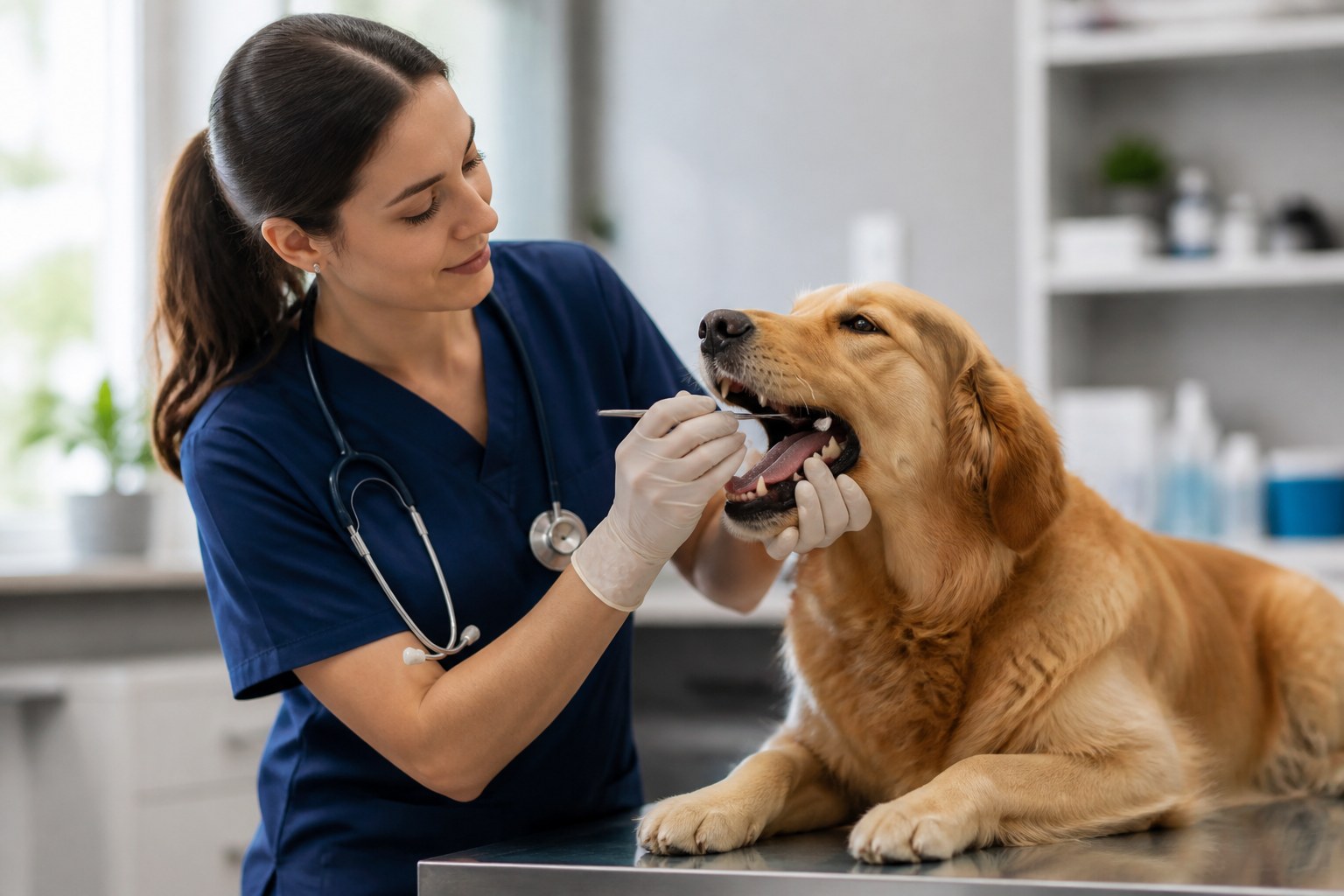
You lean in for a happy morning nuzzle only to be met with a puff of breath that smells like a dumpster in July. It is a common moment for many pet owners. We notice the smell or the yellow film on their canines and realize a professional dental cleaning is long overdue. At BaxterBoo, we know that dental health is a cornerstone of overall wellness. This guide breaks down the financial reality of veterinary dental care. We will cover average costs, the factors that drive those numbers up, and how you can save money through prevention. Understanding these expenses helps you plan for your dog's long-term health. Professional cleaning is not just about a white smile. It is about preventing serious systemic issues that can impact the heart and kidneys.
Quick Answer: A routine dog dental cleaning typically costs between $300 and $700. This range covers anesthesia, basic scaling, and polishing. If your dog needs X-rays or tooth extractions, the total can quickly climb to $1,500 or more.
The Standard Range for Professional Cleaning
The price of a professional cleaning varies significantly across the United States. For most pet owners, a basic visit to a general practice veterinarian falls between $300 and $700. This baseline usually includes the primary components of a safe procedure. It covers the initial physical exam, the anesthesia itself, and the manual removal of plaque and tartar.
If you live in a large city with a high cost of living, you should expect to pay at the higher end of that range. Rural clinics often have lower overhead and may offer the same services for less. However, the price is not just about location. It reflects the equipment used and the level of monitoring provided during the procedure.
A standard cleaning is a full-day event for your dog. They are dropped off in the morning and monitored as they wake up in the afternoon. This level of care requires dedicated staff and specialized tools. This is why the cost is much higher than a human dental cleaning.
Breaking Down the Line Items
When you receive an estimate from your veterinarian, it can be several pages long. It is helpful to understand what each charge represents. Most clinics do not offer a flat fee because every dog's mouth is different.
Here is a breakdown of the typical components found in a dental estimate:
| Procedure Item | Estimated Cost Range |
|---|---|
| Pre-anesthetic Bloodwork | $75 to $200 |
| Anesthesia and Monitoring | $100 to $300 |
| Professional Scaling and Polishing | $150 to $400 |
| Full-mouth Dental X-rays | $75 to $250 |
| IV Fluids and Support | $50 to $120 |
Pre-anesthetic bloodwork is often the first item on the list. This test ensures your dog's liver and kidneys can safely process the anesthesia. For senior dogs, this step is usually mandatory. For younger dogs, it may be optional but is always highly recommended for safety.
Key Takeaway: The base price of a cleaning rarely tells the whole story. Always ask for a detailed estimate that includes bloodwork and X-rays to avoid surprises on pick-up day.
The Variable Costs of Dental X-Rays
Many owners ask if X-rays are truly necessary. The answer is almost always yes. A veterinarian can only see about 40 percent of a dog's tooth structure during a visual exam. The rest is hidden below the gumline.
X-rays allow the vet to see the roots and the surrounding bone. They can identify abscesses, bone loss, or rot that is not visible to the naked eye. Without X-rays, a vet might leave a painful, infected tooth in your dog's mouth. While X-rays add roughly $75 to $250 to the bill, they prevent future surgeries by catching problems early.
Why Anesthesia Is Non-Negotiable
You may have seen advertisements for anesthesia-free dental cleanings. These are often much cheaper, usually ranging from $100 to $200. While the lower price is tempting, these procedures are strictly cosmetic.
A dog will not sit still for a metal scaler to scrape under their gums. Anesthesia allows the veterinarian to perform a deep, thorough cleaning without causing the dog stress or pain. It also protects their airway from the water and debris generated during scaling.
Vet Tip: Avoid anesthesia-free cleanings if you want to treat actual dental disease. Scaling the surface of the tooth without cleaning under the gumline leaves the most dangerous bacteria behind. Consult your vet to ensure your dog is a healthy candidate for general anesthesia.
For more context on professional cleanings and anesthesia, read what to know about bad teeth in dogs.
Factors That Increase the Final Bill
Several factors can push a $400 cleaning into the $1,500 range. The most common driver is the severity of existing dental disease. If a dog has significant tartar buildup, the technician must spend more time on the scaling process.
The size of your dog also plays a role. Larger dogs require higher doses of anesthesia and more supplies. A Great Dane will almost always be more expensive to clean than a Chihuahua.
Finally, the type of provider matters. A board-certified veterinary dentist will charge more than a general practitioner. Specialists are usually reserved for complex cases, such as root canals or oral cancer surgeries. Most routine cleanings are handled perfectly well by your regular family vet.
The Cost of Extractions
Extractions are the biggest wild card in dental pricing. A veterinarian often cannot tell if a tooth needs to come out until the dog is already under anesthesia and the X-rays are finished.
Extractions can range from $50 for a simple tooth to over $500 for a complex, multi-rooted tooth like a molar. If your dog needs five or six teeth pulled, the bill can grow by over $1,000 very quickly. This is why many vets provide a high-end and low-end estimate before the procedure.
Bottom line: Advanced dental disease leads to extractions, which are the most expensive part of any professional cleaning.
Post-Procedure Medications and Care
After a deep cleaning or an extraction, your dog will need support during recovery. This usually includes pain medication and sometimes antibiotics. Our pharmacy at BaxterBoo offers a range of FDA-approved medications through our partnership with Pet's Choice.
If your vet prescribes specific pain relief or antibiotics, you can often save money by fulfilling those prescriptions through a dedicated pet pharmacy. We carry many common post-op medications that help manage inflammation and prevent infection.
For dogs with chronic dental issues, your vet might also suggest a prescription dental diet. Brands like Farmina Vet Life or Royal Canin offer specialized kibble designed to scrub teeth as the dog eats. These diets require a prescription from your vet, which we can help you manage through the pharmacy section of our site.
How to Save Money Through Prevention
The best way to lower the cost of dental cleanings is to make them less frequent. Daily care at home can significantly reduce the rate of tartar accumulation. While it takes effort, the financial savings are substantial.
Step 1: Start a brushing routine.
Buy a toothbrush and toothpaste specifically made for dogs. Never use human toothpaste. It contains xylitol or fluoride, which are toxic to pets. Aim for at least three times a week.
You can find brushing supplies in our dog dental care collection.
Step 2: Use dental treats and chews.
Products like Greenies or dental chews from Kong help scrape away soft plaque before it hardens into tartar. These treats are designed to be highly palatable so your dog does the work for you.
The Greenies Dental Dog Chew - Fresh is one option for adding a dental chew to your dog's routine.
For more ideas, browse our dental food and treats.
Step 3: Consider water additives.
Dental additives are easy to use. You simply add a measured amount to your dog's water bowl. These solutions help kill the bacteria that cause bad breath and plaque.
Step 4: Provide appropriate chew toys.
Hard rubber toys or nylon bones provide mechanical scrubbing. Avoid extremely hard items like real bones or heavy antlers, which can actually fracture teeth and lead to expensive repairs.
For additional maintenance ideas, explore these top dental care tips for pets.
Key Takeaway: Every dollar spent on a toothbrush or dental treat can save you five dollars in future veterinary bills.
The Role of Pet Insurance and Wellness Plans
If you are worried about the sudden hit of a $1,000 dental bill, look into pet insurance or wellness plans. We partner with FIGO Pet Insurance to offer flexible options for pet owners.
Standard insurance policies often cover dental work only if it results from an injury, such as a broken tooth from an accident. However, many companies offer wellness riders. These add-ons specifically cover preventive care, including annual cleanings.
Some veterinary clinics also offer their own in-house wellness plans. These allow you to pay a monthly fee that covers your dog's exam, vaccines, and one dental cleaning per year. This can be a great way to build the cost into your monthly budget rather than facing a large one-time expense.
Identifying When Your Dog Needs a Cleaning
You should not wait for an annual exam if you notice signs of trouble. Dental pain is often silent in dogs. They will continue to eat even with a rotting tooth because their survival instinct is strong.
Watch for these red flags:
- Extreme bad breath that does not go away
- Visible yellow or brown crust on the teeth
- Bleeding or red gums (gingivitis)
- Dropping food while eating or chewing on one side
- Pawing at the mouth or face
- Sudden disinterest in hard kibble or chew toys
If you see these signs, it is time for a professional assessment. Catching an infection early can prevent the bacteria from entering the bloodstream and affecting the heart.
For more warning signs, read how to recognize bad teeth in dogs.
Keeping Up with Routine Care
Once your dog has a clean mouth, the goal is maintenance. We recommend signing up for our Autoship program for your dental supplies. This ensures you never run out of toothpaste, dental treats, or specialty diets.
Autoship also earns you a free MVP Gold membership, which provides extra savings on every order. Regular delivery of Greenies or dental toys serves as a reminder to stay consistent with at-home care. The more you do at home, the easier and cheaper those vet visits will be.
Professional cleaning is a major part of responsible pet ownership. While the upfront cost feels high, the comfort and longevity it provides your dog are priceless. By combining professional veterinary care with consistent home habits, you can keep your dog's smile healthy for years to come.
Summary of Dental Care Costs
Managing dental expenses requires a mix of professional help and personal diligence. We are here to help you find the right tools for the job. Whether you need a simple finger brush or a prescription diet from our pharmacy, our goal is to make dental care accessible.
Bottom line: A professional cleaning costs hundreds today but prevents thousands in medical bills tomorrow.
FAQ
Is it worth it to get a dog's teeth cleaned?
Yes, it is one of the most important preventive health measures you can take. Professional cleaning removes bacteria under the gumline that at-home brushing cannot reach. This prevents periodontal disease, which is linked to heart, liver, and kidney damage in dogs.
Does pet insurance cover the cost of cleaning?
Most basic pet insurance policies only cover dental work related to accidents or injuries. To have routine cleanings covered, you usually need to add a wellness or preventive care rider to your policy. Always check your specific plan details to see what is included.
Why is dog dental cleaning so expensive?
The cost reflects the need for general anesthesia, specialized medical equipment, and a full team of veterinary professionals. Unlike humans, dogs must be fully sedated to ensure a thorough and safe cleaning. The price also covers vital sign monitoring and often pre-procedure bloodwork.
How often should I get my dog's teeth professionally cleaned?
Most veterinarians recommend a professional cleaning once a year starting around age two or three. Small breeds and flat-faced dogs like Pugs or Bulldogs often need cleanings every six months. Their teeth are more crowded, which leads to faster plaque buildup and higher risk of decay.






