
 Save 15% on your 1st Autoship learn more

 Email us
 Live Chat
 FAQs
FAQs





Introduction
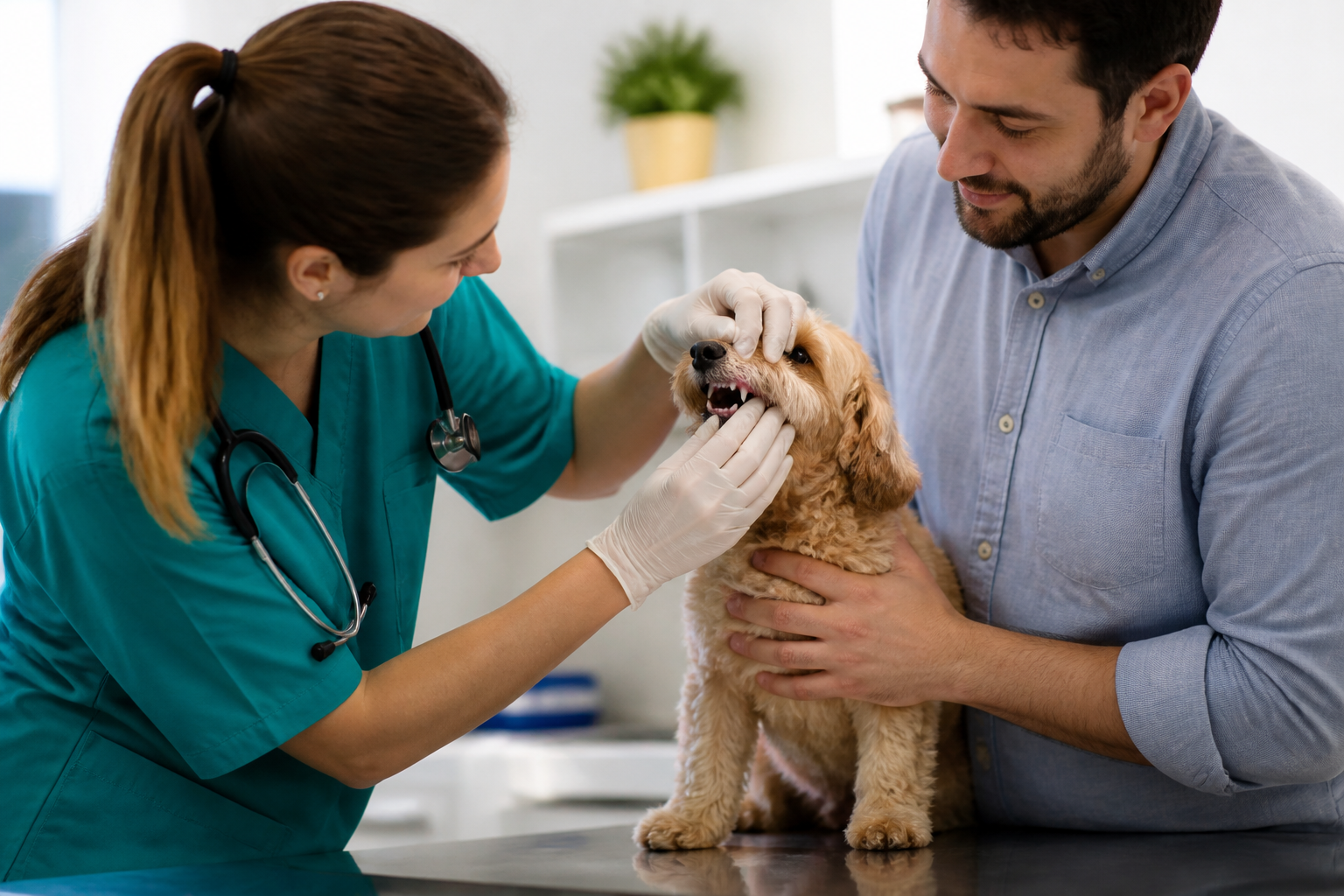
You lean in for a morning nudge from your dog and notice their breath is a bit more than just "doggy." You lift a lip and see yellow tartar or red gums. This is the moment many pet owners realize it is time for a professional dental visit. At BaxterBoo, we know that looking at a veterinary estimate for dental work can feel overwhelming. The price for a cleaning can vary significantly based on where you live and the current health of your dog. This article covers what you can expect to pay for a professional cleaning and what happens during the procedure. We also look at the specific factors that push a bill higher and how you can save money through at-home care. Understanding these costs helps you make informed decisions for your dog’s long-term wellness.
The Baseline Cost of a Professional Cleaning
A standard professional dental cleaning for a dog usually ranges from $300 to $700. This is the starting point for a healthy dog with mild plaque and tartar. This "base price" typically covers the basic prophylaxis procedure. It includes the physical removal of buildup and a professional polish. However, this is rarely the final price you will see on your invoice.
Location plays a massive role in these numbers. If you live in a major city like Chicago or Los Angeles, your costs will likely sit at the higher end of the scale. Rural clinics often have lower overhead and can offer the same procedure for less. Beyond geography, the size of your dog matters. Larger dogs require more anesthesia and longer monitoring times. This naturally increases the cost of the service.
A basic cleaning is designed for prevention. It is meant to stop gum disease before it starts. If your dog already has loose teeth or heavy decay, the procedure becomes a medical treatment rather than a routine cleaning. This shift in the level of care is the most common reason for price increases.
Why Professional Cleaning Requires Anesthesia
Many owners ask if they can avoid the cost of anesthesia. You may see advertisements for "anesthesia-free" dental cleanings at lower prices. These are not equivalent to a veterinary cleaning. A professional dental procedure requires the dog to be fully unconscious for their safety and comfort.
Vets need to scale the tartar from beneath the gumline. This is where the most dangerous bacteria live. No dog will sit perfectly still while a sharp metal tool scrapes under their gums. Anesthesia also allows the vet to place a breathing tube. This tube protects your dog's airway from the water and bacteria being sprayed around the mouth.
Quick Answer: A professional dog dental cleaning typically costs between $300 and $700 for a healthy pet. This price increases if your dog needs extractions, X-rays, or specialized medications for gum disease.
Without anesthesia, a vet cannot perform a complete oral exam. They cannot look at the back of the throat or the inside of the teeth. Anesthesia-free options are essentially a cosmetic fix. They make the teeth look white but leave the underlying disease behind. Investing in a proper anesthetized cleaning is the only way to protect your dog’s organ health.
Understanding the Components of the Bill
When you receive an estimate, it is often broken down into several line items. Understanding these helps you compare quotes between different clinics. A lower quote might look better at first glance until you realize it skips essential safety steps.
Pre-Anesthetic Bloodwork
Most clinics require bloodwork before the procedure. This usually costs between $75 and $200. It checks liver and kidney function. Since these organs process the anesthesia, the vet needs to know they are working correctly. For senior dogs, this step is vital for a safe recovery.
Dental X-rays
Full-mouth X-rays are one of the most important parts of the visit. About 50 percent of a dog's tooth structure is hidden beneath the gumline. A tooth can look perfect on the outside but have a painful abscess at the root. X-rays allow the vet to find hidden infections and bone loss.
Professional Scaling and Polishing
This is the core of the cleaning. The vet uses ultrasonic tools to vibrate the tartar off the teeth. After scaling, the enamel is left with microscopic scratches. Polishing smooths these out. Smooth teeth are harder for new plaque to stick to in the future.
Key Takeaway: A high-quality dental estimate should include anesthesia, monitoring, scaling, and X-rays. Skipping diagnostics like bloodwork or X-rays to save money can lead to missed health issues and higher costs later.
Factors That Increase the Total Cost
The total bill for dog dental work can reach $1,200 or more if the mouth is in poor condition. The most significant variable is the need for extractions. Removing a tooth is a surgical procedure. It takes time, specialized tools, and additional local anesthesia.
Simple extractions for small, single-rooted teeth might add $50 to $100 per tooth. Large, multi-rooted teeth like the carnassials are much more expensive to remove. These require the vet to cut the tooth into sections and surgically remove each piece. A single complex extraction can add several hundred dollars to the bill.
Other factors include:
- IV Fluids: These help maintain blood pressure and hydration during anesthesia.
- Pain Medication: Dogs who have extractions will need take-home pain relief.
- Antibiotics: If the vet finds a significant infection, they may prescribe a course of antibiotics.
- Hospitalization: Some clinics include a few hours of post-operative monitoring in their base fee while others charge extra.
How to Prepare for the Appointment
Preparing your dog for their dental visit can help the day go smoothly. Most vets require your dog to fast starting the night before. This prevents complications with the anesthesia. Always follow your vet's specific instructions regarding water and morning medications.
When you drop your dog off, ask for a clear communication plan. Many vets will call you once they have taken X-rays. This is the moment they can give you a final, accurate price. Since the dog is already under anesthesia, they need your immediate permission to proceed with any necessary extractions.
Vet Tip: If you are on a tight budget, ask your vet about "Dental Health Month" in February. Many clinics offer discounts on cleanings during this time to encourage proactive care.
The Connection Between Dental Health and Longevity
The reason we focus so much on dental care is that it affects the entire body. Bacteria in the mouth do not stay in the mouth. They enter the bloodstream through inflamed gums. From there, they can travel to the heart, kidneys, and liver.
Chronic dental disease causes constant inflammation. This puts a strain on the immune system. Studies have shown that dogs with healthy mouths often live longer and have fewer chronic health issues in their senior years. While the upfront cost of a cleaning feels high, it is an investment in your dog's total lifespan.
For more information about warning signs and prevention, read our guide to signs of bad teeth in dogs.
Signs Your Dog Needs an Urgent Cleaning
You should not wait for your annual exam if you see specific warning signs. Dental pain in dogs is often silent. They will continue to eat even if they have a broken tooth or an abscess. You have to be the detective.
Watch for these symptoms:
- Excessive drooling or dropping food while eating.
- Pawing at the mouth or rubbing the face on the carpet.
- Gums that bleed easily when touched.
- A "rotten" smell that persists even after eating.
- Visible brown or grey buildup on the teeth near the gumline.
If you notice any of these, schedule a consultation. A vet can tell you if the issue requires an immediate procedure or if it can wait for a few months.
How to Save Money Through At-Home Care
The best way to lower the cost of veterinary cleanings is to make them less frequent. If you can keep the teeth clean at home, your dog might only need a professional visit every two or three years instead of every year. We carry a wide variety of tools to help with this at BaxterBoo.
Daily Brushing
This is the gold standard. Using a dog-specific toothpaste and a soft brush removes plaque before it can harden into tartar. Tartar cannot be brushed away; it must be scraped off by a vet. Even brushing three times a week makes a significant difference.
For step-by-step guidance, explore these pet dental care tips.
Dental Chews and Treats
Products like Greenies are popular for a reason. They are designed with a texture that scrubs the teeth as the dog chews. This mechanical action helps wipe away daily buildup. We suggest looking for the VOHC (Veterinary Oral Health Council) seal on treats to ensure they are effective.
You can compare options in our dental treats for dogs collection.
Dental Toys
Chewing is a natural way for dogs to clean their teeth. Toys from brands like Kong provide a durable surface for gnawing. This action massages the gums and helps scrape the surface of the teeth.
For more ideas, see our guide to the best dental chews for dogs.
Water Additives
If your dog will not tolerate a toothbrush, water additives are a helpful backup. These are tasteless liquids you add to the water bowl. They contain enzymes that help break down bacteria in the mouth.
Bottom Line: Prevention is much cheaper than surgery. A five-minute brushing routine can save you thousands of dollars over your dog's lifetime.
The Role of Prescription Diets and Medications
Sometimes, a dog needs more than just a basic cleaning. If your vet diagnoses advanced periodontal disease, they might suggest a specialized diet. We offer premium options like our selection of Farmina products for various health needs. These diets often have larger kibble sizes or specific mineral balances to reduce tartar formation.
Our pharmacy provides access to FDA-approved medications through our partnership with Pet's Choice. If your dog has a chronic mouth infection or needs specialized pain management after a major dental surgery, you can find those prescriptions through us. Having a reliable source for these medications ensures your dog recovers quickly and comfortably.
Transitioning to a Dental Care Routine
Starting a dental routine can be a slow process. You should not expect your dog to love a toothbrush on the first day.
Step 1: Let them lick the toothpaste. / Dog toothpaste is often flavored like poultry or beef to make it a treat.
Step 2: Rub your finger along their gums. / Get them used to you lifting their lips and touching their mouth.
Step 3: Introduce the brush. / Use a finger brush or a soft-bristled dog brush to gently clean the front teeth.
Step 4: Reward the behavior. / Give them praise or a dental chew after they let you brush.
For a product designed for daily routines, consider OxyFresh Pet Dental Gel Toothpaste.
Over time, this becomes a normal part of your day. Most dogs eventually see it as just another way to get attention and a tasty snack.
FAQ
Is a dog dental cleaning really worth the high price?
Yes, because professional cleanings do more than just freshen breath. They remove bacteria from under the gumline that can lead to heart and kidney disease. Preventing these systemic issues saves you more money and stress in the long run than the cost of a yearly cleaning.
How often does my dog actually need their teeth cleaned by a vet?
Most veterinarians recommend a professional cleaning once every 12 months. Smaller breeds or dogs with crowded teeth may need a visit every six months. Your vet will check the level of tartar buildup during your dog's regular wellness exam to give you a specific recommendation.
Does pet insurance cover the cost of cleaning dogs' teeth?
Standard pet insurance policies usually cover dental work only if it is the result of an accident or a sudden illness. Routine prophylactic cleanings are generally considered "wellness" care. You may need to add a specific wellness rider to your policy to get coverage for annual cleanings.
Is it safe for an older dog to go under anesthesia for a cleaning?
Anesthesia is very safe for senior dogs when proper precautions are taken. Your vet will perform bloodwork to ensure the liver and kidneys are healthy enough to process the medication. They also use specialized monitoring equipment to track heart rate and oxygen levels throughout the entire procedure.






