
 Save 15% on your 1st Autoship learn more

 Email us
 Live Chat
 FAQs
FAQs





Introduction
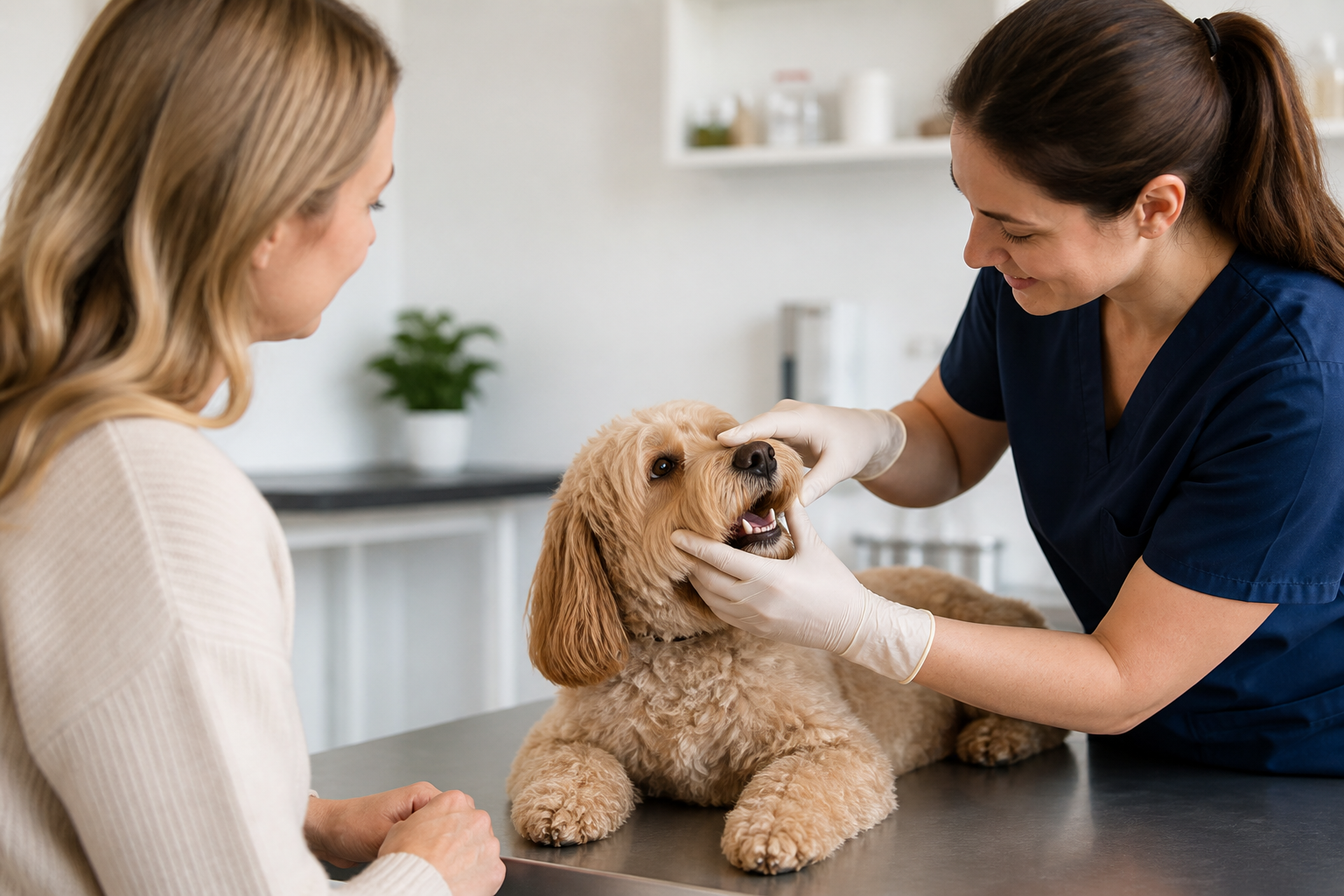
You lean in for a friendly pup kiss and realize your dog’s breath could peel paint. Or perhaps you just left the veterinarian’s office with a dental quote that made your heart skip a beat. At BaxterBoo, we know that dental health is one of the most misunderstood expenses for pet owners. It is easy to think of a cleaning as a simple tooth scrubbing, but in the veterinary world, it is a significant medical procedure. This guide will help you understand the standard costs, the factors that drive those numbers up, and how you can manage these expenses. We believe that professional dental care is a vital investment in your dog’s longevity. Understanding the breakdown of "how much is it to clean your dog's teeth" is the first step in planning for their long term wellness.
Quick Answer: A routine professional dog teeth cleaning typically costs between $300 and $700. If your dog requires dental X-rays, bloodwork, or extractions, the total can quickly climb to $1,500 or more depending on your location.
The Standard Range for Professional Dental Cleaning
When you ask a veterinarian for a quote, the numbers you hear can be startling. Most pet owners find that a basic cleaning starts at roughly $300. This price usually covers the basics for a young, healthy dog with minimal buildup. It includes the time of the veterinary team, the use of the facility, and the basic cleaning supplies.
However, the "standard" price is rarely the final price. Most clinics will provide an estimate with a wide range. This is because they cannot see what is happening under the gumline until the dog is sedated. A cleaning for a small dog with perfect gums will always cost less than a cleaning for a senior dog with heavy tartar.
The geographic location of your clinic also plays a massive role. In a major city or high cost area, you might start at $500 for the same service that costs $300 in a rural community. This reflects the higher overhead costs for the clinic, including rent and staff wages.
Key Takeaway: Always ask for an itemized estimate rather than a single flat fee to understand what services are actually included.
What is Included in the Cost?
It is helpful to view a dental cleaning as a surgical procedure rather than a grooming visit. The price you pay covers a team of professionals and specialized equipment. Here is a breakdown of the typical components found on a dental bill.
Anesthesia and Monitoring
Unlike humans, dogs will not sit still with their mouths open for a high speed scaler. General anesthesia is required for a thorough and safe cleaning. This part of the bill covers the sedative medications, the induction of anesthesia, and the gas used to keep them asleep. It also pays for a dedicated technician to monitor your dog's heart rate, blood pressure, and oxygen levels throughout the procedure.
Scaling and Polishing
Scaling is the process of removing plaque and tartar from the surface of the teeth. This is done with an ultrasonic scaler that vibrates at high frequencies. The technician or vet cleans both above and below the gumline. After scaling, the teeth are polished. This smooths out microscopic scratches on the enamel, which helps prevent new plaque from sticking.
Oral Examination and Charting
While your dog is under, the vet performs a tooth by tooth exam. They look for pockets in the gums, loose teeth, or oral masses. They record these findings in a dental chart to track changes over the years. This level of detail is impossible to achieve while a dog is awake and wiggling.
Bottom line: The majority of the cost goes toward the safety of anesthesia and the expertise of the medical team.
Factors That Increase the Final Bill
Many pet owners are surprised when the final bill is higher than the initial quote. This usually happens because of "extras" that are discovered once the procedure begins. These are not hidden fees. They are necessary treatments for your dog's health.
Dental X-Rays
Roughly sixty percent of a dog's tooth structure is hidden below the gumline. A tooth can look perfectly healthy on the outside while the root is rotting or abscessed. Dental X-rays are the only way to see these problems. Many clinics now require X-rays as a standard part of the procedure, adding $100 to $250 to the total.
Extractions and Oral Surgery
If the vet finds a broken or diseased tooth, it may need to come out. Extracting a dog's tooth is often a complex surgery. Some teeth have three large roots that must be carefully drilled and removed. A single extraction can add $50 to $200 per tooth. If your dog needs multiple extractions, this can easily double the cost of the visit.
Pre-Anesthetic Bloodwork
Most vets insist on bloodwork before putting a dog under anesthesia. This checks the liver and kidney function to ensure the dog can safely process the medications. For senior dogs, this is a non-negotiable safety step. You can expect to pay between $75 and $150 for this testing.
- Dog Size: Larger dogs require more anesthesia and longer monitoring times.
- Age: Senior dogs often need more extensive support and testing.
- Condition: Severe periodontal disease requires more time and specialized tools.
- Specialists: If you see a board certified veterinary dentist, the rates will be higher than a general practitioner.
For additional warning signs and prevention guidance, read about bad teeth in dogs and what to do.
The Role of the Pharmacy in Dental Care
After a dental cleaning, especially one involving extractions, your dog will need follow up care. This often includes pain relief and antibiotics to prevent infection. Managing your pet's recovery is just as important as the cleaning itself.
We provide a specialized pharmacy through our partnership with Pet's Choice. Our pet pharmacy carries FDA approved medications that your veterinarian may prescribe for post operative care. This includes prescription pain management and antibiotics specifically formulated for pets. By using our pharmacy, you can often find competitive pricing on the medications your dog needs to heal comfortably.
If your dog has chronic dental issues or gingivitis, your vet might also suggest specific prescription dental diets or oral rinses. These products are designed to change the chemistry of the mouth or provide a mechanical scrubbing action while the dog eats. Our partnership with Pet's Choice ensures you have access to these prescription items with the convenience of home delivery.
Vet Tip: Never give your dog human pain medication after a dental procedure. Always use the specific medications prescribed by your vet and filled through a certified pet pharmacy.
Anesthesia Free Cleanings: Are They Worth It?
You may see advertisements for "anesthesia free" or "non-anesthetic" dental cleanings. These services are often significantly cheaper, usually ranging from $150 to $300. While the lower price is tempting, it is important to understand the limitations.
Anesthesia free cleaning is essentially a cosmetic procedure. The technician scrapes the visible tartar off the teeth while the dog is awake. However, they cannot safely clean under the gumline, which is where the real disease lives. They also cannot take X-rays or perform extractions.
The American Veterinary Dental College does not recommend these procedures as a replacement for professional veterinary care. For some dogs with very mild buildup and perfect health, it might be a temporary maintenance step. For most dogs, it provides a false sense of security while dental disease continues to progress under the surface.
Bottom line: Anesthesia free cleanings are cheaper because they do not address the root causes of dental disease below the gumline.
How to Prepare for the Expense
Since dental care can be a large one time expense, many pet owners look for ways to budget. Planning ahead can prevent the sticker shock of a sudden $1,000 bill.
Veterinary Wellness Plans
Some clinics offer monthly wellness plans that include one dental cleaning per year. You pay a set amount every month, and the cost of the cleaning is "pre-paid." This is an excellent way to spread the cost out over twelve months.
Pet Insurance
Standard pet insurance policies often cover dental injuries like broken teeth, but they may not cover routine cleanings. However, many providers offer wellness riders or add-ons that include a yearly dental allowance. Our partnership with FIGO Pet Insurance can help you explore flexible options for your pet's health coverage.
National Pet Dental Health Month
February is National Pet Dental Health Month. Many veterinarians offer discounts of ten to twenty percent on dental cleanings during this time. If your dog’s needs are not urgent, waiting for a February promotion can save you a significant amount of money.
- Ask for a "low end" and "high end" estimate.
- Check if your clinic offers a multi-pet discount.
- Look into credit options like CareCredit for larger bills.
For more ways to establish a consistent routine, review these pet dental care tips.
Saving Money Through Prevention at Home
The best way to lower the long term cost of dental care is to prevent disease before it starts. If you can keep your dog’s teeth clean at home, they may only need a professional cleaning every few years instead of every twelve months.
Daily Brushing
Brushing your dog’s teeth is the gold standard of home care. You do not need to spend twenty minutes on it. Even thirty seconds of brushing with a pet safe toothpaste can make a huge difference. We carry a variety of toothbrushes and flavored pastes in our dog dental care collection to help make this routine easier for you and your dog.
Dental Chews and Treats
High quality dental treats like Greenies dental dog chews are designed to scrub the teeth as the dog chews. The Veterinary Oral Health Council (VOHC) puts a seal of approval on products that are proven to reduce plaque and tartar. Look for that seal when shopping for treats.
Water additives are another option for dogs that resist brushing. You can explore our dental supplements for products designed to support an at-home dental routine.
If you want more ideas for between-cleaning care, browse the best dental chews for dogs.
Water Additives
If your dog refuses to let you brush their teeth, water additives are a helpful backup. These are tasteless liquids you add to your dog’s water bowl. They contain enzymes that help break down the biofilm that leads to plaque.
Step 1: Introduce the toothpaste / Let your dog lick a small amount of pet safe paste off your finger for several days.
Step 2: Touch the teeth / Gently lift the lip and touch the teeth with your finger or a soft brush without scrubbing.
Step 3: Circular motions / Once the dog is comfortable, use small circular motions on the outside of the teeth.
Step 4: Reward / Always follow a brushing session with a high value treat or play time.
Long Term Health Implications of Dental Disease
It is easy to focus on the bill, but it is more important to focus on the cost of doing nothing. Untreated dental disease is painful for your dog. Because dogs are stoic, they often continue to eat even when they have a throbbing toothache or an abscess.
Furthermore, the bacteria in the mouth do not stay in the mouth. Chronic dental infections allow bacteria to enter the bloodstream. This can lead to inflammation and damage in the heart, kidneys, and liver. In many cases, a $1,500 dental cleaning is actually a way to prevent a $5,000 heart or kidney emergency later in life.
When we talk about how much is it to clean your dog's teeth, we are really talking about the cost of preventative medicine. A clean mouth often leads to a longer, more comfortable life for your companion.
Conclusion
Professional dental care is a major part of responsible pet ownership. While a bill ranging from $300 to $1,500 can be a lot to handle, the benefits to your dog’s health are immeasurable. By combining professional cleanings with diligent at home care, you can minimize the frequency and complexity of these vet visits. We are here to support your journey with the right gear and expert guidance. Whether you are looking for the perfect toothbrush or need to fill a prescription through our pet pharmacy, we are dedicated to helping your dog keep a healthy smile.
Key Takeaway: Early intervention is always cheaper than emergency surgery. Start a home care routine today to save on future veterinary bills.
FAQ
Why does a dog dental cleaning require anesthesia?
Dogs cannot be told to remain still while sharp instruments are used near their sensitive gums. Anesthesia ensures the vet can clean deeply under the gumline and take accurate X-rays without causing the dog stress or pain. It also protects the dog's airway from the water and debris generated during the cleaning process.
Does pet insurance cover the cost of teeth cleaning?
Most basic pet insurance policies only cover dental work resulting from an accident or injury, such as a fractured tooth. However, many providers offer optional wellness plans that specifically include coverage for routine preventative cleanings. It is important to check your specific policy or look for a wellness add-on if you want help with routine costs.
How often should I have my dog's teeth professionally cleaned?
Most veterinarians recommend a professional cleaning once a year starting at age two or three. Small breeds and flat faced breeds like Pugs or Bulldogs often need more frequent cleanings because their teeth are crowded. Your vet will assess your dog's mouth during their annual physical to determine the best schedule.
Can I just use dental treats instead of a professional cleaning?
Dental treats are an excellent tool for maintenance, but they cannot remove tartar once it has hardened into calculus. Think of treats like chewing gum for humans. It helps, but it does not replace the need for a professional dentist. Once there is significant buildup or gum recession, only a professional veterinary cleaning can fix the problem.






