
 Save 15% on your 1st Autoship learn more

 Email us
 Live Chat
 FAQs
FAQs





Introduction
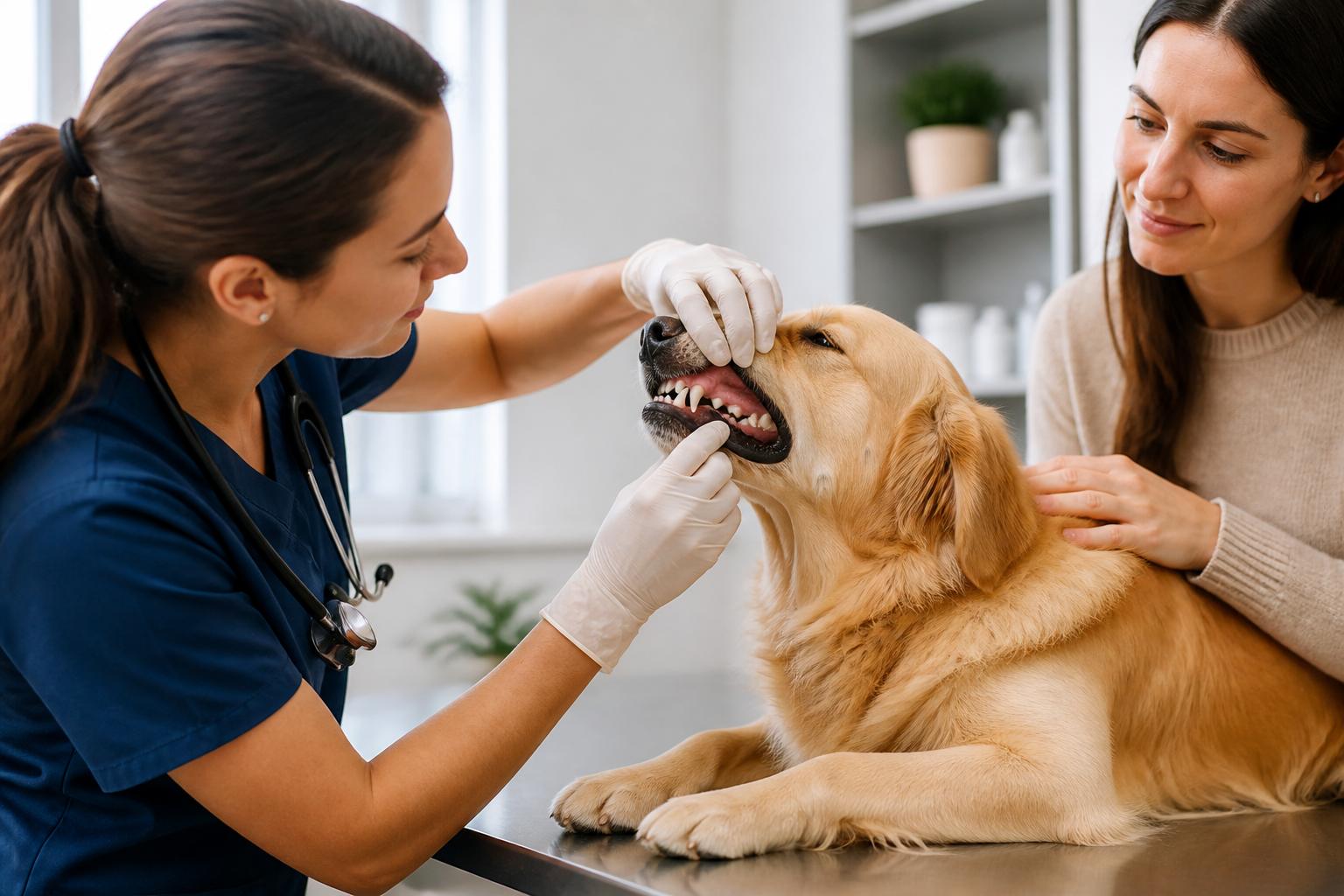
You lean in for a morning nuzzle from your dog and notice something new. Their breath, which used to be neutral, now has a sharp, foul odor. When you lift their lip, you see a thick layer of brown tartar and bright red gums. These are the classic signs that your pet needs professional dental care. At BaxterBoo, we know that dental health is one of the most overlooked aspects of pet wellness. While it might seem like a simple grooming task, a professional cleaning is actually a medical procedure. It requires expert skill, specialized equipment, and careful monitoring. This guide will walk you through the average costs, the steps involved in the procedure, and why the final bill can vary so much. Understanding these factors will help you make the best decisions for your dog's long-term health.
Quick Answer: A routine dog dental cleaning typically costs between $300 and $700. This price usually includes anesthesia, scaling, and polishing, but extras like bloodwork, X-rays, and extractions can bring the total to $1,000 or more.
The Average Cost of Veterinary Dental Cleaning
When you ask how much to clean dogs teeth at vet, the answer is rarely a single flat rate. On a national level, most pet owners find that a basic cleaning falls into the $300 to $700 range. This wide spread exists because veterinary medicine is influenced by your local economy and the specific standards of the clinic you choose. In large urban centers like New York or San Francisco, you should expect to pay at the higher end of that scale. In more rural areas, the base price might be closer to the lower end.
The size of your dog also plays a significant role in the initial quote. Larger dogs require more anesthesia to keep them safely asleep during the procedure. They also need higher doses of sedative medications and pain relief. A Great Dane will almost always cost more to clean than a Chihuahua simply because of the volume of supplies and time required.
Another major factor is the current state of your dog's mouth. A dog who gets their teeth cleaned every year will have less tartar buildup. This makes the procedure faster and less complicated. If it has been five years since the last cleaning, the vet will need more time to scale away heavy calculus. Time in the dental suite is a direct driver of the final cost. For ongoing prevention between visits, explore our dog dental care category.
Key Takeaway: Base costs for dental cleanings vary by location and dog size, but they generally start around $300 for a healthy, small dog in a mid-priced market.
What a Professional Cleaning Includes
It is important to understand that a "cleaning" at the vet is much more than a simple tooth brushing. It is a comprehensive oral health assessment and treatment. Most standard packages include several key components that ensure the procedure is safe and effective.
First, your dog will be placed under general anesthesia. This is the only way for a veterinarian to safely clean below the gumline. While your dog is asleep, a technician or the vet will use an ultrasonic scaler. This tool uses high-frequency vibrations to break up tartar without damaging the enamel. They will also use hand tools to reach tight spaces between the teeth.
After the scaling is complete, the teeth are polished. Scaling creates microscopic scratches on the surface of the tooth. If left alone, these scratches would actually trap bacteria and cause tartar to reform faster. Polishing smooths the enamel back down. Finally, the vet performs a tooth-by-tooth exam, checking for pockets in the gums or loose teeth.
The Stages of a Dental Appointment
Step 1: The pre-operative exam. / Your vet checks your dog's heart and lungs to ensure they are ready for anesthesia.
Step 2: Anesthesia and monitoring. / A dedicated staff member monitors your dog's vitals while the vet works.
Step 3: Scaling and polishing. / Tartar is removed from above and below the gumline and the enamel is smoothed.
Step 4: Recovery. / Your dog is kept warm and monitored until they are fully awake and alert.
For additional context about warning signs that may lead to a professional cleaning, read how to recognize hidden dental problems in dogs.
Why Anesthesia Is Mandatory for Success
Many owners feel nervous about anesthesia and wonder if an "anesthesia-free" cleaning is an option. While these services are often cheaper, they are purely cosmetic. Anesthesia-free cleanings only remove the tartar you can see. They cannot address the bacteria living under the gumline, which is where periodontal disease actually starts.
Anesthesia allows the vet to place an endotracheal tube. This tube protects your dog's airway from the water and bacteria being sprayed around the mouth during the scaling process. Without this protection, a dog could inhale those bacteria, leading to aspiration pneumonia. Furthermore, anesthesia prevents your dog from feeling any stress or pain during the procedure. It allows the vet to take their time and be thorough without the dog moving or biting.
Vet Tip: Always choose a dental procedure that uses anesthesia. It is the only way to clean the subgingival area and perform a safe, thorough exam of the entire mouth.
The Necessary "Extras" That Affect the Price
When you receive an estimate, you might see line items that seem optional but are actually vital for safety. Two of the most common additions are pre-anesthetic bloodwork and dental X-rays.
Pre-Anesthetic Bloodwork
Most vets require bloodwork before any procedure involving anesthesia. This test checks the health of the liver and kidneys. Since these organs are responsible for processing and clearing the anesthesia from the body, the vet needs to know they are functioning perfectly. If the bloodwork shows issues, the vet might adjust the type of anesthesia used or postpone the procedure until the underlying problem is addressed. This usually adds $80 to $150 to the bill.
Dental X-rays
In humans and dogs, about 60 percent of the tooth is hidden below the gumline. A tooth can look perfectly healthy on the surface while the root is rotting or an abscess is forming underneath. Dental X-rays are the only way to see these hidden problems. Without X-rays, your vet is essentially working blind. Adding full-mouth X-rays typically costs between $100 and $200. This is a worthwhile investment because it prevents you from having to schedule a second surgery later if a hidden problem is missed.
Bottom line: Bloodwork and X-rays are safety tools that provide a complete picture of your dog's health beyond what the eyes can see.
Extractions and Advanced Oral Surgery
The most common reason for a dental bill to skyrocket is the need for extractions. It is very common for a vet to find diseased or broken teeth once the dog is under anesthesia and the X-rays are taken. Removing a tooth is a surgical procedure. It involves numbing the area with a nerve block and often requires cutting the tooth into sections to remove it safely.
Extractions can range from $50 for a small, single-rooted tooth to over $300 for a large, multi-rooted molar. If your dog needs five or six teeth pulled, that can easily add $1,000 to your total. Most vets will call you during the procedure to get your permission before removing any teeth that were not discussed in the initial exam.
If your dog has advanced dental disease, you may be referred to a board-certified veterinary dentist. These specialists have advanced training in root canals, jaw repairs, and complex oral surgeries. Their fees are higher, often starting at $1,500 for a basic visit, but they are the best choice for dogs with severe mouth trauma or complex health conditions.
Medications and the BaxterBoo Pharmacy
After a dental cleaning, especially one involving extractions, your dog will need follow-up care. This usually includes pain relief and sometimes antibiotics if an infection was present. Managing your dog's comfort is a top priority during the first few days of recovery.
Our pet pharmacy offers a wide selection of prescription medications for these situations. Prescriptions for common post-op needs can be fulfilled with authorization from your veterinarian. We also carry specialized dental diets and prescription foods that support oral health for dogs prone to rapid tartar buildup.
Key Takeaway: Post-cleaning care often involves prescription medications. Our pharmacy provides a convenient way to get these essential supplies through our pharmacy services.
Home Care to Lower Future Costs
The best way to reduce how much to clean dogs teeth at vet in the future is to start a rigorous home care routine. Plaque begins to reform on the teeth within hours of a professional cleaning. If you do nothing, it will turn back into hard tartar within three days.
Daily Brushing
Brushing your dog's teeth is the gold standard of home care. You must use a toothpaste specifically formulated for dogs. Human toothpaste contains xylitol and detergents that are toxic to pets. Aim for daily brushing, but even three times a week can make a significant difference. Start slowly, letting your dog lick the paste off the brush before attempting to scrub. For more guidance, review these pet dental care tips.
Dental Chews and Toys
If your dog will not tolerate a toothbrush, dental chews like Greenies dental treats are a great alternative. These treats are designed with a texture that scrapes the teeth as the dog bites down. Many are also formulated with ingredients that help break down plaque. Similarly, certain rubber toys with ridges can help massage the gums and keep the tooth surfaces clean during play.
Water Additives and Gels
For busy owners, water additives can be helpful. You simply add a small amount of the solution to your dog's water bowl. These products work by altering the chemistry in the mouth to make it harder for bacteria to stick to the teeth. While they are not as effective as brushing, they are a valuable tool in a multi-pronged approach to dental health.
- Brush teeth at least three times per week.
- Provide a VOHC-approved dental chew daily.
- Use a water additive to reduce bacterial load.
- Schedule a professional exam once a year.
For repeat-purchase dental supplies, our Autoship programme can help you maintain a consistent routine.
When Should You Schedule a Cleaning?
Most veterinarians recommend an annual dental checkup starting when your dog is around two years old. Smaller breeds, such as Poodles and Yorkies, often need cleanings even sooner. Their teeth are crowded together, which traps food and bacteria much more easily than the mouths of larger breeds.
You should not wait for your dog to show signs of pain before booking an appointment. Dogs are notoriously good at hiding dental pain. They will often continue to eat even if they have a broken tooth or a painful abscess. If you notice bad breath, bleeding gums, or a sudden preference for soft food, it is time to call the vet.
Vet Tip: Do not wait for symptoms to appear. Preventive cleanings are always cheaper and safer than reactive surgeries for advanced disease.
How to Save Money on Dog Dental Care
Professional dental care is an investment, but there are ways to manage the costs. Many clinics offer discounts during National Pet Dental Health Month, which takes place every February. Planning your dog's cleaning for this time can often save you 10 to 15 percent on the total bill.
Some clinics also offer wellness plans. These plans allow you to pay a monthly fee that covers your dog's annual exam, vaccines, and one dental cleaning per year. This spreads the cost out over 12 months rather than requiring one large payment. Additionally, pet insurance providers like FIGO often offer wellness riders that include a set amount of coverage for dental cleanings.
By focusing on prevention, you avoid the most expensive part of dental care: extractions and emergency oral surgery. A $500 cleaning once a year is much more affordable than a $2,500 emergency visit every three years.
Summary of Post-Procedure Care
When you bring your dog home from the vet, they will likely be a bit groggy. Keep them in a quiet, warm place where they will not be disturbed by other pets or children. If they had extractions, you will need to feed them soft food for several days. This allows the gum tissue to heal without being irritated by hard kibble.
Watch for any signs of complications, such as excessive bleeding, extreme lethargy, or a total refusal to drink water. Most dogs are back to their normal selves within 24 to 48 hours. Once the vet gives you the green light, usually about two weeks after the procedure, you can begin your at-home brushing routine to keep those teeth sparkling.
At BaxterBoo, we are committed to helping you provide the best possible care for your pets. Whether you are stocking up on dental treats or using our pharmacy for post-operative prescriptions, we are here to support your journey as a pet owner. Our MVP Rewards programme can even help you earn points on every dental care purchase, making it easier to keep your dog healthy and happy.
FAQ
Is $1,000 normal for a dog teeth cleaning?
Yes, it is very common for a total bill to reach $1,000 if the procedure includes X-rays, bloodwork, and a few extractions. While the base price for the cleaning itself might be lower, these necessary medical steps add to the final cost. Always ask for an itemized estimate before the procedure so you understand exactly what you are paying for.
Why do vets have to use anesthesia for a cleaning?
Anesthesia is required to safely clean below the gumline and to protect the dog's airway from bacteria and water. It also ensures the dog remains still, which prevents accidental injury from the sharp dental tools. Anesthesia allows for a stress-free experience for the pet and a thorough medical exam for the veterinarian.
Does pet insurance cover dental cleanings?
Most standard pet insurance plans cover dental accidents or illnesses, such as a fractured tooth or an infection. However, routine preventive cleanings are usually only covered if you have a specific wellness add-on. We recommend checking with your provider, such as FIGO, to see what your specific policy includes for dental health.
How can I tell if my dog needs their teeth cleaned?
The most common signs are foul-smelling breath, yellow or brown buildup on the teeth, and red or swollen gums. You might also notice your dog dropping food while eating or pawing at their mouth. If you see any of these signs, you should consult your veterinarian for a professional oral exam as soon as possible.






