
 Save 15% on your 1st Autoship learn more

 Email us
 Live Chat
 FAQs
FAQs





Introduction
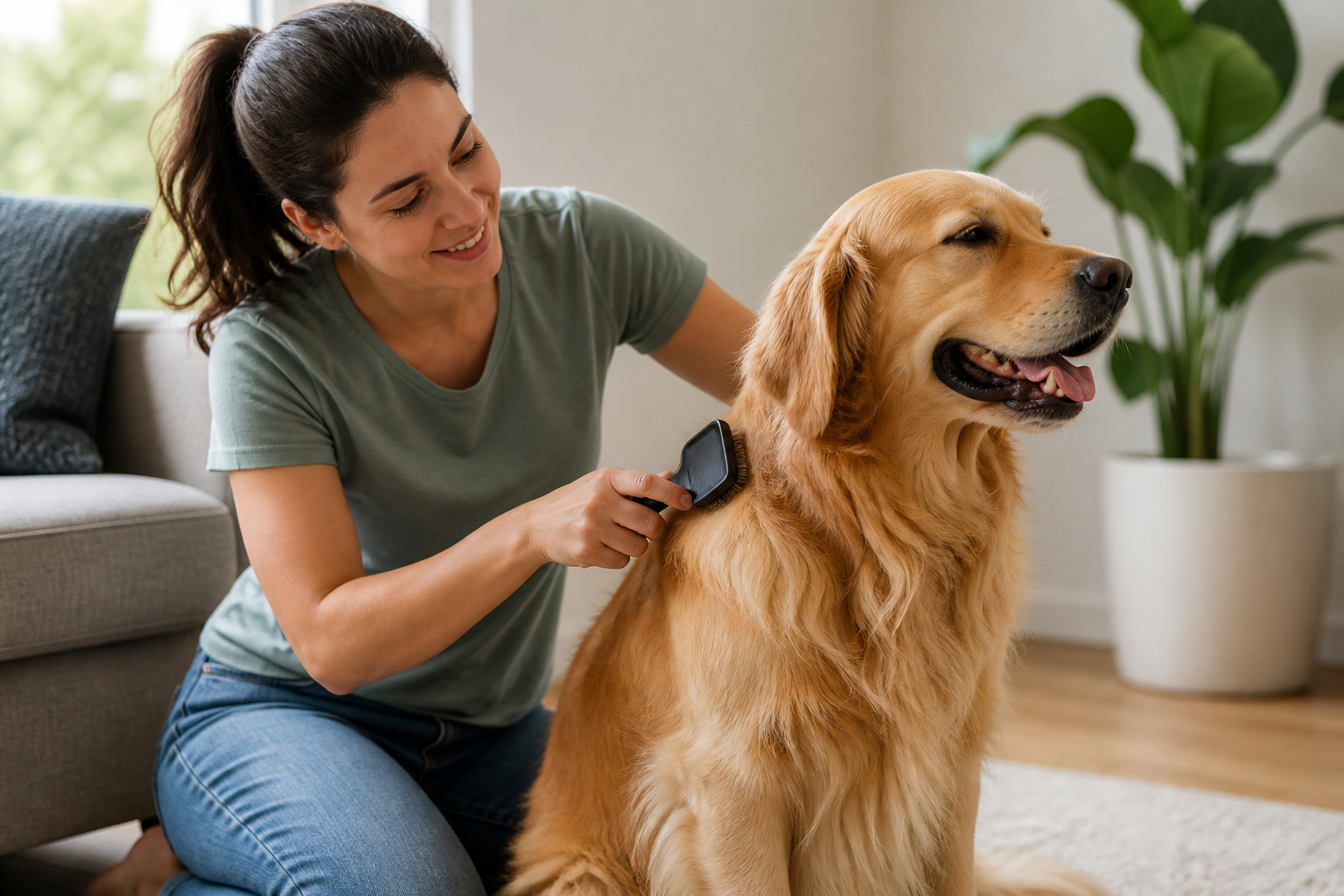
You are relaxing on the couch when a tumbleweed of fur drifts across the hardwood floor. Or perhaps you reach down to pet your dog and feel a small, hard knot hiding behind their ear. These are the moments when every pet owner asks themselves exactly how often they should be picking up the brush. At BaxterBoo, we know that grooming is more than just a way to keep your house clean. It is a vital part of your dog’s overall health and a great way to bond with your best friend. The answer to how often you should brush depends mostly on your dog's specific coat type and their lifestyle. This guide will help you determine the perfect schedule for your dog to keep their skin healthy and their coat shining.
The Importance of Regular Brushing
Brushing your dog does more than just remove loose hair. It acts as a massage that stimulates the skin and distributes natural oils throughout the fur. These oils are what give a coat that healthy, glossy sheen. Without regular brushing, these oils can build up at the skin level while the ends of the hair become dry and brittle.
Regular grooming sessions also allow you to check for things that might otherwise go unnoticed. You can feel for new lumps, bumps, or skin irritations. It is also the best time to check for external parasites like fleas or ticks. By making brushing a habit, you catch potential health issues before they become serious problems.
Quick Answer: Most dogs benefit from brushing every two to three days. However, long-haired breeds or those with thick undercoats may require daily attention to prevent painful matting.
Brushing Frequency by Coat Type
Every dog is different, but their coat type is the most reliable way to set a schedule. Here is how to break down the frequency based on what kind of fur your dog has.
Short-Haired Coats
Dogs with short, sleek coats like Labradors, Boxers, or Beagles are often the easiest to maintain. You might think they do not need brushing at all, but they still shed. Brushing these dogs once a week is usually enough to keep shedding under control. It helps remove dead hair and skin cells that can cause a "doggy" odor if left sitting in the coat.
Long-Haired Coats
Breeds with long, flowing hair like Yorkshire Terriers, Lhasa Apsos, or Golden Retrievers require the most work. These coats can tangle and mat within hours of a walk. For these dogs, daily brushing is highly recommended. If you skip even a few days, small tangles can quickly turn into tight mats that are difficult to remove without professional help.
Double Coats
Many working breeds like Huskies, German Shepherds, and Newfoundlands have a double coat. This consists of a soft, insulating undercoat and a tougher outer layer of guard hairs. These dogs shed year-round but "blow" their coats twice a year. During normal times, brushing two or three times a week is sufficient. During shedding season, you may need to brush them every single day to manage the volume of fur. For additional shedding guidance, read about how dogs manage seasonal shedding.
Wiry and Curly Coats
Wiry coats, common in many Terriers, and curly coats, like those on Poodles or Bichon Frises, have unique needs. These dogs often shed very little, but the hair they do lose gets trapped in the surrounding curls or wire. This can lead to severe matting near the skin. Brushing every two days helps keep these coats clear of debris and trapped fur.
| Coat Type | Recommended Frequency | Primary Tool |
|---|---|---|
| Short/Smooth | Once a week | Rubber Curry Brush |
| Long/Silky | Daily | Pin Brush and Metal Comb |
| Double Coat | 3 times per week | Undercoat Rake |
| Wiry/Curly | Every 2 days | Slicker Brush |
Choosing the Right Tools
Using the wrong tool can make brushing uncomfortable for your dog and ineffective for you. We carry over 500 brands at our warehouse, and we have learned that matching the tool to the hair texture is the secret to a happy dog. Explore our dog brushes and combs to compare tools for different coat types.
The Slicker Brush
This is a versatile tool with fine, short wires close together. It is excellent for removing mats and tangles in medium to long-haired dogs. It is also the go-to tool for curly-coated breeds. Be sure to use a light touch, as the wire bristles can scratch the skin if you press too hard.
Pin and Bristle Brushes
Pin brushes look similar to human hairbrushes. They are best for long-haired dogs with silky coats. The pins reach through the top layer to the skin without breaking the long hairs. Bristle brushes are better for short-haired dogs. They are great for finishing a grooming session because they smooth the hair and add shine.
Rubber Brushes and Grooming Gloves
If your dog hates being brushed, a rubber brush or grooming glove is a fantastic option. These tools feel like petting to the dog. They are perfect for short-haired breeds because the rubber "grabs" loose hair and pulls it away from the coat easily.
Undercoat Rakes and Deshedding Tools
For double-coated dogs, a standard brush will not reach the undercoat where the most shedding happens. An undercoat rake has long, tines that go deep into the fur to pull out dead undercoat hair without damaging the top layer.
Key Takeaway: Using the correct tool prevents skin irritation and ensures you are actually removing dead hair rather than just moving it around on the surface.
Seasonal Changes in Shedding
You will likely notice that your dog sheds more during the spring and fall. This is known as "blowing the coat." In the spring, they lose their heavy winter undercoat to prepare for the heat. In the fall, they shed their lighter summer coat to make room for thick winter fur.
During these transitions, you should increase your brushing frequency regardless of your dog's coat type. Even short-haired dogs can see a significant increase in hair loss during these months. Increasing your sessions to once a day during peak shedding weeks can save your furniture and keep your dog more comfortable.
Vet Tip: Excessive shedding or bald patches can sometimes indicate nutritional deficiencies or underlying health issues. If your dog's coat seems dull or thin despite regular brushing, consult your veterinarian to discuss their diet or potential skin conditions.
Dealing with Mats and Tangles
Mats are more than just an eyesore. They can pull on a dog's skin, causing constant pain. If they get wet, they can trap moisture against the skin, leading to bacterial or fungal infections.
How to Safely Remove a Mat
Step 1: Identify the mat. / Do not pull on it with a standard brush, as this hurts the dog.
Step 2: Use your fingers. / Try to gently pull the mat apart starting from the outer edges.
Step 3: Apply a detangling spray. / This helps the hairs slide past each other more easily.
Step 4: Use a metal comb or dematting tool. / Use a picking motion rather than a pulling motion.
Step 5: Hold the hair at the base. / This prevents the skin from being pulled while you work on the knot.
Never try to cut a mat out with scissors. A dog's skin is very thin and can easily be pulled into the mat. It is very common for owners to accidentally cut their dog's skin while trying to trim a knot. If a mat is too tight to comb out, it is safer to use electric clippers or visit a professional groomer.
Post-Adventure Grooming
Sometimes the schedule goes out the window. If your dog has been swimming, hiking, or playing in the mud, they need immediate attention.
After Swimming
Chlorine from pools or salt from the ocean can dry out a dog's skin and coat. Always rinse your dog with fresh water after a swim. If they have long hair, brush them immediately after they are dry. Wet hair tangles much faster than dry hair.
After a Walk
Check your dog’s paws and belly for burrs, stickers, or mud after a hike. These can cause immediate irritation. A quick brush through the "feathers" on the legs and the tail after a walk can prevent large mats from forming later.
Health and Wellness Checks During Brushing
As you move the brush through the fur, keep a close eye on the skin underneath. Brushing is the best time to perform a "home physical."
Checking for Pests
Look for tiny black specks that look like pepper. This is often flea dirt. You may also see ticks attached to the skin, especially around the ears, neck, and between the toes. Our flea and tick collection includes preventive products and grooming accessories. If you find pests while grooming, speak with your veterinarian about the necessary medications to treat the infestation and prevent future ones.
Skin Conditions
Look for redness, flaking, or oily patches. Some dogs are prone to allergies that manifest as itchy skin. If you notice your dog licking a specific area frequently, check that spot during your grooming session.
Bottom line: Brushing is a primary defense against parasites and skin infections because it allows for early detection.
Training Your Dog to Love Brushing
Not every dog enjoys the grooming process initially. If you have a puppy or a rescue dog who is nervous, you can train them to accept and even enjoy the brush.
- Keep sessions short. Start with just one or two minutes at a time.
- Use high-value treats. Give a small treat after every few strokes of the brush.
- Start with easy areas. Most dogs enjoy being brushed on their back and shoulders. Save the sensitive areas like the belly, paws, and tail for last.
- Stay calm. Your dog mirrors your energy. If you are relaxed, they are more likely to be relaxed.
At BaxterBoo, we believe that positive reinforcement is the key to a lifetime of easy grooming. By making the brush mean "treats and attention," your dog will eventually come running when they see the grooming kit.
Nutrition and Coat Health
A beautiful coat starts from the inside. Even the best brushing routine cannot fix a coat that is dull due to poor nutrition. Dogs need specific fatty acids, like Omega-3 and Omega-6, to keep their skin hydrated and their fur strong.
We carry premium brands like Farmina, Orijen, and Acana that focus on high-quality proteins and healthy fats. If you notice your dog's coat is consistently brittle or their skin is very dry, you might consider a food formulated for skin and coat health. Supplements like fish oil can also make a noticeable difference in the luster of the fur.
Brushing Older Dogs
As dogs age, their skin becomes thinner and less elastic. They may also develop arthritis, making certain positions uncomfortable. When brushing a senior dog, be extra gentle over bony areas like the hips and spine. You may need to brush them while they are lying down rather than asking them to stand for long periods. Regular grooming is especially important for seniors because they may no longer be able to reach certain areas to groom themselves.
Common Brushing Mistakes to Avoid
Even well-meaning owners can make mistakes that lead to a poor grooming experience.
- Brushing against the grain. Always brush in the direction the hair grows. Brushing "backward" can be painful and cause the hair to break.
- Focusing only on the top layer. Many owners brush the back but forget the armpits, belly, and behind the ears. These are the places where mats are most likely to form.
- Using too much pressure. It does not take a lot of force to remove loose hair. Let the tool do the work.
- Ignoring the tail. The tail is often a sensitive area, but it needs regular brushing to stay mat-free.
Summary of Best Practices
Maintaining a grooming routine does not have to be a chore. If you stay on top of it, each session should only take a few minutes.
- Check your dog's coat type to set your weekly schedule.
- Invest in a high-quality brush suited for that specific fur texture.
- Use grooming time to check for fleas, ticks, and skin issues.
- Keep sessions positive with plenty of praise and treats.
Key Takeaway: Consistency is more important than the length of the session. Five minutes of brushing every other day is much better than an hour-long session once a month.
Conclusion
Determining how often to brush your dog is a simple way to improve their quality of life. Whether you have a short-haired dog that needs a weekly once-over or a long-haired breed that requires daily care, the benefits are clear. You will have a cleaner home, a healthier dog, and a stronger bond. At BaxterBoo, we are committed to providing the gear and the guidance you need to make pet care easy and effective. From the right slicker brush to the supplements that make their coat shine, we have everything you need to keep your dog looking their best. For any ongoing health or skin concerns you discover while brushing, remember to consult your veterinarian for expert advice.
Bottom line: Match your brushing frequency to your dog's coat type and stay consistent to prevent mats and skin issues.
FAQ
Can I over-brush my dog?
Yes, it is possible to over-brush, especially if you use a tool with sharp metal bristles like a slicker brush or a deshedding rake. If you brush the same spot too many times or use too much pressure, you can cause "brush burn," which is a painful skin irritation. Always watch the skin for redness and stop if your dog seems uncomfortable.
What should I do if my dog has a lot of "dandruff" when I brush?
Small white flakes are often just dry skin, which can be improved by regular brushing and a high-quality diet. However, if the flaking is heavy or accompanied by itching and redness, it could be a sign of allergies or a skin infection. If the condition persists, it is a good idea to have your vet take a look to see if a medicated shampoo or diet change is needed.
Is it okay to brush my dog when their fur is wet?
Generally, it is better to brush your dog when they are dry or only slightly damp. Wet hair is more elastic and prone to breakage. Additionally, if your dog has any small tangles, water can cause the hair fibers to swell and tighten, turning those tangles into stubborn mats. The only exception is if you are using a specific wide-tooth comb during a bath with a lot of conditioner.
Do short-haired dogs really need to be brushed?
Yes, short-haired dogs still benefit greatly from brushing. While they do not get mats, they do shed frequently, and brushing helps remove that loose hair before it ends up on your clothes. It also stimulates the skin and helps spread natural oils that protect their coat. For these breeds, a soft bristle brush or a rubber grooming mitt is usually all you need.






