
 Save 15% on your 1st Autoship learn more

 Email us
 Live Chat
 FAQs
FAQs





Introduction
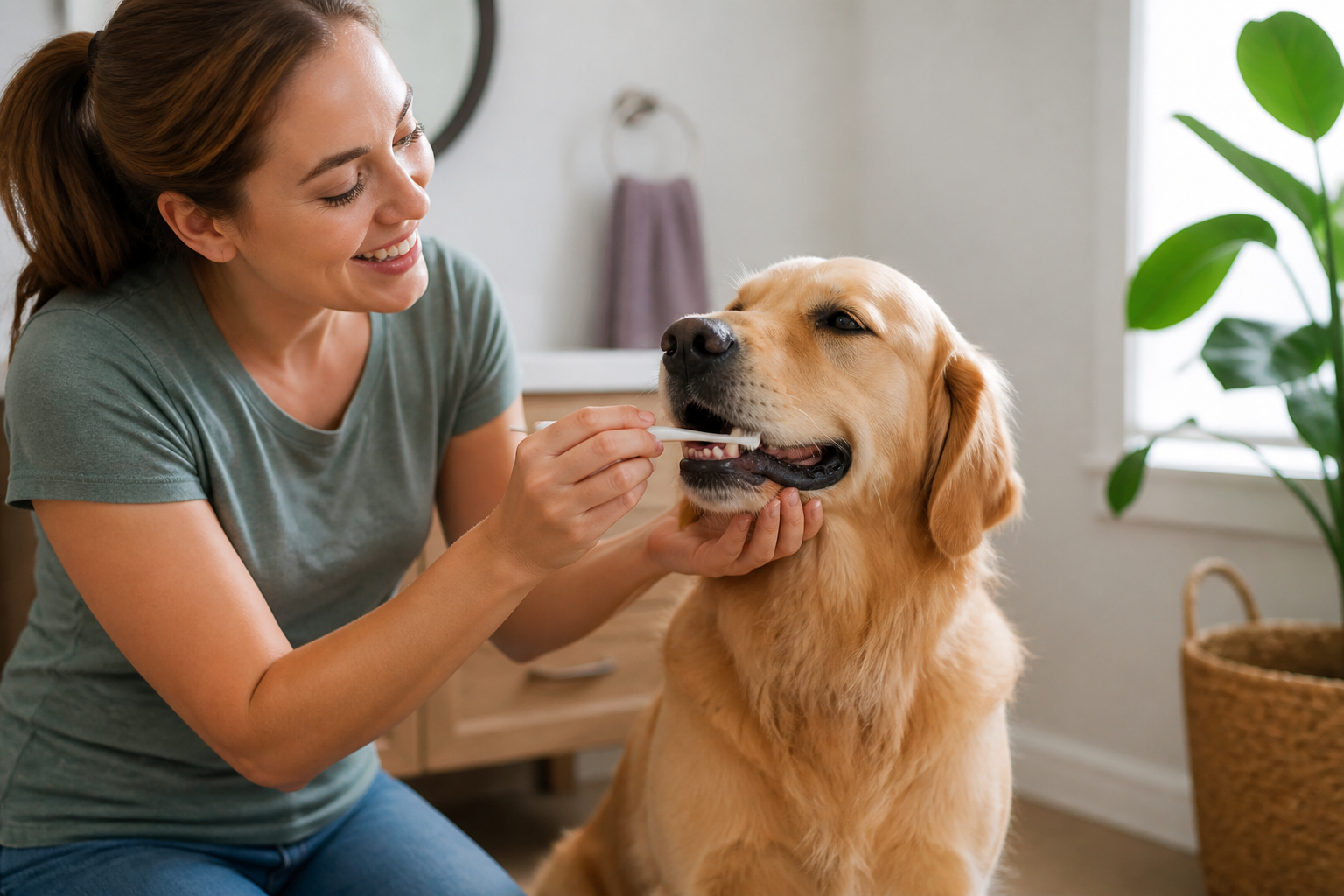
You are sitting on the couch when your dog leans in for a friendly lick. That puff of air from their mouth is more than just a bit of "dog breath." It is often the first sign that your pet needs a dental intervention. Many owners wonder how often they should be scrubbing those pearly whites. At BaxterBoo, we know that dental health is a cornerstone of overall wellness. Keeping up with a regular schedule prevents pain and expensive surgeries later in life. This guide will help you understand the daily requirements for home care. We also cover the necessity of professional cleanings. Understanding these timelines helps you keep your dog happy and healthy for years.
The Ideal Daily Dental Schedule
The gold standard for dog dental care is daily brushing. Most experts agree that you should aim to brush your dog's teeth once every 24 hours. This frequency is important because of how quickly plaque develops. Plaque is a sticky film of bacteria that forms on the teeth within minutes after eating. If it stays on the tooth for too long, it begins to harden.
Plaque usually mineralizes into tartar in about 48 to 72 hours. Tartar is also known as calculus. Once plaque turns into tartar, you cannot remove it with a toothbrush. Only a professional dental cleaning with specialized tools can get rid of it. Brushing daily ensures that you are sweeping away the soft plaque before it has a chance to turn into a permanent problem.
Quick Answer: You should brush your dog's teeth at home every day. Professional cleanings by a veterinarian are typically needed once per year to maintain deep oral health.
Why Daily Brushing Matters
Daily brushing does more than just freshen breath. It prevents the bacteria in the mouth from traveling to other parts of the body. When a dog has gum disease, the tissue becomes inflamed and bleeds easily. This creates an open door for bacteria to enter the bloodstream. Chronic dental issues are linked to heart, liver, and kidney problems in dogs.
Consistency also helps your dog get used to the process. If you only brush once a month, the experience stays new and scary for your pet. If it becomes a part of the evening routine, most dogs learn to tolerate or even enjoy it. Using a flavored paste makes it a treat rather than a chore. For additional guidance, read our tips for building a consistent pet dental care routine.
What if Daily is Impossible?
We understand that life gets busy. If you cannot manage a daily session, aim for at least three times per week. This is the minimum frequency required to have any real impact on plaque buildup. Anything less than twice a week will likely result in a heavy accumulation of tartar. If you miss a few days, do not get discouraged. Just pick up the brush at the next available opportunity.
Key Takeaway: Plaque turns into rock-hard tartar in less than three days. Brushing at least every other day is the only way to stay ahead of this process at home.
Professional Dental Cleaning Timelines
Even with perfect home care, most dogs will eventually need a professional cleaning. This is often called a COHAT. That stands for Comprehensive Oral Assessment and Treatment. For the average adult dog, a professional cleaning once a year is the standard recommendation. This allows your veterinarian to clean under the gumline where a toothbrush cannot reach.
Factors That Change the Frequency
Not every dog follows the once a year rule. Some dogs may need a professional cleaning every six months. Others might go two years before needing a deep clean. Several factors influence this timeline:
- The age of the dog
- The size of the dog
- The alignment of their teeth
- Their diet and chewing habits
- Their genetics
Older dogs tend to accumulate tartar faster. This is often because their immune systems are less efficient at fighting off oral bacteria. It may also be due to a lifetime of wear on the tooth enamel. Your vet will check your dog's mouth during their annual wellness exam to see if it is time for a procedure. You can also learn more from our guide to warning signs of dental disease in dogs.
The Role of Breed in Dental Care
The breed of your dog plays a massive role in how often they need dental attention. Large dogs with plenty of space between their teeth often have fewer issues. Small breeds and dogs with short faces have much higher risks.
Small Breeds and Crowding
Small dogs like Yorkies, Chihuahuas, and Toy Poodles are notorious for dental problems. They have the same 42 teeth as a giant Great Dane. However, those teeth are packed into a much smaller mouth. This crowding creates tiny crevices where food and bacteria hide.
Small dogs also have shallower tooth roots. Even a small amount of bone loss from gum disease can lead to a tooth falling out. Because of this, many small breed owners find that their pets need professional cleanings twice a year. If you own a toy breed, you should be especially diligent about daily brushing.
Brachycephalic Dogs
Dogs with flat faces are also at high risk. This includes Pugs, French Bulldogs, and Boston Terriers. Their jaws are often shortened or misaligned. This is called malocclusion. When the teeth do not line up, they do not naturally "self-clean" through chewing. This leads to rapid tartar buildup on the teeth that do not meet properly.
Vet Tip: If you own a small breed or a flat-faced dog, ask your vet for a dental check every six months. These breeds often experience rapid tooth decay that is hard to see from the outside.
Essential Tools for Home Cleaning
To keep up with a frequent cleaning schedule, you need the right supplies. You should never use human toothpaste for your dog. Human toothpaste contains fluoride and often Xylitol. Both of these are toxic to dogs. Pet-safe toothpaste is designed to be swallowed and comes in flavors like poultry or beef. Start by exploring our dog dental care collection for brushes, pastes, gels, and other oral-care supplies.
Choosing the Right Brush
At BaxterBoo, we carry a variety of tools to fit different mouth sizes. Finger brushes are excellent for beginners or small dogs. They allow you to feel exactly where the brush is touching. Long-handled brushes are better for reaching the back molars of large dogs.
Some dogs are very resistant to brushing. In these cases, we recommend dental wipes. These are pre-moistened pads that you rub over the teeth. They are not as effective as a brush for getting into the gaps, but they are much better than doing nothing. They help remove the daily film of plaque before it hardens.
For a pet-safe option, consider Nutri-Vet Dog Toothpaste, which is formulated specifically for dogs.
Supporting Products
You can also use other products to support your cleaning schedule. These should supplement brushing, not replace it.
- Dental Chews: Brands like Greenies are designed to scrape the teeth as the dog chews.
- Water Additives: These are liquids you add to the water bowl to kill bacteria.
- Dental Diets: Certain kibbles are shaped to scrub the tooth surface.
- Enzymatic Gels: These can be applied to the gums to break down plaque.
For dogs that enjoy chewing, browse our selection of Greenies products for dental chew options.
Bottom line: A combination of daily brushing and vet-approved dental chews provides the best defense against gum disease.
Professional Cleaning and the Pharmacy
Professional dental cleanings require general anesthesia. This is a common point of worry for pet owners. However, it is the only way to safely and effectively clean a dog's mouth. Anesthesia allows the vet to take X-rays and probe deep pockets under the gums. It also ensures the dog does not breathe in any water or bacteria during the scaling process.
Before the procedure, your vet will perform blood work. This ensures your dog is healthy enough for the anesthesia. Our pharmacy carries medications that your vet might prescribe after a dental procedure. This includes pain relief or antibiotics if your dog had a tooth extracted. Through our partnership with Pet's Choice, we offer FDA-approved medications and prescription diets. If your vet recommends a specific dental health food, you can often find it through our dog pharmacy services.
Introducing a Routine to Your Dog
If you have never cleaned your dog's teeth, do not start with a full brushing. You need to build trust over a few weeks. Start by letting them lick the toothpaste off your finger. It should be a positive experience.
Step 1: Get your dog used to having their mouth touched. Gently lift their lips and touch their teeth with your finger. Reward them with praise.
Step 2: Introduce the toothpaste. Most dogs love the flavor of enzymatic pet pastes. Let them treat it like a snack.
Step 3: Introduce the brush. Let them sniff the brush with the paste on it. Gently rub just the front teeth.
Step 4: Gradually work your way toward the back. Focus on the outside of the teeth near the cheeks. This is where most tartar forms.
Step 5: Aim for a full minute of brushing. Do this every evening after their last meal.
Signs Your Dog Needs a Cleaning Now
You do not always have to wait for your annual vet visit to check your dog's teeth. There are clear signs that the current cleaning frequency is not enough. If you notice any of the following, schedule a vet appointment immediately.
- Extreme Bad Breath: While dog breath is never rosy, it should not be foul or rotting.
- Bleeding Gums: You might see blood on a chew toy or in their water bowl.
- Difficulty Eating: A dog that drops food or only chews on one side may be in pain.
- Loose or Missing Teeth: This is a sign of advanced periodontal disease.
- Yellow or Brown Crust: This is tartar and cannot be brushed away at home.
- Swelling: Any lumps on the gums or under the eye can indicate an abscess.
Vet Tip: Oral pain in dogs is often silent. Many dogs will continue to eat even with severe dental infections. Do not assume your dog is fine just because they still have an appetite.
Conclusion
Cleaning your dog's teeth is an essential part of being a pet parent. Aim for a daily brushing routine to keep plaque at bay. Most dogs will also require a professional cleaning once a year to address tartar under the gumline. Remember that small breeds and seniors may need more frequent care. At BaxterBoo, we want to help you stay ahead of dental disease with the right tools and information. Our MVP Rewards program can help you save on the brushes, pastes, and chews you need for daily maintenance. If your vet prescribes a dental diet or medication, visit our pet pharmacy to see how we can assist with home delivery.
- Brush daily with pet-safe toothpaste.
- Provide dental chews like Greenies to help scrub teeth.
- Schedule an annual professional exam.
- Watch for red gums or foul odors.
Key Takeaway: Preventive dental care is cheaper and less painful than treating advanced gum disease. Start a daily routine today to protect your dog's long-term health.
FAQ
Is it okay if I only brush my dog's teeth once a week?
Once a week is better than nothing, but it is not enough to prevent tartar. Plaque hardens into tartar within 72 hours. Brushing once a week leaves several days where bacteria can mineralize on the teeth. Aim for at least three times a week for better results.
Can I use a human toothbrush on my dog?
Yes, you can use a human toothbrush if it has soft bristles. A child-sized toothbrush is often a great fit for medium dogs. However, you must never use human toothpaste. Pet-safe toothpaste is the only safe option for dogs.
Why does my dog need anesthesia for a dental cleaning?
Anesthesia is necessary to clean the areas you cannot see. It allows the vet to scale under the gumline and perform X-rays safely. Without it, a dog would not stay still enough for a deep clean. It also protects their airway from water and debris during the procedure.
At what age should my dog start getting professional cleanings?
Most dogs should have their first professional cleaning between ages two and three. Small breeds may need to start as early as one year old. Your veterinarian will check the teeth during puppy visits and annual exams to give you a specific timeline.






