
 Save 15% on your 1st Autoship learn more

 Email us
 Live Chat
 FAQs
FAQs





Introduction
You are sitting on the couch and your dog leans in for a friendly lick, but the smell that hits you is anything but sweet. Many pet owners think "dog breath" is just a part of life with a canine companion. In reality, that odor is often the first sign of dental disease. At BaxterBoo, we know that keeping those pearly whites clean is about much more than a fresh-smelling greeting. It is one of the most important things you can do to extend your dog's life and prevent chronic pain. While the general rule of thumb is to clean your dog's teeth every single day at home, the timeline for professional care is a bit more flexible. This guide will help you understand the ideal frequency for both home and veterinary dental care based on your dog's specific needs.
The Daily Habit: Why Home Brushing Frequency Matters
If you want to know how often you should brush your dog's teeth at home, the answer is every day. Just like in humans, plaque begins to form on a dog's teeth within hours of eating. This sticky film of bacteria eventually hardens into tartar, also known as calculus. Once plaque has mineralized into tartar, you cannot simply brush it away. This process usually happens in as little as 48 to 72 hours.
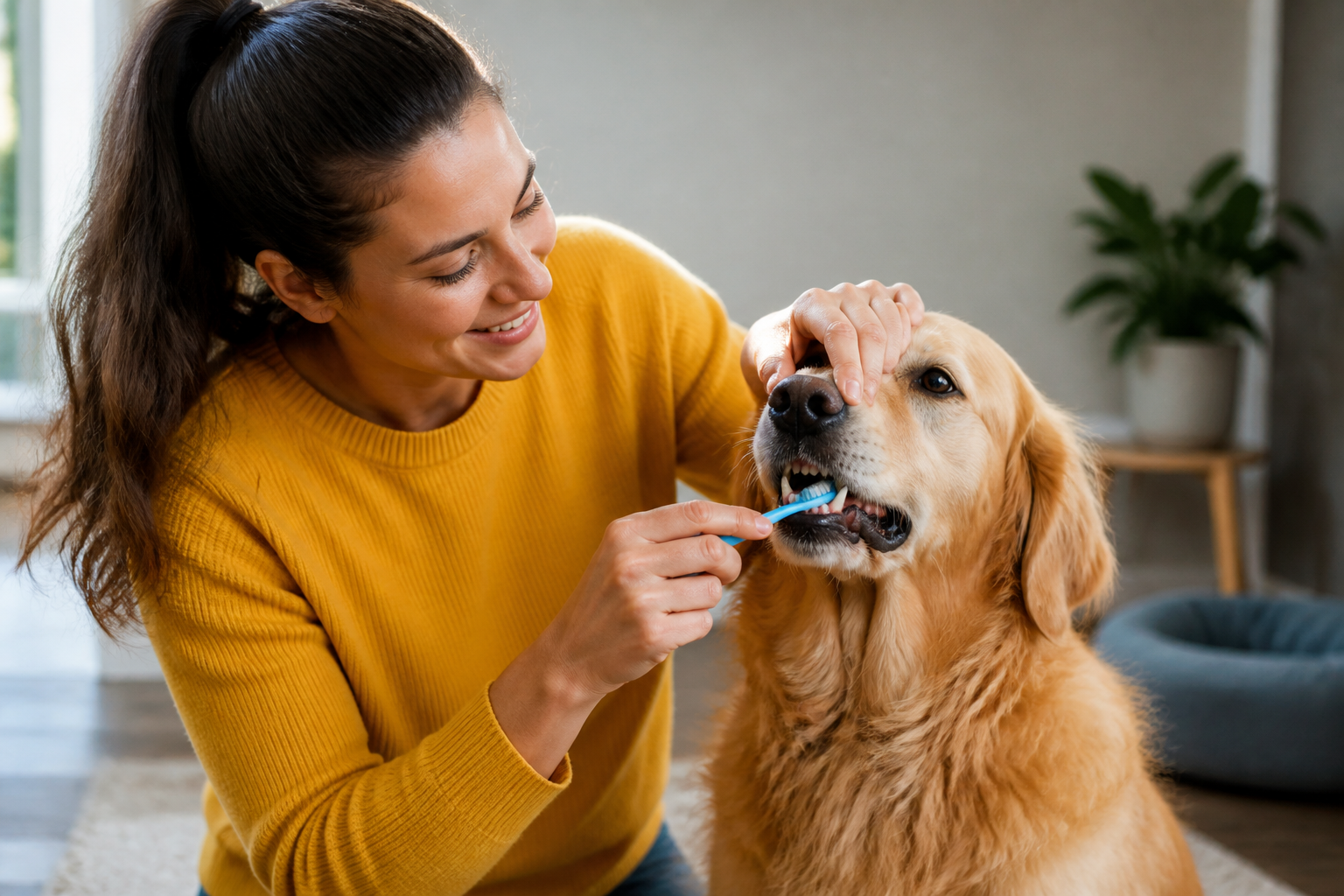
If you can only manage to brush three times a week, that is still significantly better than not brushing at all. However, a daily routine is the only way to truly stay ahead of tartar buildup. When you brush daily, you are mechanically disrupting the bacteria before it can damage the gums. We recommend making it a part of your evening wind-down routine so it becomes a habit for both you and your pet. A Virbac C.E.T. Pet Oral Hygiene Kit for Dogs and Cats can help you get started with a finger brush, toothbrush, and pet toothpaste.
Quick Answer: You should ideally brush your dog's teeth every day at home to prevent plaque from hardening into tartar. Professional veterinary cleanings are typically recommended once a year, though smaller breeds or dogs with existing dental issues may need them every six months.
Determining Professional Cleaning Frequency
While home care is essential, it cannot replace a professional cleaning performed by a veterinarian. Even the most cooperative dog has nooks and crannies in their mouth that a toothbrush simply cannot reach. Most veterinarians recommend a professional dental exam and cleaning once per year. This is often scheduled alongside an annual wellness visit.
However, a "one size fits all" approach does not work for every dog. Several factors influence how often your specific dog needs to sit in the dental chair. These include their age, their breed, and how well you have been able to keep up with brushing at home. Your vet will look for signs of gingivitis or receding gums to decide if your dog needs to come in more frequently than the standard annual visit. For additional guidance, read our tips for recognizing signs of dental problems in dogs.
Key Takeaway: Annual professional cleanings are the baseline, but the specific interval depends on your dog's breed, age, and the effectiveness of your home care routine.
Why Breed and Size Change the Schedule
Small and toy breeds are notorious for dental problems. If you own a Yorkie, a Chihuahua, or a Pug, you might find that an annual cleaning is not enough. These smaller dogs often have the same number of teeth as a large dog but in a much smaller mouth. This leads to overcrowding, which creates perfect hiding spots for food particles and bacteria.
Small breeds also tend to have shallower tooth roots. This means that even a little bit of gum disease can quickly lead to loose or lost teeth. Because of these factors, many vets recommend that small dogs have their teeth professionally cleaned every six to nine months. Larger dogs with plenty of space between their teeth may be able to go a full year or slightly longer if their owners are diligent with daily brushing. Choosing an appropriately sized option from our dog dental care collection can support your routine.
Breeds Prone to Frequent Dental Issues
- Yorkshire Terriers
- Chihuahuas
- Pomeranians
- French Bulldogs
- Dachshunds
- Cavalier King Charles Spaniels
The Role of Age in Dental Care
Your dog's age is a major factor in how often they need dental attention. Puppies usually do not need professional cleanings because they lose their baby teeth fairly early. However, this is the perfect time to start home brushing to get them used to the sensation. By the time a dog reaches two or three years old, most will show some signs of periodontal disease. Our puppy supplies can help you introduce healthy routines early.
As dogs enter their senior years, their immune systems change and the wear and tear on their teeth becomes more evident. Senior dogs, typically those over seven years old, may need more frequent dental checkups. It is a common myth that senior dogs are "too old" for dental cleanings. In fact, keeping a senior dog's mouth healthy is vital for protecting their heart and kidneys from the bacteria associated with gum disease.
Vet Tip: Always consult your veterinarian before scheduling a dental procedure for a senior dog. They will perform blood work to ensure your pet is healthy enough for the anesthesia required for a thorough cleaning.
Warning Signs That You Need an Immediate Cleaning
You should not always wait for your annual appointment if you notice changes in your dog's mouth. Dental pain can be subtle. Dogs are experts at hiding discomfort, so they may continue to eat even if they have a painful abscess or a fractured tooth. If you notice any of the following signs, it is time to call the vet.
Persistent bad breath is the most common indicator that bacteria are out of control. You should also look for physical changes. Red, swollen, or bleeding gums are clear signs of gingivitis. If you see yellow or brown crust along the gumline, that is tartar that needs professional scaling. Behavioral changes are also important. If your dog suddenly stops playing with their favorite chew toys or starts dropping food while eating, they are likely experiencing oral pain. You can explore our dog dental care products for at-home maintenance while arranging veterinary care.
Symptoms of Dental Disease
- Foul breath that does not go away
- Visible brown or yellow tartar on teeth
- Red or bleeding gums
- Loose or missing teeth
- Pawing at the mouth
- Difficulty chewing or dropping kibble
- Excessive drooling
The Truth About Anesthesia-Free Cleanings
You may see advertisements for "anesthesia-free" dental cleanings at local grooming shops or pet boutiques. While these might seem like a safer or cheaper alternative, they are generally not recommended by veterinary experts. These services are mostly cosmetic. They involve scraping visible tartar off the surface of the tooth while the dog is awake.
The problem is that the most dangerous bacteria live under the gumline. You cannot safely or effectively scale under a dog's gums while they are awake. It is also impossible to take dental X-rays or perform a full exam of the back molars. Anesthesia-free cleanings give owners a false sense of security while the actual disease continues to progress where it cannot be seen. For more education about routine care, see our top pet dental care tips.
Bottom line: True dental health happens under the gumline, and that requires a professional veterinary cleaning under anesthesia.
Supporting Oral Health Between Cleanings
There are many ways to support your dog's dental health that go beyond the toothbrush. At BaxterBoo, we carry a wide variety of tools to help you keep your dog's mouth clean between those professional visits. Dental chews are a popular option. These are designed with a specific texture that helps scrub the teeth as the dog chews. Greenies Original Dental Dog Chews are one option for dogs that enjoy a daily chew.
You can also look into dental toys. Rubber toys with ridges or nubs can help massage the gums and scrape away soft plaque. Some owners find success with water additives or dental wipes. While these are not as effective as brushing, they are helpful additions to a multi-pronged approach to oral hygiene. Our dog dental chews and treats offer additional options between brushings.
Effective Home Care Tools
- Dog-specific toothbrushes (finger brushes or long-handled)
- Enzymatic dog toothpaste (never use human toothpaste)
- VOHC-approved dental chews
- Textured rubber chew toys
- Dental wipes for dogs who won't tolerate brushing
Diet and Prescription Dental Support
What your dog eats can also play a role in how often they need their teeth cleaned. There is a common belief that dry kibble cleans teeth better than wet food. While the crunch of kibble provides a tiny bit of scraping action, it is rarely enough to prevent tartar. Think of it like eating crackers; the crumbs often get stuck in the teeth rather than cleaning them.
For dogs with severe or chronic dental issues, your veterinarian might recommend a prescription dental diet. These specialized foods have a specific fiber matrix that does not crumble immediately. Instead, the tooth sinks into the kibble, which scrubs the surface. Our pet pharmacy carries a variety of prescription pet foods and medications through our partnership with Pet's Choice. If your vet prescribes a specific dental diet or an oral antibiotic for an infection, you can easily fulfill those needs through our pharmacy services.
Step 1: Consult your vet. / Discuss if a prescription dental diet is right for your dog's specific oral health needs.
Step 2: Get a prescription. / Ask your veterinarian to provide a prescription for the specialized food or medication.
Step 3: Order through the pharmacy. / Use the BaxterBoo pharmacy partnership to have the food or medicine delivered to your door.
How a Professional Cleaning Works
Understanding what happens during a veterinary cleaning can help ease any anxiety you might have about the procedure. It is much more involved than a simple "teeth cleaning." It is officially called a COHAT, which stands for Comprehensive Oral Assessment and Treatment.
First, the vet will perform blood work to make sure your dog can safely handle anesthesia. Once your dog is under, the vet or a licensed technician will use an ultrasonic scaler to remove tartar from every surface of the tooth. They pay special attention to the area under the gumline. After scaling, they polish the teeth to smooth out any microscopic scratches. Finally, they often take X-rays to look for bone loss or infected roots that are hidden from view.
Key Takeaway: A professional cleaning is a medical procedure that involves scaling, polishing, and diagnostics to ensure the entire mouth is healthy, not just the visible parts of the teeth.
Training Your Dog to Accept Brushing
If your dog currently hates having their mouth touched, you may feel like daily brushing is impossible. However, most dogs can be trained to accept it with patience and positive reinforcement. The goal is to make it a rewarding experience rather than a struggle.
Start by letting your dog lick some enzymatic toothpaste off your finger. These pastes usually come in flavors like poultry or beef, which dogs find delicious. Once they like the taste, start rubbing your finger along their gums. Slowly introduce a finger brush or a standard dog toothbrush over several days. Always follow a brushing session with a high-value treat or a favorite game. This creates a positive association that makes the daily routine much easier. A Petsmile Professional Toothbrush is designed for use with dogs and cats.
Common Mistakes in Dog Dental Care
One of the biggest mistakes owners make is using human toothpaste. Human toothpaste contains ingredients like xylitol and fluoride. Xylitol is extremely toxic to dogs, and fluoride can be harmful if swallowed. Since dogs cannot rinse and spit, you must use a toothpaste specifically formulated for pets. For a pet-safe option, consider Virbac C.E.T. Enzymatic Pet Toothpaste.
Another mistake is waiting too long to start. Many owners wait until they see heavy tartar or smell bad breath before they begin a dental routine. By that point, the dog may already have sensitive gums or painful teeth. This makes them more likely to resist brushing. Starting early, even when the teeth look perfect, is the best way to ensure long-term success.
Vet Tip: If you notice your dog's gums are bleeding during brushing, stop and consult your vet. This can be a sign of advanced gingivitis that requires professional treatment before you can continue a home routine.
The Financial Benefit of Regular Cleaning
It might seem expensive to pay for an annual professional cleaning, but it is a significant cost saver in the long run. Preventive care is almost always cheaper than emergency surgery. When dental disease is ignored, it leads to extractions. Pulling a tooth involves oral surgery, anesthesia time, and often pain medication or antibiotics.
A dog that gets regular cleanings is less likely to need these expensive extractions. Furthermore, oral health is linked to the health of the heart, liver, and kidneys. By investing in your dog's teeth, you are potentially avoiding the high costs of treating systemic organ failure later in their life.
Conclusion
Keeping your dog's teeth clean is a lifelong commitment that requires both daily effort and professional expertise. While you should aim to brush your dog's teeth every day at home, you must also partner with your veterinarian for annual professional cleanings. Small breeds and seniors may need even more frequent attention to stay healthy. By staying proactive, you can prevent pain, save money on surgery, and enjoy many more years of fresh-smelling cuddles. If your vet suggests a specific oral health plan, our pharmacy through Pet's Choice is here to help with prescription diets and medications. You can also earn rewards on your dental supplies through our MVP Rewards program or set up our Autoship programme for your favorite dental chews.
FAQ
Can I use a human toothbrush on my dog?
Yes, you can use a human toothbrush if it has soft bristles, but a brush designed for dogs is usually better. Dog toothbrushes are angled to reach the back molars more easily, and finger brushes can provide better control for wiggly pets. Always ensure the size of the brush head is appropriate for your dog's mouth.
My dog’s breath is terrible but his teeth look white. Does he still need a cleaning?
Yes, bad breath can occur even if the visible parts of the teeth look clean. Bacteria often hide under the gumline or in the back of the mouth where they are hard to see. Foul breath can also be a sign of other health issues, so a veterinary exam is the best way to find the cause.
What are the best dental chews for dogs?
The best dental chews are those that have been awarded the VOHC (Veterinary Oral Health Council) Seal of Acceptance. This seal means the product has been scientifically tested and proven to reduce plaque or tartar. Brands like Greenies and some specialized treats are excellent options for daily maintenance between brushings.
Is anesthesia really necessary for a dog dental cleaning?
Anesthesia is necessary because it allows the veterinarian to perform a thorough and painless cleaning under the gumline. It also allows for the use of sharp instruments and water sprayers without the risk of the dog moving and getting injured. Most importantly, it is the only way to take accurate dental X-rays to check for hidden bone loss or infection.






