
 Save 15% on your 1st Autoship learn more

 Email us
 Live Chat
 FAQs
FAQs





Introduction
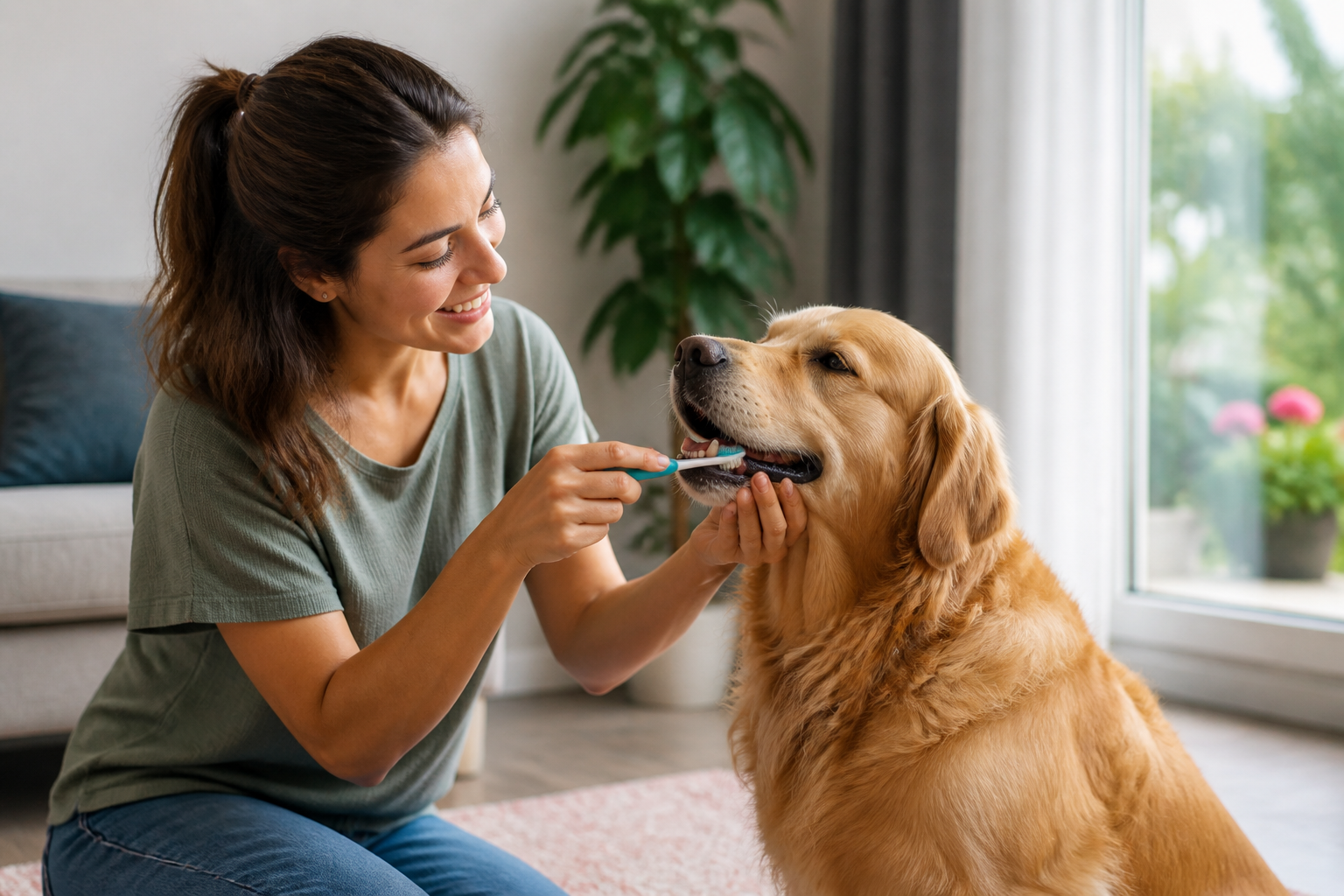
You lean in for a happy morning nuzzle, but your dog's breath tells a different story. That sharp, funky odor is more than just a minor nuisance. It is often the first sign that bacteria are taking up residence in your pet's mouth. At BaxterBoo, we know that dental hygiene is one of the most overlooked aspects of pet care. Many owners wonder how often they should really be scrubbing those canines or if dental chews are enough. This post covers the ideal frequency for at-home brushing and the necessity of professional veterinary cleanings. You will also learn the signs of dental distress and how to choose the right tools for the job. Establishing a consistent routine now can prevent painful infections and expensive surgeries later in your dog’s life.
Quick Answer: You should brush your dog's teeth every day to prevent plaque from hardening into tartar. At a minimum, aim for three times per week. Most dogs also require a professional veterinary cleaning once per year to address buildup below the gumline.
The Reality of Canine Dental Health
Dental disease is the most common health issue seen by veterinarians today. By age three, nearly 80 percent of dogs show some sign of periodontal disease. This condition starts with plaque, which is a sticky film of bacteria that forms on the teeth after eating. If it is not brushed away, plaque reacts with minerals in the saliva. It hardens into tartar, also known as calculus, in as little as 36 to 72 hours.
Once tartar forms, you cannot remove it with a toothbrush at home. It requires professional scaling. If left alone, this buildup moves under the gumline. It causes inflammation, destroys the bone supporting the teeth, and leads to tooth loss. Even worse, the bacteria can enter the bloodstream. This puts your dog at risk for damage to the heart, liver, and kidneys.
How Often to Clean Teeth at Home
The gold standard for dog dental care is daily brushing. Just like humans, dogs grow a new layer of plaque every single day. If you can make brushing a part of your nightly routine, you are doing the best possible thing for your pet. We understand that life gets busy. If daily is impossible, aim for at least three times per week.
Brushing once a week is better than nothing, but it is not enough to stop tartar. Because plaque hardens so quickly, a weekly session allows tartar to gain a foothold. Consistency is the key to preventing "dog breath" and keeping gums pink and healthy.
Preparing for the Routine
Step 1: Choose a quiet time when your dog is relaxed and tired.
Step 2: Let your dog lick a small amount of dog-specific toothpaste off your finger.
Step 3: Gently lift the lip and rub your finger over the teeth and gums.
Step 4: Introduce a finger brush or a soft-bristled dog toothbrush.
Step 5: Focus on the outside surfaces where the most buildup occurs.
Key Takeaway: Daily brushing is the only way to fully stop plaque from becoming permanent tartar. If your schedule is tight, never let more than two days pass without a cleaning session.
Why Professional Cleanings are Essential
Even the most diligent owner cannot reach every nook and cranny in a dog's mouth. A professional cleaning, often called a COHAT (Comprehensive Oral Assessment and Treatment), is vital. Most veterinarians recommend this procedure once a year. During a professional cleaning, your dog is placed under general anesthesia.
This allows the vet to clean deep under the gumline where the most dangerous bacteria hide. They also take X-rays to look for hidden problems like root abscesses or bone loss. Without anesthesia, a vet cannot safely perform these deep-cleaning steps or get a clear look at the back of the mouth.
Vet Tip: If your veterinarian finds signs of infection during a dental exam, they may prescribe antibiotics or a special diet. Our pet pharmacy carries prescription medications and veterinary products. Always consult your vet before starting a medical treatment plan.
Factors that Change the Frequency
Not every dog has the same dental needs. Several factors might mean your dog needs more frequent attention than the average pet.
Breed and Size
Small breeds like Yorkies, Chihuahuas, and Pugs are notorious for dental issues. They often have the same number of teeth as large dogs but in a much smaller mouth. This crowding creates tiny gaps where food and bacteria get trapped easily. These dogs may need professional cleanings every six to nine months. Flat-faced breeds also have misaligned jaws that prevent the teeth from "self-cleaning" through chewing.
Age and Diet
Senior dogs are more prone to gum recession and tooth decay. Their immune systems may also be less effective at fighting off oral bacteria. If your dog eats primarily wet food, they miss out on the mild abrasive action of crunchy kibble. These pets often need more frequent brushing to compensate for the lack of mechanical cleaning during meals.
Specific Dental Concerns
- Retained baby teeth: If puppy teeth do not fall out, they crowd adult teeth and trap plaque.
- Malocclusion: Misaligned teeth can rub against gums or other teeth, causing sores and buildup.
- Strong chewers: Dogs that chew on hard objects may fracture teeth, leading to hidden infections.
If your dog is still teething, our guide to when dogs lose their puppy teeth can help you understand what to watch for.
Essential Tools for the Job
You should never use human toothpaste for your dog. It often contains xylitol, which is toxic to pets. It also contains foaming agents that are meant to be spit out, not swallowed. Dog toothpaste comes in flavors like poultry, beef, or peanut butter to make the experience enjoyable.
For brushes, you have options. A finger brush is great for beginners because it gives you more control. As your dog gets used to the feeling, you can transition to a long-handled brush with soft bristles. This helps you reach the molars in the back of the mouth.
- Dog-safe toothpaste (Poultry or Beef flavored)
- Finger brushes for puppies or beginners
- Dual-headed toothbrushes for large breeds
- Dental wipes for dogs that resist brushing
You can find toothpaste, toothbrushes, wipes, and other supplies in our dog dental care collection.
Bottom line: Using the right tools makes the job safer for your pet and easier for you.
Supplements and Dental Treats
Dental treats and toys are excellent supplements to brushing, but they are not a replacement. Products like Greenies or dental-focused Kong toys work by using mechanical abrasion. As the dog chews, the texture of the treat scrapes against the tooth surface.
You can browse our selection of Greenies products when looking for dental treats and other dog products from the brand.
Some water additives and gels can also help. These products often contain enzymes that break down the biofilm of plaque. While these are helpful, they cannot reach the plaque tucked under the gum tissue. Think of these as the "mouthwash" of the dog world. They help freshen breath and slow down buildup, but the physical scrubbing of a brush is still the most important step.
For additional options, explore our dental supplements for powders, water additives, and other oral-care products.
Signs Your Dog Needs an Immediate Vet Visit
Sometimes, "waiting for the annual exam" is not the right choice. If you notice any of the following symptoms, your dog might be in pain. Dogs are experts at hiding discomfort, so you must be observant.
- Persistent bad breath: While "dog breath" is common, an overwhelming or rotting smell indicates infection.
- Bleeding gums: You might see blood on a chew toy or in the water bowl.
- Difficulty eating: If your dog drops food or only chews on one side, they likely have a painful tooth.
- Pawing at the mouth: This is a clear sign of localized pain or something stuck between teeth.
- Discolored teeth: Yellow or brown crust near the gumline is a sign of advanced tartar.
For more guidance on recognizing oral discomfort, read the warning signs of bad teeth in dogs.
Key Takeaway: If your dog stops eating hard kibble or seems irritable when you touch their face, schedule a vet visit immediately. Hidden dental pain can significantly lower a dog's quality of life.
How to Start a Brushing Routine
If you have an older dog who has never had their teeth brushed, do not panic. You can still start today. The goal is to make it a positive experience, not a battle. Start by simply letting them lick the toothpaste. Reward them with praise and a small treat afterward.
Slowly work up to touching their teeth with your finger, then a brush. It might take several weeks before you can do a full cleaning. If your dog becomes stressed, stop and try again the next day. The process should only take about two minutes once you are both comfortable.
For more step-by-step ideas, review these pet dental care tips.
The Cost of Neglect
Proactive dental care might seem like a chore, but the alternative is much worse. A professional cleaning for a dog with healthy teeth is straightforward and safe. However, if you wait until the dog has advanced periodontal disease, the procedure becomes complex.
It may involve multiple tooth extractions, deep tissue surgery, and long courses of medication. These advanced procedures can cost five to ten times more than a routine cleaning. More importantly, chronic oral inflammation puts a constant strain on your dog's immune system. Keeping the mouth clean is one of the best ways to ensure a long, healthy life for your best friend.
Choosing the Right Dental Support
At BaxterBoo, we carry a wide variety of dental care products to help you maintain your pet's smile. From enzyme-powered toothpastes to durable chew toys from brands like Kong and Greenies, we handpick items that are effective and safe. If your veterinarian recommends a specific oral care regimen, we are here to help you stay consistent.
You can also explore our selection of KONG products for durable dental toys and other enrichment options.
Our Autoship programme is a great way to make sure you never run out of toothpaste or dental treats. You can save on your first order and earn rewards through the MVP Rewards programme. Taking care of your dog's teeth is a daily commitment, and we want to make that commitment as easy as possible for you.
Conclusion
Cleaning your dog's teeth is a fundamental part of responsible pet ownership. While daily brushing is the ideal frequency, staying consistent with at least three sessions a week will make a massive difference. Combine this at-home effort with an annual professional exam and cleaning to catch issues before they become emergencies.
- Brush daily or at least three times per week.
- Use only dog-specific toothpaste and soft brushes.
- Schedule an annual veterinary dental exam.
- Watch for signs of pain or infection like bleeding or foul odors.
Bottom line: A healthy mouth leads to a healthy heart and a happier dog.
For all your dental care needs, explore our full collection of dog dental supplies. If your vet has prescribed a specific dental diet or medication, visit our dog pharmacy to see how we can support your pet's health.
FAQ
Can I use baking soda to clean my dog's teeth?
It is best to avoid using baking soda regularly. While it can help scrub away stains, it has a high alkaline content that can upset a dog’s stomach if swallowed in large amounts. Additionally, most dogs dislike the taste, which can make them resist the brushing routine. Stick to flavored dog toothpastes that are formulated to be safely swallowed and enjoyed by your pet.
Do dental chews really work as well as brushing?
Dental chews are a helpful supplement, but they are not as effective as manual brushing. Chews mostly clean the tips of the teeth and the chewing surfaces. They often miss the area where the tooth meets the gumline, which is where periodontal disease starts. Brushing allows you to target the gumline and the front teeth that dogs rarely use for heavy chewing.
Why does my dog's breath still smell after brushing?
If your dog's breath remains foul after a thorough cleaning, there may be an underlying issue. This can include deep-seated infections, rotting teeth, or even internal health problems like kidney disease. You should schedule a visit with your veterinarian for a full oral exam. They can determine if the smell is coming from the teeth or if a more serious systemic issue is present.
At what age should I start cleaning my dog's teeth?
You should start a dental routine as soon as you bring your puppy home. Even though puppies lose their baby teeth, starting early gets them used to the sensation of having their mouth handled. This makes the process much easier when their permanent adult teeth come in around six months of age. Training a puppy to accept brushing is far easier than trying to start the habit with a resistant adult dog.






