
 Save 15% on your 1st Autoship learn more

 Email us
 Live Chat
 FAQs
FAQs





Introduction
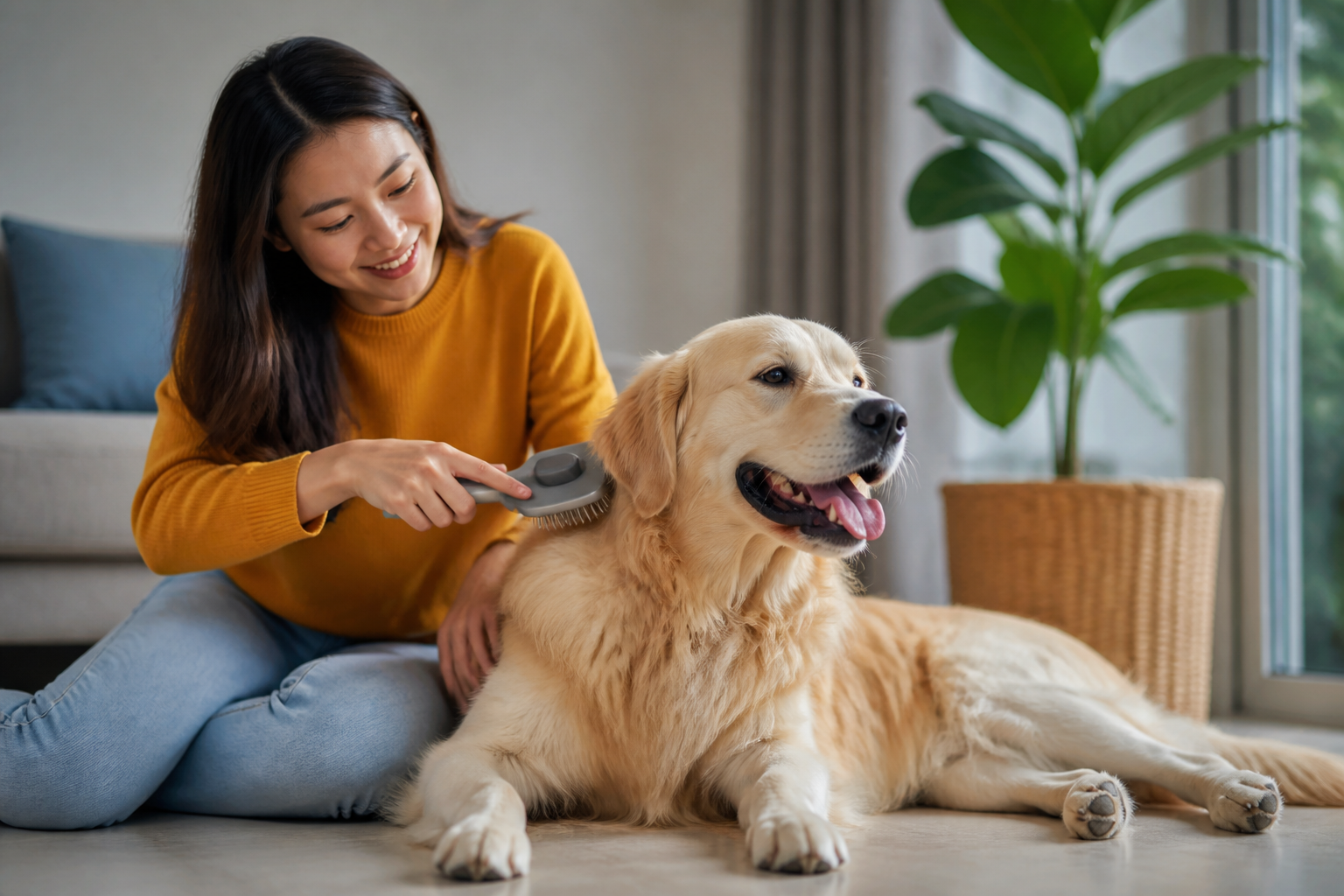
You finally settle onto the couch after a long day, only to realize your favorite black sweater is now covered in a fine layer of gold fur. Or perhaps you reach down to scratch your dog behind the ears and feel a hard, painful knot of hair that was not there yesterday. These moments are common for every pet owner, but they often lead to the same question: how often should I actually be doing this? At BaxterBoo, we have spent nearly two decades helping pet owners navigate the daily realities of grooming and coat care.
The answer to how frequently you should brush your dog is not universal. It depends on their specific breed, the texture of their fur, and even the time of year. While some dogs thrive with a quick weekly session, others require daily attention to stay comfortable and healthy. This guide examines the unique needs of different coat types and provides a practical schedule to keep your dog feeling their best. Regular brushing is the foundation of good hygiene and a primary way to monitor your dog for skin issues or pests.
Quick Answer: Most dogs require brushing at least once a week to remove loose fur and distribute natural skin oils. Dogs with long hair, curly coats, or thick undercoats often need daily brushing to prevent painful mats and tangles from forming near the skin.
The General Rule for All Dog Coats
Regardless of the breed, every dog benefits from a baseline of weekly brushing. This routine does more than just reduce the amount of hair on your furniture. Brushing acts as a massage that stimulates blood flow to the skin and distributes natural oils throughout the fur. These oils are essential for a shiny, water-resistant coat and healthy skin.
Even for dogs that do not seem to shed much, weekly sessions allow you to check for unusual lumps, bumps, or skin irritations. It is also the best time to look for hitchhikers like fleas or ticks. If you establish a consistent schedule, your dog will likely come to enjoy the one-on-one attention. We recommend starting this habit as early as possible so your dog views the brush as a source of comfort rather than a scary tool.
Smooth and Short-Coated Dogs
Dogs with smooth, short coats like Boxers, Beagles, and Great Danes are often considered low maintenance. However, they still shed their old hair and produce dander. For these breeds, brushing once a week is usually sufficient.
The goal for a smooth-coated dog is to remove the "dead" hair before it falls off and to keep the skin healthy. Because their fur is so close to the skin, you must be careful not to use sharp or harsh tools. A rubber curry brush or a soft bristle brush is usually the best choice. These tools gently pull away loose fur while providing a soothing sensation.
If your short-haired dog is a heavy shedder, such as a Labrador Retriever, you might want to increase this to two or three times a week during the peak of spring and fall. Even though their hair is short, the volume of fur they lose can be surprising. Regular sessions during these times will significantly cut down on the cleanup needed in your home.
Key Takeaway: Smooth coats need weekly attention with soft tools like rubber curry brushes to manage dander and light shedding.
Understanding the Double Coat
Many popular breeds, including German Shepherds, Huskies, and Golden Retrievers, possess a double coat. This consists of a harsh outer layer of guard hairs and a soft, dense undercoat. The undercoat acts as insulation, keeping the dog warm in winter and cool in summer. This complexity means these dogs require more frequent brushing than smooth-coated breeds.
For a double-coated dog, we recommend brushing two to three times a week. During "blowing coat" season, which happens twice a year when the seasons change, you will likely need to brush them every single day. If the dead undercoat is not removed, it can become trapped under the top layer of fur. This leads to heavy shedding and can eventually cause the fur to felt or mat close to the skin. For more guidance on seasonal shedding and double coats, read about how dogs manage seasonal shedding.
Essential Steps for Double Coats
Step 1: Use an undercoat rake. / Gently pull the rake through the fur to reach the dense layer underneath the topcoat.
Step 2: Follow with a slicker brush. / This helps catch any remaining loose hairs and smooths the outer guard hairs for a polished look.
Vet Tip: If your double-coated dog develops thick mats that reach the skin, do not try to cut them out with scissors. It is very easy to accidentally nick a dog's thin skin. Instead, use a specialized de-matting tool or consult a professional groomer.
Long and Silky Coats
Breeds like Yorkies, Maltese, and Afghan Hounds have hair that is very similar to human hair. It grows continuously and does not have a heavy undercoat, but it tangles incredibly easily. For these dogs, daily brushing is almost always a requirement.
If you skip even a few days, small tangles can quickly turn into tight mats. These mats are not just an aesthetic issue. They pull on the skin every time the dog moves, which can be quite painful. Areas that experience a lot of friction, such as behind the ears, under the armpits, and where the collar sits, are particularly prone to matting.
When brushing a silky coat, it is often helpful to use a light conditioning spray. This provides a bit of "slip" to the hair, making it easier to work through tangles without breaking the hair shafts. A pin brush is usually the preferred tool here, as it can reach through the length of the hair without snagging.
Curly and Wool Coats
Poodles, Bichon Frises, and the many "Doodle" varieties have curly or wool-like coats that require the most intensive grooming schedules. Because these dogs shed very little into the environment, the dead hair stays trapped within the curls. This makes daily brushing mandatory.
If a curly coat is not brushed all the way down to the skin every day, the trapped hair will weave itself into the surrounding fur. This creates a solid layer of felted hair against the skin. This condition, known as being "pelted," prevents air from reaching the skin and can lead to severe sores and infections.
Many owners of these breeds choose to keep the hair clipped short to make the daily maintenance easier. Even with a short clip, you should still run a slicker brush over their body a few times a week to keep the curls from clumping together. For additional guidance, see this guide on grooming dogs with curly hair.
Wire-Haired and Rough Coats
Terriers and Schnauzers often have wire-haired coats. These coats feel rough to the touch and are designed to protect the dog from brush and brambles. Wire hair does not shed in the traditional sense. Instead, the hair grows to a certain length, dies, and remains in the follicle.
To keep a wire coat healthy, you should brush it two to three times a week. This helps remove some of the dead hair and keeps the coat from looking shaggy or dull. Many owners of wire-haired dogs also practice "hand-stripping," which involves manually pulling out the dead hairs to allow new, vibrant wire hair to grow in. If you do not hand-strip, the coat may eventually become softer and lose its characteristic texture.
Seasonal Factors and Lifestyle
Your dog's environment and activity level will also dictate how often the brush needs to come out. A dog that spends most of its time hiking through tall grass and muddy trails will need more frequent attention than a dog that primarily stays indoors.
Environmental Impact
- Outdoor Adventures: If your dog runs through woods or fields, you should do a quick "brush-over" after every walk. This allows you to remove burrs, twigs, and even unwanted insects before they get buried in the fur.
- Winter Weather: Indoor heating can dry out a dog's skin, leading to more dander and a more brittle coat. You might find you need to brush more often in winter to help distribute skin oils and combat dryness.
- Summer Swimming: If your dog loves the water, remember that wet fur mats much faster than dry fur. Always brush your dog thoroughly before they get wet, and again once they are completely dry.
Bottom line: Your dog's schedule should be flexible enough to accommodate changes in the weather and their daily activities.
Choosing the Right Tools for Success
Using the wrong brush is one of the most common reasons pet owners give up on a grooming routine. If the tool is uncomfortable for the dog or ineffective for the coat type, the process becomes a chore for everyone involved. We carry over 500 trusted brands at BaxterBoo, and we have seen how the right equipment can change the entire experience. Start by exploring our dog brushes and combs.
- Slicker Brushes: These have fine, wire bristles and are great for removing mats and loose hair from medium to long-coated dogs.
- Bristle Brushes: Best for smooth-coated dogs or as a finishing tool for longer coats to add shine.
- Pin Brushes: Ideal for long, silky hair as they are gentle and prevent breakage.
- Rubber Curry Brushes: Perfect for short-haired breeds and for use during baths to scrub the skin.
- Undercoat Rakes: Essential for double-coated breeds to reach the deep layers of fur.
For medium- and long-coated dogs, the Master Grooming Tools Ergonomic Slicker Dog and Cat Brush is designed for brush-outs and mat removal.
When you invest in quality grooming gear, you can earn rewards through our MVP Rewards program, which gives you up to 5% back on your purchases. Keeping a variety of tools on hand ensures you are prepared for everything from seasonal shedding to unexpected tangles.
Brushing for Health and Wellness
Brushing is more than just a beauty routine. It is a vital part of preventative health care. By getting your hands on your dog every few days, you become the first line of defense against health issues.
While you brush, look for signs of skin irritation, such as redness, flaking, or small bumps. If you notice your dog is particularly itchy or has developed a dull coat, it might be time to look at their nutrition. High-quality foods from brands like Farmina, Orijen, or Open Farm can support skin health from the inside out. For dogs with chronic skin conditions or allergies, our pharmacy offers FDA-approved medications and prescription diets through our partnership with Pet's Choice.
If you find a lump that was not there before, or if your dog seems to be in pain when you brush a specific area, please schedule a visit with your veterinarian. Early detection of skin growths or infections is key to successful treatment.
Vet Tip: Always check the "hidden" areas during your brushing sessions, such as between the toes and inside the "armpits." These are common spots for ticks to hide and for mats to cause painful skin chafing.
Making Brushing a Positive Habit
If your dog hides the moment they see the brush, the frequency of your sessions will naturally start to slip. The goal is to make grooming a time of relaxation. For dogs that are nervous about being handled, start with very short sessions. Spend just thirty seconds brushing a "safe" area like the back, and follow it up immediately with a high-value treat from brands like Stella and Chewy's or Real Meat Co.
Gradually increase the duration as your dog becomes more comfortable. You can also use calming aids or lick mats to keep them occupied while you work through more difficult areas. If you find yourself running low on grooming supplies or treats, our Autoship program is a great way to ensure you never skip a session. It offers savings on your first order and a free MVP Gold membership, making it easier to keep your grooming kit fully stocked.
Professional Grooming vs. Home Care
Even with a dedicated home brushing routine, most dogs benefit from professional grooming every six to eight weeks. A professional has the tools and expertise to handle deep undercoat removal, sanitary trims, and nail care.
However, professional grooming is not a substitute for home brushing. If a dog is only brushed once every two months at the groomer, they are likely to arrive with painful mats that may require the coat to be shaved off. Think of your home brushing as the daily maintenance that makes the professional's job easier and keeps your dog comfortable in between visits.
| Coat Type | Recommended Frequency | Primary Tool |
|---|---|---|
| Smooth (Boxer, Beagle) | 1x Weekly | Rubber Curry Brush |
| Short Double (Labrador) | 2-3x Weekly | Slicker Brush / Rake |
| Heavy Double (Husky, GSD) | 3x Weekly to Daily | Undercoat Rake |
| Silky (Yorkie, Maltese) | Daily | Pin Brush |
| Curly (Poodle, Doodle) | Daily | Slicker Brush & Comb |
| Wire (Terrier) | 2-3x Weekly | Metal Comb / Slicker |
Conclusion
The time you spend brushing your dog is an investment in their comfort and your bond. While smooth-coated dogs only need a few minutes once a week, breeds with more complex coats require a daily commitment to stay mat-free. By matching your tools to your dog's specific coat type and staying consistent, you can significantly reduce shedding and keep their skin healthy.
- Establish a weekly baseline for all breeds to check for health issues.
- Increase frequency during seasonal shedding or after outdoor activities.
- Use the correct tools to prevent skin irritation and hair breakage.
- Monitor skin and coat quality as an indicator of overall wellness.
If you are ready to upgrade your grooming routine, explore our full dog grooming collection. Keeping your dog looking and feeling great is easier when you have the right supplies delivered right to your door.
FAQ
Can I brush my dog too much?
It is possible to over-brush if you use tools that are too harsh or if you apply too much pressure, which can lead to "brush burn" or skin irritation. Always use the appropriate brush for your dog's coat type and keep the sessions gentle. If the skin looks red or your dog flinches, you should reduce the pressure and the frequency of your sessions.
Should I brush my dog before or after a bath?
You should always brush your dog before a bath, especially if they have medium to long hair. Water acts like glue for mats and tangles, making them much tighter and harder to remove once they get wet. Brushing beforehand ensures that the shampoo can reach the skin and that the hair is easier to manage once it is dry.
What should I do if my dog has a mat I cannot brush out?
If you encounter a mat that is too tight to brush out, do not pull on it, as this is very painful for the dog. You can try using a specialized de-matting spray or tool to gently break up the fibers. If the mat is tight against the skin, it is safest to have a professional groomer or veterinarian remove it with electric clippers to avoid cutting the skin.
Does frequent brushing help with my own allergies?
Yes, regular brushing can significantly reduce the amount of dander and loose fur in your home, which are the primary triggers for many people with pet allergies. Brushing your dog outdoors can help keep the allergens out of your living space. Additionally, regular brushing helps distribute oils that keep the skin from becoming dry and flaky, further reducing dander production.






