
 Save 15% on your 1st Autoship learn more

 Email us
 Live Chat
 FAQs
FAQs





Introduction
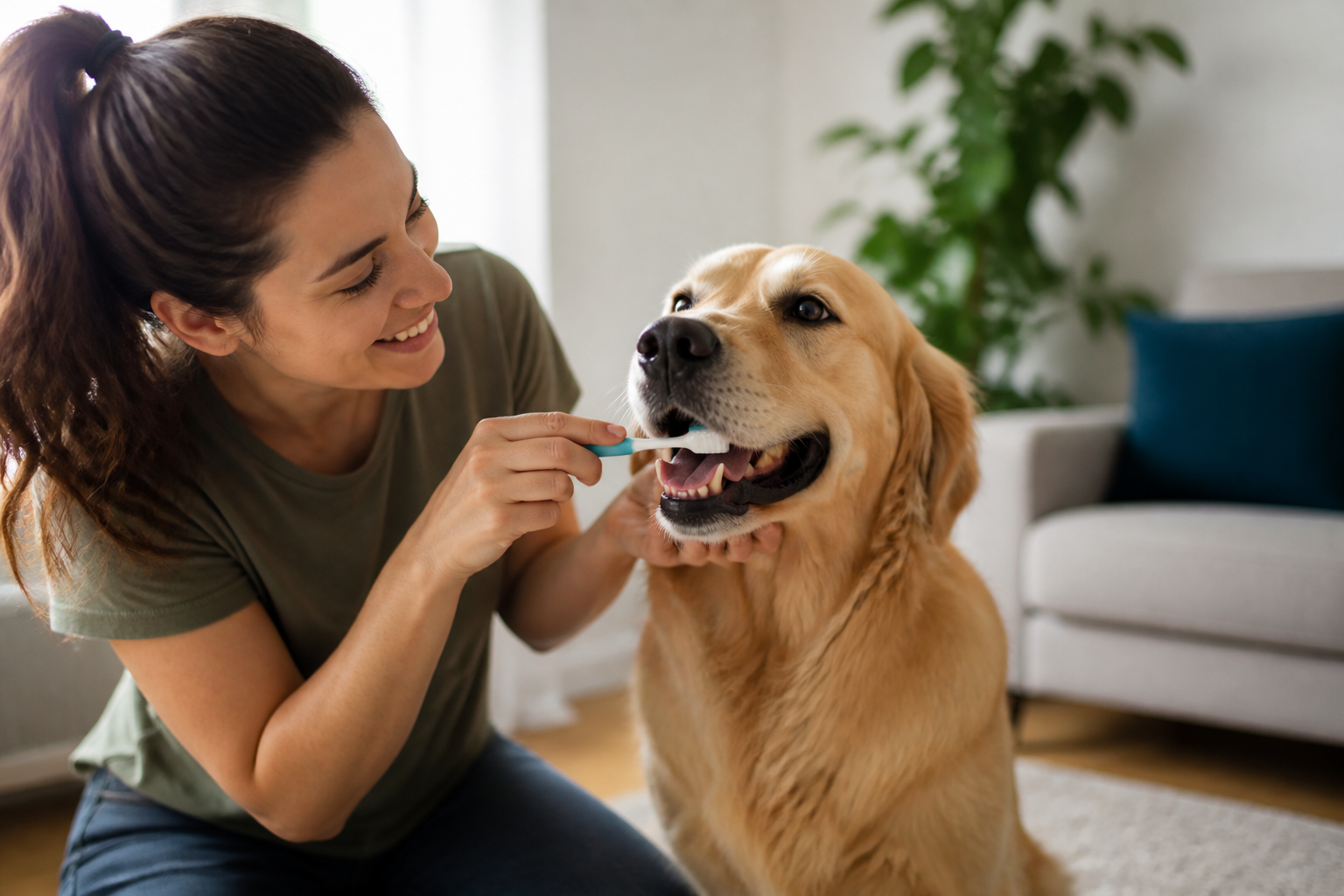
You lean in for a wet kiss from your favorite companion and get a whiff of something less than pleasant. That "dog breath" many owners accept as normal is often the first sign of a dental health problem. At BaxterBoo, we talk to pet owners every day who are surprised to learn that dental hygiene is just as vital for dogs as it is for us. By age three, about 80 percent of dogs show signs of periodontal disease. This is not just about a sparkling smile or better breath. It is about preventing pain and protecting your dog's internal organs from bacteria. This guide covers how often you should brush at home, when to book a professional cleaning, and how to spot trouble before it starts. Proper dental care can actually help your dog live a longer and more comfortable life.
Quick Answer: You should aim to brush your dog's teeth every single day to remove plaque before it hardens. Most dogs also require a professional veterinary cleaning once per year. Small breeds or dogs with existing dental issues may need professional visits every six months.
The Difference Between Brushing and Professional Cleaning
Many owners use the term "cleaning" to describe two very different things. There is the daily maintenance you do at home with a toothbrush. Then there is the professional procedure performed by a veterinarian. Both are necessary, but they serve different purposes.
Home brushing is about prevention. It removes the soft, sticky plaque that forms on the teeth after eating. If you leave that plaque alone for more than 48 hours, it starts to harden into tartar. Once plaque becomes tartar, a toothbrush cannot remove it. This is why daily attention is the gold standard for home care.
Professional cleaning is a medical procedure. Your vet uses specialized tools to scale away tartar from above and below the gumline. This process requires anesthesia so the vet can safely reach every part of the mouth and take X-rays. Think of home brushing as your daily tooth brushing and the vet visit as your deep cleaning at the dentist. You need both to keep your dog healthy.
Key Takeaway: Daily brushing at home prevents plaque from turning into tartar. Professional cleanings remove the hardened tartar that a toothbrush cannot touch.
How Often to Brush at Home
The best frequency for home brushing is every day. Plaque begins to form within hours of a meal. If you brush daily, you are consistently resetting the clock on tartar buildup. We know that life gets busy, but consistency is more important than perfection. If you cannot manage every day, aim for at least three times per week.
Brushing once a week is better than nothing, but it is rarely enough to prevent gum disease. Tartar forms quickly, and once it is there, it acts like a magnet for more plaque. If your dog is already showing signs of heavy brown buildup, brushing might even be painful for them. In those cases, you should see a vet before starting a vigorous brushing routine.
For additional guidance on building a routine, read our tips for introducing dental care and brushing.
Factors That Change Your Brushing Schedule
- Dietary Habits: Dogs that eat mostly wet food may need more frequent brushing. Wet food does not provide the mild abrasive action that some dry kibbles offer.
- Mouth Shape: Dogs with crowded teeth or short muzzles, like Pugs or French Bulldogs, trap food and bacteria more easily. They almost always require daily brushing.
- Age: As dogs get older, their immune systems change and they become more prone to oral infections. Seniors often need more diligent care than puppies.
Bottom line: Daily brushing is the best way to avoid expensive and painful dental surgeries later in life.
When to Schedule a Professional Cleaning
Most veterinarians recommend a professional cleaning once a year. This allows the vet to assess the health of the gums and catch any cracked or loose teeth. However, the one-year rule is not a one-size-fits-all solution. Some dogs are simply "tartar factories" and need help more often.
If you have a small breed dog, like a Yorkie or a Chihuahua, you might need to go every six months. These small dogs have the same number of teeth as large dogs but much less room in their mouths. This crowding leads to rapid decay. On the other hand, a large dog with a pristine home-care routine might be able to go 18 months between professional visits.
For a closer look at professional dental care and warning signs, explore what to do when your dog has damaged or unhealthy teeth.
Vet Tip: Do not wait for your dog to stop eating before booking a dental exam. Dogs are experts at hiding pain. They will often continue to eat even with a broken tooth or a severe abscess.
Signs Your Dog Needs an Immediate Cleaning
You do not always have to wait for the calendar to tell you it is time for a vet visit. Your dog's mouth will give you clear signals when professional help is needed. If you notice any of the following, book an appointment soon.
- Persistent Bad Breath: Healthy dog breath should not be offensive. A foul, rotting smell usually indicates an infection.
- Discolored Teeth: Look for yellow or brown crust near the gumline. This is tartar and it will not brush away.
- Red or Bleeding Gums: Gums should be a healthy pink. Redness or bleeding when they chew or when you brush is a sign of gingivitis.
- Changes in Eating: If your dog starts dropping food, chewing on only one side, or suddenly refuses dry kibble, they are likely in pain.
- Pawing at the Face: This is a common sign of a toothache or something stuck in the gums.
Monitoring Your Dog's Mouth
Step 1: Lift the lip gently once a week to look at the back molars.
Step 2: Check for any swelling or lumps on the gums.
Step 3: Sniff their breath for any sudden changes in odor.
The Role of Breed and Size in Dental Health
Your dog's genetics play a massive role in how often they need dental care. We see a huge variety in dental needs among the brands we carry at BaxterBoo. What works for a Labrador might not be enough for a Maltese.
Small and toy breeds are notoriously prone to dental issues. They often retain their baby teeth even after adult teeth come in. This creates tiny gaps where bacteria thrive. Smaller dogs also have shallower tooth roots. This means that a little bit of gum disease can quickly lead to a lost tooth.
Breeds with "smushed" faces, known as brachycephalic breeds, have unique challenges. Their jaw structures are often misaligned. This prevents their teeth from cleaning each other naturally through chewing. If you own one of these breeds, expect to be very active in their dental care.
Large breeds are not immune, but their problems are often different. Instead of rapid decay, they are more likely to suffer from fractured teeth. This happens from chewing on objects that are too hard, like real bones, antlers, or thick nylon toys.
Key Takeaway: Small breeds and flat-faced dogs are at a much higher risk for gum disease and require more frequent professional intervention.
Why Anesthesia-Free Cleaning is Not Enough
You may see advertisements for "anesthesia-free" dental cleanings. These are often cheaper and seem less scary than traditional vet visits. However, these services are largely cosmetic. They remove the tartar you can see, but they cannot address the real problem area: the space under the gumline.
Bacteria under the gumline is what causes tooth loss and organ damage. To clean this area, a vet must use sharp instruments that require the dog to be perfectly still. It is impossible to safely perform a deep cleaning or take necessary X-rays on a conscious dog.
Anesthesia-free cleanings can actually be dangerous. They give owners a false sense of security while disease continues to rot the tooth roots out of sight. A proper professional cleaning, often called a COHAT (Comprehensive Oral Assessment and Treatment), is the only way to truly protect your dog's health.
Using the BaxterBoo Pharmacy for Dental Needs
Sometimes, a simple cleaning is not enough to resolve a chronic dental issue. Your vet might discover a deep infection that requires antibiotics. They might also recommend a prescription dental diet to slow down tartar regrowth. These diets are specially formulated with a specific texture that scrubs the teeth as the dog chews.
Our pharmacy at BaxterBoo offers a convenient way to get these essential health supplies. Through our partnership with Pet's Choice, we carry FDA-approved medications and prescription pet foods. If your vet prescribes a dental diet from brands like Royal Canin or Farmina Vet Life, you can fulfill those orders through us.
This integrated approach makes it easier to stay consistent with your dog's treatment plan. Managing a chronic condition like periodontal disease requires ongoing care. Having your food, treats, and medications delivered together ensures you never run out of the tools your dog needs to stay healthy.
You can also explore our selection of Royal Canin products and our selection of Farmina products when discussing diet options with your veterinarian.
Home Care Tools That Work
Beyond the toothbrush, there are several tools you can use to support oral health. While these do not replace brushing, they can help in between sessions.
- Dental Chews: Look for products with the VOHC (Veterinary Oral Health Council) seal of approval. These have been tested to show they actually reduce plaque and tartar.
- Water Additives: These are liquids you add to your dog's bowl. They contain enzymes that help break down bacteria in the mouth.
- Dental Wipes: If your dog absolutely refuses a brush, wipes can be a good middle ground. They allow you to manually rub away plaque from the surface of the teeth.
- Rubber Toys: Many toys are designed with nubs and ridges that massage the gums and scrape the teeth during play.
For more product ideas between veterinary visits, browse our dog dental care category.
You can also review our dental chews for dogs for chew-based options.
Bottom line: A multi-layered approach using brushes, chews, and additives provides the best protection against dental disease.
How to Start a Brushing Routine
If your dog is not used to having their mouth touched, you cannot just start scrubbing. You need to build trust and move slowly. This process might take a few weeks, but it is worth the effort.
Step 1: Let them lick a small amount of dog-specific toothpaste off your finger. Never use human toothpaste, as it often contains xylitol, which is toxic to dogs.
Step 2: Rub your finger along their gums and teeth to get them used to the sensation.
Step 3: Introduce a finger brush or a soft-bristled dog toothbrush with a little paste.
Step 4: Focus on the outside of the teeth first. The tongue usually does a decent job of cleaning the inside surfaces.
Step 5: Reward them with praise or a dental treat immediately after you finish.
A dog-specific option is Virbac C.E.T. Enzymatic Pet Toothpaste.
Vet Tip: Keep brushing sessions short and positive. If your dog becomes stressed or aggressive, stop immediately and try again another day. Forcing the issue can lead to a lifetime of struggle.
The High Cost of Waiting
Many owners hesitate to book professional cleanings because of the cost. However, preventative care is always cheaper than emergency surgery. A routine cleaning might cost a few hundred dollars. A surgical extraction of several infected teeth can easily cost thousands.
Beyond the financial cost, there is a physical toll on your dog. Chronic dental disease causes constant low-level pain. It can also lead to systemic issues. Bacteria from the mouth can enter the bloodstream through inflamed gums. This bacteria can then travel to the heart, liver, and kidneys, causing permanent damage to these vital organs.
By staying on top of a cleaning schedule, you are not just saving money. You are protecting your dog from avoidable pain and potentially life-threatening complications.
For additional perspective on dental chews and their role between cleanings, read 10 best dental chews for dogs.
Conclusion
Caring for your dog's teeth is one of the most impactful things you can do for their long-term wellness. While daily brushing is the ideal goal, any amount of home care combined with regular vet visits makes a difference. Remember that breed, age, and diet all play a role in how often your dog needs professional attention. Keep a close eye on their breath and gum color to catch issues early. At BaxterBoo, we are committed to helping you navigate every stage of your pet's health journey. Whether you need a new soft-bristled brush, VOHC-approved chews, or a prescription diet through our pharmacy, we have the expert-curated supplies to help your dog thrive.
Dental Care Checklist
- Brush teeth 3–7 times per week.
- Check for bad breath or red gums once a week.
- Schedule a veterinary dental exam once a year.
- Provide one VOHC-approved dental chew daily.
- Use the pharmacy for any prescription dental diets or medications.
FAQ
Can I use human toothpaste on my dog?
No, you should never use human toothpaste for your pet. Many human brands contain xylitol, an artificial sweetener that is highly toxic to dogs. Human toothpaste also contains foaming agents that can upset a dog's stomach since they cannot spit it out. Always use a toothpaste specifically formulated for dogs.
Does feeding dry food keep my dog's teeth clean?
Regular dry kibble provides very little dental benefit because most dogs swallow it whole or the pieces shatter too easily. Only specific prescription dental diets are designed with a texture that actually scrubs the teeth. If you are relying on food for dental health, talk to your vet about a specialized dental formula.
My dog's breath is terrible but they are eating fine. Do I still need a vet?
Yes, bad breath is almost always a sign of underlying infection or decay. Dogs have a very strong survival instinct and will continue to eat even when they are in significant pain. By the time a dog stops eating due to dental issues, the disease is usually very advanced and requires major surgery.
At what age should my dog have their first professional cleaning?
Most dogs should have their first professional dental assessment and cleaning between the ages of two and three. Small breed dogs may need their first cleaning as early as 18 months due to their higher risk for rapid plaque buildup. Your vet can give you a specific recommendation during your dog's annual wellness exam.






