
 Save 15% on your 1st Autoship learn more

 Email us
 Live Chat
 FAQs
FAQs





Introduction
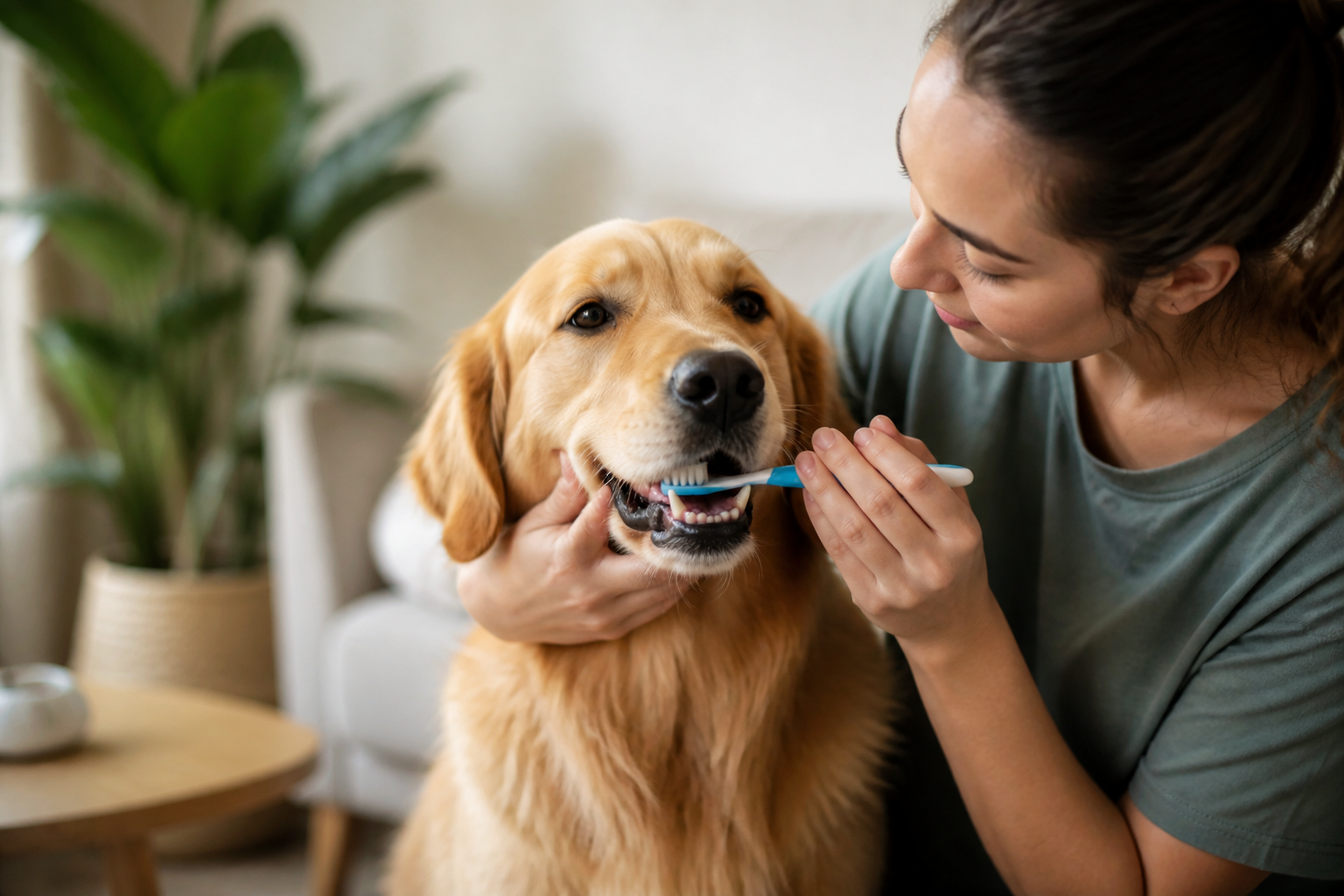
You might only notice your dog’s dental health when they lean in for a smelly kiss. That "dog breath" is often the first sign that plaque and bacteria are moving in. At BaxterBoo, we know that keeping those pearly whites clean is about much more than just fresh breath. It is a vital part of your dog’s long term wellness. Poor oral hygiene can lead to painful infections and even heart or kidney issues. This guide covers how often you should brush at home and when to book professional cleanings. We will also look at the best tools for the job and how to spot early signs of gum disease. Taking care of your dog’s teeth today helps ensure they stay healthy for years. For additional warning signs, read our guide to recognizing signs of bad teeth in dogs.
Quick Answer: You should ideally brush your dog’s teeth every single day at home. At a minimum, aim for three times per week. Most dogs also require a professional veterinary cleaning once per year to remove tartar beneath the gumline.
The Ideal Schedule for Home Dental Care
The best way to prevent dental disease is a consistent routine at home. Bacteria in a dog's mouth form a sticky film called plaque within hours of eating. If you do not remove this plaque, it hardens into tartar in about three days. Once tartar forms, you cannot brush it away with a standard toothbrush. This is why frequency is the most important factor in your routine. You can find supplies for this routine in our dog dental care collection.
Daily Brushing: The Gold Standard
Veterinary dentists recommend daily brushing because it mimics how we care for our own teeth. Daily sessions ensure that plaque never has the chance to mineralize into tartar. It also gets your dog used to the process. When brushing becomes a daily habit, most dogs learn to sit still and even enjoy the attention.
The Three Times Per Week Rule
We understand that life gets busy. If daily brushing is not possible, you should aim for at least three times per week. Research shows that brushing less than twice a week provides almost no benefit for gum health. Think of three times a week as the "maintenance" level. It helps slow down buildup but may not stop it entirely.
Weekly Deep Cleans are Not Enough
Some owners try to do one long brushing session on the weekend. Unfortunately, this does not work well. Since plaque hardens in 72 hours, a weekly session leaves four days where tartar is actively forming. Frequent, short sessions are always better than one long session once a week.
Key Takeaway: Frequency beats duration every time. A 60-second brush every day is much more effective than a 10-minute brush once a week.
Professional Cleaning Schedules
Home care is essential, but it cannot reach everywhere. Just like humans need a dental hygienist, dogs need a veterinarian for deep cleaning. These professional sessions are often called a COHAT. This stands for Comprehensive Oral Assessment and Treatment. Our pet dental care tips also cover regular exams and professional cleanings.
The Annual Visit
Most adult dogs should have a professional dental cleaning once a year. During this visit, the vet scales the teeth to remove tartar. They also check for deep pockets in the gums and take X-rays. Many dental problems happen under the gumline where you cannot see them. Annual visits catch these hidden issues before they cause tooth loss.
When Twice Yearly is Necessary
Some dogs need professional care every six months. This is common for certain breeds or dogs with existing health conditions. If your dog has a history of rapid tartar buildup, your vet might suggest a more frequent schedule. This proactive approach can save you money on extractions and oral surgery later.
Vet Tip: Always consult your veterinarian to determine the right cleaning interval for your specific dog. They can assess your dog’s current dental grade and recommend a schedule that prevents painful infections.
Factors That Change Your Dog’s Dental Needs
Not every dog follows the same timeline. Several factors can speed up or slow down how quickly your dog needs a professional cleaning. Understanding these can help you adjust your home care routine.
Breed Size and Genetics
Small breed dogs are much more prone to dental disease than large breeds. Dogs like Chihuahuas, Pugs, and Yorkies have very small mouths but the same number of teeth as big dogs. This leads to crowding. Food and bacteria get trapped easily between these crowded teeth. Small dogs often need their first professional cleaning by age two.
Age and Senior Care
As dogs get older, their immune systems change. Senior dogs are more likely to suffer from receding gums and bone loss in the jaw. Bacteria from the mouth can also enter the bloodstream and affect the heart valves. We often recommend more frequent dental checks for senior dogs to monitor these risks.
Diet and Chewing Style
What your dog eats matters. While the "kibble cleans teeth" idea is largely a myth, some prescription dental diets are specifically shaped to scrub teeth. Dogs that are aggressive chewers often have cleaner teeth because the mechanical action of chewing helps rub off plaque. However, if your dog only eats soft wet food, they will likely need more frequent brushing sessions.
Bottom line: Small breeds and seniors usually require more frequent dental attention than young, large breed dogs.
Signs Your Dog Needs an Immediate Dental Visit
You should not always wait for your annual appointment if you notice certain red flags. Dental pain is often a silent struggle for dogs. They are experts at hiding discomfort until it becomes severe. Watch for these changes in your dog's behavior or appearance:
- Persistent bad breath: While "dog breath" is normal, a foul or rotting smell is a sign of infection.
- Bleeding or red gums: Healthy gums should be light pink. A red line along the teeth indicates gingivitis.
- Changes in eating: If your dog drops food, chews on one side, or refuses hard kibble, they may have a painful tooth.
- Pawing at the face: This is a common sign of oral pain or something stuck in the teeth.
- Discolored teeth: Yellow or brown buildup near the gumline is tartar that requires professional removal.
- Excessive drooling: New or unusual drooling can signal an oral injury or abscess.
If you see these symptoms, schedule a veterinary exam right away. Our pet pharmacy works with Pet's Choice to provide FDA-approved medications and prescription diets that your vet may recommend for managing oral health.
Essential Tools for Cleaning Your Dog's Teeth
Using the right equipment makes the job easier and safer. You should never use human products on your dog. Many human toothpastes contain xylitol or high levels of fluoride. These ingredients are toxic to dogs if swallowed. For more guidance on introducing brushing, explore these pet dental care tips.
Choosing the Right Toothbrush
You have a few options based on your dog's comfort level:
- Finger brushes: These silicone caps fit over your finger. They are great for puppies or dogs who are nervous about a long handle in their mouth.
- Double-headed brushes: These wrap around the tooth to clean the front and back at the same time.
- Soft-bristled toddler brushes: A small, soft human toothbrush for toddlers can work well for medium or large dogs.
Pet-Safe Toothpaste
Canine toothpaste comes in flavors like poultry, beef, or peanut butter. This makes the experience much more pleasant for your pet. They will often view the toothpaste as a treat rather than a chore.
Water Additives and Dental Wipes
If your dog absolutely refuses a toothbrush, do not give up entirely. Dental wipes can help rub away some surface plaque. Water additives use enzymes to break down bacteria in the mouth. These are not as effective as brushing, but they are better than doing nothing at all.
Step-by-Step: Introducing the Brush
Step 1: Let your dog lick a small amount of pet toothpaste off your finger for several days. Step 2: Gently rub your finger along their gums to get them used to the sensation. Step 3: Introduce the brush with toothpaste, focusing only on the front teeth first. Step 4: Gradually work your way toward the back molars over several weeks. Step 5: Always follow a brushing session with praise or a small dental-safe reward.
The Role of Dental Chews and Toys
Chewing is a natural behavior that can support oral health. However, not all chews are created equal. You want items that provide mechanical scrubbing without being hard enough to break a tooth. Browse our dog dental food and treat selection for supplemental options.
VOHC Approved Products
Look for the Veterinary Oral Health Council (VOHC) seal on treats and chews. This seal means the product has been tested and proven to reduce plaque or tartar. Brands like Greenies are popular choices that many dogs love.
Avoiding Dangerous Objects
Be careful with very hard items. We suggest avoiding real bones, antlers, and hard nylon toys. These are often harder than the tooth enamel itself. Many dogs end up with "slab fractures" on their large chewing teeth from biting down too hard on these items. A good rule of thumb is the "knee cap test." If it would hurt to hit your knee with the object, it is too hard for your dog to chew.
Key Takeaway: Dental chews are a great supplement to brushing, but they are not a total replacement for mechanical cleaning with a brush.
Why Anesthesia is Necessary for Professional Cleaning
Many owners feel nervous about anesthesia. You might see "anesthesia-free" cleaning services offered at grooming salons. It is important to understand why these are not recommended by veterinarians. Our article on professional dental cleanings and anesthesia offers additional context.
The Cosmetic vs. Health Difference
Anesthesia-free cleaning only removes the tartar you can see. This is purely cosmetic. The real disease lives under the gumline. A dog will not sit still for a vet to scrape under the gums or take X-rays while awake. Anesthesia allows the vet to do a thorough job safely.
Safety Protocols
Modern veterinary anesthesia is very safe. Your vet will perform blood work before the procedure to ensure your dog’s organs are functioning well. During the cleaning, a dedicated technician monitors your dog's heart rate, oxygen, and blood pressure. The benefits of removing painful infections usually far outweigh the small risks of anesthesia.
Comprehensive Assessment
When a dog is under anesthesia, the vet can use a probe to check every single tooth. They look for oral tumors, fractures, and deep pockets. They can also perform extractions immediately if a tooth is rotting or broken. This prevents the need for a second procedure later.
Vet Tip: If you are worried about anesthesia, ask your vet about their specific monitoring equipment and pre-anesthetic testing. This can help put your mind at ease.
Building a Lifetime of Oral Health
Dental care is a long-term commitment. It starts when they are a puppy and continues through their senior years. By staying consistent with home care and regular checkups, you can prevent most major dental problems.
At BaxterBoo, we carry over 500 trusted brands to help you find the right supplies for your dog's unique needs. Whether you need a soft finger brush, VOHC-approved treats, or a specific dental toy, we have the selection to support your routine. Our team is here to help you navigate these choices so your dog can stay happy and healthy. For repeat-purchase supplies, our Autoship programme can help simplify your routine.
Dental Care Checklist
- Brush daily or at least three times per week.
- Use only pet-safe, flavored toothpaste.
- Schedule a professional veterinary exam every 12 months.
- Watch for red gums or bad breath daily.
- Provide VOHC-approved dental chews for extra help.
- Avoid extremely hard toys that could fracture teeth.
Bottom line: Consistent home brushing paired with annual professional cleanings is the best way to extend your dog’s life and prevent oral pain.
Conclusion
Cleaning your dog’s teeth is one of the most impactful things you can do for their overall health. While it might seem like a daunting task at first, most dogs adapt quickly to a daily routine. Remember to focus on frequency and use tools specifically designed for pets. If you notice any signs of pain or infection, do not hesitate to contact your veterinarian for a professional evaluation. You can find all the dental care supplies you need in our dog healthcare category and our dog dental care collection. Keeping your dog's mouth healthy is a team effort between you, your vet, and the right products. For more specialized needs, our pharmacy is available to provide the medications and prescription diets your pet might require.
FAQ
Can I use human toothpaste to clean my dog’s teeth?
No, you should never use human toothpaste for dogs. Many human brands contain xylitol, which is a sweetener that is highly toxic to dogs even in small amounts. They also often contain fluoride and foaming agents that can upset a dog’s stomach when swallowed. Always use a toothpaste specifically formulated for pets.
What should I do if my dog’s gums bleed during brushing?
Minor bleeding can happen if your dog has early-stage gingivitis and you have just started a brushing routine. However, if the bleeding is heavy or persistent, it is a sign of more advanced gum disease. You should stop brushing and consult your veterinarian for a professional exam to ensure there are no underlying infections or painful areas.
How do I know if my dog needs a professional cleaning?
The most common signs include persistent bad breath, yellow or brown tartar buildup, and red or inflamed gums. You might also notice your dog struggling to eat hard food or pawing at their mouth. Even if you do not see these signs, a yearly checkup with your vet is the best way to catch hidden dental issues under the gumline.
Are dental treats enough to keep my dog’s teeth clean?
While dental treats and chews are helpful, they are not a replacement for brushing. They work best as a supplement to a regular brushing routine. Chews mainly clean the chewing surfaces of the teeth but often miss the areas right along the gumline where periodontal disease typically starts. Brushing remains the gold standard for oral care.






