Save 15% on your 1st Autoship learn more

 Email us
 Live Chat
 FAQs
FAQs





Introduction
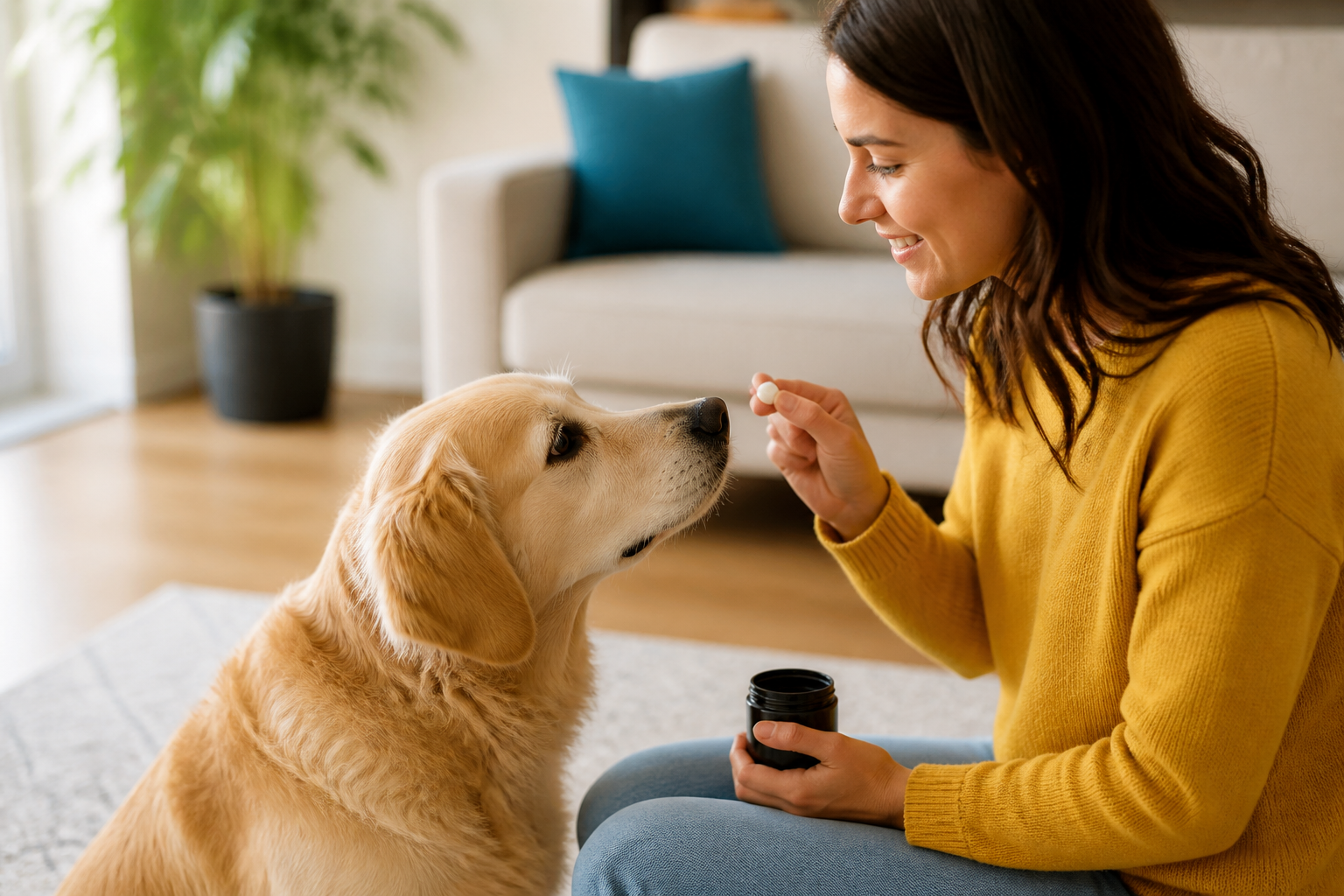
You are standing in the kitchen with a new container of probiotic chews. Your dog is sitting expectantly at your feet. You know these supplements can help with digestion, but you might feel unsure about the schedule. Is this a daily requirement or just something to use when their stomach seems a bit off? At BaxterBoo, we hear this question frequently from pet parents who want to support their dog's gut health without overdoing it. Understanding the frequency of supplementation is the first step toward a happier, more comfortable pet. This guide will explain why consistency matters for the canine microbiome. We will also cover how to handle specific situations like antibiotic use or diet changes. Our goal is to help you build a routine that supports your dog from the inside out.
The Living System of the Canine Microbiome
To understand how often to give probiotics, you first need to understand what they are doing. Your dog’s gut is a complex ecosystem. It contains billions of microscopic organisms including bacteria, fungi, and viruses. This community is called the microbiome. It is not a static environment. It shifts and changes every single day based on what your dog eats and their stress levels. It even changes based on the environment they walk in.
Probiotics are the "good" bacteria that help keep this system in balance. When you introduce a probiotic, you are essentially sending in reinforcements. These beneficial bacteria compete with harmful bacteria for space and nutrients. If you only give these supplements once in a while, the beneficial populations never get a chance to establish themselves. They are quickly outnumbered and moved out of the system.
Quick Answer: You should generally give your dog probiotics once per day. Consistent daily dosing allows beneficial bacteria to maintain a steady presence in the gut. This is more effective than occasional use for long-term digestive and immune support.
Daily Use vs. Occasional Supplementation
Many owners wonder if they can just save the probiotics for a rainy day. While short-term use has its place, daily use is the gold standard for most dogs. Think of it like watering a garden. If you only water the plants when they are already wilting, they will struggle to thrive. If you provide a small, consistent amount of water every day, the entire garden stays healthy and resilient.
Daily supplementation is particularly beneficial for:
- Dogs with naturally sensitive stomachs or frequent gas.
- Senior dogs whose gut diversity naturally declines as they age.
- Dogs living in high-stress environments like shelters or busy households.
- Dogs that tend to scavenge or eat things they shouldn't during walks.
Occasional use is typically reserved for very specific, temporary triggers. For example, if you know a thunderstorm is coming and your dog gets a nervous stomach, you might start a probiotic a few days prior. However, even in these cases, the "occasional" use still requires a few days of consistency to be effective.
Key Takeaway: The gut microbiome is a dynamic environment that requires regular input. Daily dosing provides a steady signal that helps the gut adapt and remain stable over time.
How Long Should a Dog Stay on Probiotics?
The duration of the routine depends entirely on your goals. Some pet parents use them for a two-week "reset" after a stomach bug. Others keep their dogs on them for years as a preventative measure.
Short-Term Support (10 to 14 Days)
This is the standard window for acute issues. If your dog had a sudden bout of loose stools from eating a new treat, a two-week course can help. It provides enough time for the "good" bacteria to crowd out any temporary "bad" bacteria that took over during the upset.
Long-Term Maintenance (30 to 90 Days and Beyond)
For chronic issues like seasonal allergies or ongoing digestive sensitivity, you need more time. It can take up to four weeks for the microbiome to truly shift its composition. Many vets recommend a 90-day trial to see the full impact on skin health and immune function.
Vet Tip: If you are using probiotics to manage a specific health condition, consult your veterinarian. They can help you determine if a supplement is enough or if your dog needs a prescription-strength option from our pet pharmacy.
Probiotics and Antibiotics: The Two-Hour Rule
This is one of the most important timing questions we receive. Antibiotics are life-saving medications, but they are not selective. They kill the harmful bacteria causing an infection, but they also wipe out the beneficial bacteria in the gut. This is why many dogs develop diarrhea while taking antibiotics.
You can and should give probiotics during a course of antibiotics. However, you must time it correctly. If you give the probiotic at the same time as the antibiotic, the medication will likely kill the beneficial bacteria before they can do any good.
Follow these steps for the best results:
- Administer the antibiotic as prescribed by your vet.
- Wait at least two hours.
- Give the probiotic supplement.
- Continue the probiotic for at least a week after the antibiotic course is finished.
Signs Your Dog’s Gut Needs Support
How do you know if it is time to start a daily routine? Your dog’s body provides several clues when the microbiome is out of balance. This state is often called dysbiosis.
- Digestive Upset: This is the most obvious sign. Frequent loose stools, excessive gas, or a gurgling stomach often indicate a lack of beneficial bacteria.
- Skin and Coat Issues: The gut and skin are closely linked. Itching, hotspots, or a dull coat can sometimes be traced back to gut inflammation.
- Bad Breath: While dental health is the primary cause, chronic bad breath can also originate in the digestive tract.
- Changes in Appetite: A dog with an imbalanced gut might become pickier or seem less enthusiastic about mealtime.
| Probiotic Format | Best For | Benefit |
|---|---|---|
| Soft Chews | Picky eaters | Tastes like a treat and is easy to dose |
| Powders | Mixing with food | Usually contains the highest concentration of strains |
| Capsules | Precise needs | Protects the bacteria from stomach acid effectively |
For more options, browse our dog digestive health supplements, including chews, powders, and food toppers.
Choosing the Right Strain for Your Dog
Not all probiotics are created equal. Different strains of bacteria perform different jobs in the body. When you look at a label on a product from a brand like Zesty Paws or Honest Paws, you will see long, Latin names.
- Enterococcus faecium: This is a powerhouse strain for digestive health. It is excellent at surviving the journey through the stomach.
- Lactobacillus acidophilus: This strain is often used to support stool quality and frequency.
- Bifidobacterium animalis: This is frequently recommended for dogs dealing with acute diarrhea or stress-related stomach issues.
- Bacillus coagulans: This is a hardy, spore-forming bacterium. It is very stable and excellent for supporting the immune system.
We recommend looking for a multi-strain formula. Just as a forest is healthier with many types of trees, your dog's gut is healthier with a variety of beneficial bacteria.
You can also explore our probiotic supplement selection when comparing formats and formulas.
How to Introduce Probiotics into the Daily Routine
When you decide to start a daily probiotic, do not jump in with a full dose immediately. Even though these are "good" bacteria, adding a large amount of anything new to the gut can cause temporary gas or bloating.
Step 1: Start with a half dose. Give this smaller amount once per day for the first three to five days.
Step 2: Monitor your dog's stool. If it remains consistent and they do not have excessive gas, move to Step 3.
Step 3: Increase to the full recommended dose based on your dog's weight.
Step 4: Stick to the schedule. Try to give the supplement at the same time every day to keep the levels consistent.
Key Takeaway: A slow transition helps the microbiome adjust without causing the very gas and bloating you are trying to prevent.
The Connection Between Gut Health and Anxiety
One of the most exciting areas of pet wellness is the gut-brain axis. Research has shown that the gut and the brain are in constant communication through the vagus nerve. Certain strains of bacteria can actually produce neurotransmitters like serotonin and dopamine.
If your dog suffers from separation anxiety or noise phobias, a daily probiotic might help. Specifically, a strain called Bifidobacterium longum (BL999) has shown promise in helping dogs stay calmer in stressful situations. While it won't replace behavior training, it provides a biological foundation for a more relaxed pet.
For a broader look at probiotic ingredients and supplement formats, read our guide to pet supplements.
Managing Complex Conditions via the Pharmacy
While over-the-counter supplements are wonderful for general wellness, some dogs have more complex needs. Conditions like chronic inflammatory bowel disease (IBD), severe allergies, or kidney disease often require more than just a standard probiotic chew.
In these cases, a prescription diet or medical-grade probiotic might be necessary. Through our partnership with Pet's Choice, the BaxterBoo pharmacy offers FDA-approved medications and prescription pet foods. These products are formulated with specific clinical goals in mind. If your dog's digestive issues are persistent, severe, or accompanied by weight loss and lethargy, you should see a veterinarian immediately. They can provide a formal diagnosis and write a prescription that we can fulfill for you.
When Should You See a Veterinarian?
Probiotics are a supplement, not a cure-all. It is important to know when home management is no longer the right path.
Consult your vet if you notice:
- Blood in the stool or very dark, tarry stools.
- Vomiting that lasts more than 24 hours.
- Signs of dehydration, such as dry gums or loss of skin elasticity.
- Extreme lethargy or a total refusal to eat.
- Rapid weight loss despite a normal appetite.
A vet visit is essential to rule out parasites, infections, or underlying organ issues. Once those are addressed, your vet can advise you on how to use probiotics as part of the recovery plan.
Storage and Handling for Maximum Potency
Probiotics are live organisms. This means they can die if they are exposed to extreme heat or moisture. If the bacteria are dead when your dog eats them, they will not provide the same benefits.
Always read the label for storage instructions. Some powders require refrigeration to keep the cultures alive. Most soft chews are shelf-stable but should be kept in a cool, dry place. Keep the lid tightly sealed to prevent humidity from entering the container. If a product has passed its expiration date, it is best to toss it. The number of live bacteria, measured in Colony Forming Units (CFUs), drops significantly over time.
Support Your Dog with Consistency
Building a gut health routine does not have to be complicated. By choosing high-quality supplements and sticking to a daily schedule, you are giving your dog a significant advantage. Whether they are a puppy developing their immune system or a senior dog needing a bit more help with absorption, the right bacteria make a difference. We are proud to carry over 500 trusted brands to help you find the perfect fit for your pet's specific needs.
If you find a product your dog loves, consider our Autoship programme. It ensures you never run out of your daily supplements while providing extra savings and a free MVP Gold membership. Consistency is the key to gut health, and we are here to make that consistency easier for you.
Bottom line: Daily probiotic use is the most effective way to support a stable and resilient microbiome in dogs of all ages.
FAQ
Can I give my dog probiotics every single day?
Yes, you can and usually should give probiotics daily for the best results. The beneficial bacteria need consistent reinforcement to stay established in the gut environment. Most high-quality dog probiotics are formulated for long-term daily use as part of a preventative wellness plan.
Is it better to give probiotics in the morning or at night?
The specific time of day is less important than consistency. Most pet parents find it easiest to give the supplement with a meal to help buffer stomach acid and ensure it is not forgotten. Pick a time that fits your schedule so you can maintain the routine every day without fail.
What happens if I stop giving my dog probiotics suddenly?
If you stop the supplement, the beneficial bacteria populations will likely return to their baseline levels within a week or two. You might notice a return of previous symptoms like gas or irregular stools. If you want to stop, it is often better to taper the dose over a few days rather than quitting cold turkey.
Can a dog have too many probiotics?
While it is very difficult to "overdose" on probiotics, giving too much too fast can cause temporary digestive upset. This usually manifests as gas, bloating, or slightly loose stools. Always follow the weight-based dosing instructions on the packaging and start with a smaller amount to let your dog's system adjust.