
 Save 15% on your 1st Autoship learn more

 Email us
 Live Chat
 FAQs
FAQs





Introduction
You are sitting on the sofa with your dog when they lean in for a friendly lick, and the smell is enough to make you pull away. While "dog breath" is a common joke, persistent bad breath is often the first sign that your pet is struggling with oral health issues. At BaxterBoo, we know that keeping up with dental hygiene can feel like a daunting chore. It is one of those tasks that often gets pushed to the bottom of the list until a problem becomes obvious. This article will explain exactly how often you should schedule professional cleanings, why certain breeds need more attention, and how you can support your dog’s health at home. Understanding the timeline for professional dental care is essential for ensuring your companion lives a long, comfortable life.
Quick Answer: Most veterinarians recommend a professional dental cleaning once every year for adult dogs. Small breeds or dogs with a history of dental issues often need cleanings every six months due to tooth crowding and rapid tartar buildup.
The Standard Timeline for Professional Dental Cleanings
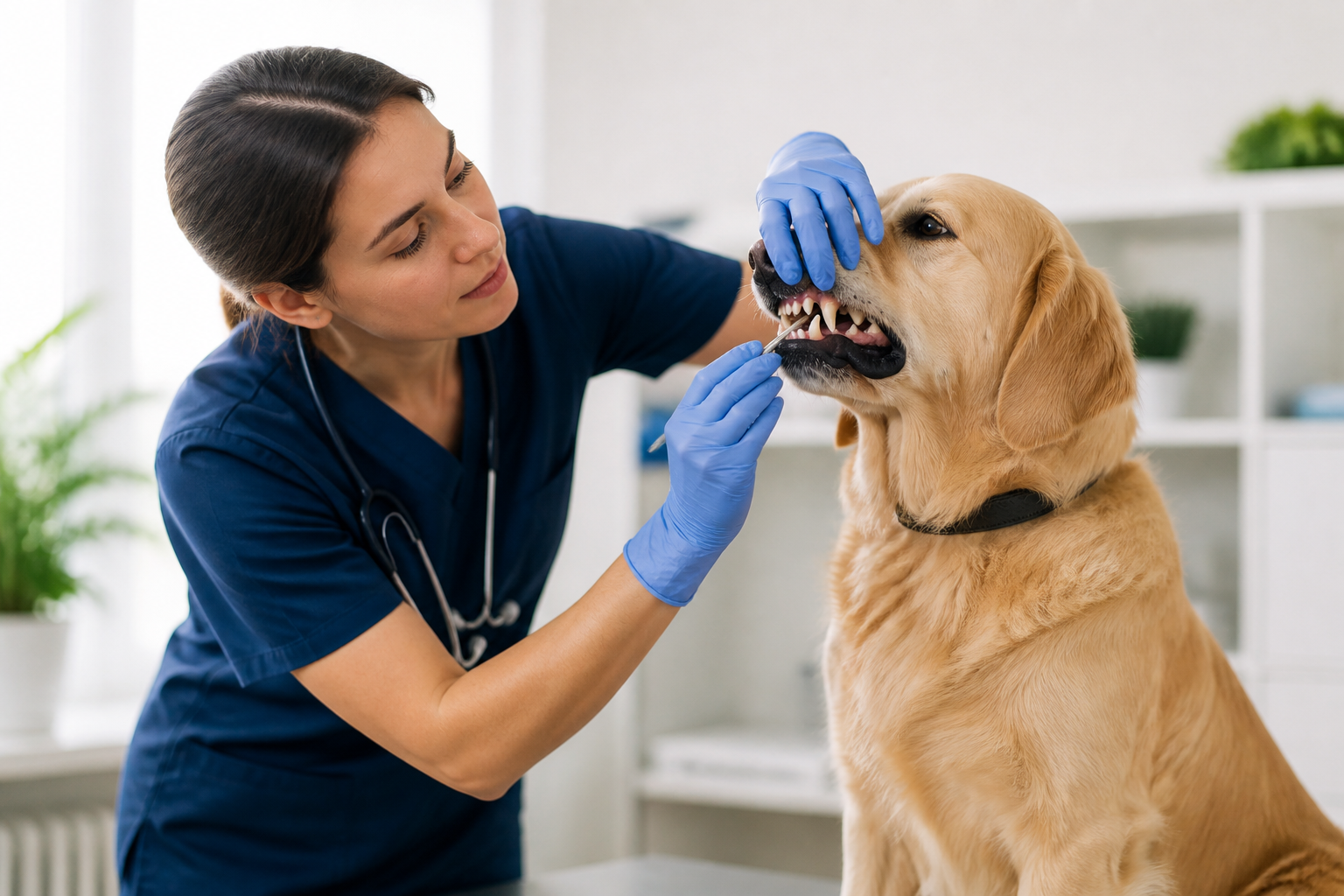
For the average adult dog, a professional veterinary cleaning once a year is the gold standard. Most dogs begin to show signs of periodontal disease by the time they are three years old. Starting annual cleanings around age two or three can prevent early gingivitis from turning into permanent bone loss or tooth decay. These appointments allow a veterinarian to remove plaque and tartar that you simply cannot reach with a toothbrush at home.
The frequency can change as your dog ages. Senior dogs often require more frequent monitoring. Just as humans might visit the dentist more often for specific issues, a dog with a history of extractions or gum recession might need a checkup every six months. Regular exams during your annual wellness visits are the best way to determine if your dog is ready for a professional cleaning.
Key Takeaway: Yearly cleanings are the baseline for most dogs, but the specific schedule depends on the current health of their gums and teeth as assessed by a veterinarian.
Why Breed and Size Influence Dental Frequency
Small breed dogs and toy breeds are notorious for dental problems. If you own a Yorkie, Chihuahua, or Pomeranian, you may have noticed their teeth look crowded. Because these dogs have 42 adult teeth packed into a very small mouth, there are more nooks and crannies for food and bacteria to hide. This crowding leads to rapid plaque accumulation. For these tiny pets, a veterinarian may recommend cleanings every six to nine months.
Brachycephalic breeds, or those with flat faces like Pugs and French Bulldogs, also face unique challenges. Their jaw structure often leads to misaligned teeth, which prevents the natural cleaning action that occurs when a dog chews. When teeth do not line up correctly, they cannot "self-clean" through mechanical friction. We see many owners of these breeds needing more frequent professional interventions to manage the buildup.
On the other hand, large breeds like Labradors or Golden Retrievers might be able to go 18 to 24 months between cleanings if their owners are diligent with home care. Their larger mouths and spaced-out teeth make it easier for saliva to wash away debris and for owners to reach every surface with a brush.
Signs Your Dog Needs a Professional Cleaning Now
You should not always wait for the one-year mark if you notice changes in your dog’s mouth. Some symptoms indicate that a cleaning is needed urgently to prevent pain or infection. For more warning signs, read about how to recognize bad teeth in dogs.
- Persistent Bad Breath: This is the most common sign. If the smell is foul and constant, it usually means bacteria are thriving under the gumline.
- Discolored Teeth: Yellow or brown buildup on the teeth is tartar. Once plaque hardens into tartar, it cannot be brushed away and requires professional scaling.
- Bleeding Gums: You might notice a small amount of blood on a chew toy or in their water bowl. This is a sign of gingivitis.
- Changes in Eating Habits: If your dog starts dropping food, chewing on only one side, or suddenly refuses dry kibble, they may be experiencing oral pain.
- Excessive Drooling: While some breeds are naturally drooly, a sudden increase can indicate an oral injury or abscess.
Vet Tip: If your dog pulls away when you touch their muzzle or seems "head shy" during petting, they might be hiding significant dental pain. A veterinary exam is necessary to rule out cracked teeth or infections.
What Happens During a Veterinary Dental Procedure
A professional cleaning is much more involved than what happens at a grooming appointment. A true veterinary cleaning, often called a COHAT (Comprehensive Oral Assessment and Treatment), must be performed under general anesthesia. This is the only way to safely and effectively clean beneath the gumline, where the most damaging bacteria live.
Step 1: Pre-anesthetic blood work. / This ensures your dog’s organs can safely process the anesthesia.
Step 2: General anesthesia and monitoring. / A trained technician monitors vitals while the veterinarian works.
Step 3: Oral exam and X-rays. / The vet checks every tooth for stability and uses X-rays to look for bone loss or hidden abscesses.
Step 4: Scaling and polishing. / Specialized tools remove tartar from above and below the gums, followed by polishing to smooth the tooth surface.
The use of X-rays is a critical part of the process. In many cases, a tooth may look healthy on the surface while the root is rotting away underneath. Professional cleanings catch these hidden issues before they cause systemic infections.
The Truth About Anesthesia Free Dental Cleanings
You may see advertisements for "anesthesia-free" dental cleanings at local pet stores or groomers. While these may be cheaper and seem less scary, they are primarily cosmetic. These services involve scraping the visible tartar off the crown of the tooth while the dog is awake.
The problem is that the most dangerous bacteria live in the pockets under the gumline. It is impossible to clean these areas or take X-rays while a dog is awake. Furthermore, scraping the teeth without polishing them afterwards leaves microscopic scratches in the enamel. These scratches actually allow plaque to attach more easily, often making the dental disease progress faster than before. We strongly recommend sticking with professional, anesthetized cleanings for the safety and health of your pet.
Bottom line: Anesthesia-free cleanings offer a false sense of security by making teeth look white while leaving deep-seated disease untreated.
How Home Care Extends the Time Between Cleanings
While professional cleanings are necessary, your daily routine at home determines how effective those cleanings are in the long run. Think of the vet as the dental hygienist and yourself as the person responsible for daily brushing. For additional guidance, explore these pet dental care tips.
Daily brushing is the single most effective way to prevent tartar. You must use a toothpaste specifically formulated for dogs. Human toothpaste contains xylitol and foaming agents that can be toxic or cause stomach upset when swallowed. Start slowly by letting your dog lick the paste off your finger before introducing a brush.
Beyond brushing, dental chews can help. Products like Greenies are designed to scrub the teeth as the dog bites down. Look for the VOHC (Veterinary Oral Health Council) seal on packaging. This seal means the product has been scientifically tested to reduce plaque and tartar. At BaxterBoo, we carry a wide variety of these treats to make dental health feel like a reward for your pet. Browse our dog dental treats to find options for your dog.
Key Takeaway: Combining daily brushing with VOHC-approved dental chews can significantly reduce the speed at which tartar reforms after a professional cleaning.
The Health Risks of Neglecting Dental Care
Skipping dental cleanings does more than just cause bad breath. Periodontal disease is an inflammatory condition that can affect the entire body. When the gums are inflamed and infected, bacteria can enter the bloodstream through the damaged tissue.
Research has shown a strong link between dental disease and damage to the heart, liver, and kidneys. These bacteria can settle on heart valves, leading to endocarditis, or cause chronic inflammation in the kidneys. By prioritizing your dog’s teeth, you are actually protecting their vital organs. This is why many veterinarians say that good oral health can add years to a dog’s life.
If your dog has a chronic condition like diabetes, dental health is even more critical. Infections in the mouth can make it much harder to regulate blood sugar levels. Proper care helps keep the whole system in balance.
The Role of the Pharmacy in Dental Health
Sometimes, a professional cleaning reveals that a dog needs more than just a scrub. If your veterinarian finds a deep infection or an abscess, they may prescribe a course of antibiotics or pain relief medication. For dogs with severe, recurring dental issues, specialized prescription diets can also help. These kibbles are often larger and have a specific texture that scrubs the tooth as the dog eats.
Through our dog pharmacy, the pharmacy at BaxterBoo offers access to prescription medications and prescription dental diets. If your vet recommends a specific therapeutic food or a medication to clear up an oral infection, you can have it delivered through our convenient service. This ensures your dog gets exactly what they need to recover after a dental procedure.
Training Your Dog to Accept Brushing
Most dogs do not naturally enjoy having their mouths handled. However, with patience, you can train almost any dog to tolerate or even enjoy brushing. This training is best started when they are a puppy, but older dogs can learn too.
Step 1: Get them used to your touch. / Gently lift their lip and touch their teeth with your finger for a few seconds every day.
Step 2: Introduce the flavor. / Put a small dab of dog-safe toothpaste on your finger and let them lick it off.
Step 3: Use a finger brush or gauze. / Rub the toothpaste onto their front teeth using a soft finger brush.
Step 4: Transition to a toothbrush. / Once they are comfortable, move to a dog-specific toothbrush and work your way to the back molars.
Always end the session with a high-value treat or a favorite game. This creates a positive association with the process. If your dog becomes stressed or tries to bite, stop immediately and consult a professional trainer or your veterinarian for advice on how to proceed safely.
Conclusion
Professional dental cleanings are not an optional luxury for dogs. They are a foundational part of preventative healthcare. While the general rule is once per year, your dog’s specific needs will vary based on their breed, age, and your consistency with at-home brushing. By staying ahead of tartar buildup, you can prevent painful infections and protect your dog's internal organs from the dangers of systemic bacteria.
- Schedule a veterinary dental exam at least once a year.
- Brush daily using dog-safe toothpaste.
- Provide VOHC-approved chews to manage plaque.
- Watch for signs of pain or foul odors.
The best way to manage these costs is through prevention and routine care. Consider signing up for the MVP Rewards programme to earn back on your dental supplies and treats. If your vet has prescribed a specific dental diet or medication, visit the pet pharmacy to fulfill those needs and keep your dog's smile bright and healthy.
Bottom line: A proactive approach to dental care is one of the best investments you can make in your dog's longevity and quality of life.
FAQ
Is anesthesia really necessary for a dog's teeth cleaning?
Yes, anesthesia is essential for a thorough and safe dental cleaning. It allows the veterinarian to clean deep beneath the gumline, take accurate X-rays, and examine the back of the mouth without causing the dog stress or pain. Anesthesia-free options are purely cosmetic and do not treat the underlying causes of dental disease.
Can I just use human toothpaste on my dog's teeth?
No, you should never use human toothpaste for a dog. Human toothpastes often contain xylitol, which is highly toxic to dogs, and fluoride, which can be harmful if swallowed. Dog-safe toothpaste is designed to be swallowed and comes in flavors like poultry or beef to make the experience more pleasant for your pet.
At what age should a dog have their first professional cleaning?
Most veterinarians recommend that small and medium breeds have their first cleaning by age two, while larger breeds can often wait until age three. However, if you notice tartar or bad breath earlier, your vet may suggest starting sooner to prevent early-onset periodontal disease.
Will dry food keep my dog's teeth clean?
While some dry kibble provides a very small amount of mechanical cleaning, regular dry food is not a substitute for brushing or professional care. Most kibble is too small and brittle to scrub the teeth effectively. For significant dental benefits, you would need a specific prescription dental diet designed with a texture that resists crumbling.






