
 Save 15% on your 1st Autoship learn more

 Email us
 Live Chat
 FAQs
FAQs





Introduction
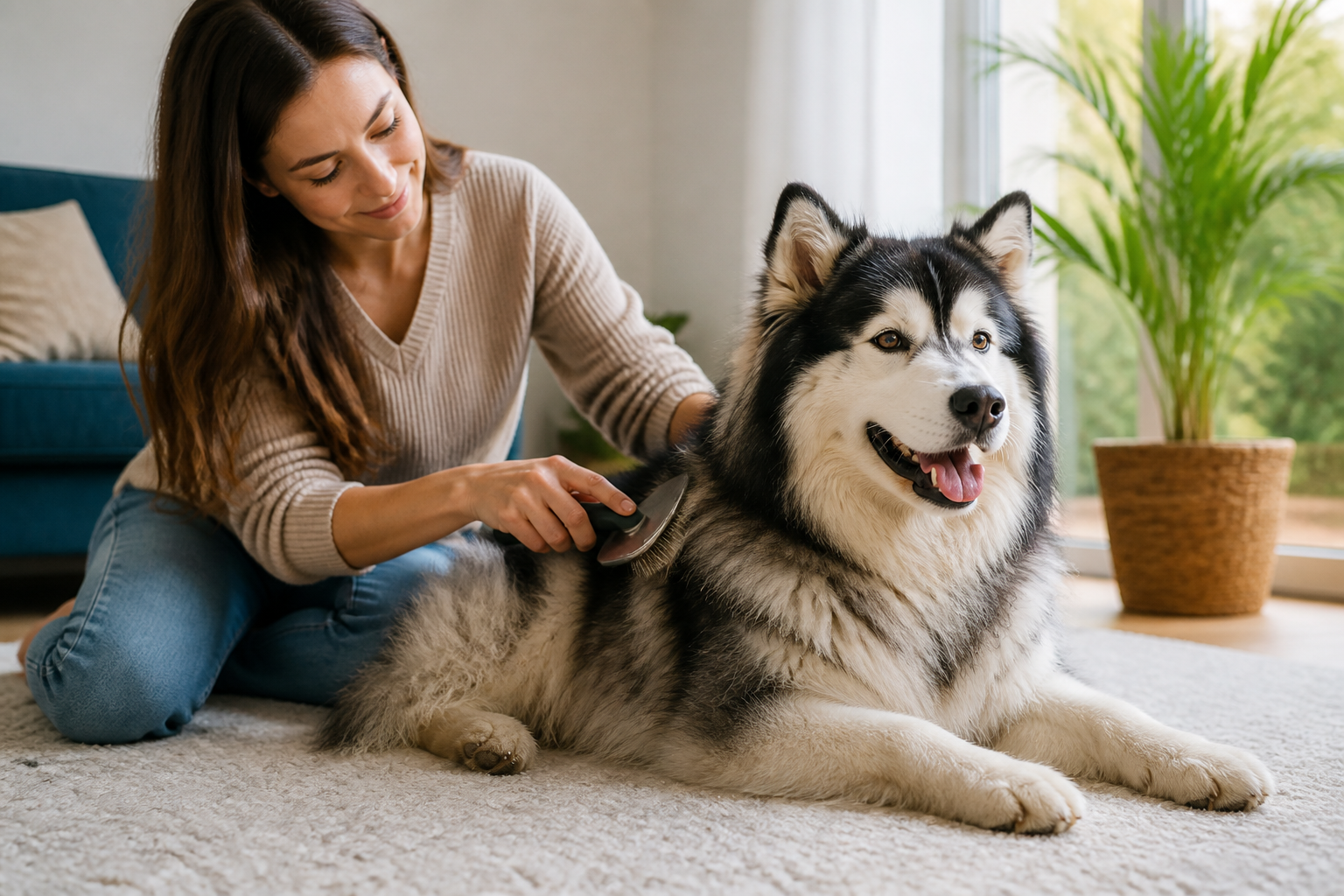
You finally sit down on the sofa after a long day only to notice a layer of fine, tan fluff covering your black leggings. A quick look under the coffee table reveals a literal tumbleweed of fur drifting toward the hallway. If you live with a Husky, a Golden Retriever, or a German Shepherd, this scene is your daily reality. At BaxterBoo, we know that managing a double coated dog feels like a full-time job during shedding season. Understanding exactly how often to pick up that brush can be the difference between a manageable home and a house buried in fur. This post covers the ideal brushing frequency for different breeds, the essential tools you need, and how to maintain the skin health beneath all that hair. Proper brushing does more than just stop shedding; it keeps your dog comfortable and their temperature regulated year round.
Understanding the Double Coat
A double coat is a specialized two layer system that acts like high performance outdoor gear for your dog. The first layer is the undercoat. This consists of short, soft, dense hairs that sit close to the skin. It works like insulation, trapping air to keep the dog warm in the winter and cool in the summer. Because these hairs are so fine, they are the primary culprits for matting and the heavy shedding you see around your home.
The second layer is the topcoat, which is made of longer, tougher hairs called guard hairs. These hairs are designed to repel water and protect the skin from dirt and physical scrapes. Unlike the undercoat, which sheds in large quantities, guard hairs have a much longer life cycle. When you ask how often you should brush, the answer depends largely on how quickly that undercoat is turning over.
Double coats are found on a variety of breeds including:
- Herding breeds like Border Collies and Australian Shepherds
- Working breeds like Siberian Huskies, Bernese Mountain Dogs, and Great Pyrenees
- Retrievers like Labradors and Goldens
- Small breeds like Pomeranians and Corgis
Key Takeaway: The undercoat provides insulation while the topcoat provides protection. Both layers must be managed to prevent painful mats and skin irritation.
How Often Should You Brush?
For most double coated dogs, a baseline of two to three brushing sessions per week is the gold standard. This frequency allows you to stay ahead of the natural hair growth cycle without making grooming feel like a chore for your pet. If your dog has a more active lifestyle or spends a lot of time hiking through brush, you might need to increase this to every other day to remove debris like burrs or dried mud.
The schedule changes dramatically during "blowing coat" season. This typically happens twice a year, usually in the spring and fall, as the dog prepares for a change in temperature. During these few weeks, the undercoat releases in massive clumps. When your dog is blowing their coat, you should aim to brush them daily. Failing to do so can lead to the undercoat getting trapped against the skin, which blocks airflow and can cause hot spots. For additional shedding guidance, see our tips on managing Australian Shepherd shedding.
Quick Answer: Brush your double coated dog 2 to 3 times per week for general maintenance. Increase this to daily brushing during seasonal shedding periods when they are blowing their coat.
Factors That Change Your Brushing Schedule
Not every double coated dog is the same. A Labrador has a short, dense double coat that requires different care than the long, flowing coat of a Collie. The environment also plays a massive role in how much hair ends up on your floor.
Climate and Environment
Dogs living in colder climates often develop a much thicker undercoat. When the weather warms up, they have more hair to lose than a dog living in a consistently temperate area. Conversely, dogs that live primarily indoors with central heating and cooling may shed small amounts consistently throughout the year rather than having two massive "blow out" events.
Activity Level
If your dog loves swimming or running through tall grass, you will need to brush more often. Water can cause the undercoat to clump together. If you do not brush the dog after they get wet, those clumps can quickly turn into tight mats. We recommend a quick check of the "friction zones" like the armpits and behind the ears after every outdoor adventure.
Life Stage
Puppies often have a soft, single layer coat that gradually transitions into a double coat as they mature. This usually happens between six and twelve months of age. We suggest starting a brushing routine even before the double coat fully develops. This gets the puppy used to the sensation of the tools, making your life much easier when the heavy shedding begins later on.
The Right Tools for Double Coats
Using the wrong brush is the most common reason pet owners feel like they are not making progress with shedding. A standard pin brush might look like it is doing work, but it often just slides over the topcoat without touching the undercoat where the real mess lives. Explore our dog grooming supplies to build a grooming kit suited to your dog’s coat.
To do the job right, we suggest having a few specific tools in your kit:
- Slicker Brush: This is your primary tool for daily use. It has fine wire bristles that reach through the topcoat to grab loose undercoat hair.
- Undercoat Rake: This tool has long, blunt metal tines. It is designed to dive deep into the coat to pull out dead hair from the undercoat without cutting the guard hairs.
- Metal Greyhound Comb: A sturdy metal comb is essential for checking your work. If the comb can slide through the hair from the skin to the tips without snagging, you have successfully removed the mats.
- Bristle Brush: This is best for a finishing touch. It helps distribute natural skin oils across the topcoat for a healthy shine.
For a dedicated option, the Master Grooming Tools Self-Cleaning Slicker Brush is designed to remove loose hair, dirt, debris, mats, and tangles.
Key Takeaway: You cannot maintain a double coat with a single tool. Use a rake to remove the bulk of the undercoat and a slicker brush for smoothing and finishing.
Step By Step Guide to Line Brushing
Line brushing is the most effective technique for double coated breeds. It ensures that you are actually reaching the skin rather than just "skating" over the top of the fur.
Step 1: Start at the bottom. / Begin at the base of the rear legs or the tail and work your way up toward the head.
Step 2: Partition the hair. / Use one hand to push a section of hair upward, exposing a "line" of skin.
Step 3: Brush the exposed hair. / Use your slicker brush or rake to brush the hair downward away from the skin.
Step 4: Move up and repeat. / Release a small amount of the hair you are holding and brush that new section down into the area you just finished.
Step 5: Check with a comb. / Once you finish a large area, run your metal comb through it to ensure no tangles remain near the skin.
Bottom line: Line brushing is the only way to guarantee you are removing the trapped undercoat that causes matting.
Why You Should Never Shave a Double Coat
It is a common mistake to think that shaving a thick coated dog will help them stay cool in the summer. In reality, shaving a double coat can be dangerous. The undercoat acts as a buffer against the heat. When you remove it, the dog loses their ability to regulate their body temperature.
Furthermore, the guard hairs protect the dog's skin from the sun. Shaved dogs are at a high risk for sunburn and even heatstroke. There is also the risk that the coat will not grow back correctly. Often, the undercoat grows back faster than the guard hairs, leading to a patchy, fuzzy texture that is even more prone to matting than the original coat.
Vet Tip: If your dog is struggling with the heat, focus on thorough brushing to remove the dead undercoat rather than shaving. If you notice persistent skin redness or signs of overheating, consult your veterinarian to rule out underlying health issues.
Skin Health and the BaxterBoo Pharmacy
Regular brushing is about more than just aesthetics. It is a vital health check. As you move through the coat, you should be looking for any signs of skin issues. Trapped moisture in a thick undercoat can lead to fungal infections or "hot spots" which are painful, oozing sores. You can also explore our dog skin and coat health products for grooming and wellness support.
If you find that your dog's skin is consistently dry, flaky, or irritated despite a good brushing routine, it may be time to look at their internal health or environmental allergies. Our pet pharmacy offers a wide range of FDA approved medications and prescription diets through our partnership with Pet's Choice. Whether your dog needs a specific medicated shampoo or a prescription allergy medication, we can help you manage those chronic conditions.
Common issues to watch for during grooming:
- Red, inflamed skin patches
- Excessive dander or "black pepper" flakes (which may indicate fleas)
- Sores that smell or have discharge
- Lumps or bumps that have changed size
Vet Tip: Always consult your vet if you find new lumps or if your dog's skin seems painful to the touch during grooming. They can provide a proper diagnosis and help you navigate prescription treatment options available through our pharmacy.
Maintaining the Routine
Consistency is more important than the length of the session. If your dog is impatient, try brushing for just ten minutes every day rather than an hour once a week. Use high value treats to create a positive association with the grooming tools. Brands like Kong or RedBarn offer treats that can keep a dog occupied while you work through the heavy shedding areas.
We also recommend checking the "hot spots" for tangles every single day. These include:
- Behind the ears where the hair is very fine
- The "trousers" or long hair on the back of the legs
- The armpits where friction occurs
- Under the collar or harness
If you find a small knot, use your fingers to gently pull it apart before using a brush. Never pull hard with a comb, as this can cause "brush burn" on the skin and make the dog fearful of future grooming sessions.
Bottom line: Short, daily sessions are often more effective and less stressful than long, infrequent marathons.
Nutrition and Coat Quality
The frequency of your brushing may actually be influenced by what you put in your dog's bowl. A coat that is brittle and sheds excessively may be a sign of a nutritional deficiency. High quality foods from brands like Farmina, Orijen, or Open Farm are rich in Omega fatty acids that support skin elasticity and hair strength.
Supplements can also play a role in reducing the amount of "dead" hair you have to brush out. The K9 Power Show Stopper Dog Healthy Coat and Skin Supplement contains ingredients intended to support skin and coat wellness. If you notice your dog is shedding far more than usual outside of the typical seasonal changes, a quick review of their diet with a vet is a smart move.
Key Takeaway: Healthy skin starts from the inside. Proper nutrition and supplements can improve coat strength and potentially reduce the intensity of shedding.
Conclusion
Managing a double coated dog requires a commitment to regular maintenance, but the rewards are a healthier pet and a much cleaner home. By brushing two to three times a week and moving to a daily schedule during shedding season, you prevent painful mats and keep your dog's natural cooling system working perfectly. We encourage you to build a kit with the right tools, like a quality slicker brush and a sturdy undercoat rake, to make the process efficient.
- Brush 2 to 3 times weekly.
- Use the line brushing technique to reach the skin.
- Never shave the coat for summer cooling.
- Check for skin irritations during every session.
If you are ready to upgrade your grooming kit or need to restock on skin support supplements, visit our grooming and health sections. For those managing chronic skin conditions or allergies, our pharmacy partnership with Pet's Choice is here to provide the prescription support your dog needs. You can even set up our Autoship programme for your favorite grooming sprays and treats to save time and ensure you never run out of the essentials.
FAQ
Can I use a human hairbrush on my double coated dog?
Human brushes are generally not effective for double coats because the bristles are too soft or too short to reach the undercoat. They tend to just smooth the topcoat, leaving the trapped dead hair underneath to form mats. It is much better to use a dedicated slicker brush or undercoat rake designed for canine fur.
What should I do if my dog has a large, tight mat?
If you find a mat that is tight against the skin, do not try to pull it out with a brush as this is very painful. You can try to gently pick it apart with a metal comb or your fingers using a detangling spray. If the mat is "pelted" or completely solid against the skin, it is safest to have a professional groomer or vet remove it with clippers to avoid cutting the skin.
Does my dog still need to be brushed if they are not shedding much?
Yes, because brushing does more than just remove loose hair. It stimulates the skin, distributes natural oils that keep the coat waterproof, and allows you to check for hidden lumps or parasites like ticks. Regular brushing also helps desensitize your dog to being handled, which is helpful for vet visits.
Should I brush my double coated dog while they are wet?
It is usually best to brush your dog when they are dry or only slightly damp with a grooming spray. When hair is wet, it can stretch and break more easily. Additionally, if you do not get all the tangles out before a bath, the water can actually cause those knots to tighten and become much harder to remove once the dog is dry.






