
 Save 15% on your 1st Autoship learn more

 Email us
 Live Chat
 FAQs
FAQs





Introduction
You lean in for a morning pup kiss and notice a smell that is more than just "dog breath." It is a sharp, pungent odor that makes you pull away. At BaxterBoo, we know these moments often lead to worry about your pet's health and comfort. You might wonder if a simple dental chew will fix the issue or if it is time for a professional visit. Understanding how often clean dogs teeth at vet clinics is a vital part of being a proactive pet owner. Most dogs need a professional cleaning every year, but factors like breed, age, and diet can change this timeline significantly. This guide will walk you through the recommended schedules and the signs that your dog needs a dental appointment. Our goal is to help you keep your dog healthy and pain-free for years to come.
Quick Answer: Most adult dogs require a professional dental cleaning once every 12 months. Small breeds and senior dogs often need more frequent cleanings, typically every 6 to 9 months, due to their higher risk for dental disease.
The General Rule for Professional Dental Cleaning
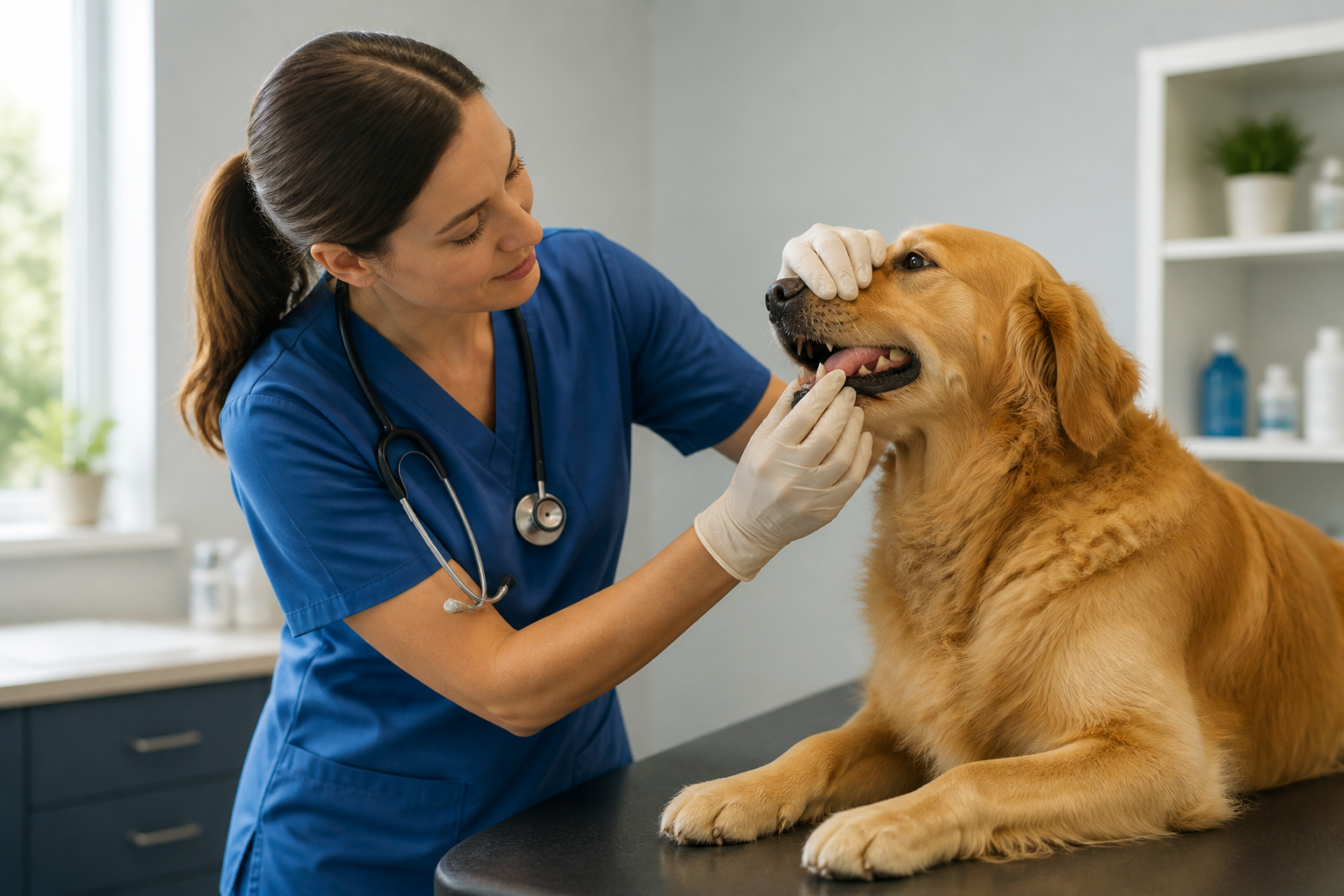
For the average adult dog, a professional veterinary cleaning once a year is the gold standard. This schedule allows your veterinarian to remove tartar that home brushing cannot reach. It also provides a chance to catch early signs of oral cancer or gum recession. Regular cleanings are the best way to prevent periodontal disease, which affects over 80 percent of dogs by age three.
Plaque is a sticky film of bacteria that forms on the teeth within hours of eating. If it is not brushed away, it mixes with minerals in the saliva and hardens into tartar. Once tartar forms, it is like concrete on the teeth. You cannot brush it off at home. Only professional scaling tools used by a veterinarian can safely remove it. This is why the annual visit is so important even for dogs that seem healthy.
Key Takeaway: Annual professional cleanings serve as a deep reset for your dog’s oral health, removing hardened tartar that leads to systemic infection.
Why Size and Breed Change the Cleaning Schedule
Not all dogs have the same dental needs. Small and toy breeds are notorious for dental problems. These dogs often have 42 adult teeth crowded into a very small jaw. This crowding creates many nooks and crannies where food and bacteria can hide. It is much harder for saliva or chewing to naturally clean these tight spaces.
Small breeds like Yorkies, Chihuahuas, and Cavalier King Charles Spaniels often need cleanings every six to nine months. If they wait a full year, they may already have significant bone loss or infections. On the other end of the scale, large dogs with plenty of space between their teeth may be able to go 18 months or longer. This is especially true if their owners are diligent about home care.
| Dog Profile | Recommended Frequency | Primary Reason |
|---|---|---|
| Small & Toy Breeds | Every 6 to 9 months | Tooth crowding and narrow gum pockets |
| Large & Giant Breeds | Every 12 to 18 months | Larger mouths allow for better natural cleaning |
| Brachycephalic (Flat-faced) | Every 6 to 12 months | Misaligned jaws and crowded teeth |
| Senior Dogs (7+ years) | Every 6 to 12 months | Weakened immune response and aging enamel |
The Impact of Age on Oral Health
Age is a major factor in how often your dog should see the vet for a cleaning. Puppies rarely need professional cleanings because they lose their baby teeth between four and six months of age. However, this is the best time to start an oral exam routine. You want to ensure their adult teeth are coming in straight and that they do not have any "retained" baby teeth. Retained teeth can trap food and cause the adult teeth to grow in at odd angles.
As dogs reach their senior years, their immune systems change. They may also have other health conditions like kidney or heart issues that make oral bacteria more dangerous. Many senior dogs need cleanings every six months to keep inflammation under control. Keeping the mouth clean can actually extend a senior dog's life by reducing the strain on their internal organs.
Vet Tip: Ask your veterinarian for a dental grade during every wellness exam. They can tell you if your dog is at a "Grade 1" (mild gingivitis) or a "Grade 4" (severe disease) to help you decide when to schedule the next cleaning.
Why Professional Cleaning Requires Anesthesia
A common question owners ask is why their dog must be "put under" for a cleaning. You may see "anesthesia-free" dental services offered by groomers or at some pet stores. While these may make the teeth look white, they are purely cosmetic. They do not address the real health problems.
Most dental disease in dogs happens below the gumline. To clean this area, a veterinarian must use sharp tools and ultrasonic scalers. A dog will not sit still for this. Anesthesia is necessary for several reasons:
- It allows for a thorough exam of every single tooth.
- It permits the use of dental X-rays to see the roots.
- It prevents the dog from feeling pain or stress during the procedure.
- It protects the airway so the dog does not inhale water or bacteria during the cleaning.
Our pharmacy partners through Pet's Choice help provide the safe sedatives and pain medications used in these procedures. This partnership ensures that your vet has access to the highest quality FDA-approved medications for your dog's safety.
Signs Your Dog Needs a Professional Cleaning Now
Sometimes you cannot wait for the annual visit. Some dogs develop dental disease much faster than others. You should watch for physical and behavioral changes that suggest your dog is in pain or has an infection. For more guidance, read about warning signs of bad teeth in dogs.
- Persistent Bad Breath: This is often the first sign. "Dog breath" should not be foul or rotting.
- Bleeding Gums: You might see blood on a chew toy or in their water bowl.
- Discolored Teeth: Look for brown or yellow crusty buildup near the gumline.
- Changes in Eating Habits: If your dog starts dropping food or only chewing on one side, their mouth likely hurts.
- Pawing at the Face: This is a sign of acute discomfort.
- Excessive Drooling: Sudden drooling can indicate an abscess or a broken tooth.
Key Takeaway: Behavioral changes like "picky eating" are often actually signs of dental pain that requires a professional veterinary visit.
What Happens During a Veterinary Dental Appointment
When you drop your dog off for a dental cleaning, they undergo a full medical procedure. It is much more involved than a human dental visit. Here is the typical process:
Step 1: The pre-operative exam. / The vet checks your dog's heart and lungs. They usually perform bloodwork to ensure the liver and kidneys can handle anesthesia.
Step 2: Induction and monitoring. / Your dog is safely sedated. A technician monitors their heart rate, oxygen levels, and blood pressure the entire time.
Step 3: Full mouth X-rays. / This is the most important part. X-rays reveal root rot, bone loss, and hidden abscesses that look normal from the outside.
Step 4: Scaling and polishing. / The vet removes tartar from the teeth and under the gums. Then they polish the enamel to make it smooth, which helps prevent new plaque from sticking.
Step 5: Recovery and home care. / Your dog wakes up in a warm, quiet area. The vet will discuss any extractions and provide instructions for the next few days.
The Connection Between the Mouth and the Body
Dental health is not just about a pretty smile. It is about whole-body wellness. The mouth is full of blood vessels that lead directly to the rest of the body. When a dog has periodontal disease, the gums are inflamed and bleeding. This creates a gateway for bacteria to enter the bloodstream.
Once in the blood, these bacteria can travel to the heart valves. They can cause a condition called endocarditis. They can also lodge in the small filters of the kidneys or the liver. This leads to chronic organ failure over time. By cleaning your dog's teeth at the vet regularly, you are protecting their most vital organs from unnecessary damage.
Bottom line: A clean mouth reduces systemic inflammation and protects the heart, liver, and kidneys from bacterial infection.
Managing the Cost of Professional Cleanings
Many owners hesitate to schedule cleanings because of the cost. A professional cleaning is an investment. It is much cheaper to pay for an annual cleaning than to pay for emergency surgery to remove ten infected teeth later.
The cost varies depending on several factors:
- Location: Veterinary care costs more in major cities.
- Size of Dog: Larger dogs require more anesthesia and supplies.
- Severity of Disease: Extractions and X-rays add to the final bill.
- Specialist Needs: If your dog needs a root canal, you may need a board-certified veterinary dentist.
We recommend looking into FIGO pet insurance, which offers plans that can help manage the costs of veterinary care. Some clinics also offer wellness plans that allow you to pay a monthly fee to cover the cost of the annual dental procedure.
Supporting Oral Health at Home Between Visits
While the vet handles the deep cleaning, you handle the daily maintenance. Think of the vet as your dog's dentist and yourself as the one who makes sure they "brush and floss." Consistent home care can actually extend the time between professional cleanings. BaxterBoo's dental food and treat collection offers options for maintaining your dog's routine between visits.
Brushing the Teeth
Brushing is the most effective thing you can do at home. You should use a toothbrush specifically designed for dogs and a pet-safe toothpaste. Never use human toothpaste. It contains fluoride and xylitol, both of which are toxic to dogs. Most dog toothpastes come in flavors like poultry or beef to make the experience better for them. For additional tips, review these pet dental care tips.
Dental Chews and Toys
Chewing is a natural way for dogs to keep their teeth clean. Products like Greenies are designed to scrape plaque off as the dog chews. Kong toys can also be stuffed with healthy treats to encourage long chewing sessions. Look for products that have the Veterinary Oral Health Council (VOHC) seal of approval. This seal means the product has been tested and proven to reduce plaque or tartar. You can explore our dog dental care selection for chews and other oral-care products.
Water Additives and Diets
If your dog will not let you brush their teeth, you can try water additives. These are tasteless liquids you add to their bowl that help break down bacteria. Some dogs also benefit from prescription dental diets. These kibbles are larger and have a specific texture that acts like a toothbrush as the dog eats. You can find many of these prescription options through the BaxterBoo pharmacy after consulting with your vet.
Vet Tip: Introduce tooth brushing slowly. Start by letting your dog lick the toothpaste off your finger. Gradually move to rubbing their gums before ever introducing the brush.
The Role of the BaxterBoo Pharmacy in Dental Care
Ongoing oral health often requires more than just a brush. If your veterinarian identifies a chronic issue, they may prescribe specific treatments. This could include medicated gels, specialized mouth rinses, or prescription diets like Farmina Vet Life.
Our pharmacy at BaxterBoo operates in partnership with Pet's Choice to provide these FDA-approved medications and prescription foods. This allows you to get exactly what your vet ordered delivered right to your door. If your dog needs antibiotics for a mouth infection or pain relief after a major extraction, we can help fulfill those prescriptions quickly. This integration of retail and pharmacy makes it easier for you to follow your vet's treatment plan without making extra trips.
Checklist for Post-Cleaning Care
After your dog has their teeth cleaned at the vet, they will need some extra attention. Most dogs recover quickly, but the first 24 to 48 hours are important.
- Soft Food: If your dog had extractions, feed them soft, wet food for several days.
- Monitor for Lethargy: It is normal for them to be sleepy, but they should be alert enough to walk and drink.
- Check the Gums: Look for any excessive bleeding or swelling where teeth were removed.
- Finish All Medications: If the vet prescribed antibiotics or pain relief, give every dose as directed.
- Wait to Brush: Do not start brushing their teeth again until any extraction sites have fully healed, usually about two weeks.
Bottom line: Proper aftercare ensures that your dog heals quickly and remains comfortable after their professional procedure.
Summary of Professional Dental Frequency
Maintaining your dog's oral health is a lifelong commitment. While the general rule is to have a professional cleaning once a year, you must listen to your dog's specific needs. A small dog with a history of gingivitis will need much more attention than a young large-breed dog with clean teeth.
Regular cleanings at the vet combined with daily care at home is the "magic formula" for a healthy pet. This routine prevents pain, saves money on extractions, and protects your dog's heart and kidneys. At BaxterBoo, we carry over 500 brands to support your pet's wellness journey, from the best dental chews to prescription medications. Consider these recommended dental chews for dogs for at-home maintenance between cleanings.
If you are ready to take the next step in your dog's dental care, check out our dental treats and oral health supplies. You can also talk to your vet about our pharmacy services for any prescription dental needs. Staying organized with recurring supplies may be easier through our Autoship programme, while the MVP Rewards programme can help you get more from eligible purchases. By staying proactive, you are giving your dog the gift of a healthy, happy, and fresh-smelling life.
FAQ
Is it really necessary to put my dog under anesthesia for a cleaning?
Yes, anesthesia is the only way to perform a safe and thorough dental cleaning. It allows the veterinarian to clean under the gumline where the most damage occurs and take X-rays to check the health of the tooth roots. Without anesthesia, the process is stressful for the dog and only addresses the visible tartar on the surface of the teeth.
What is the average cost of a dog dental cleaning at the vet?
The cost generally ranges from $350 to $1,000 depending on your location and the size of your dog. This price usually includes the physical exam, bloodwork, anesthesia, and the cleaning itself. However, if your dog requires X-rays, extractions, or specialized medications, the price can increase significantly, sometimes reaching $1,500 or more.
Can I just use dental chews instead of a professional cleaning?
Dental chews are a great tool for daily maintenance, but they cannot replace a professional cleaning. Chews help remove soft plaque from the surface of the teeth, but they cannot remove hardened tartar or treat disease below the gumline. Think of chews as the "brushing" and the vet visit as the "deep cleaning" that every dog eventually needs.
At what age should my dog have their first professional dental cleaning?
Most veterinarians recommend a dog's first professional cleaning between the ages of one and three. Small breeds often need their first cleaning closer to the one-year mark because their teeth are more prone to crowding. Your vet will evaluate your dog's teeth during their annual wellness exam and let you know when it is time to schedule the first procedure.






