
 Save 15% on your 1st Autoship learn more

 Email us
 Live Chat
 FAQs
FAQs





Introduction
You lean in for a morning nuzzle and notice it. The usual "dog breath" has shifted into something much more pungent. It might smell like rotting food or even have a sharp, metallic edge. At BaxterBoo, we know this is the exact moment many pet owners realize they have fallen behind on dental care. It is a common situation for even the most attentive owners. While you might brush your dog’s teeth occasionally, it is rarely enough to stop the buildup that leads to gum disease. Professional cleanings are a necessary part of modern pet care. This post covers the specific timelines for different breeds, the signs that a cleaning is overdue, and how to maintain oral health between visits. Our goal is to help you understand the schedule your dog needs to stay healthy and pain-free.
The Standard Recommendation for Professional Cleaning
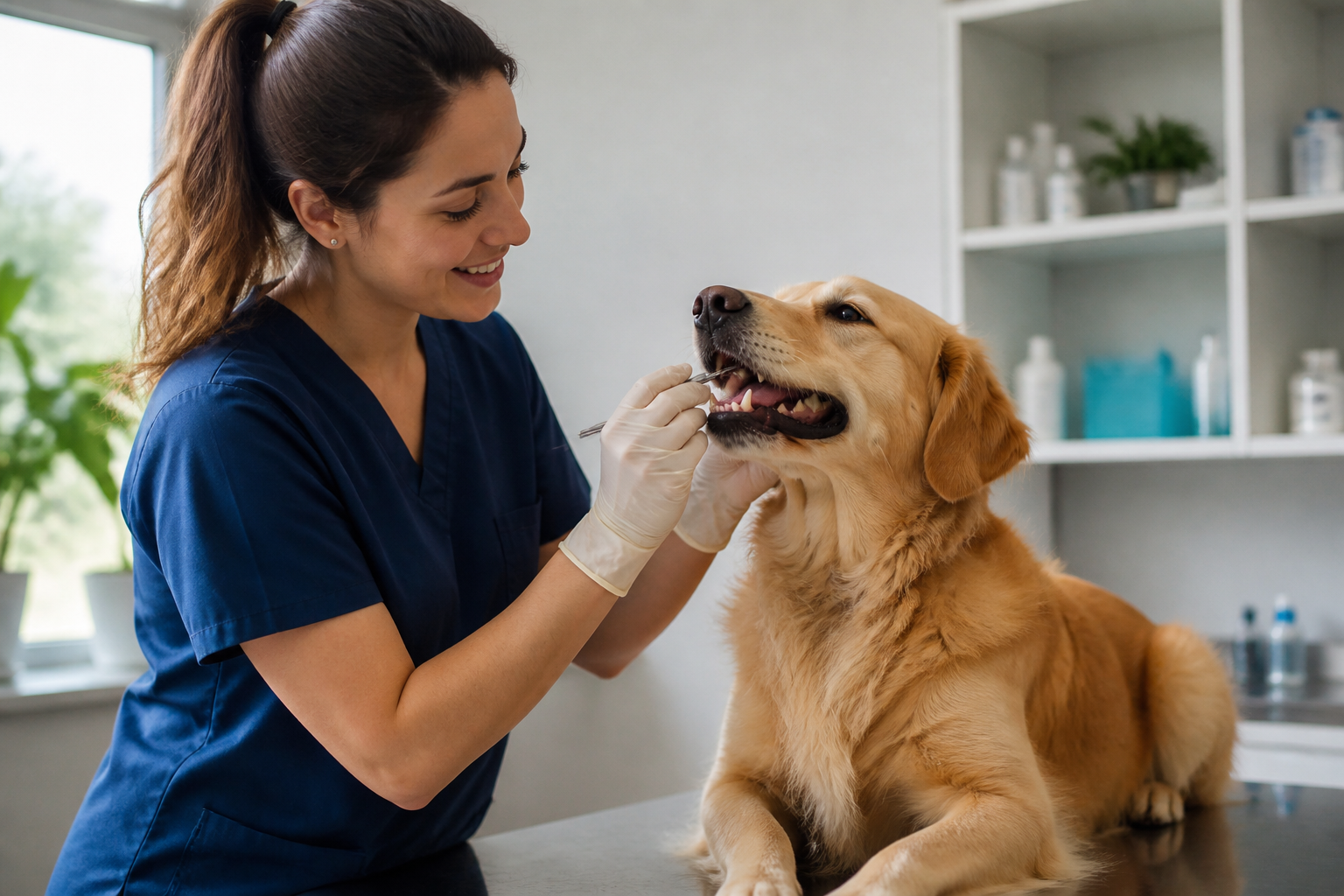
The general rule of thumb for most adult dogs is a professional dental cleaning once every year. This baseline works well for many medium and large breeds that have plenty of space between their teeth. During a year of eating, playing, and chewing, plaque naturally accumulates. Even with daily brushing, a small amount of plaque remains in the crevices and under the gum line. Over time, this plaque hardens into tartar. Only a professional scaler used by a veterinarian can remove hardened tartar without damaging the tooth enamel.
Age plays a significant role in this timeline. Most veterinarians recommend that a dog has its first professional cleaning between two and three years of age. By this time, many dogs already show the first stages of periodontal disease. Starting early allows the vet to catch small issues before they require expensive extractions. If you wait until a dog is seven or eight for their first cleaning, they often require multiple teeth to be pulled.
Quick Answer: Most dogs require a professional dental cleaning once per year starting around age two or three. However, small breeds or dogs with existing dental issues may need a cleaning every six months to prevent tooth loss.
For additional guidance on warning signs and veterinary dental care, read our guide to signs of bad teeth in dogs.
Why Breed and Size Change the Frequency
Not every dog fits the once-per-year mold. Small breeds and toy breeds are notorious for dental problems. If you own a Yorkie, Chihuahua, or Miniature Poodle, you are likely looking at a cleaning every six to nine months. Small dogs have the same number of teeth as large dogs, but their mouths are much smaller. This leads to severe overcrowding. Food and hair get trapped between these tight spaces, which accelerates the growth of bacteria.
Brachycephalic breeds also face unique challenges. These are the "flat-faced" dogs like Pugs, French Bulldogs, and Boston Terriers. Their jaw structure is often compressed. This causes teeth to sit at odd angles, creating pockets where plaque can hide. These dogs often require more frequent checkups to ensure their gums stay healthy.
Large breeds often have a slightly easier time. Their teeth are spaced further apart, allowing the natural action of saliva and chewing to keep some surfaces clean. A large dog with a dedicated owner who brushes their teeth daily might go 18 months or even two years between professional cleanings. However, this is only possible if the owner is diligent about home care.
Key Takeaway: Small and flat-faced breeds require more frequent professional cleanings due to tooth crowding and jaw structure. Expect to visit the vet for dental work twice as often as a large breed owner would.
Signs Your Dog Is Overdue for a Cleaning
Waiting for the calendar to tell you it is time for a cleaning is one way to do it. However, it is better to watch your dog for physical and behavioral signs. Your dog cannot tell you their mouth hurts. In fact, many dogs will continue to eat even with severe dental infections. They are experts at hiding chronic pain.
Look for these specific indicators:
- Persistent bad breath that does not go away after a meal
- A yellow or brown crust along the gum line (tartar)
- Red, swollen, or bleeding gums
- Dropping pieces of kibble while eating
- Pawing at the mouth or rubbing the face on the carpet
- A sudden preference for soft food over hard treats
If you notice blood on a chew toy or in the water bowl, this is a major warning sign. Healthy gums do not bleed. This usually indicates advanced gingivitis or periodontitis.
Vet Tip: If your dog is "shying away" when you touch their muzzle, they may be experiencing oral pain. Schedule a dental exam with your veterinarian immediately to check for abscesses or cracked teeth.
You can also compare these symptoms with common dog dental care warning signs while monitoring your dog at home.
The Importance of Professional Cleaning Under Anesthesia
There is a common misconception that a "cosmetic" or "anesthesia-free" cleaning is just as good as a professional one. At BaxterBoo, we want to be clear: anesthesia-free cleanings do not provide medical benefits. They only remove the tartar you can see. The real damage happens under the gum line, where bacteria attack the structures that hold the teeth in place.
A professional procedure, often called a COHAT (Comprehensive Oral Assessment and Treatment), requires anesthesia for several reasons. First, the vet must use a probe to check the depth of the pockets around every single tooth. No dog will sit still for this while awake. Second, the vet needs to take dental X-rays. Since 60 percent of a dog's tooth is hidden under the gum line, X-rays are the only way to find bone loss or hidden infections.
Finally, anesthesia allows the vet to scale the inner surfaces of the teeth and polish them. Polishing is vital because scaling leaves tiny scratches on the enamel. Without polishing, plaque would attach to those scratches and grow back even faster.
Bottom line: Anesthesia-free cleaning is a cosmetic fix that leaves hidden disease behind. Proper medical cleanings require anesthesia to reach the bacteria living under the gums.
At-Home Maintenance to Extend Time Between Cleanings
While professional cleanings are inevitable, your daily habits determine how often they happen. Think of your own dental health. You go to the dentist twice a year, but you still brush every day. Your dog needs the same routine. Brushing is the gold standard for home care.
Step 1: Get the right tools. Use a toothbrush specifically designed for dogs or a soft finger brush. Never use human toothpaste. Human toothpaste often contains xylitol or high levels of fluoride, both of which are toxic to dogs.
Step 2: Start slowly. Let your dog lick the pet-safe toothpaste off your finger first. Many dog toothpastes come in flavors like poultry or beef to make the experience pleasant.
Step 3: Focus on the outside. You do not need to worry about the inside of the teeth near the tongue. Most tartar accumulates on the cheek side. Spend 30 seconds on each side of the mouth.
Step 4: Be consistent. Brushing once a week is not very effective. Plaque turns into tartar in about 48 to 72 hours. Aim for daily brushing, or at least every other day, to make a real difference.
Shop our dog dental care collection for toothbrushes, toothpaste, wipes, and other oral-care supplies.
Beyond the Brush: Chews and Diets
Not every dog will tolerate a toothbrush. If your dog treats a toothbrush like a mortal enemy, you have other options. Dental chews are a popular choice. Look for the VOHC (Veterinary Oral Health Council) seal on the packaging. This seal means the product has been tested and proven to reduce plaque and tartar.
Specialty dental diets are another tool. Standard dry kibble does not really clean teeth. It usually crumbles the moment a dog bites it. However, prescription dental foods are designed with a specific fiber matrix. The kibble does not shatter. Instead, it gently scrubs the surface of the tooth as the dog bites down.
We carry many brands that support oral health, including Kong toys that can be stuffed with healthy treats to encourage chewing. For those who need prescription support, our pet pharmacy offers access to FDA-approved medications and prescription pet foods. Through our partnership with Pet's Choice, we can help you get the specific dental diets your vet recommends for managing chronic oral issues.
Key Takeaway: Daily brushing is the most effective way to prevent tartar. If brushing is impossible, use VOHC-approved chews and prescription dental diets to slow down plaque buildup.
The Connection Between Dental Health and Longevity
Regular dental cleanings are not just about white teeth and fresh breath. They are a matter of life and death. The mouth is a gateway to the rest of the body. When a dog has periodontal disease, their gums are essentially an open wound. Every time they chew, bacteria from the mouth enter the bloodstream.
This bacteria can travel to the heart, liver, and kidneys. It can cause infections in the heart valves, known as endocarditis, and lead to chronic kidney disease. Studies show that dogs with consistent dental care live significantly longer than those with neglected mouths. By staying on top of professional cleanings, you are protecting your dog’s vital organs.
Vet Tip: If your vet prescribes antibiotics or pain medication after a dental procedure, ensure you complete the full course. Our pharmacy can fulfill these prescriptions through the Pet's Choice partnership to ensure your dog recovers quickly and safely.
Cost Management and Preventive Planning
Many owners avoid the vet for dental work because of the cost. Professional cleanings involve anesthesia, blood work, X-rays, and trained staff. This can lead to a significant bill. However, reactive dentistry is always more expensive than preventive dentistry.
A routine cleaning might cost a few hundred dollars. If you wait until the dog has "rotten" teeth, you might pay three or four times that amount for extractions and oral surgery. One of the best ways to manage these costs is through a pet insurance policy, like those offered through our FIGO pet insurance partnership. Some plans include dental illness coverage, which can be a lifesaver for breeds prone to mouth issues.
You can also take advantage of the MVP Rewards programme. By earning points on your regular food and treat purchases, you can save money on the dental supplies you need for at-home care. Using our Autoship programme for dental chews and specialty diets also ensures you never run out, keeping your dog's mouth cleaner for longer.
Recovery After a Professional Cleaning
Most dogs recover from a dental cleaning remarkably fast. Since they are under anesthesia, they will likely be groggy for the first few hours after you bring them home. It is common for them to be a little wobbly or extra sleepy.
If your dog had extractions, the recovery takes a bit more effort. Your vet will likely suggest a soft food diet for five to ten days while the gum tissue heals. They may also prescribe pain medication. Watch for any signs of excessive bleeding or a refusal to drink water. Most dogs are back to their normal, bouncy selves within 24 to 48 hours.
Bottom line: Post-cleaning recovery is usually quick. For dogs who had extractions, a soft food diet and prescribed pain management are the keys to a comfortable healing process.
Summary of Dental Care Success
Keeping your dog's mouth healthy requires a two-part strategy. You handle the daily maintenance, and the professionals handle the deep cleaning. While the "once a year" rule is a great starting point, always listen to your vet's specific advice for your dog's breed and age.
At BaxterBoo, we have been helping pet owners navigate these health needs since 2006. We believe that expert guidance and the right products make pet ownership easier. Whether you need a new toothbrush, a bag of VOHC-approved chews, or a prescription diet from our pharmacy, we are here to support your dog’s journey to a healthier smile.
- Schedule a vet exam to determine your dog's specific dental needs.
- Start a daily or every-other-day brushing routine at home.
- Invest in dental chews and toys that encourage healthy chewing.
- Use a professional cleaning to reset the clock on plaque and tartar.
- Monitor your dog's breath and eating habits for early warning signs.
Your dog's dental health is a vital part of their overall wellness. By being proactive, you can save them from unnecessary pain and ensure you have many more years of fresh-breathed kisses. Check out our dog dental care category or our pharmacy for specialized products that support oral hygiene.
FAQ
Is anesthesia really necessary for a dog's teeth cleaning?
Yes, anesthesia is the only way to perform a safe and thorough dental cleaning. It allows the veterinarian to scale under the gum line where disease-causing bacteria live and to take essential X-rays. Without it, the procedure is purely cosmetic and fails to treat the most significant health risks.
Can I just use dental treats instead of professional cleaning?
Dental treats are a helpful supplement for maintaining oral health, but they cannot replace a professional cleaning. Treats can help reduce new plaque, but they cannot remove hardened tartar that has already formed. Think of treats like chewing sugarless gum for humans; it helps, but it is not a substitute for the dentist.
At what age should my dog have their first dental cleaning?
Most dogs should have their first professional dental assessment and cleaning between two and three years of age. Smaller breeds may need to start as early as one or two years old because their teeth are more prone to crowding and early-onset gum disease.
Why does my dog still have bad breath after a professional cleaning?
While a cleaning should significantly improve breath, persistent bad breath could indicate an underlying issue. This might be a deep-seated infection that was not fully resolved, a problem with the digestive system, or even kidney issues. If the smell returns quickly after a cleaning, consult your veterinarian for further diagnostic testing.






