
 Save 15% on your 1st Autoship learn more

 Email us
 Live Chat
 FAQs
FAQs





Introduction
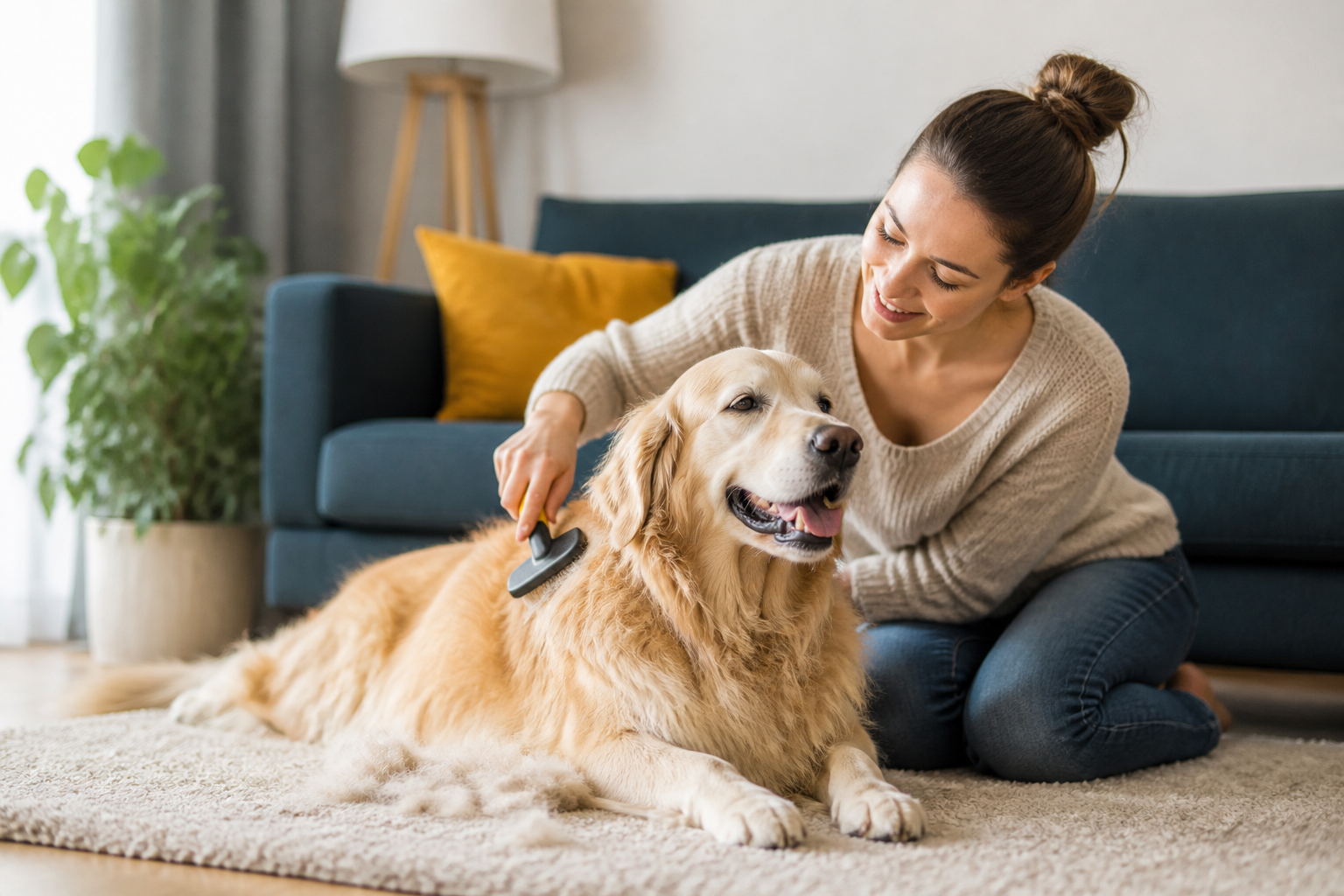
You just finished vacuuming the living room, only to see a fresh layer of fur settling on the rug moments later. We have all been there. At BaxterBoo, we know that managing a shedding dog feels like a full-time job during certain times of the year. This article explains how often you should reach for the brush and which tools work best for different coat types. You will learn how to identify your dog's specific needs to keep your home cleaner and your pet more comfortable. Finding the right rhythm for grooming depends on your dog’s breed, health, and the current season. Our goal is to help you create a routine that reduces the "fur-nado" in your house.
Quick Answer: Most dogs require brushing two to three times per week to manage loose hair. During peak shedding seasons in the spring and fall, you should transition to daily brushing to keep up with the increased volume of dead fur.
Determining Your Brushing Schedule
The general rule for most dogs is a thorough brushing session two to three times a week. This frequency is usually enough to remove dead hair and distribute natural skin oils. However, this schedule changes based on the length and type of your dog’s coat. Short-haired dogs with smooth coats might only need a quick session once a week. Long-haired dogs or those with thick undercoats often require attention every other day to prevent tangles.
During the spring and fall, many dogs undergo a process called blowing coat. This is a heavy shedding period where the dog transitions between their summer and winter layers. When this happens, daily brushing becomes necessary. If you skip even one day, the loose fur can quickly become trapped in the coat, leading to mats and skin irritation.
Coat Type Guidelines
- Short, Smooth Coats: Brush once or twice a week. These dogs shed year-round but in smaller amounts.
- Double Coats: Brush three times a week normally, and daily during seasonal transitions.
- Long or Silky Coats: Brush daily or every other day to prevent mats and remove loose hair.
- Wire Coats: Brush two to three times a week to remove dead hair from the follicles.
Key Takeaway: Consistency is more important than the length of the grooming session. Five minutes of daily brushing is often more effective than one long hour-long session on the weekend.
The Importance of the Right Tools
Using the wrong brush can make grooming a chore for both you and your dog. A brush that is too stiff can cause brush burn, which is a painful skin irritation. Conversely, a brush that is too soft will only skim the surface and leave the heavy undercoat untouched. We carry a wide variety of tools in our dog grooming collection to help you match the equipment to your dog’s specific coat.
For dogs with thick undercoats, a deshedding rake is the most effective choice. These tools reach through the topcoat to pull out the dead fluff underneath. If your dog has a shorter coat, a rubber curry brush like a Zoom Groom is a fantastic option. It uses soft rubber nubs to grab loose hair while giving your dog a relaxing massage.
Essential Grooming Kit
- Slicker Brush: Best for medium to long hair. It has fine wire bristles that remove tangles and loose fur.
- Bristle Brush: Good for short-haired dogs or as a finishing tool to add shine to any coat.
- Deshedding Tool: Designed specifically to remove the undercoat without cutting the skin.
- Finishing Comb: A metal comb helps you check for any remaining tangles or small mats after brushing.
For medium- and long-haired dogs, the Master Grooming Tools Ergonomic Slicker Dog and Cat Brush is one option to consider.
Bottom line: Matching the tool to the coat type ensures you remove the maximum amount of fur with the minimum amount of skin irritation.
Brushing Technique for Maximum Results
How you brush is just as important as how often you brush. You should always work in the direction of hair growth. Start at the head and work your way back toward the tail. It is often helpful to work in small sections, especially on dogs with thick fur. This ensures you do not miss the areas that tend to shed heavily, such as the chest and the back of the thighs.
If you encounter a mat, do not pull on it with the brush. This can hurt your dog and make them fear grooming. Instead, hold the base of the hair near the skin with your fingers and gently tease the mat apart with a comb or your fingers. If your dog is particularly wiggly, try using a lick mat with some peanut butter to keep them occupied while you work.
Vet Tip: Check your dog's skin while you brush. If you notice bald spots, redness, or a strange odor, consult your veterinarian. These can be signs of allergies, parasites, or skin infections rather than normal shedding.
Beyond Brushing: Baths and Nutrition
Brushing is only one part of the shedding puzzle. A healthy coat starts from the inside out. If your dog is shedding excessively outside of the normal seasonal windows, their diet might be the cause. High-quality food rich in Omega-3 and Omega-6 fatty acids can help strengthen the hair follicles. We carry supplements from brands like Zesty Paws and Honest Paws that support skin and coat health.
For more guidance on choosing between chews, powders, and oils, read how to supplement your dog’s diet.
Bathing also plays a role in managing fur. A bath with a deshedding shampoo can help loosen the dead undercoat so it can be brushed out more easily. However, do not over-bathe your dog. Washing them too frequently can strip the skin of natural oils, leading to dryness and even more shedding. Aim for a bath once every four to six weeks unless your dog gets particularly dirty.
Steps for a Deshedding Bath
- Step 1: The Pre-Brush. Thoroughly brush your dog before the bath to remove as much loose fur as possible.
- Step 2: Lather and Soak. Use a deshedding shampoo and let it sit for a few minutes to help loosen the undercoat.
- Step 3: The Blowout. Use a blow dryer on a low, cool setting to help blow out the remaining loose hair before the final brush.
Key Takeaway: A combination of regular brushing, proper nutrition, and occasional baths provides the best defense against excessive shedding.
When Shedding Indicates a Health Issue
While shedding is a natural process, there is a difference between a healthy coat and a medical problem. If your dog is losing hair in patches or has itchy, inflamed skin, a brush will not solve the issue. These symptoms often point to underlying conditions like flea allergies, food sensitivities, or hormonal imbalances such as hypothyroidism.
Our pharmacy at BaxterBoo offers FDA-approved medications and prescription diets through our partnership with Pet's Choice. If your veterinarian determines that your dog’s shedding is caused by an allergy or a chronic health condition, you can explore our dog pharmacy for prescription products. Always seek a professional diagnosis if you feel your dog’s fur loss is abnormal or accompanied by behavioral changes.
Maintaining Your Grooming Routine
Grooming should be a positive bonding experience for you and your dog. Start slow, especially with puppies or rescued pets who might be nervous. Give them plenty of praise and small treats throughout the process. Over time, your dog will come to enjoy the extra attention and the feeling of a clean, light coat.
- Set a recurring reminder on your phone for brushing days.
- Keep your grooming tools in an easy-to-reach spot.
- Reward your dog after every successful session.
- Check your supply of shampoos and supplements regularly.
At BaxterBoo, we are committed to helping you find the best supplies for your pet's unique needs. Whether you are looking for a heavy-duty rake for a Golden Retriever or a soft bristle brush for a Boxer, we have the selection and expertise to guide you. You can also learn more about our Autoship programme for regularly used grooming supplies and supplements.
You can even earn rewards on your grooming supplies through the MVP Rewards programme.
Bottom line: A consistent brushing routine is the most effective way to keep your dog healthy and your home hair-free.
FAQ
Can I brush my dog too much?
Yes, it is possible to over-brush, which can lead to skin irritation or brush burn. You should watch for signs of redness or discomfort and limit sessions to about 15 to 30 minutes. Always use light pressure and the correct brush for your dog's specific coat type to avoid damaging the skin.
Does bathing my dog more often stop shedding?
Bathing does not stop the biological process of shedding, but it can help remove hair that is already loose. However, bathing too often can dry out the skin and make the coat brittle, which might actually increase hair breakage. Stick to a schedule of once every few weeks using a moisturizing, pet-safe shampoo.
Why is my dog shedding so much in the winter?
Indoor dogs often shed year-round because artificial heating and cooling can confuse their internal clock. While outdoor dogs respond to changes in natural light and temperature, indoor pets live in a controlled environment. This can lead to a steady, moderate shed regardless of the outdoor weather.
Should I shave my shedding dog to stop the hair?
You should generally avoid shaving double-coated dogs. The undercoat actually helps regulate their body temperature in both heat and cold. Shaving can ruin the coat's texture, make the dog vulnerable to sunburn, and actually lead to more irritating, prickly shedding as the hair grows back.






