
 Save 15% on your 1st Autoship learn more

 Email us
 Live Chat
 FAQs
FAQs





Introduction
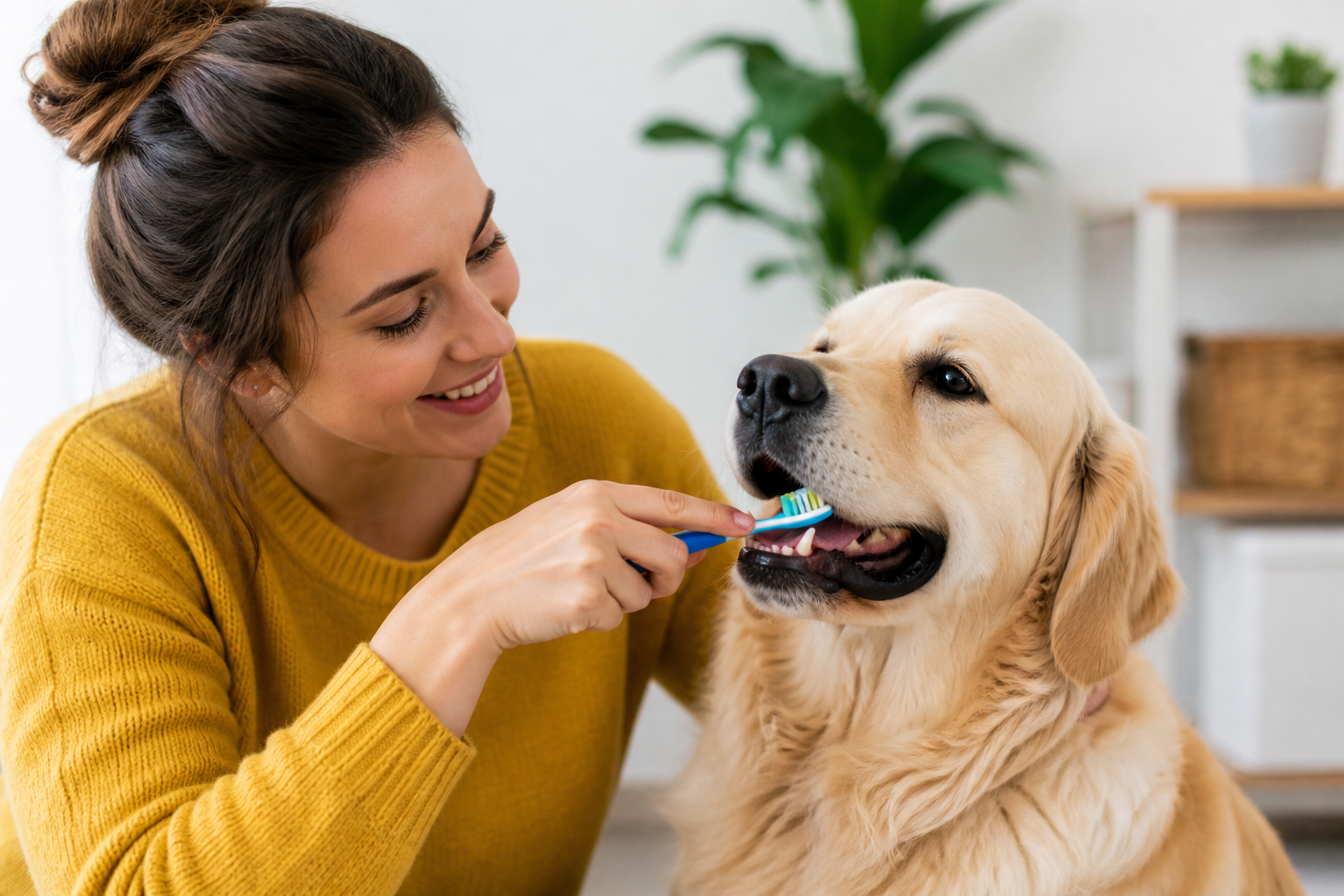
You lean in for a morning pup kiss and find yourself pulling back because of a sudden wave of foul breath. It is a common moment for many pet owners. We often focus on a shiny coat or high energy levels but forget that what happens inside a dog's mouth affects their entire body. At BaxterBoo, we see how much a healthy smile improves a dog's quality of life. Understanding how often to clean your dog’s teeth is the first step in preventing painful infections and expensive vet bills. This post covers the ideal frequency for at home brushing and professional cleanings. It also highlights the specific tools you need to succeed. Proper dental care requires a mix of daily habits and annual expert care to keep your dog healthy for years to come.
Quick Answer: You should ideally brush your dog's teeth every single day to prevent plaque from turning into tartar. If daily brushing is not possible, aim for at least three times per week at home, combined with one professional veterinary cleaning every year.
The Reality of Plaque and Tartar
A dog's mouth is a busy place for bacteria. Every time your dog eats, a sticky film called plaque begins to form on their teeth. Within just forty-eight to seventy-two hours, this plaque reacts with minerals in their saliva. It then hardens into a brown or yellow substance known as tartar or calculus. Once plaque turns into tartar, you cannot simply brush it away at home.
Tartar provides a rough surface where even more plaque can grow. This cycle eventually leads to gingivitis, which is inflammation of the gums. If you do not intervene, the bacteria can migrate under the gumline. This causes periodontal disease. This condition destroys the bone and tissues that hold the teeth in place. Daily brushing is the only way to stop this process before it starts.
How Often to Brush at Home
The gold standard for at home care is daily brushing. Just like humans, dogs need consistent care to keep their mouths clean. If you can make it a part of your evening routine, you will significantly reduce the risk of dental disease. Our dog dental care category includes supplies to help support that routine.
We know that life gets busy. If daily brushing feels impossible, do not give up entirely. Brushing three times a week is much better than nothing. This frequency helps break up the plaque film before it has a chance to fully mineralize into tartar. Consistency matters more than perfection. Even a thirty-second session that focuses on the outside of the upper teeth can make a massive difference.
Why Brushing Frequency Matters
- Plaque hardens into tartar in less than three days.
- Bacteria from the mouth can enter the bloodstream and affect the heart.
- Frequent brushing gets your dog used to the process.
- It allows you to spot broken teeth or oral growths early.
Key Takeaway: Daily brushing is the best way to prevent tartar. Brushing at least three times a week provides a solid baseline for oral health.
For additional guidance on establishing a routine, read our post on pet dental care tips.
When to Schedule a Professional Cleaning
Most veterinarians recommend a professional dental cleaning once every year. These procedures are often called a COHAT. This stands for Comprehensive Oral Assessment and Treatment. This is much more than just a quick scrub.
During a professional cleaning, your vet uses specialized tools to remove tartar from above and below the gumline. This is a critical step because the bacteria hiding under the gums cause the most damage. These cleanings almost always require anesthesia. This ensures the vet can perform a thorough exam and take X-rays without stressing your dog or risking injury.
Vet Tip: If your dog has existing heart or kidney issues, talk to your vet about a customized anesthesia plan. Our pet pharmacy offers medications that may be part of your dog's pre or post dental care.
How Breed and Size Change the Schedule
Not all dogs are on the same dental timeline. Smaller breeds often require more frequent care than larger dogs. A Chihuahua or a Yorkie has forty-two teeth packed into a tiny mouth. This crowding creates many small crevices where food and bacteria can hide.
Small dogs also have thinner jawbones. This means that periodontal disease can lead to a fractured jaw much faster than it would in a Labrador. If you own a toy breed or a flat faced dog like a Pug, your vet might recommend professional cleanings every six months instead of once a year.
Larger dogs are not immune to dental issues. They are more likely to suffer from fractured or broken teeth due to heavy chewing. While they might not need professional cleanings as often as a Toy Poodle, their mouths still need daily attention to prevent long term decay.
Identifying the Signs of Dental Disease
Knowing when your dog needs extra help is vital. Do not wait for your annual vet visit if you notice something is wrong. Dental pain is often silent. Dogs are experts at hiding discomfort until it becomes unbearable.
Check your dog’s mouth once a week for these warning signs:
- Red or bleeding gums.
- Heavy brown tartar buildup on the molars.
- Excessive drooling.
- Dropping food or tilting the head while eating.
- One sided chewing or pawing at the face.
- A persistent, foul odor that smells like rotting food.
If you see these signs, it is time to call your vet. They can determine if an infection is present. In some cases, your dog may need antibiotics or specialized dental diets. We carry brands like Farmina Vet Life that offer specific formulas for pets with unique health needs. Our post on warning signs of bad teeth in dogs offers additional information to discuss with your veterinarian.
Essential Tools for Your Dog’s Dental Routine
Using the right tools makes the job easier and safer. Never use human toothpaste for your dog. It often contains xylitol, which is toxic to dogs. It also contains foaming agents that can upset their stomachs when swallowed.
- Dog-Safe Toothpaste: These come in flavors like poultry, beef, or peanut butter. This makes the experience a treat rather than a chore.
- Finger Brushes: These are great for beginners. They slip over your finger and give you more control.
- Standard Pet Toothbrushes: These have angled heads to reach the back molars.
- Dental Chews: Items like Greenies can help scrub the teeth between brushings.
- Water Additives: These help reduce bacteria in the mouth every time your dog takes a drink.
At BaxterBoo, we curate a selection of dental supplies that are easy for owners to use. The Nutri-Vet Oral Hygiene Kit for Dogs includes a toothbrush, finger toothbrush, and enzymatic toothpaste to help you stay consistent with your routine.
Bottom line: Quality tools designed for dogs are safer and more effective than human alternatives.
The Role of Diet and Dental Chews
What your dog eats plays a role in their oral health. Many people believe that dry kibble cleans teeth by scraping them. While some hard kibble helps a little, most dogs simply swallow it whole or break it into large chunks.
Special dental diets are different. These kibbles are larger and have a texture that does not crumble immediately. This forces the dog to chew more. This action provides a gentle scrubbing effect. These are often available by prescription. Our pharmacy can help fulfill these orders with a valid prescription from your veterinarian.
Dental treats and chews are another helpful layer. Brands like Greenies or Kong toys designed for chewing encourage saliva production. Saliva contains natural enzymes that help fight bacteria. However, treats should never replace brushing. Think of them as a supplement to your dog's oral hygiene routine. Explore our selection of Greenies products for dental chews and other pet treats.
Training Your Puppy for a Lifetime of Clean Teeth
The best time to start dental care is when your dog is a puppy. Getting them used to having their mouth touched early on prevents struggles later in life. Be patient and keep sessions short. Our guide to when dogs lose their puppy teeth can also help you understand this stage.
Step 1: Get them comfortable with touch. / Lift your puppy's lips and touch their gums with your finger. Do this for a few seconds and then give them a treat.
Step 2: Introduce the toothpaste. / Let your puppy lick a small amount of dog safe toothpaste off your finger. Most puppies love the taste.
Step 3: Add a finger brush or cloth. / Wrap a piece of gauze or use a soft finger brush. Gently rub the outside of their front teeth in a circular motion.
Step 4: Move to the back teeth. / Once they are calm, work your way toward the molars. Focus on the outside surfaces. This is where most plaque builds up.
Step 5: Reward and praise. / Always end the session on a positive note. This ensures they do not view brushing as a punishment.
Common Mistakes Owners Make
Many owners wait too long to start dental care. They assume that if the teeth look white, everything is fine. However, dental disease often starts under the gumline where you cannot see it.
Another mistake is using bones or hard plastic toys to "clean" teeth. Very hard items like antlers or real bones can cause slab fractures on a dog's teeth. These fractures are painful and almost always require the tooth to be extracted. Stick to toys that have some give when you press them with your thumb.
Finally, do not rely on "anesthesia-free" dental cleanings. These services only scrape the surface of the teeth. They cannot reach the bacteria under the gums. They also do not allow for X-rays. This means serious problems like root infections go unnoticed. It is a cosmetic fix that does not address the actual health of the dog.
The Financial Benefit of Regular Cleaning
Investing in a toothbrush and a tube of toothpaste is much cheaper than oral surgery. A professional cleaning with extractions can cost hundreds or even thousands of dollars. By brushing daily and getting annual exams, you catch problems early.
Small issues like mild gingivitis are reversible. Once it progresses to bone loss, it is permanent. Keeping up with a schedule saves you money and saves your dog from unnecessary pain. Our MVP Rewards program can also help you earn back on every dental supply purchase. This makes it easier to keep your kit fully stocked.
Conclusion
Cleaning your dog's teeth is an essential part of being a pet parent. Daily brushing is the best way to prevent plaque and tartar from damaging their health. While we know life gets in the way, aiming for at least three times a week makes a significant impact. Combine this with an annual professional cleaning from your vet to ensure no hidden issues are lurking under the gumline. By staying consistent, you are protecting your dog from pain and helping them live a longer life. We are here to help you find the right brushes, pastes, and dental treats for your routine.
- Brush daily if possible.
- See your vet once a year for a deep clean.
- Watch for red gums or bad breath.
- Never use human toothpaste.
Key Takeaway: Prevention is the most effective and affordable way to manage your dog's dental health.
Our pharmacy is ready to help with prescription dental diets and medications. For recurring dental supplies, explore our Autoship programme.
FAQ
Is it really necessary to brush my dog's teeth every day?
While daily brushing is the gold standard, many vets agree that three times a week is enough to see a benefit. Daily care is the only way to completely stop plaque from turning into tartar. If you cannot do it every day, focus on consistency rather than frequency.
Can I just use dental chews instead of brushing?
Dental chews are a great supplement, but they do not replace the mechanical action of brushing. Chews often only clean the tips of the teeth or the teeth used for chewing. Brushing allows you to reach the gumline and the front teeth where tartar often builds up.
How do I know if my dog's teeth are hurting them?
Dogs are stoic and often hide dental pain. Look for subtle signs like eating on one side of the mouth, avoiding cold water, or being less interested in hard chew toys. If your dog has very bad breath or bleeding gums, they are likely experiencing some level of discomfort.
At what age should my dog have their first professional cleaning?
Most dogs should have their first professional cleaning by age two or three. Small breeds or those with crowded teeth may need to start even earlier, sometimes by age one. Your vet can check for signs of early periodontal disease during your dog's annual wellness exam.






