
 Save 15% on your 1st Autoship learn more

 Email us
 Live Chat
 FAQs
FAQs





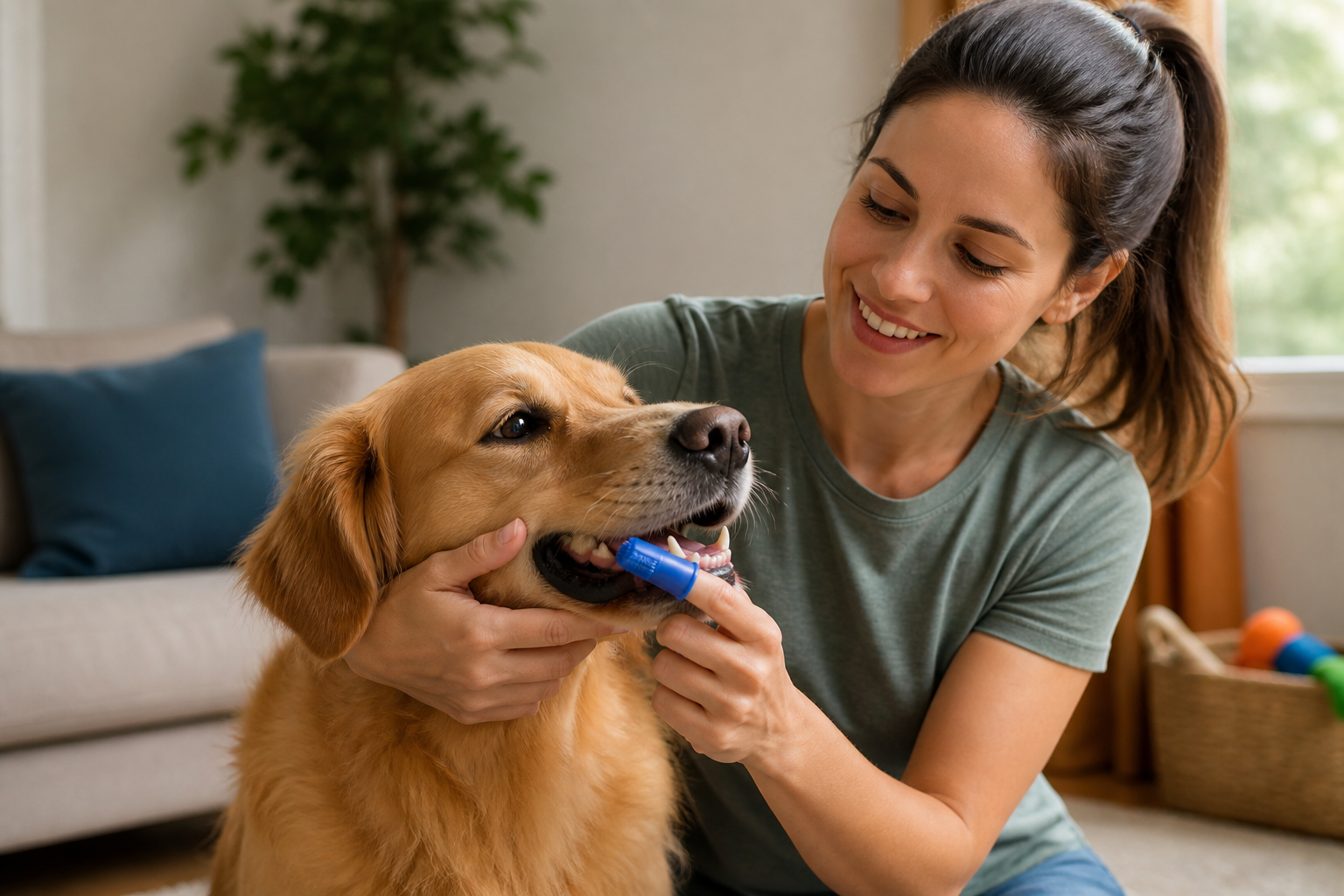
Introduction
You are relaxing on the couch when your dog leans in for a celebratory lick or a close-range yawn. Instead of the usual warmth, you are met with a scent that makes you pull back. That "dog breath" is more than just a minor social hurdle. It is often the first sign that plaque and bacteria are moving into your dog's gumline. At BaxterBoo, we know that dental care can feel like a chore, but it is one of the most effective ways to add years to your pet's life. This post covers the ideal frequency for at-home brushing, when to schedule professional cleanings, and how to spot early signs of trouble. Consistent dental care prevents pain and protects your dog's vital organs from systemic infection.
The Reality of Canine Dental Health
Most pet owners are surprised to learn that dental disease is the most common health issue in adult dogs. By the age of three, roughly 80 percent of dogs show some sign of periodontal disease. This happens because plaque forms on the teeth within hours of eating. If it is not brushed away, it mixes with minerals in the saliva to form tartar. Tartar is a hard, brownish substance that cannot be removed with a toothbrush.
Bacteria thrive under the cover of tartar. They eventually work their way under the gumline, leading to inflammation and infection. This process does not just cause tooth loss. It allows bacteria to enter the bloodstream, where they can travel to the heart, liver, and kidneys. Maintaining a clean mouth is a full-body health strategy.
Quick Answer: You should aim to brush your dog's teeth every single day to prevent plaque from hardening into tartar. Most dogs also require a professional veterinary cleaning once per year, though small breeds may need them every six to nine months.
Daily Brushing: The Gold Standard
The single most effective way to keep your dog's mouth healthy is daily brushing. While once or twice a week is better than nothing, it is not enough to stop tartar formation. Plaque begins to mineralize into tartar in as little as 48 hours. If you wait three days between sessions, the plaque from the first day has already hardened.
Daily brushing creates a routine that your dog can eventually learn to expect. It also allows you to monitor their mouth for any new bumps, broken teeth, or bleeding gums. We carry specialized dog dental care supplies and flavored pastes at BaxterBoo to make this process easier for both of you.
How to Introduce Brushing
If your dog is not used to having their mouth touched, you cannot start with a full brushing session. You must move slowly to build trust.
Step 1: Get them comfortable with touch. / Spend a few days gently lifting your dog's lips and touching their teeth with your finger.
Step 2: Introduce the flavor. / Put a small amount of poultry or beef-flavored pet toothpaste on your finger and let them lick it off.
Step 3: Use a finger brush or gauze. / Rub the toothpaste onto the outer surfaces of the teeth using a soft finger brush or a piece of clean gauze.
Step 4: Transition to a pet toothbrush. / Use a brush with soft bristles designed for dogs to reach the back molars where most buildup occurs.
Key Takeaway: Daily at-home brushing is the only way to remove plaque before it becomes permanent tartar that requires professional intervention.
For additional guidance on introducing brushing and checking your pet's mouth, read our pet dental care tips.
Why Professional Cleanings Are Necessary
Even the most diligent brushers will likely miss a few spots. Over time, these small areas of buildup can lead to problems. A professional veterinary cleaning is much more thorough than anything you can do at home. During these visits, the vet scales the teeth to remove tartar from above and below the gumline.
Scaling below the gumline is the most important part of the process. This is where the most damaging bacteria hide. After scaling, the vet polishes the teeth to smooth out any tiny scratches. Smooth teeth make it harder for new plaque to stick.
Most professional cleanings require general anesthesia. This allows the vet to perform a full exam and take X-rays without causing the dog stress or pain. X-rays are vital because a significant portion of dental disease happens below the visible surface of the tooth.
For more information about warning signs and professional dental care, see this guide to bad teeth in dogs.
Frequency Based on Breed and Size
Not every dog follows the same dental timeline. Size and genetics play a massive role in how quickly dental disease progresses.
Small and Toy Breeds
Small dogs like Yorkies, Chihuahuas, and Pugs often have crowded mouths. They have the same 42 teeth as a large dog but much less room for them. This crowding creates tiny crevices where food and bacteria get trapped. Small breeds are also prone to retaining baby teeth, which creates even more hiding spots for plaque. These dogs often need professional cleanings every six to nine months.
Large and Giant Breeds
Larger dogs often have more space between their teeth, which allows for better natural cleaning through saliva flow and chewing. However, large dogs are more prone to fractured or broken teeth from aggressive chewing. They typically need professional cleanings every 12 to 18 months, depending on their home care routine.
Brachycephalic Dogs
Flat-faced breeds often have misaligned jaws. This means their teeth do not meet correctly, preventing the natural cleaning action that occurs when a dog chews. These breeds require very close monitoring and frequent professional checkups.
Vet Tip: Consult your veterinarian to determine a cleaning schedule tailored to your dog's specific breed and oral health history. If you notice persistent bad breath or bleeding, schedule an exam immediately rather than waiting for an annual visit.
Recognizing the Warning Signs
You should not wait for your dog's annual exam if you notice changes in their mouth. Dogs are experts at hiding pain, and they will often continue to eat even with a severe toothache.
Watch for these indicators:
- Chronic bad breath that does not go away after brushing.
- Red, swollen, or bleeding gums.
- Yellow or brown crust near the gumline.
- Dropping food while eating or chewing on only one side.
- Excessive drooling or pawing at the mouth.
- Reluctance to play with favorite tug toys or chews.
- Loose or missing teeth.
If your dog displays these signs, they may already have advanced periodontal disease. This often requires more than just a cleaning. Your vet might need to perform extractions or prescribe antibiotics to clear an infection.
The Role of Diet and Dental Chews
While nothing replaces brushing, your dog's diet can support their oral health. Some dogs benefit from prescription dental diets. These kibbles are larger and have a specific texture that does not crumble immediately. Instead, the tooth sinks into the kibble, which gently scrapes away plaque as the dog bites down.
Our pet pharmacy can help you fulfill prescriptions for these specialized diets through our partnership with Pet's Choice. If your vet recommends a specific dental food or a medicated oral rinse, we can help you get those essential supplies delivered to your door.
Dental chews like Greenies are another helpful tool. These treats are designed to be abrasive and encourage prolonged chewing. This mechanical action helps rub away plaque on the most accessible surfaces of the teeth. Many also contain ingredients that help freshen breath. Explore our selection of Greenies products for dental chew options.
Bottom line: Treats and diets are helpful supplements, but they should be used alongside brushing rather than as a replacement for it.
The Risks of Anesthesia-Free Cleaning
Some grooming salons or specialty shops offer anesthesia-free dental cleanings. While this sounds appealing because it avoids the risks of sedation, it is often purely cosmetic. A dog will not sit still long enough for a person to scale deep under the gumline where the real damage happens.
Anesthesia-free cleanings remove the visible brown tartar, making the teeth look white. However, they leave the infection under the gums untouched. This can give owners a false sense of security while their dog's dental disease continues to progress. A proper cleaning requires a veterinary professional and a full oral exam.
Cost and Prevention
Professional cleanings can be expensive, especially if extractions are needed. The cost usually includes the exam, anesthesia, X-rays, scaling, and polishing. If your dog has a high level of disease, the price increases with the complexity of the surgery and the need for pain medications.
The best way to save money is to invest in prevention. A few dollars spent on a toothbrush and paste today can save you thousands of dollars in surgical costs later. Routine care also reduces the risk of your dog developing heart or kidney issues that require lifelong management.
We offer an Autoship programme for your favorite dental treats and supplies. This ensures you never run out of the tools you need to keep your dog's mouth healthy while saving you money on every order.
A Step-by-Step Weekly Dental Checklist
To stay on top of your dog's health, perform a quick "mouth check" once a week. This helps you catch problems before they become emergencies.
Step 1: Check the breath. / A slightly fishy smell is normal, but a foul, rotting odor indicates infection.
Step 2: Inspect the gums. / Look for a thin red line where the teeth meet the gums, which is a sign of gingivitis.
Step 3: Look for color changes. / Teeth should be white. Gray, purple, or dark brown spots can indicate a dead tooth or deep decay.
Step 4: Check for symmetry. / Ensure there is no swelling on one side of the face or under the eyes, which could be a root abscess.
Step 5: Test for sensitivity. / Gently touch the gums. If your dog flinches or pulls away, they may be experiencing oral pain.
Key Takeaway: Weekly inspections allow you to track the progress of your dog's oral health and provide vital information to your vet.
Long-Term Health Benefits
When you commit to a dental routine, you are doing more than just freshening your dog's breath. You are reducing the inflammatory load on their entire body. Chronic dental infection keeps the immune system in a constant state of high alert. This can wear down your dog's energy levels and make them more susceptible to other illnesses.
Many owners find that after a professional cleaning and the removal of painful teeth, their senior dogs act like puppies again. They have more energy and a better appetite because they are no longer living with constant, low-grade pain. A healthy mouth truly is the gateway to a healthy life.
Supporting Senior Dogs
Senior dogs often require more frequent dental attention. As dogs age, their immune systems may not fight off oral bacteria as effectively. They are also more likely to have systemic issues that can be complicated by dental disease.
If you have an older dog, talk to your vet about doing blood work before any dental procedure. This ensures their organs are healthy enough to process the anesthesia. Do not assume your dog is "too old" for a cleaning. Often, senior dogs are the ones who need dental relief the most to maintain their quality of life.
For related nutrition guidance, explore how to choose the right dog food for senior pets.
Summary of Best Practices
Keeping your dog's teeth clean is a lifelong commitment that changes as they grow. While the standard advice is once-a-year professional care, your dog is an individual.
- Brush daily using pet-safe products.
- Use dental chews to help manage plaque on non-brushing days.
- Schedule a veterinary exam if you notice bleeding or bad breath.
- Follow breed-specific advice for cleaning frequency.
- Use professional cleanings to address buildup under the gumline.
Conclusion
Caring for your dog's teeth is an essential part of being a responsible pet owner. While it takes a little extra time each day, the payoff is a happier, more comfortable dog who can enjoy their favorite treats and toys for years to come. At BaxterBoo, we want to help you make dental hygiene a simple part of your daily routine. By combining at-home care with regular veterinary checkups, you can prevent the most common health problems dogs face.
Bottom line: Consistent daily brushing and annual professional cleanings are the two pillars of a healthy canine mouth.
If you need specific dental supplies or a prescription diet, visit our dog dental care category or our pet pharmacy to find everything you need for your dog's oral health.
FAQ
Can I use human toothpaste for my dog?
No, you should never use human toothpaste for a dog. Human toothpastes often contain xylitol, which is highly toxic to dogs, or fluoride, which can be harmful if swallowed. Dog toothpastes are formulated to be swallowed safely and come in flavors like poultry or beef to make the experience more pleasant for your pet.
Do dental chews really replace brushing?
Dental chews are a helpful supplement, but they do not replace the need for brushing. Chews generally only reach the chewing surfaces of the teeth and may miss the gumline where periodontal disease starts. Brushing allows you to mechanically remove plaque from all surfaces of the tooth and massage the gums for better circulation.
Why does my dog need anesthesia for a dental cleaning?
Anesthesia is necessary so the veterinarian can perform a thorough and safe cleaning. It allows the vet to scale under the gumline and take accurate X-rays without the dog moving or feeling pain. Without anesthesia, it is impossible to properly treat the areas where the most dangerous bacteria hide, and it can be a very stressful experience for the animal.
My dog's breath is terrible, is that normal?
Persistent bad breath is never normal for a dog and is usually a sign of bacterial overgrowth or dental decay. While "dog breath" is a common phrase, a healthy mouth should not have a strong or offensive odor. If your dog's breath is foul, you should schedule a dental exam with your veterinarian to check for infection or gum disease.






