
 Save 15% on your 1st Autoship learn more

 Email us
 Live Chat
 FAQs
FAQs





Introduction
It usually starts with a smell. You lean in for a pup kiss and notice your dog’s breath has moved past "doggy" into something much more unpleasant. When you lift their lip, you might see a thin red line along the gums or a hard, brown buildup on the back molars. This is the moment most owners start wondering if a professional intervention is necessary. While daily brushing is the gold standard for care, it cannot reverse established tartar or address issues hidden under the gumline.
At BaxterBoo, we know that navigating veterinary dental care can feel overwhelming and expensive. This post covers exactly how often you should schedule professional cleanings, why breed and age change the timeline, and what happens during the procedure itself. Understanding these schedules helps you prevent pain and avoid the high costs of emergency extractions. Proper dental care is one of the most effective ways to ensure your dog lives a long, comfortable life.
Quick Answer: Most adult dogs require a professional dental cleaning at the vet once every 12 months. Small breeds, senior dogs, and those with existing gum disease often need cleanings every 6 to 9 months to prevent tooth loss and systemic health issues.
The Standard Recommendation for Professional Cleanings
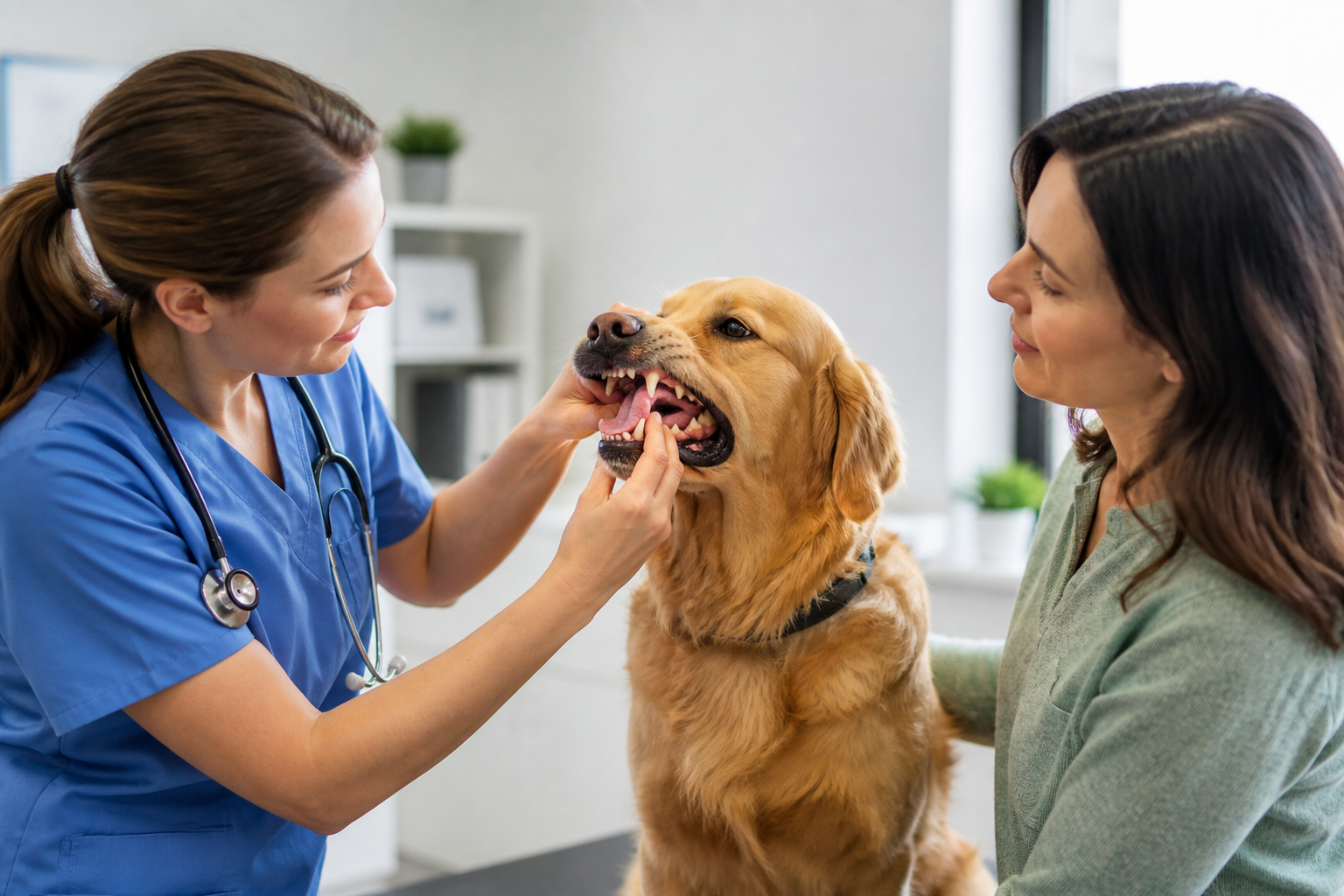
The general consensus among veterinary dental specialists is that most dogs should have their teeth professionally cleaned once a year. This annual schedule allows a veterinarian to remove hardened tartar that at-home brushing cannot touch. It also provides an opportunity to identify early signs of oral cancer, fractured teeth, or receding gums before they cause significant distress.
Most veterinarians suggest scheduling the first professional cleaning between the ages of one and two. For many large breeds, age two is a safe starting point. However, small and toy breeds often require their first visit much earlier. By the time many dogs reach their third birthday, nearly 80 percent already show signs of periodontal disease. Starting early establishes a baseline for your dog’s oral health and helps them get used to the process of veterinary exams. For additional preventive guidance, review these pet dental care tips.
Vet Tip: Do not wait for your dog to stop eating before scheduling a dental exam. Dogs have a high pain tolerance and a strong survival instinct, meaning they will often continue to eat even with severe tooth infections or broken roots.
Why Breed and Size Dictate the Cleaning Schedule
Not every dog follows the same timeline for dental decay. Size and jaw structure are the two biggest predictors of how often a dog will need to visit the vet for a cleaning. If you own a small breed, you will likely need to be much more aggressive with your scheduling than someone with a large, long-snouted dog.
Small and Toy Breeds
Small dogs like Yorkies, Chihuahuas, and Pomeranians are notorious for dental problems. These breeds have 42 adult teeth just like a Great Dane, but those teeth are crowded into a much smaller mouth. This crowding creates tiny crevices where food and bacteria hide, leading to rapid plaque buildup. Small breeds also have thinner jawbones, which means periodontal disease can lead to jaw fractures more easily. For these dogs, a cleaning every 6 to 9 months is often necessary.
Brachycephalic (Flat-Faced) Breeds
Breeds like Pugs, French Bulldogs, and Boston Terriers face unique challenges. Because their faces are shortened, their teeth are often rotated or misaligned. This malocclusion prevents the natural "self-cleaning" that happens when teeth glide against each other during chewing. Bacteria flourish in these irregular spaces. Owners of flat-faced breeds should expect annual cleanings as a minimum requirement.
Large and Giant Breeds
Large dogs generally have more space between their teeth, which allows for better saliva flow and less food entrapment. A Labrador or a Golden Retriever with an excellent at-home brushing routine might be able to go 18 months between professional cleanings. However, large dogs are more prone to slab fractures from chewing on hard objects like stones or heavy bones. Their cleanings are less about tartar and more about monitoring for structural damage.
Key Takeaway: Small and flat-faced breeds require more frequent veterinary cleanings (every 6 to 9 months) because their mouth structure promotes faster bacterial growth and tartar accumulation.
Factors That Accelerate the Need for Cleaning
While breed is a primary factor, your dog’s lifestyle and genetics also play a role. Some dogs are simply "heavy tartar formers" due to the chemical composition of their saliva. If you notice brown buildup returning just months after a professional cleaning, your dog may be genetically predisposed to oral issues.
Dietary choices also impact the schedule. Dogs fed exclusively wet or soft food tend to accumulate plaque faster because there is no abrasive action to help scrub the tooth surface. While standard dry kibble is not a substitute for brushing, it does leave less residue behind than canned food. If your dog is on a specialized wet diet for other health reasons, you may need to increase the frequency of their vet dental visits.
Age is another unavoidable factor. As dogs enter their senior years, their immune systems change, and the tissues supporting the teeth can weaken. Senior dogs often need more frequent monitoring. Our warehouse at BaxterBoo carries a wide variety of senior-specific supplies, but professional cleaning remains the only way to address deep-seated senior dental issues safely. You can also compare food options in our dental and breath care collection.
What Happens During a Veterinary Dental Cleaning?
A professional cleaning at the vet is a medical procedure that is far more involved than what happens at a human dentist. Because dogs will not sit still and open wide for a stranger with loud, vibrating tools, anesthesia is a mandatory part of a safe and thorough cleaning.
Pre-Anesthetic Screening
The process begins with blood work to ensure your dog’s liver and kidneys can safely process the anesthesia. This is especially important for older dogs or those with underlying conditions. Your vet will also perform a physical exam to listen to the heart and lungs.
Scaling Above and Below the Gumline
Once the dog is safely anesthetized, the veterinary technician uses an ultrasonic scaler to remove tartar. The most important part of this process happens below the gumline. Bacteria that hide in the sub-gingival space are the primary cause of bone loss and systemic infection. Anesthesia-free cleanings offered by some groomers only scrape the visible part of the tooth, which is purely cosmetic and leaves the dangerous bacteria behind.
Dental Radiographs (X-rays)
You cannot see what is happening inside a tooth or under the bone with the naked eye. Dental X-rays are vital for identifying root abscesses, bone loss, and impacted teeth. Many times, a tooth looks perfectly healthy on the surface but is actually rotting at the root, causing the dog significant pain.
Polishing and Fluoride
After scaling, the teeth are polished to smooth out microscopic scratches in the enamel. Smooth teeth are harder for plaque to stick to, which helps delay the return of tartar. Some vets also apply a fluoride treatment or a sealant to further protect the enamel.
Key Takeaway: True professional cleaning requires general anesthesia to allow for sub-gingival scaling and dental X-rays, both of which are essential for treating the root causes of dental disease.
The Role of the BaxterBoo Pharmacy in Dental Health
Sometimes, a dental cleaning reveals more than just tartar. If your veterinarian identifies an infection or a need for extractions, your dog may require follow-up care. This often includes antibiotics to clear up gum infections or pain medication to help them recover after a complex procedure.
Through our partnership with Pet's Choice, the pharmacy at BaxterBoo provides access to FDA-approved medications that your vet might prescribe. We also carry prescription dental diets, such as those from Royal Canin or Farmina Vet Life, which are specifically formulated to help reduce tartar buildup through specialized kibble texture and mineral balance. Having these items delivered to your door makes it easier to stay consistent with the post-cleaning recovery plan your vet provides.
Warning Signs That Your Dog Is Overdue for a Cleaning
If you are between scheduled visits, keep an eye out for "red flag" symptoms. Dental disease is progressive, and catching it early can mean the difference between a simple cleaning and an expensive surgery involving multiple extractions. For more information, read about warning signs of bad teeth in dogs.
- Persistent Bad Breath: While dog breath is never minty, it should not be foul or "rotten" smelling.
- Difficulty Eating: Watch for dogs dropping kibble, chewing on only one side of the mouth, or shyly backing away from their food bowl.
- Physical Changes: Look for red, swollen, or bleeding gums. You may also see blood on their chew toys or in their water bowl.
- Behavioral Shifts: A dog in oral pain may become irritable, stop playing with toys, or shy away when you try to touch their face.
- Visible Tartar: If you see thick, tan, or brown crusts on the teeth that do not come off with a toothbrush, that is tartar (calculus) and requires professional scaling.
How Professional Cleaning Impacts Whole-Body Health
It is a mistake to think of dental health as "just a mouth issue." The mouth is highly vascular, meaning it has a rich supply of blood vessels. When the gums are inflamed and infected, bacteria from the mouth can easily enter the bloodstream.
Once in the blood, these bacteria can travel to the heart valves, the kidneys, and the liver. Chronic dental disease has been linked to endocarditis (inflammation of the heart lining) and chronic kidney disease in dogs. By maintaining a regular cleaning schedule at the vet, you are not just protecting your dog’s teeth; you are protecting their major organs. Studies have shown that dogs with consistent dental care can live up to two to three years longer than those with neglected mouths.
Managing the Cost of Veterinary Dental Care
We understand that the cost of professional dental cleaning is a significant concern for many pet owners. A routine cleaning can cost several hundred dollars, and if extractions or advanced imaging are needed, that price can climb quickly. However, there are ways to manage these expenses.
Many veterinary clinics offer "Dental Month" discounts, often in February or September, where they provide a percentage off the procedure. Additionally, investing in a pet insurance policy like those offered through our partner, Figo, can help cover the costs of unexpected dental injuries or illnesses.
The best way to save money on vet cleanings is to be diligent at home. Using the MVP Rewards programme to stock up on dental wipes, enzymatic toothpaste, and VOHC-approved treats like Greenies can significantly slow the return of tartar. The more you do at home, the less time your vet has to spend scaling, and the less likely your dog will need costly extractions.
Establishing an At-Home Routine Between Vet Visits
Professional cleanings are the "deep cleans," but your daily efforts are what maintain the results. Think of your vet as the dental hygienist you see twice a year and yourself as the person responsible for the daily brushing.
Step 1: Choose the Right Tools
Never use human toothpaste on a dog. It contains xylitol and foaming agents that are toxic or irritating if swallowed. Use a pet-specific enzymatic toothpaste and a soft-bristled brush or a finger brush.
Step 2: Start Slowly
Do not expect to brush all 42 teeth on the first day. Start by letting your dog lick the toothpaste off your finger. Then, move to rubbing their gums. Slowly introduce the brush, focusing on the outside of the upper molars where tartar builds up fastest.
Step 3: Consistency Over Duration
Brushing for 30 seconds every day is much more effective than brushing for five minutes once a month. Plaque hardens into tartar within 48 to 72 hours. If you can brush at least three times a week, you are doing a great job. This gradual approach is also covered in this guide to starting a dog teeth-brushing routine.
Step 4: Use Supportive Products
If your dog absolutely will not tolerate brushing, look into water additives or dental wipes. While not as effective as a brush, they help lower the bacterial load in the mouth. For between-cleaning support, browse our dog dental care products.
Bottom line: A combination of daily at-home care and regular professional cleanings is the only way to fully protect your dog from the pain and dangers of periodontal disease.
Conclusion
Determining how often to clean your dog’s teeth at the vet requires looking at their breed, age, and current oral health. While the one-year mark is a standard baseline, don't be surprised if your veterinarian recommends more frequent visits for a small breed or a senior dog. Professional cleanings are a vital investment in your pet's overall longevity, preventing systemic infections that can damage the heart and kidneys.
Between those veterinary appointments, we are here to help you stay on track with the best supplies. Whether you need to earn points through MVP Rewards for your monthly dental chews or you need to set up an Autoship programme for prescription dental food through our pharmacy, staying consistent is the key. Your dog relies on you to monitor what they cannot say, and a healthy mouth is the foundation of a happy life.
FAQ
Is anesthesia really necessary for a dog's dental cleaning?
Yes, anesthesia is essential for a safe and effective cleaning. It allows the veterinarian to clean deep under the gumline where the most damaging bacteria live and enables them to take accurate X-rays without the dog moving. It also protects the dog’s airway from the water and debris generated during the scaling process.
How do I know if my dog is too old for a dental cleaning?
Age is not a disease, and many senior dogs safely undergo dental procedures. Your vet will perform pre-anesthetic blood work and a heart exam to assess the risks. For many seniors, the risk of chronic infection and pain from dental disease is much higher than the risk of modern, well-monitored anesthesia.
Can dental chews replace a professional cleaning at the vet?
While high-quality dental treats like Greenies are excellent for reducing plaque, they cannot replace a professional cleaning. Treats primarily clean the chewing surfaces of the teeth and do not address the bacteria hiding under the gums. Think of treats as a supplement to, rather than a replacement for, veterinary care. You can find options such as N-Bone Flossta Dual-Action Dog Dental Chews - Mint for at-home maintenance.
My dog’s teeth look white, do they still need a vet cleaning?
Yes, even white teeth can hide problems. Periodontal disease occurs largely below the gumline, where it cannot be seen without X-rays or professional probing. A dog can have pearly white crowns but still suffer from painful root rot or bone loss that only a veterinarian can detect. For another perspective on overlooked dental symptoms, see how dogs can hide dental problems.






