
 Save 15% on your 1st Autoship learn more

 Email us
 Live Chat
 FAQs
FAQs





Introduction
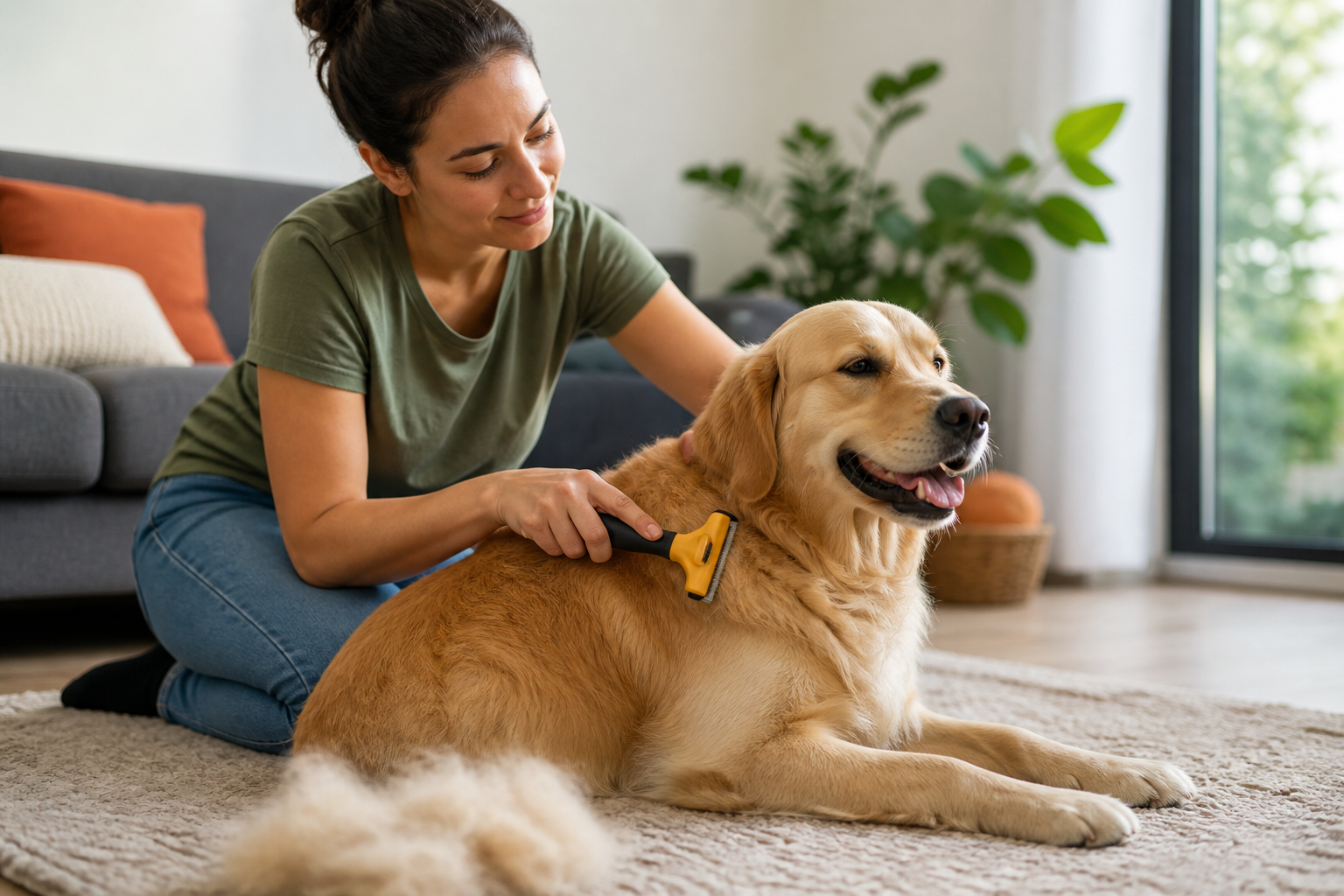
You finally sit down with a fresh cup of coffee after a long day, only to realize your favorite navy blue sweater is now covered in a layer of tan fuzz. It is a scene every dog owner knows well. Whether it is the seasonal "tumbleweeds" of fur rolling across your hardwood floors or the constant struggle to keep the sofa clean, shedding is a part of life with dogs. At BaxterBoo, we have spent years helping pet parents navigate the hairy reality of coat maintenance from our warehouse in Vernon Hills, Illinois. Finding the right balance for grooming is essential for your dog’s comfort and your home’s cleanliness. Using a deshedding tool too often can irritate the skin, while doing it too little leads to matting and messes. This guide will help you determine the ideal grooming schedule based on your dog’s unique coat type and seasonal needs.
The Difference Between Brushing and Deshedding
Many pet owners use the terms brushing and deshedding interchangeably, but they serve different purposes in a grooming routine. Regular brushing is a surface-level task. It removes small tangles, bits of outdoor debris, and loose hair that is already sitting on top of the coat. You can typically brush most dogs every day without any risk of harm. It is a great way to bond and keep the top layer of fur looking shiny and neat.
Deshedding is a more intensive process that targets the undercoat. This is the soft, dense layer of fur that provides insulation. When this hair dies, it often gets trapped beneath the coarser topcoat. If it is not removed, it can form tight mats or simply fall out in large clumps all over your rugs. Deshedding tools are designed to reach through the topcoat to pull out that loose undercoat before it becomes a problem. Because these tools are more powerful and often have edges designed to grab hair, they require a more strategic approach to frequency.
Quick Answer: Most dogs benefit from a thorough deshedding session once every one to three weeks. During heavy seasonal shedding periods, you may need to increase this to twice a week, but you should never deshed daily as it can cause skin irritation or damage the healthy topcoat.
Frequency Guidelines for Every Coat Type
The most important factor in deciding how often to use a deshedding brush is your dog's coat type. Not all fur is created equal, and some dogs have much more undercoat to manage than others. We carry over 500 brands to ensure every coat type has the right match, but the tool is only as good as the schedule you follow.
Double-Coated Breeds
Breeds like Siberian Huskies, German Shepherds, Golden Retrievers, and Great Pyrenees have a thick, protective double coat. These dogs are the champions of shedding. For these breeds, a deep deshedding session should happen once a week under normal conditions. This keeps the undercoat from packing down against the skin, which can trap heat and moisture.
If you notice "tufting," where small clumps of fur start to poke out from the coat, it is time for a session. During the spring and fall, these dogs "blow" their coats. During these three to four week windows, you might need to use an undercoat rake or deshedding tool two or even three times a week to keep up with the volume of hair loss. For additional guidance, read about how seasonal shedding affects double-coated dogs.
Short and Smooth-Coated Breeds
Owners of Labs, Boxers, and Chihuahuas often think they do not need to deshed because the hair is short. However, these breeds can shed just as much as long-haired dogs. The difference is that their hair is easier to manage. For smooth coats, a deshedding session once every two weeks is usually sufficient. Using a rubber curry brush, such as a Kong ZoomGroom, is often more effective and gentler for these breeds than a metal-bladed tool. It stimulates the skin oils while pulling away the short, prickly hairs that get stuck in upholstery. A rubber curry brush for short-haired dogs can be useful for this type of routine.
Wire-Haired and Long-Coated Breeds
Wire-haired breeds like Schnauzers or many Terriers have a different coat cycle. They do not usually have a heavy undercoat that sheds in the same way. For these dogs, deshedding tools might not be the primary choice. Instead, they often require "stripping" or regular clipping. If you do use a deshedding tool on a long-coated dog with a single coat, like a Maltese or Poodle, be very careful. These dogs have hair rather than fur, and deshedding blades can actually cut the hair shaft rather than pulling out dead undercoat.
Key Takeaway: Match your frequency to the density of the undercoat. Double-coated dogs require weekly attention, while smooth-coated dogs can wait two weeks between deep sessions.
Understanding the Seasonal Coat Blow
Dogs are biological machines that react to the world around them. As the amount of daylight changes in the spring and fall, their brains signal that it is time to swap their wardrobe. This is known as "blowing the coat."
In the spring, dogs shed their heavy winter undercoat to make room for a lighter, thinner summer version. In the fall, they shed that summer coat to allow a thick, insulating layer to grow in. During these times, the "once a week" rule usually goes out the window. You will likely see a significant increase in the amount of fur on your floors.
During a coat blow, you should increase the frequency of your grooming sessions. However, keep the sessions short. Instead of one forty-five minute session that might irritate the skin, try two or three fifteen-minute sessions throughout the week. This keeps the hair manageable without causing "brush burn," which is a common skin irritation caused by repetitive friction in one area.
Choosing the Right Tools for the Job
Using the wrong tool can make the job harder and potentially hurt your dog. At BaxterBoo, we emphasize choosing tools that match the specific anatomy of your dog's fur. You can compare options in our dog brushes and combs category.
- Undercoat Rakes: These have long, curved metal tines. They are perfect for thick-coated breeds like Newfoundlands or Huskies. They reach deep into the coat without cutting the fur.
- Deshedding Blades: Tools like the Furminator use a fine-toothed blade to grab and pull the undercoat. These are highly effective but must be used with a very light hand.
- Slicker Brushes: These are great for everyday use and removing surface tangles. They are a good "prep" tool before you start a deep deshedding session. A self-cleaning slicker brush can help with routine loose-hair removal.
- Rubber Curry Brushes: These are the safest option for short-haired dogs and dogs with sensitive skin. They use rubber "fingers" to pull hair and massage the skin.
Vet Tip: If your dog has sensitive skin or a history of allergies, always start with the gentlest tool possible. Over-grooming an itchy dog can lead to broken skin and secondary infections. If you notice redness or scabs, stop grooming and consult your veterinarian to rule out underlying skin conditions.
A Step-by-Step Guide to a Deshedding Session
To get the most out of your grooming time, follow a consistent process. This ensures you remove the maximum amount of hair while keeping your dog comfortable.
- Inspect the skin. Before you start, run your hands over your dog. Look for bumps, scratches, or ticks. Never use a deshedding tool over a wound or skin irritation.
- Remove tangles. Use a standard slicker brush or a wide-tooth comb to get rid of any surface mats. Deshedding tools are not designed to pull through mats; they will pull painfully on the skin if they get caught.
- Start at the head and move back. Work in the direction of hair growth. Use long, gentle strokes. Do not apply heavy downward pressure. Let the tool do the work.
- Focus on the "pants" and neck. The thickest undercoat is usually found around the neck and the back of the thighs. You will likely spend the most time in these areas.
- Check your progress. Periodically run your hand over the area you just brushed. If you are still getting handfuls of hair, continue. If the tool is coming away clean, move to a different section.
- Finish with a wipe. Once you are done, use a damp cloth or a grooming wipe to pick up any loose hairs sitting on top of the coat so they don't end up on your rug.
Bottom line: A systematic approach from head to tail prevents you from over-working one area and ensures no spots are missed.
Protecting the Skin: Avoiding Brush Burn
The most common mistake pet owners make is being too aggressive. It is satisfying to see a huge pile of fur on the floor, but that satisfaction should not come at the cost of your dog's comfort. Brush burn looks like a red, irritated patch of skin. It can be quite painful and may lead to your dog hiding when the brush comes out.
To avoid this, limit your deshedding sessions to 10 or 15 minutes at a time. If your dog is a heavy shedder and you need more time, take a break and come back a few hours later. Always use the "arm test" if you are unsure about the pressure. Run the tool across your own forearm with the same pressure you plan to use on your dog. If it feels scratchy or painful to you, it is too much for them.
Also, be mindful of "bony" areas. The spine, hips, and shoulders have very little padding. Using a metal deshedding tool directly over a bone can be very uncomfortable. Stick to the fleshier parts of the body for the deep work and use a softer brush for the boney areas.
The Role of Nutrition and the BaxterBoo Pharmacy
The health of your dog's coat starts on the inside. If the hair is brittle, dry, or falling out excessively outside of normal seasonal cycles, it might be a sign of a nutritional deficiency. Healthy skin produces a healthy coat that sheds predictably.
We recommend looking for foods rich in Omega-3 and Omega-6 fatty acids. Brands like Zesty Paws or Stella and Chewy's offer supplements and foods formulated to support skin and coat health. You can browse our dog skin and coat care selection for related products. If your dog suffers from chronic skin issues or allergies that lead to excessive shedding, our pet pharmacy offers a range of FDA-approved medications and prescription diets through our partnership with Pet's Choice.
A veterinarian might prescribe a specific diet or medication to manage environmental allergies, which can significantly reduce the amount of "stress shedding" your dog experiences. Managing these conditions is a team effort between your home grooming routine and professional medical care.
Nutrition Checklist for a Healthy Coat
- High-quality protein: Hair is made of keratin, which requires protein to produce.
- Omega Fatty Acids: Found in fish oils, these keep the skin supple and the coat shiny.
- Zinc and Biotin: Essential minerals and vitamins for skin cell regeneration.
- Hydration: Dehydrated skin leads to brittle hair that breaks and sheds more easily.
When Shedding Indicates a Health Concern
While most shedding is normal, sometimes it is a red flag. As a pet owner, you know what is "normal" for your dog. If the shedding pattern suddenly shifts, it is worth a closer look.
If you notice bald patches, symmetrical hair loss on both sides of the body, or skin that looks black or thickened, these are not normal shedding signs. These can indicate hormonal imbalances, such as thyroid issues or Cushing's disease. Parasites like fleas or mites can also cause a dog to scratch so much that they pull their own hair out.
In these cases, a deshedding brush is not the answer. You should schedule an appointment with your veterinarian for a full diagnostic workup. Once they identify the cause, you can often find the necessary treatments in our Frontline selection. Whether it is flea prevention from NexGard or Frontline, or a prescription medication for a chronic condition, getting the underlying health issue under control will do more for the coat than any brush ever could.
Vet Tip: Sudden hair loss accompanied by lethargy, weight gain, or increased thirst should always be evaluated by a veterinarian. These are often signs of metabolic issues that require professional diagnosis and management.
Conclusion
Managing your dog’s shedding does not have to be an overwhelming chore. By understanding your dog’s specific coat type and adjusting your routine for the seasons, you can keep the fur under control and your dog’s skin healthy. Remember that once a week is a great baseline for most double-coated dogs, while short-haired breeds can often go longer between sessions. Always prioritize skin safety and use the right tools for the job.
If you find that grooming alone isn't enough, consider the role of nutrition and health. We invite you to explore our dog grooming supplies, supplements, and skin-supporting foods at BaxterBoo. For those managing ongoing health or allergy concerns, our pharmacy is a convenient resource for all your prescription needs through our partnership with Pet's Choice. Keeping your dog comfortable is our top priority, and we are here to support you every step of the way.
Key Takeaway: Consistency is more important than intensity. Short, regular grooming sessions are better for your dog's skin and your home's cleanliness than occasional marathons.
FAQ
Can I use a deshedding brush on a wet dog?
No, you should always wait until your dog's coat is completely dry before using a deshedding tool. Wet hair is more elastic and prone to breakage, and the tool can pull painfully on the skin when the fur is damp. Furthermore, the undercoat is much harder to reach and remove effectively when the hairs are clumped together with water.
Will deshedding my dog make them colder in the winter?
Proper deshedding actually helps your dog stay warm. It removes the dead, compacted undercoat that can prevent the new, healthy insulating fur from lofting correctly. By clearing out the "dead" weight, you allow the coat to function as a better insulator against the cold.
How do I know if I am brushing too hard?
The best way to check is to look at the skin frequently during your grooming session. If the skin looks pink or red, or if your dog flinches or tries to move away, you are likely using too much pressure. You can also test the tool on your own skin to ensure the sensation isn't too sharp or abrasive.
Does a deshedding brush work on all dog breeds?
Deshedding brushes are most effective on dogs with an undercoat. They are not recommended for "non-shedding" breeds with hair-like coats, such as Poodles, Bichons, or Yorkies, as the blades can damage their hair. For those breeds, a standard pin brush or slicker brush is a much safer and more effective choice.






