
 Save 15% on your 1st Autoship learn more

 Email us
 Live Chat
 FAQs
FAQs





Introduction
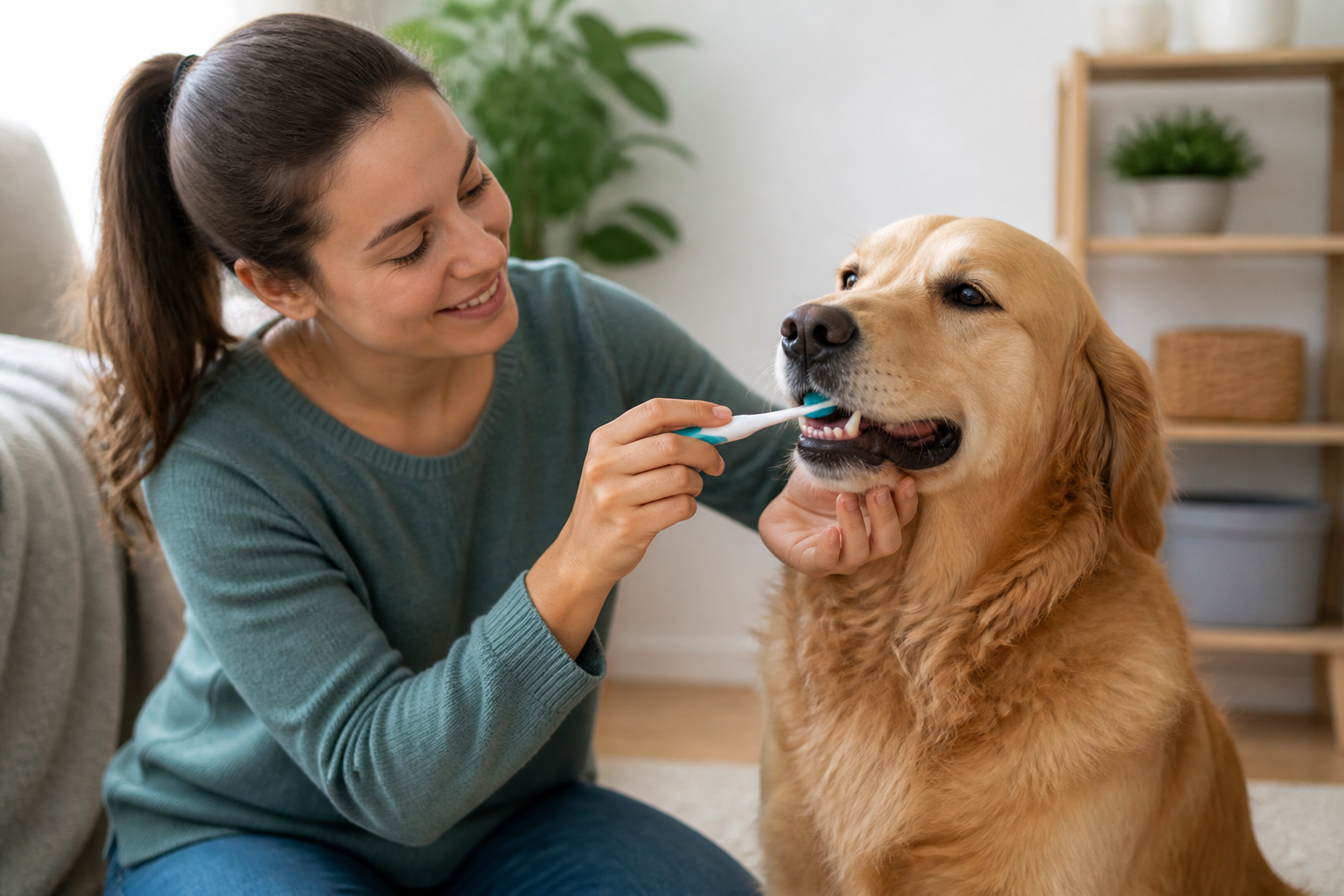
You lean in for a happy morning lick from your dog and realize their breath has a sharp, metallic, or even rotten scent. When you lift their lip, you see a thick layer of yellow or brown buildup covering the back molars. This is the moment most pet owners realize that dental hygiene is not just a cosmetic issue. It is a fundamental part of your pet's overall health. At BaxterBoo, we talk to owners every day who want to know the best way to handle this without causing their pet unnecessary stress. This article explains the most effective methods for cleaning your dog's teeth. We cover everything from the traditional toothbrush to clinical grade supplements and professional care. A consistent routine is the best way to prevent pain and expensive veterinary procedures later in life.
Quick Answer: The most effective way to clean your dog's teeth is daily brushing with dog-specific toothpaste. If your dog resists brushing, you can use VOHC-accepted dental chews and seaweed-based powders like ProDen PlaqueOff to reduce plaque buildup.
Understanding Plaque and Tartar
To clean your dog's teeth effectively, you must understand what you are fighting. Plaque is a sticky film of bacteria that forms on the teeth within hours of eating. At this stage, it is soft and easy to remove with a brush or a chew. If plaque stays on the tooth for more than 48 hours, it reacts with minerals in your dog's saliva. This process turns soft plaque into hard tartar.
Tartar is the hard, crusty substance that you cannot simply brush away. It provides a rough surface where more bacteria can grow. This cycle eventually leads to inflammation of the gums. This condition is known as gingivitis. If it continues, it turns into periodontal disease. This can cause bone loss and systemic infections that affect the heart and kidneys.
Key Takeaway: You can remove plaque at home, but only a veterinarian can safely remove tartar through a professional cleaning under anesthesia.
The Gold Standard: Brushing Their Teeth
Nothing replaces the mechanical action of a toothbrush. It is the only way to manually disrupt the biofilm along the gumline. You should never use human toothpaste for this task. Human products contain fluoride and foaming agents like Xylitol which are toxic to dogs.
How to Introduce the Toothbrush
If your dog is not used to having their mouth handled, you cannot start with a full brushing session. You must move slowly to build trust.
Step 1: Get them used to your touch. / Gently rub your finger along their gums while they are relaxed. Use a bit of beef broth or pet-safe peanut butter to make it a positive experience.
Step 2: Introduce the toothpaste. / Let your dog lick a small amount of dog-specific toothpaste off your finger. These are usually flavored like poultry or beef to make them tasty.
Step 3: Try a finger brush. / Use a soft silicone brush that fits over your finger. This gives you better control and feels less invasive than a long-handled brush.
Step 4: Transition to a pet toothbrush. / Once they accept the finger brush, move to a brush with soft bristles. Use small, circular motions along the gumline.
Vet Tip: If your dog becomes distressed, stop immediately. It is better to do thirty seconds of successful cleaning than five minutes of a struggle that makes them fear the brush.
Cleaning Teeth Without Brushing
We know that not every dog will tolerate a toothbrush. For senior dogs with sensitive mouths or pets with high anxiety, you need alternative methods. These methods focus on chemical disruption and mechanical abrasion.
Seaweed Based Powders
One of the most effective non-brushing tools is a seaweed-based supplement. ProDen PlaqueOff Powder Dog and Cat Teeth Care is a popular choice that we carry at BaxterBoo. It uses a specific type of North Atlantic seaweed called Ascophyllum nodosum. When your dog eats this powder, the active ingredients work systemically through the saliva. It helps soften existing tartar and prevents new plaque from sticking. You simply sprinkle it on their food once a day.
Dental Chews and Bones
Dental chews are designed to scrape the surface of the tooth as the dog bites down. The texture is key. It should be firm enough to provide resistance but flexible enough that the tooth sinks into the material. This ensures the chew reaches the gumline.
Look for products that carry the VOHC Seal of Acceptance. This seal means the product has been clinically tested and proven to reduce plaque or tartar. We recommend brands like Greenies or the PlaqueOff System Dental Care Bones. Always supervise your dog while they are chewing to prevent them from swallowing large chunks.
For more ideas, explore our dental and breath care collection.
Water Additives
Water additives are the easiest option for busy owners. These are liquid solutions that you add to your dog's fresh water bowl. They typically contain enzymes or antibacterial agents that help kill the bacteria responsible for bad breath and plaque. While they are not as effective as brushing, they are a great supplemental tool for a multi-layered dental routine.
Bottom line: A combination of methods, such as a daily powder and a weekly dental chew, provides better protection than using one method alone.
The Importance of the VOHC Seal
The pet industry is full of marketing claims that products "support dental health." However, these claims are not always backed by science. The Veterinary Oral Health Council (VOHC) was established to help pet owners identify products that actually work.
To earn the VOHC seal, a manufacturer must provide data from controlled clinical trials. These trials must follow strict protocols to prove the product reduces plaque or tartar by at least 15 to 20 percent. If a product does not have this seal, it may still be a good treat, but it has not been independently verified for its dental benefits.
Identifying Signs of Dental Disease
You should check your dog's mouth at least once a week. Catching problems early can prevent pain and save you money on extractions.
Look for these specific warning signs:
- Breath that smells noticeably worse than usual
- Red, swollen, or bleeding gums
- Difficulty picking up toys or dropping hard kibble
- Yellow or brown crust near the gumline
- Loose or missing teeth
- Excessive drooling or pawing at the face
If you notice these signs, your dog likely already has dental disease. Brushing will not fix the problem at this stage and might even be painful for them. You should consult your veterinarian for a professional assessment.
For a closer look at symptoms and next steps, read our guide to warning signs of bad teeth in dogs.
Vet Tip: Chronic dental infections can leak bacteria into the bloodstream. This can lead to serious complications in the heart, liver, and kidneys. Treat dental health as a whole-body health priority.
Professional Dental Cleanings
Even with perfect home care, most dogs will eventually need a professional cleaning. This is similar to a human going to the dentist for a deep clean. However, dogs require general anesthesia for this procedure.
Why Anesthesia is Necessary
Some companies offer "anesthesia-free" dental cleanings. While this sounds safer, it is often ineffective. A technician can scrape away the visible tartar while the dog is awake, but they cannot clean under the gumline. This is where the most dangerous bacteria live. Furthermore, a dog will not sit still for dental X-rays or the scraping of the inner surfaces of the teeth without sedation.
A professional cleaning at the vet includes:
- A full physical exam and bloodwork to ensure anesthesia is safe.
- Scaling to remove tartar from above and below the gumline.
- Polishing to smooth the tooth surface and discourage future plaque.
- Dental X-rays to check for abscesses or bone loss under the gums.
- Extractions if any teeth are diseased beyond repair.
Dietary Support for Dental Health
What your dog eats affects their oral hygiene. There is a common myth that all dry kibble cleans teeth. Most standard kibble is too small and brittle to provide any cleaning action. The dog simply cracks it and swallows it.
However, specific prescription dental diets are different. These kibbles are larger and have a fibrous structure that does not shatter immediately. They act like a tiny toothbrush as the dog chews. If your dog has chronic dental issues, your vet might recommend a prescription diet from brands like Royal Canin or Farmina Vet Life.
Our pharmacy at BaxterBoo offers these prescription diets and other FDA-approved medications through our partnership with Pet's Choice. If your veterinarian determines that your dog needs a specialized diet or medication for gum infections, we can help you get those supplies delivered to your door.
Building a Sustainable Routine
The key to dental care is consistency. A deep clean once a month is not as effective as a thirty-second brush every day. You should find a rhythm that works for your lifestyle.
Step 1: Choose your primary method. / If your dog allows it, make brushing the foundation. If not, start with a daily seaweed powder.
Step 2: Add mechanical cleaning. / Give a VOHC-accepted chew two or three times a week. This helps scrape the teeth that you might miss with a brush.
Step 3: Monitor and adjust. / Check their gums every Sunday. If you see redness, increase the frequency of your cleaning.
Step 4: Schedule your annual vet visit. / Ensure your vet does a thorough mouth exam during your yearly checkup.
For additional routine ideas, see the top pet dental care tips from BaxterBoo.
Key Takeaway: The best dental routine is the one you actually do. Start small and choose the products your dog enjoys.
Dental Care for Puppies and Seniors
Different life stages require different approaches to oral hygiene. Puppies have very sharp teeth and are often prone to "mouthiness." This is the best time to start desensitization training. By the time their adult teeth come in at around six months, they should be comfortable with you touching their mouth.
Senior dogs often have existing issues like receding gums or missing teeth. They may find hard chews painful. For these dogs, we recommend softer options like dental wipes or water additives. Always check with your vet before starting a new routine for an older dog, as they may have underlying conditions that require specific care.
Common Mistakes to Avoid
Many well-meaning owners make mistakes that can hurt their dog's teeth. Avoid giving your dog extremely hard items like cow hooves, antlers, or natural bones. These materials are often harder than the tooth enamel itself. They are a leading cause of slab fractures, which are painful breaks that usually require the tooth to be pulled.
Another mistake is ignoring the back teeth. Most owners focus on the front "smile" teeth because they are easy to see. However, the heavy chewing happens in the back. This is where most tartar builds up. Make sure you are reaching all the way back to the molars when brushing or checking for disease.
The Cost of Neglect
It is much cheaper to buy a tube of toothpaste and some dental chews than it is to pay for a major dental surgery. A professional cleaning with extractions can cost hundreds or even thousands of dollars depending on your location and the severity of the disease. Beyond the financial cost, the physical cost to your dog is significant. Dental pain can make dogs irritable, lethargic, and reluctant to eat. By spending a few minutes a day on their teeth, you are significantly improving your quality of life.
By choosing dental products with different uses, you can create a more practical routine for your dog. The Greenies collection includes dental treats and other pet-care products.
How BaxterBoo Can Help
We believe that every pet owner should have access to high-quality dental tools. Our selection at BaxterBoo is expertly curated to include the brands that veterinarians trust. From finger brushes and flavored toothpaste to the full line of ProDen PlaqueOff products, we have what you need to keep your dog's mouth healthy.
If your dog is already showing signs of gum disease or has been prescribed a specific dental regimen, our pharmacy is here to assist. Through our partnership with Pet's Choice, we provide a reliable way to manage your pet's ongoing health needs. You can also join the MVP Rewards programme to earn points on every dental care purchase, helping you save money while you care for your pet.
For repeat-purchase dental supplies, our Autoship programme can help you maintain a regular schedule.
Bottom line: Dental hygiene is an investment in your dog's longevity. Start your routine today to ensure your pet stays happy and pain-free for years to come.
FAQ
How often should I clean my dog's teeth?
Ideally, you should brush your dog's teeth every single day to remove plaque before it hardens into tartar. If daily brushing is not possible, aim for at least three times a week and supplement with dental chews or powders. Consistency is more important than the length of each cleaning session.
Can I use human toothpaste on my dog?
No, you should never use human toothpaste for your dog. Human toothpaste contains ingredients like fluoride and Xylitol which are toxic if swallowed. Since dogs cannot rinse and spit, they will ingest the paste, which can lead to serious illness or stomach upset.
Do dental chews actually work?
Yes, dental chews can be effective if they are the right size and texture for your dog. They work by mechanically scraping plaque off the teeth as the dog chews. For the best results, look for the VOHC Seal of Acceptance to ensure the product has been clinically proven to work.
For more options, browse our dental chews for dogs.
My dog's breath is terrible, will brushing fix it?
Brushing can help maintain fresh breath, but if the smell is very strong or persistent, it usually indicates an underlying infection or significant tartar buildup. Brushing cannot remove hard tartar. If your dog has "garbage breath," you should visit a veterinarian to rule out periodontal disease or other health issues.






