
 Save 15% on your 1st Autoship learn more

 Email us
 Live Chat
 FAQs
FAQs





Introduction
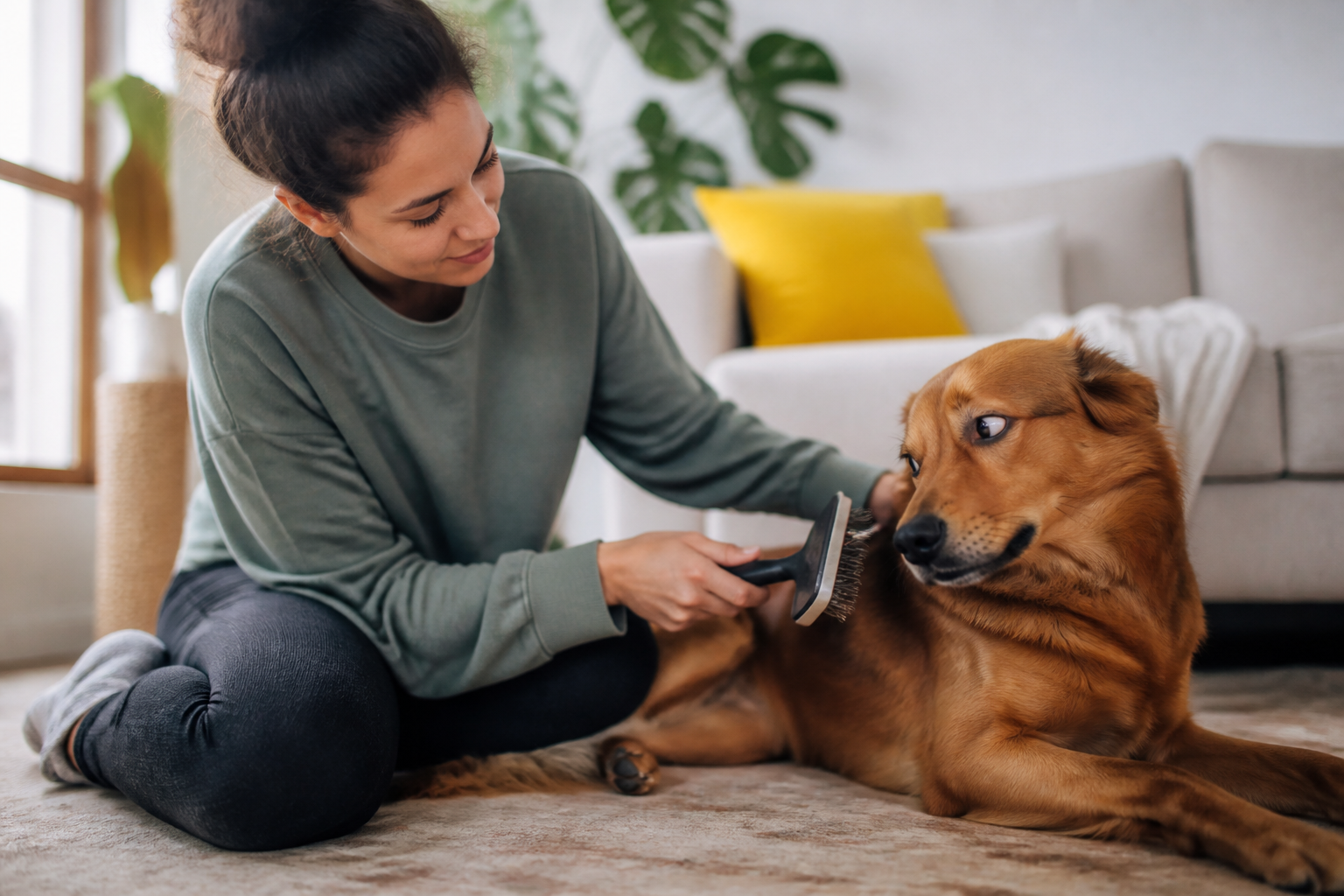
You reach for the grooming kit and your dog instantly vanishes under the dining room table. Perhaps they growl at the sight of a slicker brush or turn into a squirming acrobat the moment you touch their coat. This struggle is common for many owners. It often turns what should be a bonding moment into a stressful battle of wills. At BaxterBoo, we understand that grooming is about more than just looks. It is a fundamental part of your dog's health and comfort. Regular brushing prevents painful mats and allows you to check for skin issues or parasites. This guide will show you how to rebuild trust and transform the grooming experience. You can help your dog feel safe while keeping their coat in top condition.
Why Some Dogs Develop a Fear of Brushing
Understanding the root of the problem is the first step toward fixing it. Dogs do not usually hate the brush without a reason. Often, it comes down to a negative past experience. If a previous owner or groomer accidentally pulled on a deep mat, the dog remembers that sharp pain. They associate the tool with discomfort rather than care.
Sensitivity is another major factor. Some dogs have very thin skin or sensory processing issues. For these pets, the sensation of metal tines can feel like scratching or poking. Puppies who were not handled enough during their socialisation window may also find the process overwhelming. They see the brush as a strange, invading object rather than a normal part of life.
Impatience plays a role as well. High-energy breeds often find it difficult to sit still for twenty minutes. They would rather be chasing a ball or exploring the yard. When you force them to stay put, they feel frustrated. This frustration can quickly morph into a dislike for the grooming session itself. Identifying whether your dog is fearful, sensitive, or just bored helps you choose the right approach.
Quick Answer: Dogs usually hate brushing because of past pain from mats, skin sensitivity, or a lack of positive handling during puppyhood. To fix this, you must use high-value rewards and very short sessions to build a positive association.
Assessing Your Current Tools
The wrong tool can make grooming feel like a chore for both of you. Many owners use a one size fits all approach, but different coats require specific brushes. If you are using a stiff slicker brush on a dog with a single coat and sensitive skin, it might actually be hurting them.
At BaxterBoo, we carry a wide range of options to suit every coat type and temperament. For a dog that is truly terrified, we often recommend starting with a gentle pet grooming glove. These fit over your hand and allow you to brush the dog while simply petting them. The rubber nubs are much gentler than metal pins. This helps the dog get used to the sensation of hair being moved without the scary sight of a traditional brush.
If your dog has a thick double coat, you might eventually need a pin brush or a de-shedding tool. However, you should not start with these if the dog is already fearful. Start with the softest option possible. A soft bristle brush is excellent for the initial training phases because it provides a gentle massage.
Common Brush Types and Their Uses
- Slicker Brushes: Best for removing mats and tangles in medium to long-haired breeds.
- Pin Brushes: Good for general brushing of longer coats without causing as much static.
- Bristle Brushes: Ideal for short-haired dogs or for finishing a coat to add shine.
- Grooming Gloves: The perfect introductory tool for fearful or sensitive dogs.
- Rubber Curry Brushes: Great for short-haired breeds to remove loose fur during a bath.
Key Takeaway: The physical sensation of the brush is often the primary trigger for a dog's "flight or fight" response. Switching to a softer tool or a grooming glove can immediately lower their stress levels.
Creating a Low-Stress Grooming Environment
Where you brush your dog matters as much as how you brush them. If you try to corner your dog in a slippery bathtub or a cramped hallway, they will feel trapped. This heightens their anxiety. Instead, choose a neutral and comfortable space.
Place a non-slip mat or a soft dog bed on the floor. This gives them a clear "station" where they feel secure. If you have a small dog, you might use a stable table or counter, but only if they feel safe at that height. Make sure the room is quiet and free from distractions like other pets or loud televisions.
Timing is also a critical factor. Do not try to brush a high-energy dog right after they wake up from a nap. They will be full of "zoomies" and unable to focus. The best time for a grooming session is after a long walk or a vigorous play session. A tired dog is a much more relaxed dog. When their physical energy is spent, they are more likely to tolerate the stillness required for brushing.
The Power of High-Value Rewards
If your dog hates the brush, you have to give them a reason to like it. Standard kibble usually is not enough to distract a fearful dog. You need something they rarely get. Think small pieces of plain cooked chicken, freeze-dried liver, or a bit of squeeze-cheese.
We recommend using the "treat-brush-treat" method. This creates a powerful mental link between the tool and the reward. The goal is for the dog to see the brush and think of their favorite snack. If you only bring out the special treats during grooming, they will eventually look forward to the session.
For dogs that are particularly wiggly, a lick mat can be a lifesaver. You can spread peanut butter or wet food on the mat and stick it to a wall or the floor. While the dog is busy licking, you can gently work on their coat. This provides a constant stream of reinforcement and keeps their head occupied while you work on their back or sides.
Vet Tip: If your dog becomes aggressive, growls, or tries to bite during brushing, stop immediately. This behavior often stems from deep-seated fear or underlying physical pain. Consult a professional trainer or your veterinarian to rule out medical issues like arthritis or skin infections before continuing.
A Step-By-Step Desensitization Plan
You cannot fix a grooming phobia in one day. It takes consistency and patience. Follow this progression over several days or weeks, moving to the next step only when your dog is completely relaxed.
Step 1: Introduction to the Object
Leave the brush on the floor near your dog's food bowl or in their play area. Let them sniff it and explore it on their own terms. Every time they look at it or sniff it, give them a treat. You want them to realize that this object is harmless.
Step 2: The Scent and Touch
Hold the brush in your hand but do not use the bristles yet. Touch your dog's shoulder or back with the smooth, wooden or plastic back of the brush. Follow this touch immediately with a high-value treat. Repeat this several times until they don't flinch when the brush touches them.
Step 3: One Single Stroke
Turn the brush around. Very gently, make one short stroke on an area where your dog enjoys being touched. For most dogs, this is the shoulder or the base of the neck. Immediately give a treat. Stop the session there. You want to end on a high note before they have a chance to get upset.
Step 4: Building Duration
Gradually increase the number of strokes. Do two strokes, then a treat. Then try three. Keep the sessions under two minutes. It is better to have five one-minute sessions throughout the day than one ten-minute session that ends in a struggle.
Step 5: Moving to Sensitive Areas
Once they are comfortable with their shoulders and back, slowly move toward the belly, legs, and tail. These are usually the most sensitive areas. Go back to Step 2 for these specific spots if necessary.
Bottom line: Progress is measured in wagging tails and relaxed body language, not the amount of fur you remove in a single session.
Dealing With Mats and Tangles Humanely
Mats are the primary reason brushing becomes painful. A mat is a clump of tangled fur that can pull tightly against the skin. When you run a brush through a mat, it acts like a hook, tugging on the dog's sensitive skin. This is why many dogs start to snap or run away.
If you find a mat, do not try to yank it out with a slicker brush. This is the fastest way to make your dog hate grooming forever. Instead, use your fingers to gently pull the mat apart from the edges. You can also apply a pet-safe detangling spray to help the hair fibers slide past each other.
If the mat is too close to the skin, it may need to be cut out. However, you must be extremely careful with scissors. A dog's skin is very thin and can easily be cut if they move suddenly. In many cases, using an electric clipper is much safer. If the matting is severe, it is best to visit a professional groomer. They have the tools to remove the mats without hurting the dog. Once the mats are gone, you can start a fresh brushing routine to prevent them from coming back.
Addressing Physical Comfort and Health
Sometimes a dog's hatred of brushing is a symptom of a physical problem. Senior dogs often suffer from arthritis or joint stiffness. When you move their limbs to brush their underside or legs, it can cause genuine pain. If you notice your older dog flinching or yelping during specific movements, they may need medical support.
Our pet pharmacy at BaxterBoo offers a variety of FDA-approved medications and supplements to help manage chronic conditions. Through our partnership with Pet's Choice, we provide access to prescription joint support and pain management options. If your dog has underlying skin allergies, their skin might be inflamed and tender to the touch. In these cases, no amount of training will help until the medical issue is addressed.
If your dog seems excessively anxious despite your best efforts, talk to your veterinarian. They might recommend a calming supplement or a short-term medication to help the dog stay below their "fear threshold" during training. This can make the desensitization process much smoother for everyone involved.
Training for the Long Term
Grooming should be a lifelong habit. Even if your dog has a short coat that does not mat, regular brushing helps distribute natural oils and keeps the skin healthy. It also serves as a weekly "health check." As you brush, you can feel for new lumps, bumps, or sores that might otherwise go unnoticed.
Make brushing a part of your daily routine. Many owners find success by doing a "two-minute brush" every evening before dinner. This keeps the task manageable and ensures the dog never has a chance to develop large tangles. Consistency is the enemy of fear. When something happens every day in a predictable way, it loses its power to scare.
If you find yourself getting frustrated, take a break. Your dog can sense your tension. If you are gripping the brush tightly and sighing, the dog will mirror that stress. Put the brush away and try again tomorrow. The goal is a happy dog, not a perfect coat.
- Keep sessions short and frequent.
- Always use high-value rewards.
- Stay calm and patient.
- Use the right tools for the specific coat.
- Consult a vet if you suspect physical pain.
Key Takeaway: Patience is your most valuable tool. Building a positive association with grooming takes time, but the reward is a healthier pet and a stronger bond.
Leveraging Rewards Programs
Keeping up with grooming supplies and treats can add up. We want to make it easier for you to care for your pet without breaking the bank. Our MVP Rewards program is a great way to earn points on every purchase of brushes, detanglers, and high-value treats. You can earn up to 5% back, which helps you stay stocked up on the tools you need for your desensitization training.
For items you use constantly, like grooming wipes or calming treats, our Autoship program is a convenient option. You can set a schedule that works for you and save on your first order. Plus, Autoship customers receive a free MVP Gold membership. This ensures you never run out of the rewards that make your dog's grooming sessions a success.
We have been helping pet owners since 2006, and we know that every dog is an individual. What works for a golden retriever might not work for a nervous rescue terrier. Our expertly curated selection includes over 500 brands, ensuring you can find the specific tool or treat that clicks with your dog's personality.
When to Seek Professional Help
There is no shame in admitting that a dog's grooming needs are beyond your current skill level. If your dog is severely matted or shows signs of extreme aggression, a professional is the safest choice. Professional groomers have specialized tables, restraints, and experience handling difficult behaviors.
You can often work in tandem with a groomer. Let them handle the heavy-duty de-matting and bathing, while you focus on the daily "maintenance" brushing at home. This takes the pressure off you and prevents the dog's coat from reaching a critical state again. If your dog requires a prescription flea and tick preventive or a medicated shampoo for a skin condition, our pharmacy can help you fulfill those needs quickly through the Pet's Choice partnership.
Always communicate openly with your groomer about your dog's fears. A good groomer will take extra time to keep the experience positive. They may even offer "happy visits" where the dog just comes in for a treat and some praise without any actual grooming. This helps the dog realize the grooming shop is not a scary place.
Summary of the Brushing Process
Brushing a dog who hates the process is about changing their emotional response. You are moving them from a state of fear to a state of calm acceptance. This transition happens in small increments. By using the right tools, a quiet environment, and plenty of rewards, you can make grooming a peaceful part of your lives.
Remember to keep the brushings short and focused on building trust. Never force the issue if the dog is showing signs of extreme distress. By following a structured desensitization plan, you turn the brush from a weapon into a source of treats and attention.
Bottom line: Successful grooming is built on a foundation of trust, the right tools, and a very slow approach to physical handling.
FAQ
How long does it take for a dog to stop hating the brush?
The timeline varies for every dog depending on their past experiences and temperament. Some dogs show improvement in a few weeks, while others may take several months of daily, low-pressure work. Consistency is more important than speed, so aim for very short, positive sessions every single day.
Can I use a human hairbrush on my dog?
It is generally not recommended because human hairbrushes are designed for human scalp sensitivity and hair texture. Dog brushes, like slicker or pin brushes, are specifically engineered to reach through thick fur to the undercoat without scratching the skin. Using the wrong brush can cause discomfort and make your dog even more resistant to grooming.
What should I do if my dog growls when I brush their tail?
The tail and paws are highly sensitive areas for most dogs. If your dog growls, they are giving you a warning that they are uncomfortable or in pain. Stop immediately and go back to a less sensitive area like the shoulders. In the future, use higher-value treats for the tail and only do one or two very light strokes at a time.
Is it okay to shave my dog if they hate being brushed?
Shaving should be a last resort, especially for double-coated breeds, as it can damage the coat's ability to regulate temperature. However, if a dog is severely matted and the process of brushing would be traumatic or painful, a "reset" shave by a professional groomer may be the most humane option. Once the hair begins to grow back, you can start a gentle daily brushing routine to prevent future mats.






