
 Save 15% on your 1st Autoship learn more

 Email us
 Live Chat
 FAQs
FAQs





Introduction
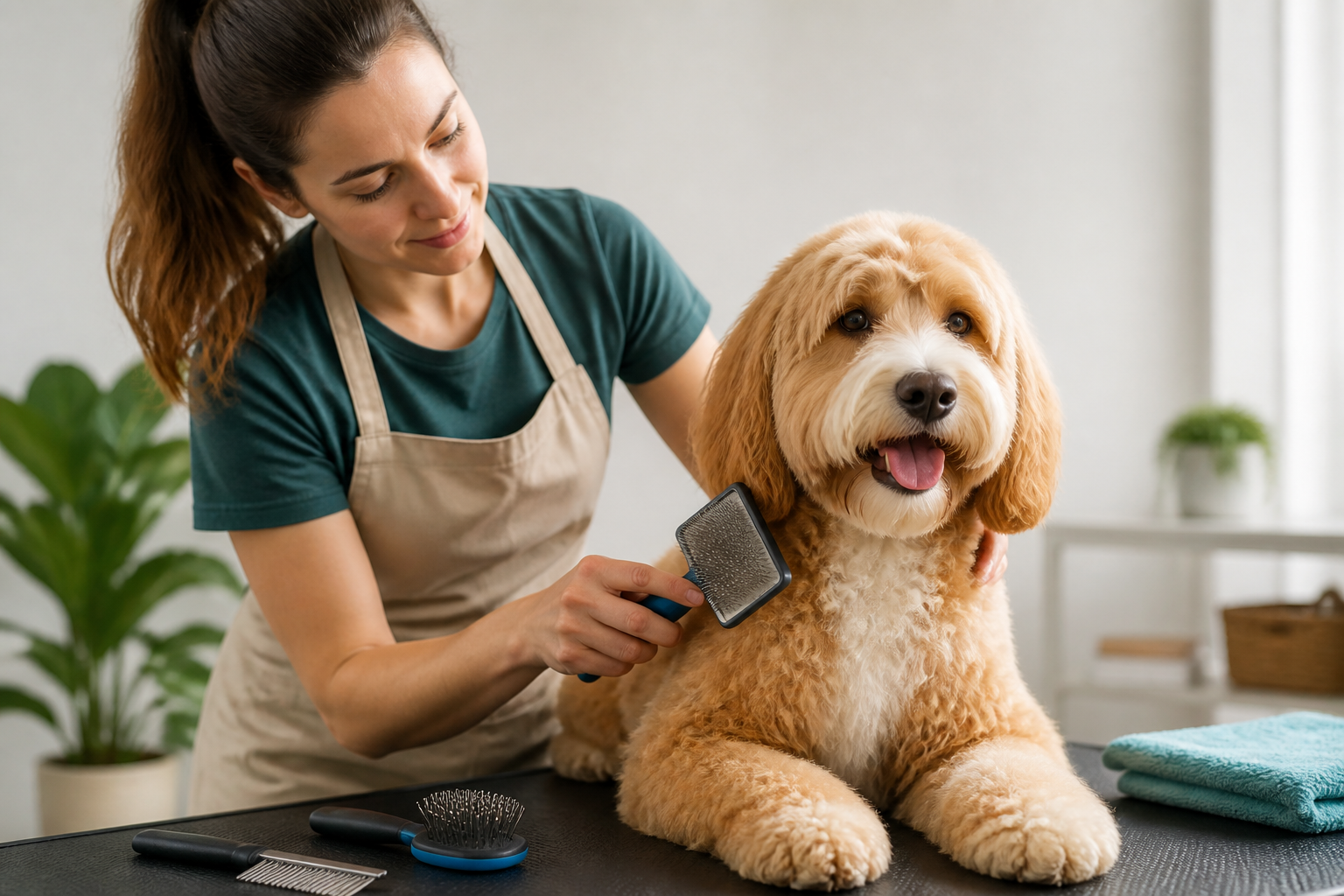
You reach down to pet your dog and feel a solid, painful clump of fur tucked behind their ear. Perhaps you have noticed a layer of "dog glitter" covering your favorite black leggings after just five minutes of couch time. Brushing is more than a way to keep your home clean. It is an essential part of keeping your pet healthy, comfortable, and free from skin irritation. At BaxterBoo, we know that a one size fits all approach does not work for grooming. Different coats require specific tools and techniques to prevent pain and manage shedding effectively. This guide covers how to choose the right brush for your dog and the best way to handle the brushing process from head to tail. Regular grooming strengthens your bond and keeps your dog's skin in peak condition.
Quick Answer: To brush a dog's hair properly, use a tool designed for their specific coat type and always brush in the direction of hair growth. Start at the rear or the feet and work in small sections to ensure you reach the skin, then follow up with a metal comb to check for hidden tangles.
Why Regular Brushing Matters for Dog Health
Brushing is not just about making your dog look like they just left a professional salon. It serves several health functions that keep your dog feeling their best. When you run a brush through their coat, you are stimulating the skin and distributing natural oils. These oils act as a built in conditioner that keeps the hair strong and the skin hydrated.
Regular sessions also allow you to act as a detective for your dog's health. Dogs cannot tell us when they have a new bump or a sore spot. While you brush, you can feel for unusual lumps, skin redness, or evidence of parasites like fleas and ticks. Finding these issues early makes them much easier to manage with the help of your veterinarian.
Finally, brushing prevents matting. Mats are not just messy tangles. They can pull tightly on the skin, causing constant discomfort and even restricting blood flow. In severe cases, moisture gets trapped under mats, leading to painful "hot spots" or fungal infections. Keeping the hair separated and smooth is the best way to avoid these complications.
Key Takeaway: Brushing is a primary health check that prevents painful skin conditions while keeping your dog's coat shiny and functional.
Understanding Your Dog's Coat Type
Before you pick up a brush, you must know what kind of hair you are working with. Using a tool meant for a smooth coat on a thick double coat will be ineffective. Conversely, using a heavy duty rake on a thin haired dog can cause "brush burn" or skin scratches.
Short and Smooth Coats
Dogs like Boxers, Bulldogs, and Great Danes have short hair that lies close to the body. These dogs do not get mats, but they do shed. Their hair is often stiff and can get stuck in upholstery like little needles. You do not need aggressive metal tools for these pups. A soft bristle brush or a rubber grooming mitt is usually enough to pull away loose hair and add shine.
Double Coats
This is one of the most common and misunderstood coat types. Dogs like Labrador Retrievers, German Shepherds, and Huskies have two layers. The top layer consists of guard hairs that repel water and dirt. The undercoat is soft and fuzzy, acting like insulation.
Double coats "blow" twice a year, meaning the undercoat sheds out in massive clumps. If you do not remove this dead hair, it gets trapped against the skin and forms thick mats. You will need an undercoat rake or a deshedding tool to reach through the top layer and pull out the loose fuzz. For additional seasonal shedding guidance, see this guide to managing a dog's shedding.
Curly and Wavy Coats
Poodles, Bichon Frises, and many "Doodle" mixes fall into this category. These coats are often called "non-shedding," but that is a bit of a myth. The hair does shed, but it gets caught in the surrounding curls instead of falling on your floor.
If you do not brush these dogs down to the skin every single day, the trapped shed hair will weave itself into tight mats. This coat type requires the most dedication. You need a high quality slicker brush and a sturdy metal comb to keep them tangle free. BaxterBoo's guide to grooming a curly-haired dog offers additional help for this coat type.
Long and Silky Coats
Yorkshire Terriers, Maltese, and Afghan Hounds have hair that is very similar to human hair. It grows continuously and can easily break. These dogs require gentle handling. A pin brush with rounded tips is ideal for these breeds. It moves through the long strands without snapping them.
Wire Coats
Terriers like the Airedale or the Wire Haired Fox Terrier have a rough, bristly texture. These coats are designed to protect the dog from brush and brambles. They do not shed much on their own, but they require regular brushing with a slicker brush to remove dead hair and keep the texture crisp.
Essential Grooming Tools for Your Kit
A well stocked grooming kit makes the job much easier. You do not need every tool on the market, but having the right basics for your specific dog is vital. We carry many of these trusted brands at BaxterBoo to help you build a professional grade kit at home. Browse our dog grooming supplies to find brushes, combs, shampoos, and other grooming essentials.
The Slicker Brush
This is the workhorse of the grooming world. It has a flat or slightly curved head with rows of thin, hooked wire pins. It is excellent for removing loose hair and breaking up small tangles. It works well on medium to long hair and curly coats. Brands like Evolution offer self cleaning versions that allow you to retract the pins and wipe away the hair easily.
The Metal Finishing Comb
Often called a "Greyhound comb," this tool is non negotiable for anyone with a long or curly haired dog. It usually has two different spacing widths for the tines. You use this after brushing to ensure you did not miss any knots. If the comb can slide through the hair from skin to tip without catching, your dog is truly tangle free.
The Rubber Grooming Tool
The KONG Zoom Groom Natural Rubber Dog Grooming Brush is a classic example of this tool. It is perfect for short haired dogs and for use during bath time. The rubber "fingers" grab onto loose hair and pull it away while providing a soothing massage. It is a great "starter brush" for puppies who are nervous about grooming.
The Undercoat Rake
This tool looks like a small garden rake with long, rounded metal teeth. It is designed to go deep into a double coat to pull out the dead undercoat without damaging the top layer. It is a lifesaver during shedding season for breeds like Golden Retrievers or Corgis.
Deshedding Tools
Tools like the FURminator use a fine, comb like edge to reach deep into the coat. They are incredibly effective at reducing the amount of hair in your home. However, they must be used with a light hand. Using too much pressure or going over the same spot too many times can cause skin irritation or damage the healthy coat.
Vet Tip: If your dog's skin appears red, flaky, or has an unusual odor, consult your veterinarian before starting a heavy grooming routine. Our pharmacy, which operates through a partnership with Pet's Choice, stocks FDA-approved medicated shampoos and skin treatments that may be necessary if your dog is struggling with allergies or infections.
Step-by-Step Guide to Brushing Your Dog
Once you have your tools ready, it is time to start the process. For many dogs, this is a relaxing experience. For others, it can be a source of stress. Following a consistent routine helps your dog know what to expect.
Step 1: Choose a quiet location. / Place your dog on a non-slip surface where they feel secure. Small dogs can be brushed on a sturdy table or counter, while large dogs should stay on the floor.
Step 2: Inspect the skin. / Before using a brush, run your hands over your dog's entire body. Feel for any new lumps, ticks, or sore spots that you need to avoid with the brush.
Step 3: Start from the back. / Most dogs are more comfortable with you touching their rear or sides than their face. Begin at the back of the dog and work your way forward. This helps the dog settle into the rhythm of the session.
Step 4: Brush in the direction of growth. / Always follow the way the hair naturally lays. Brushing "against the grain" can be uncomfortable and may cause the hair to snap.
Step 5: Use the "Pat and Pull" method. / When using a slicker brush, do not use long, sweeping strokes like you would on your own hair. Instead, use a light "pat" motion and a short "pull" away from the skin. This prevents the wire pins from scraping against the sensitive skin.
Step 6: Work in sections. / Divide your dog's body into small areas. Finish one leg before moving to the next. This ensures you do not miss any spots, like the armpits or the area behind the ears, which are prime spots for mats.
Step 7: Check your work with a comb. / Once you have brushed a section, run your metal comb through it. If it catches, there is still a knot. Use your fingers or the brush to gently work it out rather than yanking the comb through.
Dealing with Stubborn Mats and Tangles
Even with the best care, mats can happen. They often form in high friction areas, such as under the collar, behind the ears, or where the legs rub against the body. Dealing with them requires patience.
Never use regular craft or kitchen scissors to cut out a mat. A dog's skin is very thin and can easily be pulled into the mat. It is extremely common for owners to accidentally cut their dog's skin while trying to trim a tangle. If a mat is too tight to brush out, it is safer to use a dedicated dematting tool or visit a professional groomer.
To work out a loose mat:
- Apply a dog safe detangling spray to the area to provide "slip."
- Hold the base of the hair near the skin with your fingers so you do not pull on the skin.
- Use the edge of your slicker brush to pick at the outer edges of the mat.
- Slowly work your way toward the center of the clump.
- Once it is loosened, use the metal comb to remove the remaining dead hair.
Bottom line: Patience is the most important tool when dealing with mats; never pull or yank, as this creates a negative association with grooming.
Handling Sensitive Areas and Face Grooming
The face, belly, and "trousers" (the back of the thighs) are sensitive areas for most dogs. You must be extra gentle here. When brushing near the eyes, use your free hand to shield the dog's eye so a stray bristle does not cause an injury.
For the belly and groin, the skin is very thin and has little hair for protection. Use a soft bristle brush or a very light touch with a slicker brush. If your dog is reluctant to have their belly touched, do not force it. You can try having them lie on their side and slowly introduce the brush with plenty of treats.
The tail is another area that is often forgotten but prone to tangles. For long haired tails, brush from the tip of the tail back toward the base. This prevents you from pulling the length of the hair all at once.
How to Keep a Nervous Dog Calm
Not every dog enjoys being brushed. Some see the brush and immediately hide under the couch. If your dog is nervous, you need to change their perception of the grooming tool.
Start by leaving the brush on the floor and putting high value treats around it. Let your dog investigate it on their own terms. Once they are comfortable being near the brush, try touching them with the back of it, followed immediately by a treat.
Keep your initial sessions very short. You do not have to brush the whole dog in one sitting. Five minutes of successful, happy brushing is better than thirty minutes of struggling. Over time, your dog will learn that the brush brings rewards and a soothing massage.
Grooming Reward Checklist
- Keep "special" treats that are only used for grooming sessions.
- Use a "licking mat" with peanut butter (xylitol-free) to keep them occupied.
- Offer verbal praise in a calm, low voice throughout the process.
- End every session with a favorite game or a long walk.
Brushing and Seasonal Shedding
Most dogs experience a significant change in their coat during the spring and autumn. This is often called "blowing the coat." As the daylight hours change, the dog's body reacts by shedding the old seasonal layer to make room for a new one.
During these times, you will need to increase the frequency of your brushing. If you usually brush once a week, you may need to move to a daily schedule. Using a deshedding tool during these weeks can significantly reduce the amount of fur that ends up on your furniture and clothing.
Remember that while shedding is normal, excessive hair loss that results in bald spots is not. If you notice your dog is losing hair in patches or is constantly scratching, it may be time to talk to your vet about potential allergies or skin mites.
The Role of the BaxterBoo Pharmacy in Coat Health
Sometimes, a dull or thinning coat is a sign of an internal health issue rather than a lack of brushing. Skin allergies are incredibly common in dogs and can lead to constant itching, which damages the hair.
Our pharmacy carries a wide range of FDA-approved medications through our partnership with Pet's Choice. This includes prescription diets specifically formulated for skin sensitivity and medications to manage chronic itching. If your grooming routine is not yielding a healthy, shiny coat despite your best efforts, medical support might be the missing piece. We also offer flea and tick preventives like Frontline and NexGard, which are essential for preventing the skin irritation that leads to coat damage. Explore our dog pharmacy when your veterinarian recommends prescription support.
Final Grooming Thoughts
Learning how to brush a dog's hair is a fundamental skill for every pet owner. It keeps your dog comfortable, reduces the mess in your home, and allows you to monitor your pet's physical health. By choosing the right tools like those we carry at BaxterBoo and using the proper techniques for your dog's specific coat, you turn a chore into a bonding ritual.
- Identify your dog's coat type before buying tools.
- Always brush in the direction of hair growth.
- Use a metal comb to check for hidden mats.
- Keep sessions positive with treats and praise.
- Consult a vet for any unusual skin or coat changes.
For all your grooming needs, from slicker brushes to prescription skin support through our pharmacy, we are here to help. Consider signing up for our Autoship programme to ensure you never run out of the grooming sprays or supplements that keep your dog's coat looking its best.
FAQ
How often should I brush my dog?
The frequency depends entirely on your dog's coat type. Short haired dogs usually only need a quick brushing once a week, while curly or long haired breeds often require daily attention to prevent mats. During seasonal shedding periods in the spring and fall, most dogs benefit from more frequent sessions to manage the extra loose hair.
Can I brush my dog when their hair is wet?
It is generally best to brush your dog before a bath. Water can cause existing mats to tighten and shrink, making them much harder to remove once the dog is wet. Always ensure your dog is completely dry before doing a heavy grooming session, unless you are using a specific rubber brush during the shampooing process to help loosen dead hair.
What should I do if my dog has a mat that won't come out?
If a mat is tight against the skin and does not loosen with detangling spray and a brush, do not pull on it. Yanking causes pain and can tear the skin. You should never use household scissors to cut the mat out. Instead, use a professional dematting tool or contact a professional groomer who can safely shave the mat away without hurting the dog.
Why does my dog's skin look red after I brush them?
Redness after brushing is often a sign of "brush burn," which happens when you use too much pressure or use the wrong type of brush for the coat. It can also happen if you stay in one spot for too long. If the redness persists or if you see scratches, give the skin a break and switch to a softer brush, such as a rubber mitt or a soft bristle brush, for future sessions.






