
 Save 15% on your 1st Autoship learn more

 Email us
 Live Chat
 FAQs
FAQs





Introduction
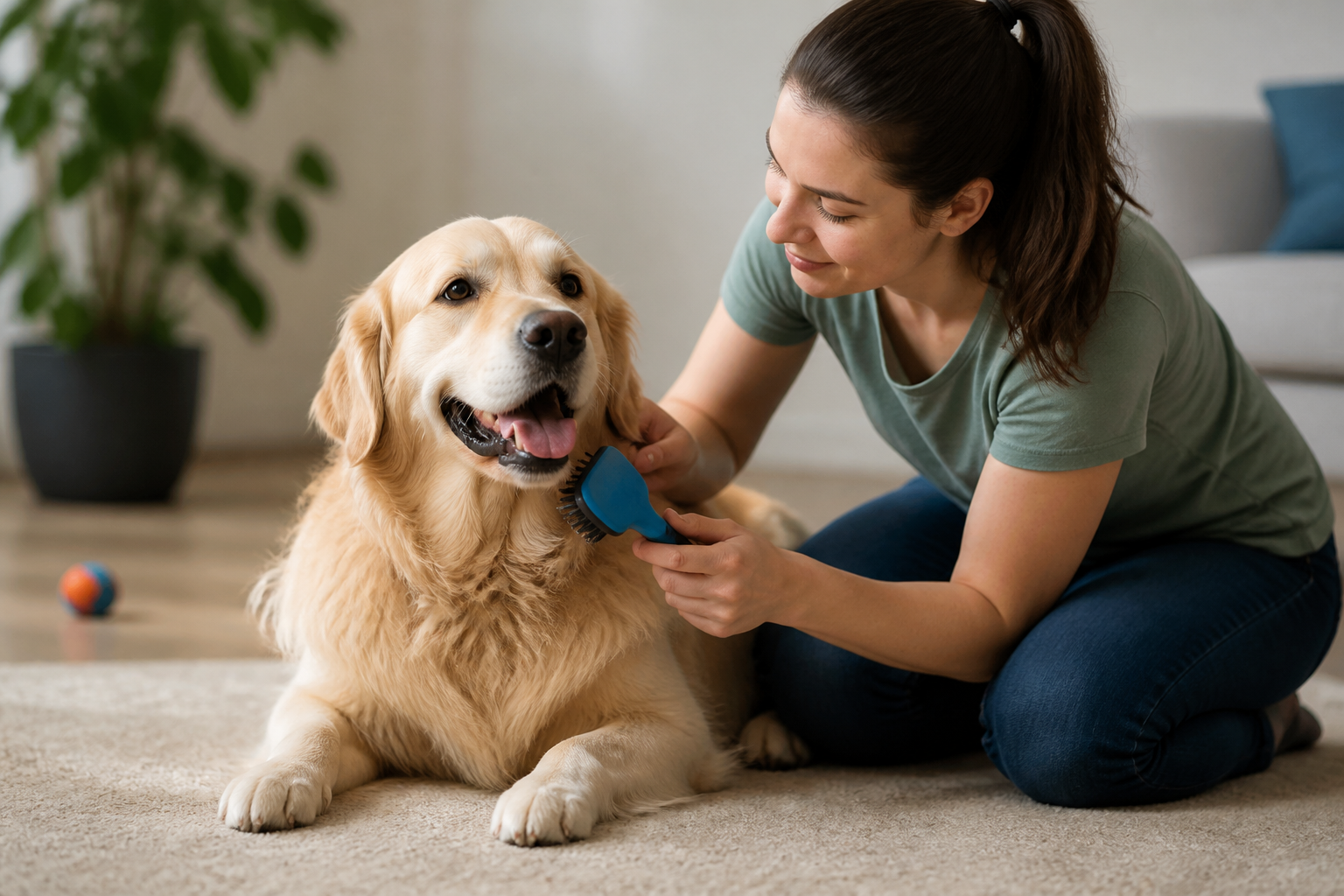
You pull the slicker brush out of the drawer and your dog is already halfway under the guest bed. Maybe they growl at the sight of a comb or turn into a wiggling eel the moment you touch their flank. This daily struggle is exhausting for you and stressful for them. At BaxterBoo, we know that grooming is about more than just looks. It is a vital check on your pet's skin health and comfort. If your dog treats the brush like an enemy, you are not failing as an owner. Many dogs have sensitive skin or bad memories of being pulled. This guide explains how to change your dog's mind through patience and the right tools. You can turn those stressful sessions into a calm bonding time that protects your dog's coat.
Quick Answer: The best way to brush a resistant dog is to use high-value treats and very short sessions. Start by letting them sniff the brush without moving it. Gradually move to single strokes on non-sensitive areas while rewarding them constantly.
Why Your Dog Resists the Brush
Before you can fix the behavior, you need to understand why it happens. Most dogs do not act out because they are being stubborn. They are usually trying to communicate a physical or emotional need. Understanding these triggers helps you adjust your technique to match their comfort level.
Sensitivity and Physical Pain
Some dogs have naturally thinner skin or a more sensitive nervous system. If you use a brush with sharp metal pins on a dog with a single coat, it can feel like scratching. Mats are another huge factor. When a brush catches on a knot, it pulls the skin tight. This creates a sharp pinch that your dog will remember. If they have had their skin nipped or pulled in the past, they will naturally be defensive the next time the brush appears.
Fear of the Unknown
For a puppy or a rescue dog, a brush is a strange and potentially threatening object. It is a hard tool being moved over their vulnerable belly or near their face. If they were not handled much as puppies, this physical contact feels intrusive. They may also dislike the sound of the bristles or the smell of grooming sprays.
Boredom and High Energy
Some dogs simply do not have a "stop" button. If your dog is young or high-energy, sitting still for twenty minutes feels like a chore. They would rather be chasing a ball or exploring the yard. Their "uncooperative" behavior is often just an attempt to get back to the action.
Key Takeaway: Resistance is usually a sign of fear or discomfort. Identifying whether your dog is scared, in pain, or just bored allows you to choose the right training path.
Choosing the Right Tools for Success
Using the wrong brush is like trying to comb your own hair with a garden rake. It will not work, and it will definitely hurt. Selecting tools based on your dog's specific coat type is the first step in winning them over. You can compare brushes, combs, clippers, and other options in our dog grooming collection.
The Grooming Mitt
For extremely fearful dogs, a grooming mitt is a great starting point. These are rubber gloves with soft nubs on the palm. Your dog thinks you are just petting them, but the nubs are actually pulling away loose fur. This is a low-stress way to introduce the sensation of grooming without a scary-looking tool.
Slicker Brushes vs. Bristle Brushes
Slicker brushes have fine wire bristles that are excellent for removing tangles in long-haired breeds. However, they can be scratchy if you press too hard. If your dog is sensitive, look for a slicker brush with protective tips on the wires. A bristle brush uses softer, natural or synthetic hairs. These are perfect for short-haired dogs or for finishing a session by smoothing the coat and adding shine.
Detangling Sprays and Tools
Never try to brush out a dry mat. This causes maximum friction and pain. A good detangling spray lubricates the hair fibers so the brush can slide through. You should also keep a specialized mat rake or a wide-toothed comb on hand. These tools are designed to break up knots without pulling on the skin. We carry a wide range of these items in our dog grooming supplies, and our team helps owners find the specific tool for their breed's coat.
Bottom line: The right tool reduces the chance of pain, which is the fastest way to build trust with a reluctant dog.
The Step-by-Step Desensitization Process
You cannot expect a dog that hates brushing to tolerate a full session overnight. You have to break the process down into tiny, manageable steps. This method is called desensitization and counter-conditioning. You are teaching the dog that the brush predicts something wonderful, like a piece of chicken or a favorite toy.
Step 1: Tool Familiarization
Place the brush on the floor. Every time your dog walks over to sniff it, give them a high-value treat. Do not pick the brush up. You want them to view the object as a neutral or positive item in their environment. Do this for two or three days until they approach the brush with a wagging tail.
Step 2: The Touch Phase
Pick up the brush but do not actually brush the dog. Touch the back of the brush (the non-bristle side) to their shoulder for one second. Immediately give a treat. Repeat this on different parts of the body. If they pull away, you are moving too fast. Go back to a spot they are comfortable with.
Step 3: The Single Stroke
Once they accept being touched by the brush, try one very gentle stroke. Choose an easy area like the back or the side of the neck. Avoid the paws, tail, and face for now. Give a treat during and after the stroke.
Step 4: Building Duration
Slowly increase the number of strokes. Brush for five seconds, then stop and have a "praise party." The goal is to end the session before the dog gets annoyed. If you stop while they are still happy, they will be more willing to participate next time.
Key Takeaway: Slow progress is permanent progress. Forcing a dog through a session will set your training back by weeks.
Strategies for the Wiggler and the Hider
Even with training, some dogs have a hard time staying still. You can use a few practical tricks to keep them in place without using force.
The Lick Mat Trick
A lick mat is a silicone pad with a textured surface. You can smear it with peanut butter or plain yogurt and stick it to a wall or the floor. While your dog is focused on licking every last bit of food, they are much less likely to notice you brushing their hindquarters. This provides a constant stream of positive reinforcement.
Elevated Surfaces
Sometimes, putting a small dog on a stable table or the top of a washing machine (with a non-slip mat) can help. Dogs often feel a bit more vulnerable on the ground where they can easily bolt. On a raised surface, they tend to stand more still. However, never leave a dog unattended on an elevated surface.
Post-Exercise Grooming
Never try to brush an uncooperative dog when they are full of "zoomies." Take them for a long walk or have an active play session first. A tired dog is a much more compliant dog. When their energy is spent, they are more likely to relax into the sensation of the brush.
Vet Tip: If your dog becomes aggressive or tries to bite during grooming, stop immediately. This level of fear may require professional help. Consult a certified dog trainer or a vet to see if a short-term calming aid is appropriate for grooming sessions.
Managing Mats Without the Drama
Mats are the primary reason grooming becomes painful. They act like tiny weights pulling on the skin constantly. If you find a mat, do not just yank at it with a brush.
- Isolate the knot. Use your fingers to pull the mat away from the skin so you can see where the hair meets the body.
- Apply detangler. Saturate the knot with a pet-safe detangling spray and let it sit for a few minutes.
- Pick, don't pull. Use the end tooth of a metal comb to slowly pick at the edges of the mat. Work from the outside of the knot inward toward the skin.
- Hold the base. Use your other hand to hold the hair at the base of the mat. This prevents the pulling sensation from reaching the dog's skin.
If a mat is tight against the skin, do not try to brush it out. This is incredibly painful and can tear the skin. In these cases, it is safer to use electric clippers to carefully shave the mat away. If you are uncomfortable doing this, a professional groomer is the best option.
Bottom line: Pain during mat removal is the fastest way to make a dog hate grooming. Always prioritize comfort over keeping the hair long.
When Health Issues Affect Grooming
Sometimes, a dog is uncooperative because of an underlying medical problem. If a dog that used to love being brushed suddenly starts snapping, it is time for a checkup. You can also explore our dog healthcare category for wellness and care supplies.
Arthritis and Joint Pain
Senior dogs often suffer from arthritis. If you move their legs into awkward positions to reach their belly or "armpits," it can cause significant joint pain. You must be very gentle with older dogs. Keep them in a natural standing or lying position and move yourself around them instead of making them move.
Skin Infections and Allergies
If your dog has an active skin infection, hot spots, or severe allergies, their skin will be inflamed. Even a soft brush can feel like sandpaper on a sunburn. Check the skin for redness, bumps, or a strong odor before you start. If the skin looks angry, skip the grooming and call the vet.
The Role of Professional Care and Pharmacy
In some cases, a dog's anxiety is too high for training alone to work. Our pet pharmacy offers prescription medications and calming options through our partnership with Pet's Choice. These can help take the edge off for extremely fearful dogs. Additionally, prescription diets can support skin health from the inside out. This reduces the flakiness and irritation that makes grooming uncomfortable. Always talk to your veterinarian before starting any new medication or specialized diet.
Vet Tip: Chronic skin issues often require a professional diagnosis. If your dog is constantly itchy or has a dull coat, your vet can check for underlying causes like thyroid issues or food sensitivities.
Safety and Preventive Measures
Safety is the priority for both you and your dog. If you are worried about being nipped, there are steps you can take to stay safe while you work on training.
Using a Muzzle Safely
A muzzle is not a punishment. It is a safety tool. A basket muzzle allows the dog to breathe, pant, and even take treats while being groomed. If you use a muzzle, you must desensitize the dog to it first, just like you did with the brush. Once they are comfortable wearing it, it can provide you with the peace of mind needed to stay calm yourself. Your dog can sense your tension, so if you feel safe, they will feel safer too.
Regularity Reduces Stress
The longer you go between sessions, the more likely your dog is to develop mats. Long gaps also mean your dog "unlearns" the training. Try to do two minutes of grooming every single day. This makes it a routine part of their life rather than a scary, once-a-month event.
Rewards and the MVP Program
Consistency pays off in more ways than one. When you find the treats and tools that work, you can save time and money. Our MVP Rewards program lets you earn points on eligible purchases of grooming supplies and high-value treats. If you find a specific brush or detangler your dog loves, you can use our Autoship programme to make sure you never run out. This keeps your routine consistent, which is key for a fearful dog.
Creating a Positive End to Every Session
How you end a grooming session is just as important as how you start. You want the very last thing your dog remembers to be something wonderful.
- The Jackpot Reward: When you finish, give a "jackpot" reward. This is a larger-than-normal amount of their favorite treat.
- Playtime: If your dog loves toys, have a vigorous game of tug or fetch immediately after the brush is put away.
- Clear Signals: Use a specific word like "All done!" to let your dog know the session is over. This helps them relax because they know they are no longer expected to be handled.
Key Takeaway: Ending on a high note ensures your dog is more willing to participate the next time you reach for the grooming kit.
Conclusion
Brushing an uncooperative dog is a journey that requires patience, empathy, and the right equipment. By moving at your dog's pace and using positive reinforcement, you can overcome fear and sensitivity. Remember that the goal is not just a clean coat, but a trusting relationship with your pet. Whether you are dealing with a wiggly puppy or a senior dog with sore joints, a gentle approach always wins. We invite you to explore our full range of grooming tools and calming aids to find the perfect fit for your dog's needs. If your dog's anxiety or skin issues feel overwhelming, remember that our Pet's Choice pharmacy partnership is here to provide professional support.
- Start with very short sessions (1–2 minutes).
- Use high-value treats that your dog only gets during grooming.
- Identify the right brush type for your dog's specific coat.
- Consult a vet if the resistance is sudden or accompanied by signs of pain.
Bottom line: Consistency and kindness will turn the brush from a source of fear into a tool for comfort.
FAQ
How long does it take to train a dog to like brushing?
The timeline varies depending on the dog's past experiences and temperament. Some dogs improve in a week, while others may take several months of daily, short sessions to feel fully comfortable. Consistency is the most important factor, so try to do at least one or two minutes of work every day.
Can I use human hairbrushes on my dog?
It is generally not recommended because human brushes are designed for human scalps and hair density. Dog brushes, like those found in our dog grooming collection, are engineered to reach through thick undercoats or handle specific textures like wire or curly hair. Using the wrong brush can pull the skin or fail to remove the hair that causes matting.
What should I do if my dog growls when I brush their tail?
The tail and paws are very sensitive areas for most dogs. If your dog growls, they are giving you a warning that they are uncomfortable. Stop immediately and go back to a neutral area like the shoulder. Work on desensitizing the tail area very slowly, using lots of treats for even the slightest touch, and never pull on the tail hair.
Is it okay to shave my dog if they won't let me brush them?
For some breeds with double coats, shaving can permanently damage the fur and affect their ability to regulate body temperature. However, if a dog is severely matted and the mats are causing pain or skin infections, shaving may be the most humane option. You should consult a professional groomer or your veterinarian before making the decision to shave a long-haired dog.






