
 Save 15% on your 1st Autoship learn more

 Email us
 Live Chat
 FAQs
FAQs





Introduction
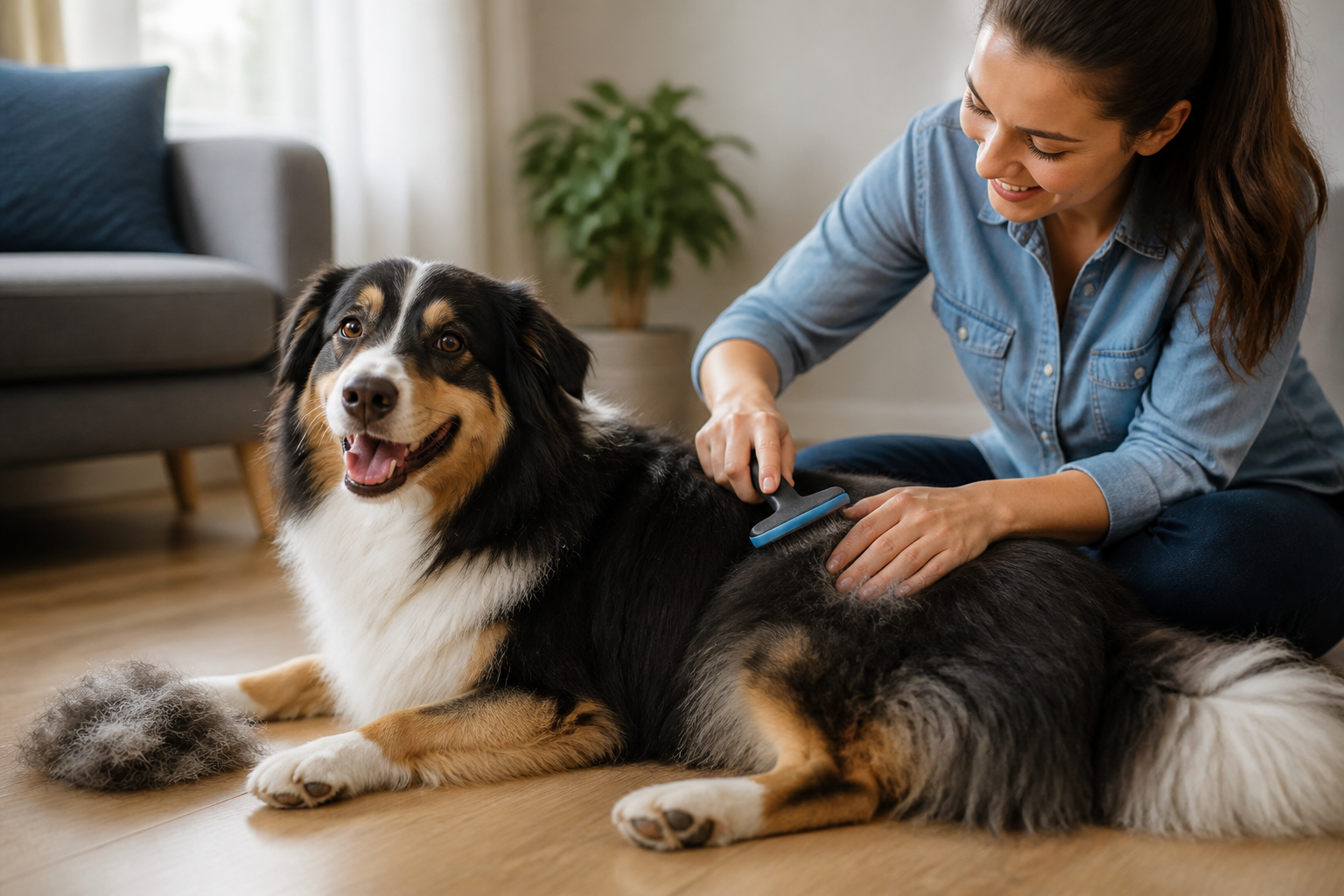
You notice a tumbleweed of fur drifting across your living room floor. Your dog looks fluffier than usual, but a quick pet reveals hidden knots tucked close to the skin. This is the reality of living with a double-coated dog, where the soft undercoat often becomes a trapped layer of loose fuzz and debris. At BaxterBoo, we know that managing this thick secondary layer is about more than just aesthetics. It is a vital part of keeping your dog cool in the summer, warm in the winter, and free from painful skin irritations. This guide will walk you through the specific tools and techniques needed to reach through the topcoat and effectively clear out the undercoat. By the end, you will have a clear plan to keep your dog comfortable and your home a little less hairy.
Understanding the Double Coat
Before you pick up a brush, it helps to understand what you are working with. Many breeds have a double coat, which consists of two distinct layers. The topcoat is made of stiffer guard hairs that repel water and shield the skin from dirt. Beneath that lies the undercoat, a dense layer of soft, downy fur. This layer acts as insulation, regulating your dog's body temperature in both hot and cold weather.
Common double-coated breeds include Labrador Retrievers, Golden Retrievers, German Shepherds, Huskies, and Pomeranians. Some smaller dogs like Corgis and even certain terriers also have this dense secondary layer. Because the undercoat grows and dies at a different rate than the guard hairs, it can become trapped. When this happens, the dead fur forms a thick blanket that prevents air from reaching the skin.
Quick Answer: Brushing a dog's undercoat requires reaching through the outer guard hairs using a tool like an undercoat rake or a slicker brush. You must use a technique called line brushing to ensure you are clearing the fur all the way down to the skin without causing irritation.
Essential Tools for Undercoat Brushing
Using the wrong brush is the most common mistake pet owners make. A standard bristle brush might make the topcoat look shiny, but it will never reach the undercoat. You need tools designed to penetrate the outer layer, such as those in our dog brushes and combs collection.
The Undercoat Rake
An undercoat rake is perhaps the most important tool for breeds with medium to long fur. These tools have long, sturdy metal pins that reach through the topcoat to grab loose undercoat fur. Brands like ConairPROPET offer rakes that are designed to be gentle on the skin while being tough on tangles.
The Slicker Brush
A slicker brush has fine, short wires spaced closely together on a flat or curved surface. It is excellent for removing small knots and smoothing out the fur. We often recommend the Master Grooming Tools Self-Cleaning Slicker Brush because it allows you to retract the pins to easily clear away the collected fur.
The Metal Comb
A high-quality metal comb, such as an Andis Steel Comb, is your best tool for checking your work. After you think you have finished brushing, a comb should glide through the fur from the skin to the tips. If it catches, you still have undercoat or tangles to address.
Deshedding Tools
For dogs that shed heavily, a deshedding tool can be a lifesaver. These tools, like the FURminator, are designed to reach deep and pull out the dead hair before it falls off on your carpet. However, these must be used with a light touch to avoid damaging the topcoat or irritating the skin.
Key Takeaway: Proper undercoat maintenance requires a combination of an undercoat rake for depth and a slicker brush or comb for finishing.
Step-by-Step Guide to Brushing the Undercoat
Brushing a double coat is not a quick process. If you rush, you will likely only scratch the surface. Follow these steps to ensure a thorough job.
Step 1: Inspect the skin.
Run your hands over your dog's body to check for lumps, bumps, or sores. This also helps you locate any large mats that need extra attention before you start brushing.
Step 2: Start with the undercoat rake.
Work in sections, starting from the back of the dog and moving forward. Use the rake to gently pull through the fur in the direction of hair growth. If the rake catches, do not yank. Stop and use shorter, gentler strokes to break up the clump.
Step 3: Use the line brushing technique.
Pick a spot on the leg or flank. Use one hand to push the hair up, exposing a line of skin. Use your other hand to brush the hair downward, one small section at a time. This ensures you are reaching the very bottom of the coat.
Step 4: Smooth with a slicker brush.
Once the rake is moving easily through a section, follow up with a slicker brush. This removes any smaller loose hairs the rake might have missed and smooths out the topcoat.
Step 5: The final comb check.
Run a metal comb through the section you just finished. The teeth of the comb should go all the way to the skin. If it slides through without resistance, that section is complete.
Tips for Specific Body Areas
The undercoat is often densest in certain areas. Pay special attention to the "pants" on the back of the hind legs, the ruff around the neck, and the area behind the ears. These spots are prone to heavy matting because of the friction caused by movement or collars.
- Hind Legs: The long fur here can hide very dense undercoat. Use the rake thoroughly.
- Tail: Many double-coated dogs have very bushy tails. Brush gently from the base to the tip.
- Belly and Chest: The skin here is sensitive. Use lighter pressure and a softer brush if your dog seems uncomfortable.
Vet Tip: If you notice your dog's skin is red, flaky, or has an unusual odor during brushing, consult your veterinarian. These can be signs of underlying skin infections or allergies that may require medicated treatments.
Managing Mats and Stubborn Tangles
If you find a mat, do not reach for the scissors immediately. Cutting a mat out often leaves a hole in the coat and carries a risk of cutting the skin. Instead, try to work it out manually.
Apply a dog-safe detangling spray to the knot. Let it sit for a few minutes to lubricate the hair shafts. Use your fingers to gently pull the mat apart into smaller sections. Once the mat is loosened, use the end tooth of a metal comb to pick at the edges.
If a mat is too tight and sits right against the skin, it is safest to have a professional groomer or a vet remove it with electric clippers. Trying to brush out a tight mat can be very painful for your dog and may lead to a fear of grooming.
When to Use a Dematting Tool
A dematting tool has sharp blades designed to cut through the core of a knot. This can be very effective but requires extreme caution. Always keep your fingers between the tool and the dog's skin to prevent accidental cuts.
- Hold the base of the fur to prevent pulling the skin.
- Use short, picking motions rather than long strokes.
- Stop if the dog shows signs of significant pain.
Bottom line: Patience and detangling spray are your best defenses against mats.
Seasonal Shedding: The Blow Out Phase
Most double-coated dogs "blow their coats" twice a year, usually in the spring and fall. During these times, the undercoat comes out in large clumps. This is a natural response to changing daylight and temperatures.
During a coat blow, you may need to brush your dog every single day. If you skip a few days, the loose hair can quickly become a matted mess. Using a deshedding tool once a week during this phase can significantly reduce the amount of fur in your home. For additional guidance, read about how dogs shed during seasonal changes.
The Role of Baths in Shedding
A warm bath can help loosen the undercoat during shedding season. Use a high-quality deshedding shampoo and conditioner. While the conditioner is sitting on the coat, you can use a rubber curry brush like the Kong ZoomGroom to massage the skin and loosen dead hair.
Always make sure your dog is 100 percent dry before doing your final brushing. Brushing a damp double coat can actually cause more tangles. Use a high-velocity dryer if possible, as the air pressure helps blow the loose undercoat out of the follicles.
Keeping Your Dog Calm and Cooperative
Many dogs find undercoat brushing to be a bit overwhelming, especially if they are not used to the sensation of a rake reaching deep into their fur. The goal is to make the experience as positive as possible.
Start with short sessions. You do not have to brush the entire dog in one sitting. Focus on one leg or just the back, then stop. Use high-value treats to reward your dog for staying still. If your dog starts to get restless or shows signs of stress like panting or licking their lips, it is time for a break.
Training for Grooming
- Introduce the tools slowly. Let your dog sniff the brush before you use it.
- Pair the sight of the brush with a favorite snack.
- Use a "lick mat" smeared with peanut butter to keep them occupied while you work on difficult areas.
- Regularly touch your dog's paws, ears, and tail even when you are not grooming to desensitize them to handling.
Key Takeaway: Positive reinforcement and short, frequent sessions are more effective than one long, stressful grooming marathon.
Nutrition and Undercoat Health
The quality of your dog's undercoat is often a reflection of their internal health. A coat that is brittle, dry, or excessively thinning might indicate a nutritional gap. Omega-3 and Omega-6 fatty acids are essential for maintaining skin elasticity and a soft, healthy coat.
We carry several premium food brands, such as Farmina, Open Farm, and Stella and Chewy's, which are formulated with high-quality proteins and fats to support skin health. Browse our dog food selection when comparing everyday nutrition options.
Our pharmacy partnership with Pet's Choice also provides access to prescription diets and supplements for dogs with specific skin conditions or allergies. A healthy coat starts from the inside out.
When to Call the Professional Groomer or Vet
While home brushing is essential, there are times when professional help is the best choice. If your dog is severely matted, a professional groomer has the equipment and expertise to safely remove the mats without injuring the pet.
You should also consult a veterinarian if you notice any of the following while brushing:
- Bald patches or extreme thinning of the coat.
- Sores, scabs, or red, inflamed skin.
- Evidence of parasites like fleas or ticks.
- Strong, unpleasant odors coming from the skin.
- Excessive itching or biting at the fur.
Our pharmacy carries a wide range of FDA-approved flea and tick preventives, including NexGard and Frontline, which require a prescription from your vet. Keeping your dog free of parasites makes the grooming process much more comfortable for them.
Vet Tip: Never shave a double-coated dog down to the skin unless medically necessary. The undercoat provides essential protection against heatstroke and sunburn. Shaving can also permanently damage the way the fur grows back.
Conclusion
Brushing your dog's undercoat is a fundamental part of responsible pet ownership. By using the right tools like undercoat rakes and slicker brushes, and employing the line brushing technique, you can keep your dog's coat functional and beautiful. Regular maintenance prevents painful mats, identifies skin issues early, and keeps your home cleaner. At BaxterBoo, we have been helping pet owners find the best grooming gear and nutrition since 2006. Whether you need a new rake or are looking into the MVP Rewards programme to save on your next bag of premium food, we are here to support your journey. Your dog will feel better, look better, and appreciate the extra bonding time you spend together.
- Use an undercoat rake for deep fur removal.
- Always brush in the direction of hair growth.
- Check your work with a metal comb.
- Keep sessions positive with treats and praise.
Bottom line: A well-groomed undercoat is the secret to a happy, comfortable double-coated dog.
FAQ
How often should I brush my dog's undercoat?
For most double-coated breeds, a thorough brushing once or twice a week is sufficient to keep the undercoat under control. However, during the heavy shedding seasons of spring and fall, you may need to brush your dog every day. Regular maintenance prevents the dead hair from becoming trapped and forming mats.
Can I use a regular human hairbrush on my dog?
Human brushes are not designed to penetrate the dense layers of a dog's double coat and can often cause static or surface damage. It is best to use tools specifically designed for pets, such as undercoat rakes or slicker brushes. These tools have the correct pin length and spacing to reach the skin safely and effectively.
What should I do if my dog hates being brushed?
Start with very short sessions, sometimes just a minute or two, and use plenty of high-value treats to create a positive association. Gradually increase the time as your dog becomes more comfortable with the sensation. If they remain highly stressed, consult a professional groomer or a trainer for guidance on desensitization techniques.
Is it okay to cut out mats with scissors?
Using scissors to cut out mats is very risky because it is easy to accidentally cut the dog's skin, which is often pulled up into the mat. It is much safer to use a detangling spray and a metal comb to work the mat out slowly. For very tight mats, seek the help of a professional groomer who can safely use electric clippers.






