
 Save 15% on your 1st Autoship learn more

 Email us
 Live Chat
 FAQs
FAQs





Introduction
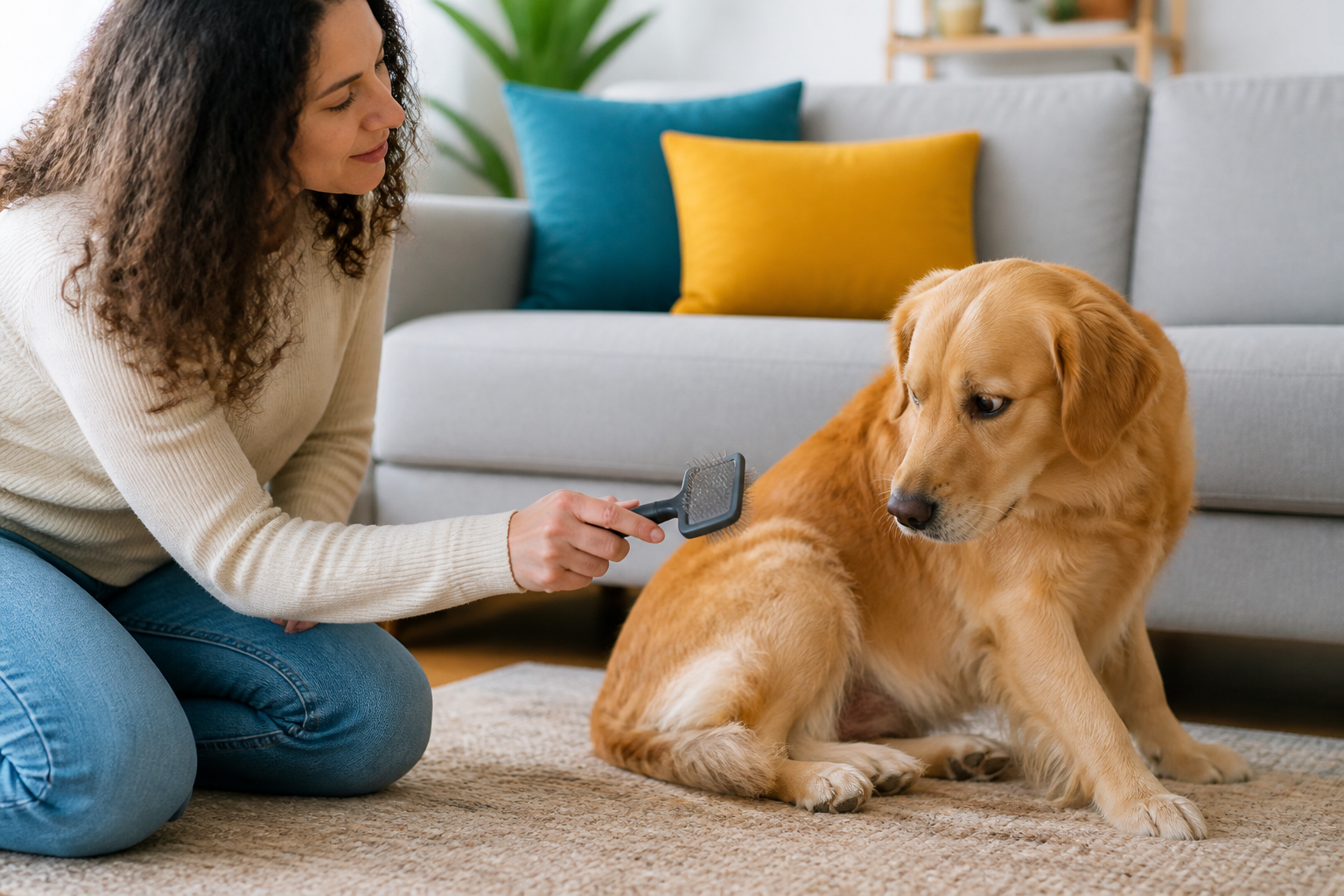
You reach for the grooming kit and your dog suddenly vanishes into the other room. Or maybe they stay put but growl the second the bristles touch their fur. It is a frustrating moment that many owners face. We know that grooming is about more than just looking good. It is a vital part of keeping your pet healthy and comfortable. At BaxterBoo, we have helped countless owners navigate the challenge of grooming a reluctant pet. This guide will show you how to turn a stressful standoff into a calm routine. You will learn how to identify why your dog is resisting and how to use positive reinforcement to build trust. We will also cover the right tools and techniques to make the process painless for both of you.
Understanding Why Your Dog Refuses the Brush
Before you can fix the behavior, you need to understand the root cause. Dogs do not refuse grooming to be difficult. They usually have a specific reason for their resistance. It often comes down to one of three things: pain, fear, or overstimulation.
If your dog has mats in their fur, the brush can pull on their skin. This causes a sharp, pinching sensation. Even one bad experience with a painful knot can make a dog fear the brush for years. Other dogs might be sensitive to the texture of certain bristles. A wire slicker brush can feel scratchy or abrasive on a dog with a thin coat or sensitive skin.
Fear is another common factor. If a dog was not handled much as a puppy, the sight of a long, metal tool can be intimidating. They might view the brush as a threat rather than a tool. Finally, some dogs simply have too much energy. They find it impossible to stay still for twenty minutes while you work through their coat.
Quick Answer: Start by identifying if your dog is in pain or just afraid. Use high-value treats and very short sessions to build a positive association with the brush. Never force the process, as this will only increase their resistance.
Choosing the Right Tools for a Sensitive Dog
Using the wrong brush is like using a scratchy towel on a sunburn. If your dog hates the brush, it might be the specific tool you are using. We carry a wide variety of our dog grooming supplies that cater to different coat types and sensitivity levels.
The Grooming Glove
A grooming glove is an excellent starting point for dogs that run away from traditional brushes. It fits over your hand like a mitten and has soft rubber nibs on the palm. Your dog feels like they are being petted while you actually remove loose fur.
Soft Bristle Brushes
For dogs with short hair or very sensitive skin, a soft bristle brush is best. These do not pull or scratch. They are designed to smooth the coat and distribute natural oils. You can compare gentle options in our dog brushes and combs collection.
Slicker Brushes with Coated Tips
Slicker brushes are great for removing tangles, but the wire teeth can be sharp. Look for versions with protective rubber tips on the ends of the pins. This prevents the metal from scratching the skin.
Silicone Brushes
Tools like the ZoomGroom are made of soft silicone. They are gentle enough for a massage but effective at pulling out dead hair. The KONG Zoom Groom Natural Rubber Dog Grooming Brush is one option for dogs that find traditional metal brushes too stimulating.
Creating a Low-Stress Environment
Where you brush your dog matters just as much as how you brush them. If you try to corner them in a hallway, they will feel trapped. This increases their anxiety.
Set up a designated grooming spot that is comfortable. A non-slip surface is essential. If your dog is sliding around on a hardwood floor, they will feel unstable and tense. Use a yoga mat or a heavy towel to give them traction.
Make sure the area is quiet. Turn off the television and keep other pets out of the room. You want your dog to focus entirely on you and the rewards they are receiving.
Key Takeaway: Success starts with the right environment and the right tools. A non-slip surface and a gentle brush, like a silicone massage tool, can significantly reduce your dog's anxiety during the initial training phases.
The Step-by-Step Desensitization Process
Desensitization is the process of making something scary seem normal. You cannot expect to brush your dog from head to tail on the first day. You must break the process down into tiny, successful steps.
Step 1: Introduce the brush. / Place the brush on the floor. Let your dog sniff it. Every time they move toward the brush, give them a high-value treat. Do this for several days until they are happy to see the tool.
Step 2: Use the back of the brush. / Hold the brush and touch your dog with the smooth back side. Do not use the bristles yet. This gets them used to the feeling of the object against their body without any risk of pulling.
Step 3: One stroke at a time. / Turn the brush over. Give your dog one very gentle stroke in an area they like being touched, such as their shoulder. Immediately give a treat. Stop the session there.
Step 4: Gradually increase the duration. / Over the next week, move from one stroke to three strokes. Then move to five. If your dog shows signs of tension, go back a step.
Handling Mats and Tangles Without Pain
Mats are the primary cause of grooming-related pain. When fur clumps together, it pulls tight against the skin. This can cause sores and infections. If you try to brush through a heavy mat, you will hurt your dog and ruin their trust.
For large or tight mats, do not use a brush. It is often kinder to use safety scissors or a mat splitter to carefully remove the knot. If the mats are too close to the skin, a professional groomer may need to shave that specific area. Once the mats are gone, you can start a daily brushing routine to prevent them from coming back.
If your dog has chronic skin irritation that makes brushing difficult, it might be an underlying health issue. Skin allergies or infections can make the skin feel hot and tender. Our dog healthcare category includes products for general skin and coat care. Always consult your veterinarian if you notice redness, discharge, or a foul smell on your dog's skin.
Vet Tip: If your dog suddenly starts refusing the brush after years of being fine, they may be experiencing joint pain or a skin condition. A vet can check for arthritis or dermatitis that might be making the grooming process physically painful.
Distraction Techniques That Work
Sometimes a dog just needs something better to do than worry about the brush. Distraction is a powerful tool for dogs that are impatient or mildly anxious.
A lick mat is one of the best tools for this. Spread some dog-safe peanut butter or plain yogurt on the mat and stick it to the wall or floor. While your dog is focused on licking, you can gently brush their back or sides. The act of licking is also naturally calming for dogs.
You can also use a puzzle toy filled with high-value treats. Programs like our Autoship programme can ensure you always have a fresh supply of treats and toys on hand. Having a specific "grooming-only" toy can make your dog actually look forward to the session.
Managing Aggression and Severe Fear
If your dog growls, snaps, or bites when you try to brush them, you must prioritize safety. This level of resistance usually indicates deep-seated fear or significant pain.
Do not punish your dog for growling. A growl is a warning. If you punish the warning, the dog may go straight to biting next time. Instead, stop the session immediately. You may need to work with a professional positive-reinforcement trainer to address the underlying aggression.
In some cases, a muzzle might be necessary for the safety of everyone involved. However, a muzzle should only be used after the dog has been properly trained to wear one comfortably. It is not a substitute for the desensitization process.
Maintaining a Routine for Long-Term Success
Consistency is the secret to a well-behaved grooming partner. Brushing should be a regular part of your week, not a monthly chore.
For most dogs, a quick five-minute session every other day is better than one long hour every month. Short sessions prevent your dog from getting overwhelmed. They also ensure that you catch small tangles before they turn into painful mats.
We recommend tracking your progress. Note which areas your dog is most sensitive about. Many dogs hate having their paws or tail touched. Save those areas for the very end of the session when your dog is most relaxed.
Bottom line: Short, frequent sessions paired with high-value rewards will always be more effective than occasional, forced grooming marathons.
When to Seek Professional Help
There is no shame in admitting that you need help. Some coats are incredibly difficult to maintain, and some dogs have fears that require professional intervention.
A professional groomer has specialized tables, restraints, and tools that make the job easier. They are also trained to handle difficult behaviors safely. If you find yourself feeling angry or frustrated every time you pick up the brush, it is time to call a professional.
Regular professional grooming, combined with your work at home, will keep your dog's coat in peak condition. It also allows an expert to check for lumps, bumps, or parasites that you might have missed.
Conclusion
Teaching a dog to accept brushing takes time and a lot of patience. By choosing the right tools from BaxterBoo and following a slow desensitization plan, you can rebuild your dog's trust. Remember to keep sessions short, use plenty of treats, and watch for signs of pain that might require a vet's attention. If your dog is struggling with skin issues or joint pain, our pet pharmacy is available for prescription medications with veterinary approval. Start small today with just a few licks of peanut butter and a gentle touch.
FAQ
How long does it take to train a dog to like brushing?
The timeline depends on your dog's past experiences and their natural temperament. Some dogs improve in a week, while others may take several months of daily, two-minute sessions. Consistency is more important than the length of the session, so try to practice a few times every week.
What should I do if my dog bites the brush?
If your dog is biting the brush, they likely see it as a toy or a threat. Stop brushing immediately and switch to a distraction like a lick mat. You may also want to go back to the first step of desensitization, letting them sniff the brush and get treats without any actual brushing.
Can I use human hairbrushes on my dog?
It is generally not recommended to use human brushes on dogs. Human brushes are designed for human hair and scalps, which are different from a dog's coat and skin. Dog brushes, like slickers or pin brushes, are specifically made to reach through fur to the undercoat without causing irritation.
My dog’s skin is red after brushing. What happened?
Redness usually means the brush was too abrasive or you were pressing too hard. This is common with slicker brushes if the pins are sharp. Switch to a softer bristle brush or a grooming glove, and consult your vet if the redness does not fade or if your dog seems to be in pain.






