
 Save 15% on your 1st Autoship learn more

 Email us
 Live Chat
 FAQs
FAQs





Introduction
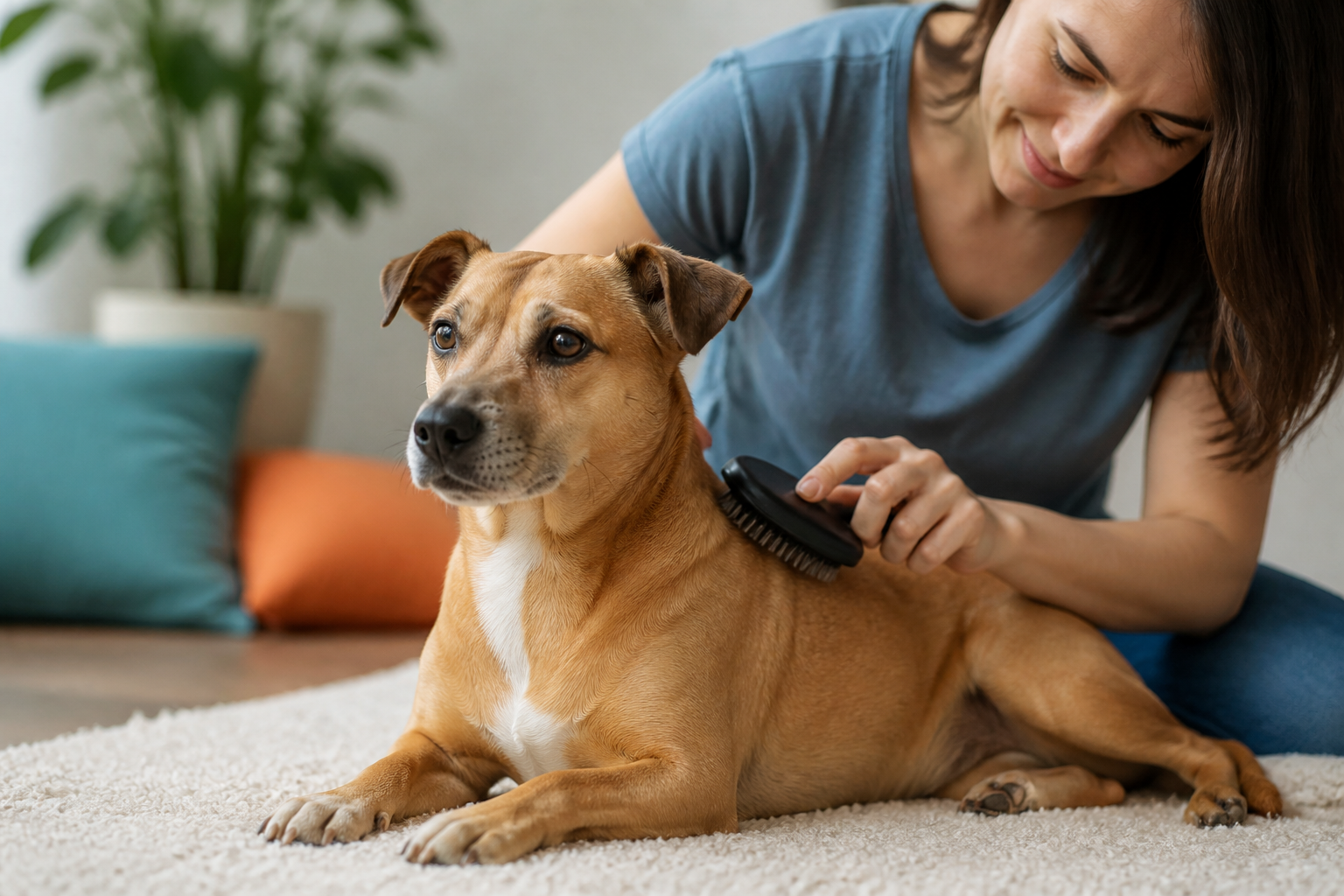
You might think that living with a short-haired dog means you are off the hook for grooming duties. Then you look down at your favorite dark jeans or your beige sofa and see hundreds of tiny, needle-like hairs embedded in the fabric. Short-haired breeds like Boxers, Labradors, and Beagles may not get tangles or mats. They still shed a surprising amount of fur throughout your home. At BaxterBoo, we know that a regular brushing routine is the best way to manage this shedding and keep your dog comfortable.
Brushing a short-haired dog is about more than just cleaning up loose fur. It is a vital part of skin health and a great way to bond with your pet. This guide will walk you through the best tools for short coats and the proper techniques to use. We will also explain how grooming helps you monitor your dog for skin issues and pests.
Why Brushing Short Haired Dogs is Necessary
It is a common myth that short-haired dogs are low maintenance when it regards their coat. While you will not spend hours detangling long fur, these dogs require consistent care to stay healthy. Short coats often have a high turnover rate for hair follicles. This means new hair grows in quickly and old hair falls out just as fast. Without brushing, that dead hair sits against the skin. This can trap heat, moisture, and dander, leading to irritation or a dull appearance.
Regular brushing also helps distribute natural skin oils. These oils are the secret to that glossy, healthy shine you see on well-groomed dogs. When you brush, you move these oils from the skin down the length of the hair shaft. This provides a natural waterproof barrier and keeps the skin hydrated. It also acts as a massage that stimulates blood flow to the skin surface. Improved circulation can lead to a healthier, stronger coat over time.
Quick Answer: Brushing short-haired dogs is essential for removing loose fur, distributing natural oils, and monitoring skin health. Even though they do not get mats, regular grooming reduces household shedding and prevents skin irritation caused by trapped dander.
Understanding Different Short Coat Types
Not all short hair is the same. Recognizing which type your dog has will help you choose the right tools. Generally, short coats fall into two categories: smooth and dense.
Smooth Coats
Dogs like Greyhounds, Boxers, and Miniature Pinschers have smooth coats. These coats are very thin and sit close to the body. You can often see the ripple of their muscles underneath. These dogs do not have much padding between their skin and your grooming tool. Because of this, you must be very gentle to avoid causing scratches or discomfort. Soft rubber tools and bristle brushes are usually best for these breeds.
Dense or Double Short Coats
Breeds like Labrador Retrievers, Corgis, and German Shorthaired Pointers have much thicker fur. These dogs often have a dense undercoat that sheds heavily twice a year. This is sometimes called blowing their coat. For these dogs, a simple surface brush will not be enough. You need tools that can reach through the top layer to pull out the fuzzy undercoat before it ends up on your carpet. Our dog brushes and combs include options for different coat types.
Key Takeaway: Match your brushing technique to your dog's coat density. Smooth-coated dogs need soft, flexible tools to protect their skin, while dense-coated dogs require tools that reach the undercoat.
Essential Tools for Short Haired Grooming
Selecting the right brush makes the experience better for both you and your dog. You do not need a massive kit of professional tools. A few well-chosen items from our dog grooming collection will do the job perfectly.
The Rubber Curry Brush
This is perhaps the most important tool for any short-haired dog owner. A rubber curry brush, like the KONG Zoom Groom Natural Rubber Dog Grooming Brush, uses flexible rubber nubs to grab loose hair. The rubber creates a magnetic-like pull on the fur. It also feels like a deep tissue massage for your dog. Many dogs who hate traditional brushes actually enjoy the feeling of a rubber curry.
The Bristle Brush
A natural or nylon bristle brush is perfect for finishing. These brushes are excellent at picking up fine dust and dander that other tools might miss. They are also the best tool for spreading those natural oils we mentioned earlier. Using a bristle brush as the final step in your routine will give your dog a show-quality shine.
De-shedding Tools
For dogs with dense undercoats, a dedicated de-shedding tool is a lifesaver. These tools feature a fine-toothed edge that reaches beneath the topcoat. They gently pull away loose undercoat hair without cutting the skin. You should only use these once or twice a week. Overusing a de-shedding tool can sometimes irritate the skin if you apply too much pressure.
Grooming Gloves
If your dog is nervous about being brushed, grooming gloves are a great transition. These are gloves with rubber nubs on the palms. You simply pet your dog as you normally would. They will think they are getting extra attention while you are actually removing handfuls of loose hair.
How to Brush Your Short Haired Dog Step by Step
Once you have your tools, it is time to start the grooming process. Following a consistent pattern ensures you do not miss any spots.
Step 1: Start at the neck.
Begin at the base of the head and work your way down the neck. Use small, circular motions if you are using a rubber curry brush. This helps loosen the hair from the follicle.
Step 2: Move to the back and sides.
Work in the direction of hair growth. This is the most comfortable way for your dog. For short-haired breeds, the hair usually grows from the spine down toward the belly.
Step 3: Be gentle on the legs and belly.
The skin is thinner and more sensitive in these areas. There is also less muscle and fat to pad the bones. Switch to a softer bristle brush or use very light pressure with your rubber tool.
Step 4: Don't forget the tail.
Many short-haired dogs have surprisingly thick hair on their tails. Be careful not to pull, as the tail is a sensitive extension of the spine.
Step 5: Finish with a shine.
Use your bristle brush to go over the entire body one last time. Long, sweeping strokes from head to tail will smooth the fur and distribute the oils.
Vet Tip: Always check for lumps, bumps, or skin redness while you brush. Short-haired dogs make it easy to see changes in the skin. If you notice any new growths or persistent dry patches, schedule a visit with your veterinarian for a professional evaluation.
Managing Seasonal Shedding
Most dogs go through a heavy shedding period in the spring and the fall. This is their body reacting to the changing amount of daylight. Even though your short-haired dog lives indoors, their internal clock still tells them to swap their coat for the new season.
During these peak times, you should increase your brushing frequency. If you usually brush once a week, move to daily sessions. This helps manage the sheer volume of hair and prevents your dog from feeling itchy. Many owners find that a warm bath during shedding season helps. The warm water loosens the dead hair, making the subsequent brushing session much more productive.
Brushing Checklist for Success
- Pick a quiet, well-lit area.
- Have all your tools within arm's reach.
- Keep a handful of small treats nearby for positive reinforcement.
- Check the skin for fleas, ticks, or irritation before you start.
- Keep sessions short (5 to 10 minutes) if your dog is restless.
Grooming as a Health Check
One of the biggest benefits of grooming a short-haired dog is the ability to see their skin clearly. This is the perfect time to look for external parasites. Fleas and ticks are much easier to spot on a Doberman than on a Persian cat.
If you find evidence of pests, our flea and tick collection carries a wide range of preventives. Brushing allows you to catch these issues before an infestation takes hold in your home. For more guidance, read our article on flea and tick prevention products.
Key Takeaway: Use grooming time to perform a full-body health scan. Look for parasites, scratches, or signs of allergies like red paws or belly rashes. Early detection often leads to faster and more effective treatment.
Beyond the Brush: Diet and Hydration
The quality of your dog's coat is often a reflection of what they eat. No amount of brushing can fix a coat that is dull due to poor nutrition. If your dog has chronically dry skin or brittle fur, you might want to look at their diet.
High-quality fats are essential for skin health. Omega-3 and Omega-6 fatty acids help maintain the skin's moisture barrier. Our dog skin and coat care collection includes food supplements and other products that support your grooming routine. You can also add a salmon oil supplement to their daily meals. This works from the inside out to make your brushing sessions even more effective. Always consult your vet before adding new supplements to your dog's routine to ensure the dosage is correct for their weight.
Making Grooming Enjoyable for Your Dog
Some dogs view the brush as a toy or a threat. If your dog runs away when they see the grooming kit, you need to change their perspective. Start by leaving the brush on the floor near their food bowl. Let them sniff it and get used to its presence.
When you start brushing, keep the first few sessions very short. Give them a treat after just a few strokes. Gradually increase the time as they become more comfortable. The goal is for your dog to see grooming as a relaxing massage rather than a chore. Many owners find that brushing their dog while watching television is a great way to keep everyone calm.
Bottom line: Patience and positive reinforcement are the keys to a successful long-term grooming routine with any short-haired dog.
Common Mistakes to Avoid
Even with the best intentions, it is easy to make a few errors when you are learning how to brush short haired dogs.
Avoid using metal slicker brushes with sharp pins on smooth-coated dogs. These pins can easily scratch the skin if there is no thick fur to act as a buffer. If you do use a slicker brush, choose one with coated tips.
Do not press too hard. You are not trying to scrub the dog. Let the tool do the work. If you find yourself leaning into the brush, you are likely using too much pressure. This can cause "brush burn," which is a painful skin irritation.
Don't skip the "hidden" spots. The armpits, groin, and behind the ears are areas where skin-on-skin friction happens. These spots can get sweaty or irritated. A quick, gentle pass with a soft brush or a grooming wipe can keep these areas clean.
Cleaning Your Grooming Tools
A dirty brush will not give you a clean dog. Over time, brushes accumulate old oils, dander, and bacteria. You should remove the hair from your brushes after every use. Once a month, give them a deeper clean.
For rubber and plastic brushes, a soak in warm water with a drop of dog-safe shampoo is usually enough. Use an old toothbrush to scrub between the nubs or bristles. Rinse them thoroughly and let them air dry completely before using them again. This prevents you from redepositing dirt and allergens back onto your dog's skin.
When to Seek Professional Help
While you can handle most short-haired grooming at home, there are times when a pro is needed. If your dog has a severe flea infestation, a professional groomer can provide a medicated bath in a controlled environment. If your dog's skin is broken, bleeding, or has a strong odor, skip the brush and head to the vet. These can be signs of a fungal or bacterial infection that requires medical treatment.
Our pharmacy partnership makes it easy to fill prescriptions for medicated shampoos or skin treatments. Once your vet provides a diagnosis, we can help you get the supplies you need for ongoing care. This hybrid approach of home grooming and professional medical support keeps your dog in peak condition.
Conclusion
Brushing your short-haired dog is a simple act that yields huge rewards. It keeps your home cleaner by capturing loose fur before it falls. It also supports your dog's health by spreading natural oils and giving you a chance to check for skin issues. By choosing the right rubber curry or bristle brush, you turn a chore into a bonding experience.
Remember that a healthy coat starts with great nutrition and regular care. You can save time and money by using our Autoship program for your favorite grooming supplies and supplements. This ensures you never run out of the tools you need to keep your pup looking their best.
Key Takeaway: Consistent brushing with the right tools reduces shedding and promotes a shiny, healthy coat. It is also your best defense for spotting skin issues early.
FAQ
How often should I brush my short-haired dog?
Most short-haired dogs benefit from a thorough brushing two to three times per week. If your dog is a heavy shedder or is currently going through a seasonal coat change, you may want to brush them daily. Frequent sessions are better than one long session because they keep the hair under control and are less stressful for the dog.
What is the best brush for a dog with a very thin coat?
For dogs with very little fur, such as Greyhounds or Chihuahuas, a soft rubber curry brush or a natural bristle brush is the best choice. These tools are gentle on the skin and will not cause scratches or irritation. Avoid any metal tools with sharp points, as these can be uncomfortable for dogs without much padding.
Can brushing too much hurt my dog's skin?
Yes, over-brushing or using too much pressure can cause a condition known as brush burn. This is characterized by redness, sensitivity, and sometimes small scabs. To avoid this, use tools appropriate for your dog's coat type and keep your strokes light. Always watch your dog's body language for signs of discomfort.
Should I brush my dog when their fur is wet?
It is generally best to brush short-haired dogs when they are dry. Brushing a wet coat can sometimes pull on the skin more than a dry one. However, using a rubber curry brush during a bath is a great way to work shampoo into the coat and loosen dead hair. Just ensure you are extra gentle when the skin is wet and soft.






