
 Save 15% on your 1st Autoship learn more

 Email us
 Live Chat
 FAQs
FAQs





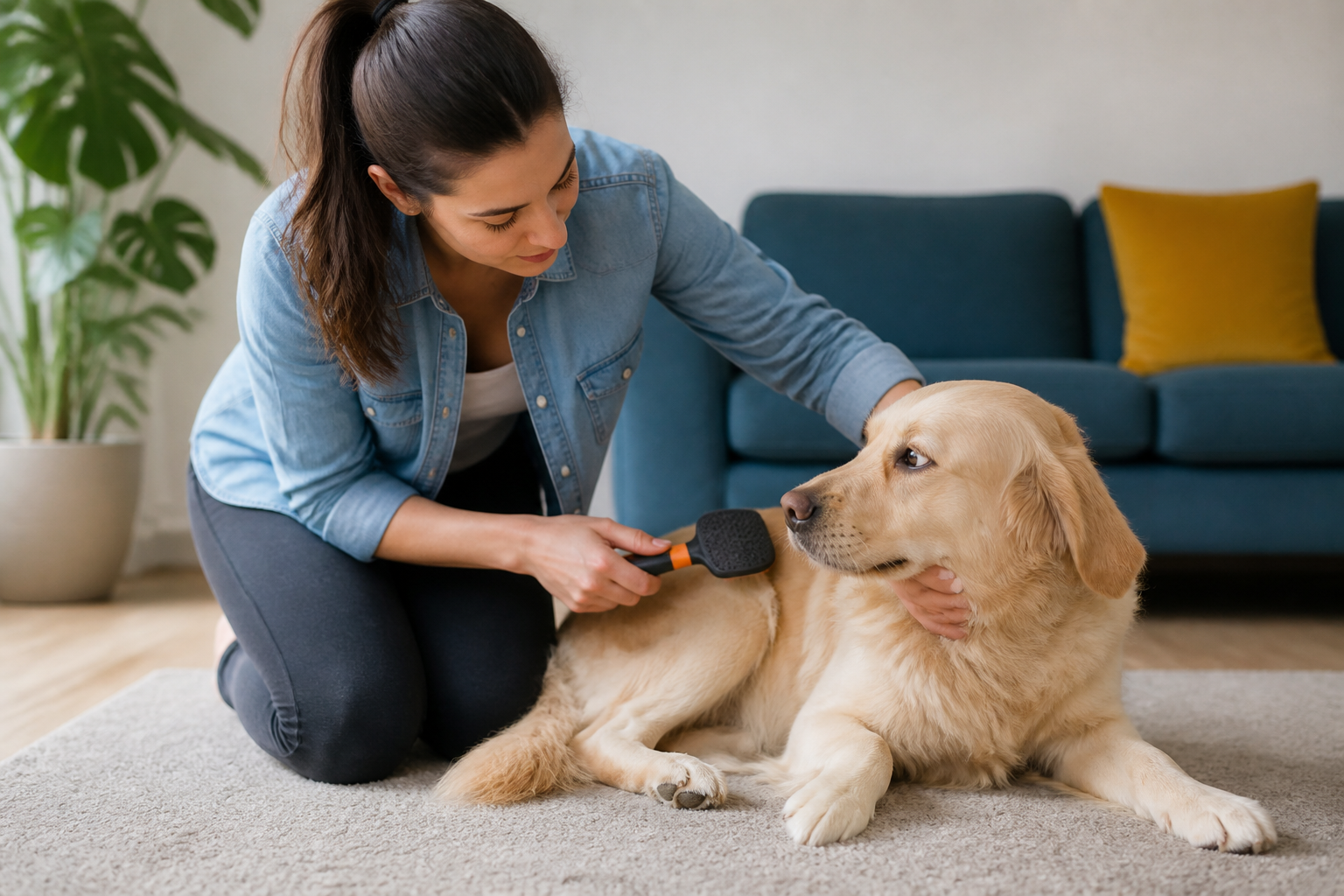
Table of Contents
- Introduction
- Understanding Why Dogs Resist Brushing
- Choosing the Right Tools for Sensitive Dogs
- The Power of Desensitization
- Using High-Value Distractions
- Handling Mats and Tangles Without Pain
- Sensitive Areas: Face, Belly, and Paws
- Creating a Grooming Routine
- When to Seek Professional Help
- Summary of Grooming Success
- FAQ
Introduction
The moment you pick up the grooming brush, your dog vanishes. You hear the frantic click of nails on the hardwood as they bolt for the space under the guest bed or the far corner of the yard. This game of hide and seek is a daily reality for many pet owners who just want to keep their dogs clean and mat-free. At BaxterBoo, we understand that grooming can feel like a battlefield rather than a bonding session. Brushing is essential for skin health and shedding control, but it should not be a source of terror for your pet or frustration for you. This guide will walk you through practical steps to change your dog's perspective on the brush. We will cover tool selection, distraction techniques, and the slow process of building trust.
Quick Answer: To brush a dog that hates it, use high-value treats and short sessions to create a positive association. Start by letting them sniff the brush and reward them for staying calm before gradually introducing single strokes in less sensitive areas.
Understanding Why Dogs Resist Brushing
Before you can fix the behavior, you need to understand where it comes from. Most dogs do not hate brushing because they are being difficult. They usually resist because of fear, discomfort, or a bad past experience. If a dog has ever had a painful encounter with a brush that pulled on a mat or scraped their skin, they will remember that pain the next time the tool comes out.
Some dogs have sensitive skin or a thin coat that makes certain brushes feel abrasive. Others might have underlying joint pain that makes standing for long periods or having their limbs moved very uncomfortable. If your dog is a rescue, they might never have been socialized to grooming tools during their puppyhood. Acknowledge that your dog's reaction is a form of communication. They are telling you they feel unsafe or physically uncomfortable.
Vet Tip: If your dog suddenly starts reacting aggressively or fearfully to brushing in a specific spot, consult your veterinarian. This behavior can indicate hidden skin infections, hot spots, or joint pain that needs medical attention.
Choosing the Right Tools for Sensitive Dogs
The type of brush you use can make or break the experience. Using a stiff slicker brush on a dog with a very thin coat can feel like needles on their skin. Conversely, using a soft bristle brush on a heavily matted coat will do nothing but pull at the tangles. You can compare different options in our dog grooming supplies.
Slicker Brushes
Slicker brushes have fine wire bristles that are slightly hooked. They are excellent for removing loose fur and breaking up small tangles. However, they can be sharp. If you use a slicker brush, look for one with coated tips to protect the skin. These are best for dogs with medium to long hair or double coats. For more specialized options, browse our dog brushes and combs.
Pin Brushes and Bristle Brushes
Pin brushes look similar to human hairbrushes and are much gentler than slickers. They work well for long-haired breeds to keep the coat flowing. Bristle brushes are best for short-haired dogs. They help distribute natural oils across the skin and remove surface dust without any pulling.
Grooming Mitts
For dogs that are truly terrified of tools, grooming mitts are an excellent starting point. These are rubber or silicone gloves with small nubs on the palms. Since your dog is already used to being petted, the transition to a grooming mitt feels more natural. It allows you to remove loose fur while the dog feels like they are just getting a massage. You can also explore our grooming tools for mitts and other gentle equipment.
Bottom line: Matching the brush type to your dog's specific coat and sensitivity level reduces physical discomfort and builds trust.
The Power of Desensitization
You cannot rush a dog that is afraid. Desensitization is the process of slowly introducing the brush in a way that does not trigger a fear response. This process might take days or even weeks depending on your dog's history.
Step 1: Leave the brush on the floor. / Place the brush near your dog's food bowl or in their favorite sleeping area. Let them sniff it and investigate it on their own terms without you touching it.
Step 2: Pair the brush with rewards. / Every time your dog looks at or sniffs the brush, give them a high-value treat. You want them to think that the presence of the brush means something wonderful is about to happen. For training rewards, browse our dog treats.
Step 3: Touch them with the back of the brush. / Instead of brushing, just touch their shoulder or back with the smooth side of the brush. Reward them immediately for staying still.
Step 4: One single stroke. / Once they are comfortable being touched by the tool, try one gentle stroke in a non-sensitive area like the shoulder. Follow this with a jackpot of treats and end the session there.
Managing Expectations
Do not try to brush the whole dog at once. If you only get two strokes done before your dog gets wiggly, that is a success. Stop while the experience is still positive. If you wait until the dog is growling or struggling to get away, you have gone too far and are reinforcing their fear.
- Keep sessions under two minutes.
- Always end on a high note.
- Focus on one body part per day.
- Use a calm, soothing voice.
Using High-Value Distractions
Distraction is your best friend when dealing with a reluctant dog. If their brain is focused on something delicious, they are less likely to obsess over the sensation of the brush.
Lick mats are one of the most effective tools for this. Spread some dog-safe peanut butter or plain Greek yogurt on a textured silicone mat and stick it to the wall at your dog's eye level. While they are busy licking, you can gently work on their coat. The repetitive licking action also releases endorphins in the dog's brain, which helps them stay calm.
Our pharmacy offers various calming aids through our partnership with Pet's Choice. If your dog experiences extreme anxiety during grooming, you might consider supplements designed to support relaxation. These can be particularly helpful during the early stages of desensitization training. Read about our pet pharmacy partnership for more information.
Key Takeaway: Distraction techniques like lick mats create a positive association and keep the dog's focus on a reward rather than the grooming tool.
Handling Mats and Tangles Without Pain
Mats are a major reason why dogs hate brushing. Pulling on a mat is like someone pulling a small clump of your hair as hard as they can. It hurts. If your dog is heavily matted, do not try to brush them out. This will only solidify their hatred of grooming.
For small knots, use a detangling spray to lubricate the hair fibers. Hold the base of the mat with your fingers so that when you brush the ends, the pull is on your hand and not on the dog's skin. If a mat is tight against the skin, do not use scissors. It is very easy to accidentally cut a dog's thin skin. Instead, use a specialized mat splitter or seek professional help.
If your dog's coat has become a solid carpet of mats, the most humane thing to do is to have a professional groomer shave them down. This provides a fresh start. Once the hair begins to grow back, you can start your desensitization routine on a coat that is easy to manage and pain-free.
Note: Regularly scheduled grooming prevents the formation of painful mats, making the entire process more comfortable for your dog in the long run.
Sensitive Areas: Face, Belly, and Paws
Most dogs have "no-go" zones. The paws are highly sensitive because they are full of nerve endings. The belly is a vulnerable spot, and the face can be intimidating.
Save these areas for last. Only attempt them once your dog is completely relaxed with you brushing their back and sides. For the face, use a very small brush or even a soft toothbrush. For the paws, start by just touching the legs and work your way down over several days. If they pull their paw away, let them. Do not grab it or force the issue. Wait for them to relax and try again with a lighter touch.
Creating a Grooming Routine
Consistency builds confidence. If you only brush your dog once a month when they are already a mess, they will never get used to it. Aim for a "micro-grooming" schedule. This means brushing for just three minutes every single day.
When it becomes a predictable part of the daily routine, the novelty and fear wear off. Use a specific spot in your home for grooming, such as a specific rug or a grooming table if you have a small dog. This tells the dog what to expect.
The Role of Exercise
A tired dog is a more cooperative dog. Try to schedule your grooming sessions after a long walk or a vigorous play session. When your dog has burned off their excess energy, they are more likely to settle down and tolerate being handled.
Rewarding Yourself and Your Pet
Our MVP Rewards program is a great way to earn points on the treats and tools you use during these sessions. Since you will be using a lot of high-value treats during the training phase, earning 5% back on those purchases adds up quickly. See how the MVP Rewards programme works before stocking up.
Bottom line: A tired dog paired with a consistent, short routine and high-value rewards is the most effective recipe for grooming success.
When to Seek Professional Help
There is no shame in admitting that a job is too big for you to handle alone. If your dog becomes aggressive, snaps, or shows extreme signs of distress like shaking or panting heavily, stop immediately.
Professional groomers have specialized tables, restraints, and tools that can make the process safer for everyone. You can also talk to your vet about the pharmacy options for prescription calming medications if the stress is affecting your dog's quality of life. Sometimes, a professional "reset" is all you need to get back on track with your home maintenance.
Summary of Grooming Success
Changing a dog's mind about brushing requires a shift in your approach. Stop viewing it as a task to be finished and start seeing it as a training exercise.
- Use the right brush for the coat type to avoid skin irritation.
- Implement the "one stroke, one treat" rule.
- Utilize lick mats and high-value distractions.
- Keep sessions extremely short and frequent.
- Never pull on mats or force a fearful dog.
Key Takeaway: Patience is your most valuable tool. By slowing down and prioritizing your dog's comfort, you can turn a stressful chore into a peaceful bonding moment.
To keep your grooming kit stocked with the best tools and treats, explore our collection of brushes and grooming supplies. If you find a brand your dog loves, consider our Autoship programme to save on recurring deliveries and ensure you never run out of the high-value rewards that make grooming possible.
FAQ
What should I do if my dog tries to bite the brush?
If your dog nips at the brush, it is usually a defensive reaction born of fear. Stop the session immediately and go back to a simpler step, such as just having the brush near them while they eat. You can also try a grooming mitt, which looks less like a weapon and more like your hand, to bridge the gap.
How often should I brush a dog that hates it?
Counter-intuitively, you should brush them more often, but for much shorter periods. Aim for one to two minutes every day. Frequent, short, positive interactions are much better for building trust than one long, stressful session once a week.
Can I use human hairbrushes on my dog?
While a human brush is usually not harmful, it is rarely effective. Dog coats are much denser and have different textures than human hair. Using an ineffective brush can result in more pulling and discomfort, which will only make your dog hate the process more.
My dog is fine with the brush but hates their paws being touched. Why?
Dogs are naturally protective of their paws because they are essential for movement and defense. They are also very sensitive to touch. Spend time outside of grooming sessions just touching and massaging their legs and feet without a brush to help them get used to the sensation.






