
 Save 15% on your 1st Autoship learn more

 Email us
 Live Chat
 FAQs





Introduction
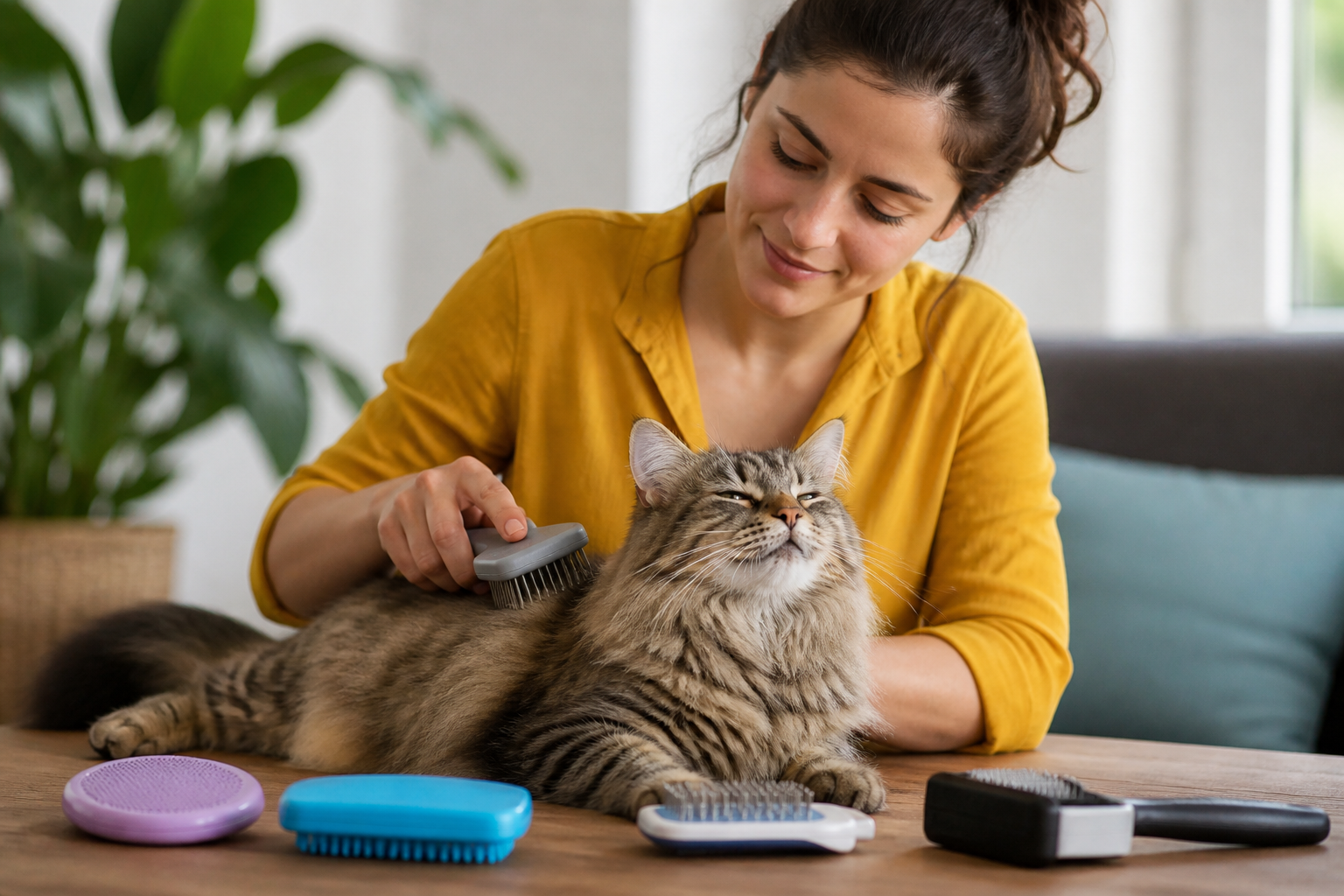
You are sitting on the sofa petting your cat when you notice a dusting of white flakes across their back. It looks like salt or tiny bits of paper scattered through their fur. This is a common sight for many cat owners, especially during the dry winter months or as a cat begins to age. Feline dandruff can be a sign of dry skin, poor grooming habits, or even underlying health issues.
At BaxterBoo, we know that grooming is about more than just looking good. It is a vital part of your pet's comfort and health. While a brush alone might not solve the root cause of the flakes, selecting the right tool can make a significant difference in managing the symptoms. This article covers how to identify the best cat brush for dandruff, the proper techniques to use, and when it is time to seek professional medical advice.
Understanding What Causes Feline Dandruff
Before you pick up a brush, it is helpful to understand why those flakes are appearing. Feline dandruff occurs when the skin cells shed too quickly or the natural oils of the coat become unbalanced. This condition is often called seborrhea. It can present as dry, white flakes or as oily, yellowish scales that clump together.
Many factors contribute to this skin irritation. Environmental conditions like low humidity in your home can sap moisture from your cat's skin. Diet also plays a massive role. If a cat is not getting enough Omega-3 fatty acids, their skin may become brittle and prone to flaking. In some cases, the issue is simply that the cat cannot reach certain spots to groom themselves. This is very common in senior cats with arthritis or cats struggling with obesity.
Quick Answer: The best cat brush for dandruff is typically a rubber curry brush or a soft natural bristle brush. These tools exfoliate the skin and distribute natural oils without causing irritation or scratches.
Cat Brushes & Combs








The Best Brush Types for Flaky Skin
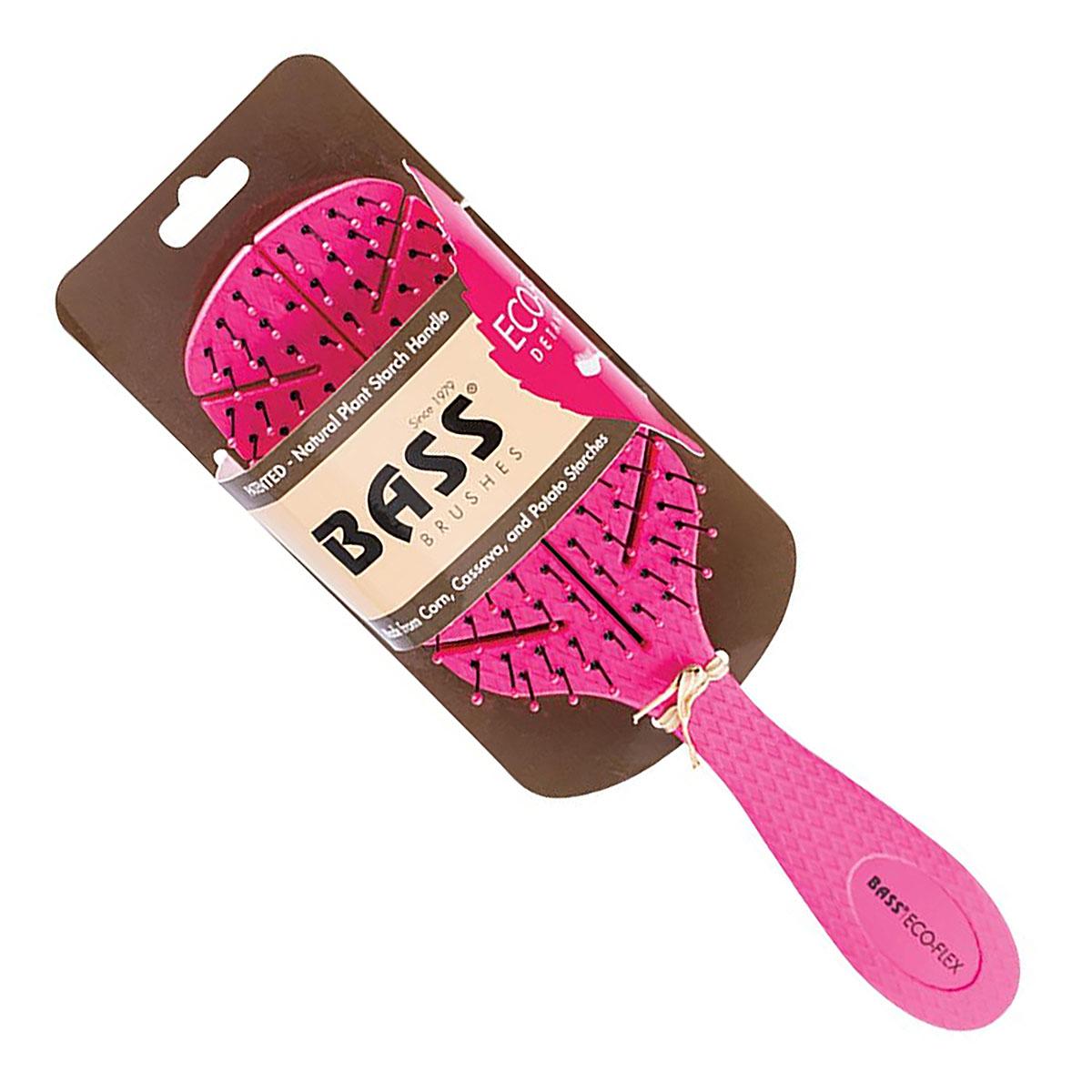
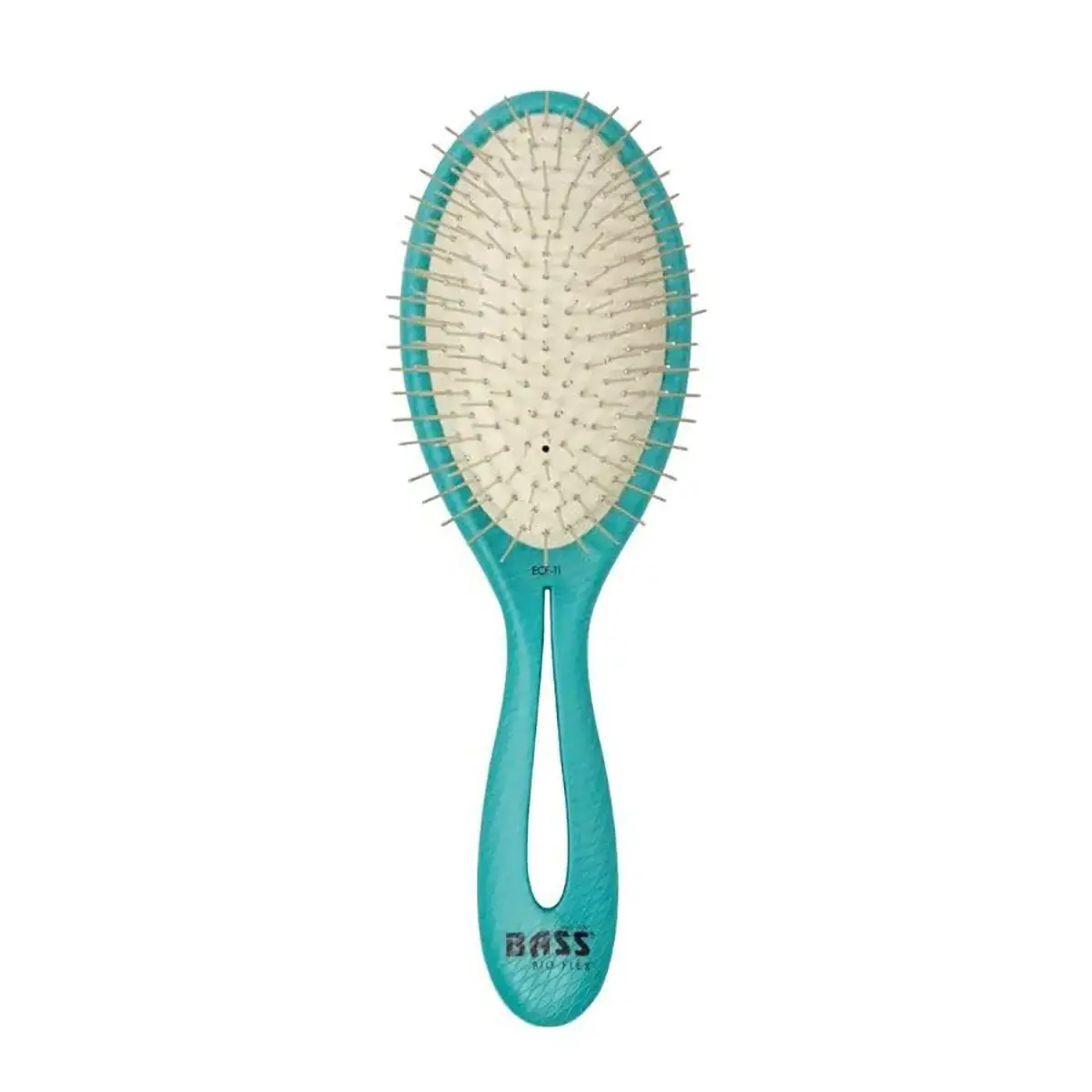
Not all brushes are created equal when you are dealing with sensitive, flaky skin. Some tools are too aggressive and can actually make the inflammation worse. You want a tool that reaches the skin gently to lift away dead cells while encouraging the production of natural oils. You can explore our cat grooming collection for brushes, combs, wipes, and other grooming essentials.
Rubber Curry Brushes
Rubber brushes, like the KONG Zoom Groom Natural Rubber Dog Grooming Brush, are often the top choice for cats with dandruff. The soft rubber nubs act like a massage for the skin. They do not have sharp edges that could nick or scrape a dry, sensitive hide. As you move the brush in a circular motion, the rubber creates a light vacuum effect that pulls loose hair and flakes away from the body.
Soft Bristle Brushes
Natural or soft synthetic bristle brushes are excellent for finishing. These brushes do not reach deep into the undercoat for heavy shedding, but they are perfect for the skin's surface. The dense bristles help spread the sebum, which is the natural oil produced by your cat's skin. Spreading this oil helps hydrate the dry areas and creates a protective barrier against the environment.
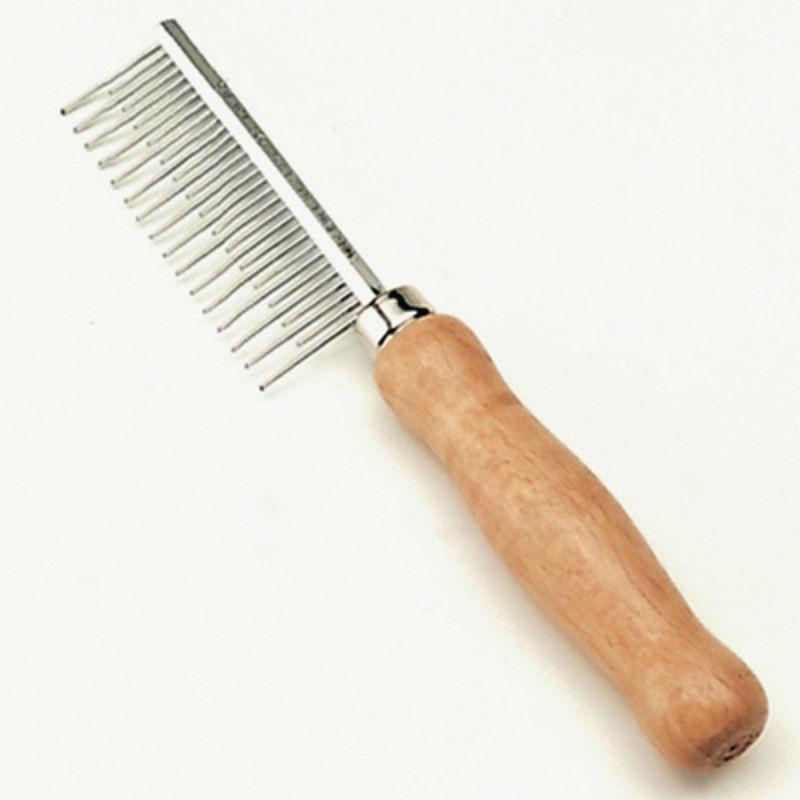
Fine-Tooth Combs
A fine-tooth comb is a precision tool. While it may not be the primary brush for a full grooming session, it is helpful for removing large clumps of flakes or checking for parasites. Sometimes what looks like dandruff is actually "walking dandruff," which is caused by tiny mites. Using a fine comb allows you to inspect the debris closely. A flea comb for dogs and cats can be useful when you need to examine your cat's coat closely.
Vet Tip: If you notice redness, sores, or if your cat seems excessively itchy along with the dandruff, consult your veterinarian. These can be signs of parasites or infections that require medical treatment rather than just grooming.
How to Brush a Cat with Dandruff
The way you brush is just as important as the tool you use. If you are too rough, you can cause micro-tears in the skin. This leads to more inflammation and, eventually, more dandruff.
Step 1: Start with a gentle touch. / Begin by petting your cat to help them relax. Use light pressure with the brush to gauge their sensitivity.
Step 2: Brush with the grain. / Always follow the direction of hair growth. Going against the grain can be uncomfortable for cats with dry skin and may pull on the hair follicles.
Step 3: Focus on the base of the tail. / The lower back and the base of the tail are common hotspots for dandruff because they are harder for cats to reach. Spend extra time here with a rubber brush.
Step 4: Use short sessions. / If your cat’s skin is irritated, long grooming sessions might become painful. Stick to five or ten minutes once or twice a day.
When Grooming Isn't Enough
Sometimes, no amount of brushing will clear up the flakes. This usually happens when the dandruff is a symptom of an internal problem or a parasitic infestation. If you see your cat over-grooming, biting at their skin, or losing patches of fur, it is time for a medical intervention.
Our pharmacy at BaxterBoo offers a variety of FDA-approved treatments through our partnership with Pet's Choice. If your vet determines that the dandruff is caused by fleas, mites, or a fungal infection, they can provide a prescription for specialized medications. We carry prescription shampoos and topical treatments that go beyond what a standard brush can achieve. You can browse our cat pharmacy when your veterinarian recommends medication.
We also offer a wide selection of premium foods that support skin and coat health. Brands like Farmina, Royal Canin, and Stella and Chewy's formulate diets rich in essential nutrients. Switching to a high-quality food can sometimes clear up dandruff from the inside out by providing the fats and proteins necessary for healthy skin cell turnover. Our cat skin and coat care selection includes supplements and other supportive care products.
Helpful Grooming Supplies Checklist
- A high-quality rubber curry brush for exfoliation
- A soft bristle brush for oil distribution
- A fine-tooth comb for skin inspection
- Waterless shampoo or grooming wipes for quick cleanups
- Omega-3 fish oil supplements (consult your vet first)
Key Takeaway: Managing cat dandruff requires a two-pronged approach: using gentle grooming tools to remove surface flakes and addressing the underlying skin health through diet or medical care.
Lifestyle Adjustments to Reduce Flaking
Your home environment plays a large role in your cat's skin health. During the winter, heaters run constantly and dry out the air. Using a humidifier can put moisture back into the environment, which helps both you and your cat.
Hydration is another factor. Cats are notorious for not drinking enough water. If a cat is mildly dehydrated, their skin is often the first place to show it. Try adding a water fountain or incorporating more wet food into their diet to increase their fluid intake. Brands like Tiki Cat or Fussie Cat offer high-moisture options that cats usually find very appealing.
If your cat is older and struggling to groom, you might need to take over the job entirely. Arthritis makes it hard for them to twist and reach their back. In these cases, daily brushing is not just about dandruff. It is about maintaining their hygiene and preventing painful mats from forming.
Using Supplements and Topical Aids
Supplements can be a powerful tool for skin health. Fish oils, such as those from Zesty Paws or Honest Paws, are loaded with EPA and DHA. These fatty acids reduce inflammation in the skin and help it hold onto moisture. Always check with your vet before starting a new supplement to ensure it is the right choice for your cat's specific health profile.
Topical aids like grooming wipes or waterless foams can also help. These products often contain soothing ingredients like aloe or oatmeal. They can help lift away flakes between deep brushing sessions without the stress of a full bath. Waterless grooming products for cats offer dry-cleaning options for cats that dislike being submerged in water.
Bottom line: A consistent grooming routine with the right rubber or bristle brush is the most effective way to manage non-medical cat dandruff at home.
Choosing the Right Gear at BaxterBoo
We take pride in our expertly curated selection of grooming gear. Every product we carry is handpicked by people who truly care about animals. We have been operating since 2006, and our warehouse in Vernon Hills is filled with brands we trust for our own pets.
When you shop with us, you can take advantage of the MVP Rewards programme to earn points on every purchase. If you find a brush or a skin supplement that works perfectly for your cat, our Autoship programme is a great way to ensure you never run out. You will save on your first order and get a free MVP Gold membership. We want to make it easy for you to provide the best care possible without overcomplicating the process.
Conclusion
Seeing dandruff on your cat can be worrying, but it is often a manageable condition with the right approach. By choosing a gentle rubber brush or a soft bristle tool, you can help your cat shed those flakes and feel much more comfortable. Remember to keep sessions short, stay consistent, and watch for signs that the issue might be more than skin deep.
If you are ready to start a new grooming routine, visit our cat grooming category to find the perfect tools for your feline friend. For more persistent issues, talk to your vet about our pharmacy options. A healthy coat starts with the right tools and a little bit of daily care.
FAQ
Can I use a human hairbrush on my cat's dandruff?
You should avoid using human brushes because the bristles are often too stiff or the tips are too sharp for a cat's thin skin. Cat-specific brushes, like rubber curry tools, are designed to be much more flexible and gentle. Using the wrong tool can lead to scratches or skin infections if your cat's skin is already dry and compromised.
How often should I brush a cat with dry, flaky skin?
For a cat with active dandruff, a short daily grooming session of five to ten minutes is usually best. This frequent schedule helps distribute natural oils continuously and prevents flakes from building up and matting the fur. If your cat's skin appears red or irritated, reduce the frequency and consult your veterinarian.
Does bathing help with cat dandruff?
While a bath can wash away flakes temporarily, frequent bathing often makes dandruff worse by stripping away the skin's natural oils. If you must bathe your cat, use a soap-free, medicated shampoo specifically formulated for feline seborrhea. In many cases, using a rubber brush and a waterless grooming foam is a better, less stressful alternative.
When should I worry about my cat's dandruff?
You should schedule a vet visit if the dandruff is accompanied by bald patches, intense itching, or a foul odor from the skin. These symptoms often point to an underlying medical issue like a fungal infection, allergies, or parasites. A professional diagnosis is necessary to ensure you are using the correct treatment rather than just masking a symptom.






- Site & Contents BaxterBoo.com. BaxterBoo is located in the United States.
- Privacy & Security
- Terms of Use
- Accessibility Statement
