
 Save 15% on your 1st Autoship learn more

 Email us
 Live Chat
 FAQs
FAQs





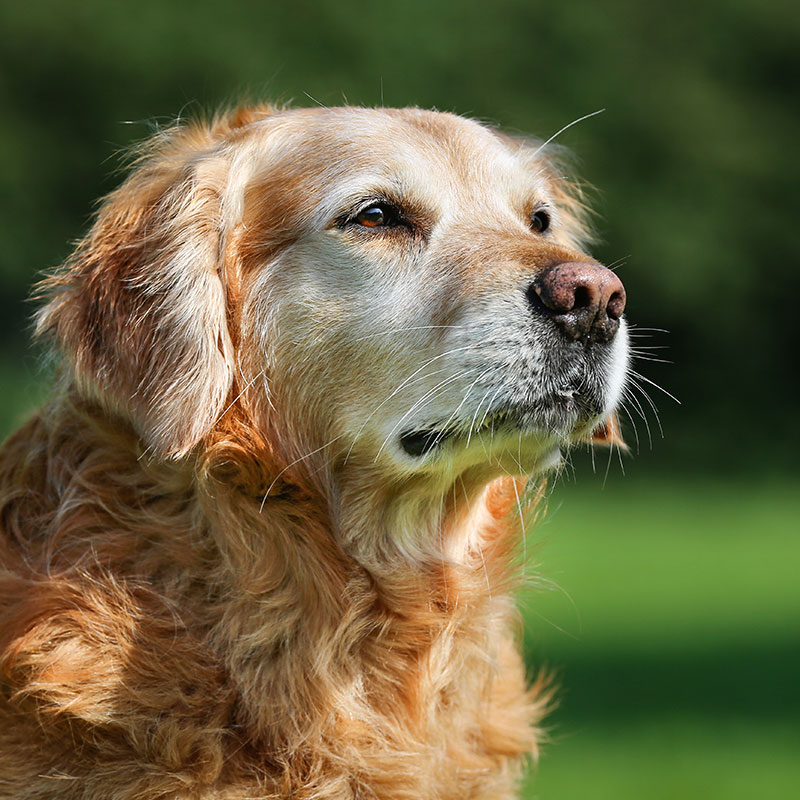
If your dog is around the age of 10 or 11, he has now reached his senior years. However, despite being older, your pet may still have his puppy moments and still wants to engage in play. This can be beneficial for his health, as it promotes weight loss and exercises his joints and muscles. If you want to make playtime even more fun for your older pup, there are a few factors you may want to consider when picking out dog toys.
Consider Texture
As your dog gets older, his jaw strength may decrease and harder toys, such as rubber balls, may not hold his interest much anymore. Consider offering him softer plush dog toys, like a fleece teddy bear, that he can toss around and snuggle with when nap time comes. If your senior pal has developed mild separation anxiety with age, choose a scented plushie that might help calm him while he’s alone.
Every dog is different and may respond to different textures. It may take you a few sample toys to find one your senior dog prefers. Think about which toys he enjoyed most as a puppy, offer him some with similar textures then mix in a few new selections so you can see which ones he plays with the most.
Dental Condition
As your dog gets older, his teeth may wear down and his urge to chew may not be as strong. However, if he still enjoys games of fetch, you may want to choose lightweight toys that are gentle on the gums, such as a soft flying disc. Fetch games can keep your dog’s joints healthy and encourage him to remain active, but remember to take breaks and offer him plenty of fresh water, especially if you are playing outside.
Large-breed dogs may retain their chewing habits even as they enter into their senior years. If you find that your big dog still enjoys dental dog toys, you may want to take him for a dental checkup to ensure that his teeth are still strong enough for his current toys or the ones you plan to buy in the future.
Encourage Mental Health
As your senior dog ages, his mental health and cognitive skills could decline if his mind is not stimulated. Offering him interactive toys could keep his mind active and prevent canine dementia and other issues that might come with age. Toys that dispense treats and move in a variety of motions can keep your dog’s mind active and provide him with hours of fun.
Playing with your dog and refreshing his command words can also help keep your dog’s mind sharp, and you can add toys to these sessions to make them fun as well as healthy. Hide the toys and have your pet sniff them out or have your pet guess which hand hides a small toy. Games like this can keep the bond between you and your pet stronger than ever and prevent mental decline that sometimes strikes senior dogs.
Make Crate Time Enjoyable
If your senior dog is crate trained, he may not want to spend all his time alone snoozing the day away. Adding a few toys to his space can help him pass the time and provide him with busy games at the same time. Offer him a Kong chew toy fresh out of the freezer or fill it with a few treats and a smear of peanut butter, which he is sure to enjoy. Remember to choose the right size Kong toy for your pet’s breed, as larger dogs could choke on smaller toys and a small-breed dog could injure his jaw trying to chew on a toy that is too large for him.
Consider Breed
Not all dog breeds age at the same speed, and some live longer than others. For example, smaller dogs, such as terriers, can live well into their late teens. While some may start to ignore their toys, others may become attached to one or two objects as comfort items. Small squeaky plush animals can make a good choice for smaller dogs, as they can curl up and nap with their noisy pal after a play session.
Medical Conditions
Even dogs that have minor medical conditions enjoy playing with toys, and choosing ones that allow them to have playtime safely can give you peace of mind as an owner. For example, if your dog has poor eyesight but still likes to play fetch might benefit from a ball that jingles or plays music as it rolls. If your pet has arthritis, a ball that rolls around on its own in slow circles might be a good choice.
Remember to read dog toy instructions carefully. Some require supervision, even if your dog is older. Before you leave any toys in your dog's crate and leave him alone, check them for fraying or other types of damage and replace those that have worn out.
Ask Your Vet
If you are unsure about what kind of toy to give your senior dog, a trip to the vet might help you shop with more confidence. Once your pet has a complete checkup, talk to your vet about which toys might be the most suitable for your pet’s individual needs. While your pet may not respond to every recommended toy, you will have a place to begin when you are ready to shop.
Your senior pet may not play as robustly as he used to, but offering him a new array of toys that suit his health and energy levels may increase his energy and provide him with a variety of ways to rediscover his puppy side.








- Site & Contents BaxterBoo.com. BaxterBoo is located in the United States.
- Privacy & Security
- Terms of Use
- Accessibility Statement
