
 Save 15% on your 1st Autoship learn more

 Email us
 Live Chat
 FAQs
FAQs





Introduction
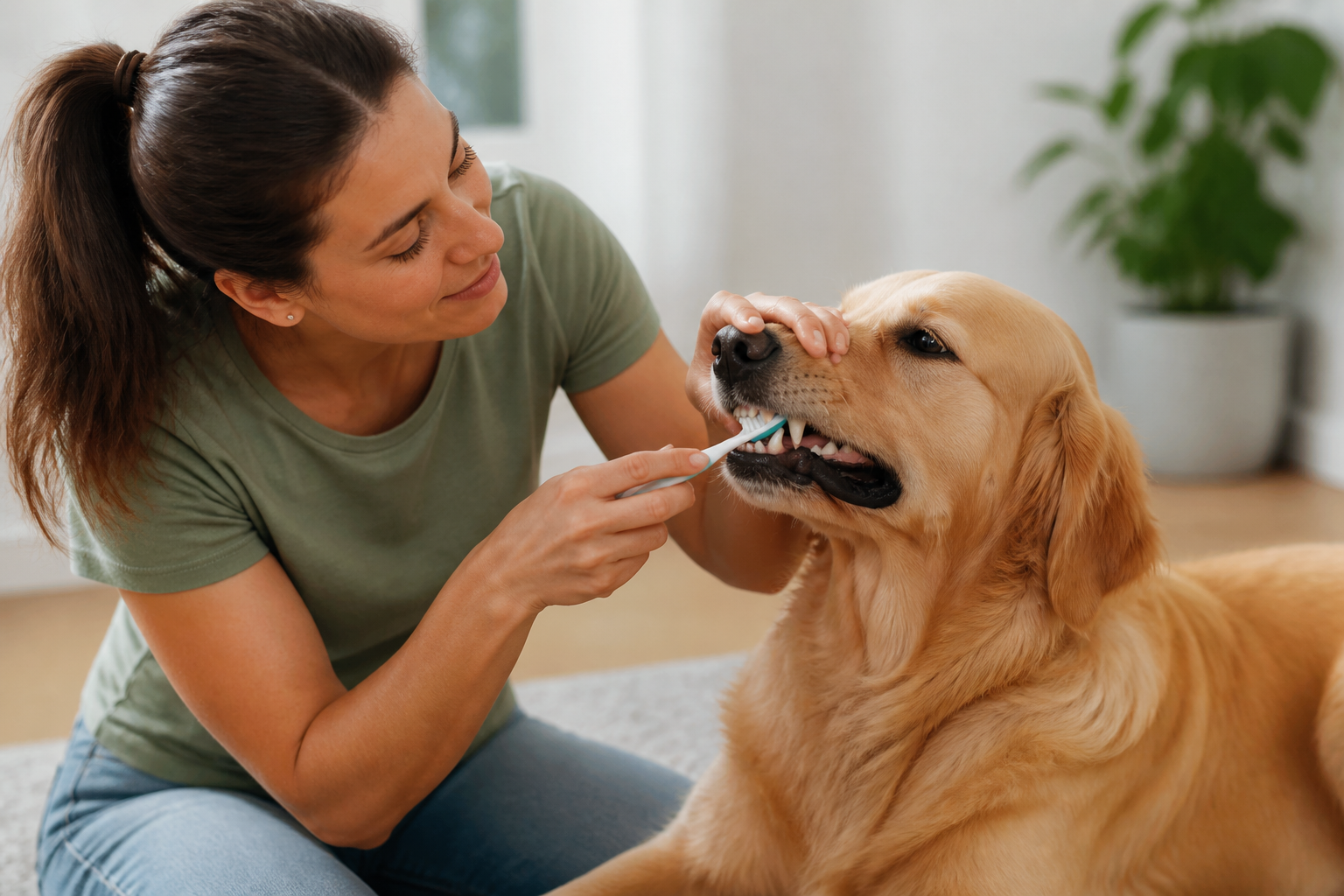
You are sitting on the couch when your dog walks up to give you a big, sloppy kiss. Instead of a sweet moment, you are hit with a wave of breath so foul it makes you turn away. Most owners have been there. While we often joke about "dog breath," persistent odor is usually the first sign of a deeper health problem. At BaxterBoo, we have spent years helping pet parents navigate everything from puppyhood to the senior years. We know that dental hygiene is one of the most overlooked parts of pet care. This post covers exactly how to brush your dog's teeth, which supplies you actually need, and how to handle a dog that refuses the toothbrush. Maintaining a clean mouth is one of the best ways to ensure your dog lives a long and comfortable life.
Quick Answer: The most effective way to clean a dog's teeth is daily brushing with pet-safe enzymatic toothpaste. For dogs that resist brushing, a combination of VOHC-accepted dental powders, chews, and water additives can provide significant plaque control.
Why Dog Dental Health Matters
Dental care is about much more than just fresh breath. It is a fundamental pillar of your dog's overall physical health. When a dog's mouth is neglected, bacteria grow unchecked. This leads to plaque, which eventually hardens into tartar. This buildup irritates the gums and can cause painful infections.
If left untreated, bacteria from the mouth can enter the bloodstream. Once there, it travels to major organs like the heart, liver, and kidneys. Veterinary studies have shown a direct link between periodontal disease and systemic health issues. By keeping your dog's teeth clean, you are helping to protect their entire body.
Most dogs show some sign of dental disease by the age of three. Because dogs are experts at hiding pain, you might not notice anything is wrong until the condition is advanced. Regular cleaning at home allows you to spot problems early. You will become familiar with what is normal for your dog, making it easier to identify red flags like bleeding or swelling. For additional guidance, read our post on warning signs of dental disease in dogs.
The Difference Between Plaque and Tartar
Understanding what you are fighting is the first step toward winning. Plaque is a soft, sticky film that forms on the teeth within hours of eating. It is made of saliva, food particles, and bacteria. At this stage, plaque is easy to remove with simple mechanical action. Brushing or chewing a firm toy can wipe it away.
If plaque stays on the teeth for 24 to 48 hours, it begins to mineralize. It mixes with minerals in the saliva and hardens into tartar, which is also called calculus. Tartar is usually yellow or brown and feels like rough stone. It strongly adheres to the tooth surface and often spreads beneath the gumline.
Once tartar has formed, it cannot be removed with a toothbrush at home. Trying to scrape it off with metal tools can damage the enamel or injure the gums. At this point, only a professional veterinary cleaning can safely remove the buildup. This is why consistency is so important. Your goal at home is to disrupt plaque every single day before it has the chance to harden.
Essential Supplies for Home Cleaning
You do not need an entire cabinet full of gadgets to keep your dog's teeth clean. A few well-chosen tools will do the job. You can find brushes, toothpaste, wipes, gels, and other options in our dog dental and breath care category.
Dog-Safe Toothpaste
Never use human toothpaste on your dog. Most human brands contain fluoride and detergents like sodium lauryl sulfate, which are meant to be spit out, not swallowed. Many also contain xylitol, an artificial sweetener that is highly toxic to dogs. Pet-safe toothpaste is formulated to be swallowed and comes in flavors like poultry, beef, or peanut butter. Most are enzymatic, meaning they contain enzymes that help break down organic matter even if you do not scrub every single surface.
The Right Toothbrush
You have several options depending on your dog's size and comfort level:
- Standard Pet Toothbrushes: These look like human brushes but often have angled heads and longer handles to reach the back molars.
- Double-Headed Brushes: These have bristles on both sides to clean the inner and outer surfaces of the teeth at the same time.
- Finger Brushes: These are small silicone or fabric caps that fit over your fingertip. They are great for puppies or dogs that are intimidated by a long plastic handle.
- Infant Toothbrushes: For very small breeds, a soft-bristled baby toothbrush often fits better than a standard pet brush.
Dental Wipes
If your dog absolutely will not tolerate a brush, dental wipes are a good middle ground. These are pre-moistened pads that you wrap around your finger. They allow you to physically rub the surface of the teeth to remove plaque. While they do not reach into the crevices as well as bristles do, they are much better than no cleaning at all.
Step-By-Step Guide to Brushing Your Dog’s Teeth
If your dog is not used to having their mouth handled, you cannot expect to do a full brushing on day one. You need to build trust. This process can take a few days or even a few weeks. Our pet dental care tips offer additional ideas for introducing oral care gradually.
Step 1: Get Them Used to Mouth Handling
Start by gently lifting your dog's lips while they are relaxed. Rub your finger along their gums and teeth for a few seconds. Give them a treat and praise immediately afterward. Do this once or twice a day until they no longer pull away.
Step 2: Introduce the Toothpaste
Let your dog lick a small amount of pet toothpaste off your finger. Since most brands are flavored to taste like treats, most dogs will enjoy this part. This creates a positive association with the flavor.
Step 3: Transition to a Finger or Cloth
Put a bit of toothpaste on your finger or a soft cloth. Gently rub the outer surfaces of the front teeth in a circular motion. Focus on the area where the tooth meets the gumline. Keep this session very short.
Step 4: Introduce the Brush
Once they are comfortable with your finger, show them the toothbrush. Let them lick toothpaste off the bristles. This helps them get used to the texture of the bristles on their tongue.
Step 5: Start Brushing the Canines
Lift the lip and brush the large canine teeth in the front. Use gentle, circular motions. You do not need to scrub hard. The enzymes in the paste and the mechanical action of the bristles do the work.
Step 6: Reach the Back Molars
Most dental disease occurs in the back of the mouth. Gently slide the brush back toward the molars. You may need to hold the muzzle closed with one hand to keep them from chewing on the brush.
Step 7: Focus on the Outer Surfaces
Do not worry too much about the inside of the teeth (the side near the tongue). Most dogs will not tolerate you brushing in there, and their tongue actually does a decent job of keeping those surfaces clean. Focus your energy on the outer surfaces where tartar builds up fastest.
Key Takeaway: Consistency is more important than perfection. Brushing for 30 seconds every day is far more effective than a five-minute deep clean once a month.
Alternatives to Brushing
We understand that some dogs will never accept a toothbrush. If you have tried the steps above and your dog still becomes highly stressed or aggressive, do not force it. There are other ways to support oral health. At BaxterBoo, we carry a variety of products designed for dogs that are "brush-shy." You can browse our selection of Greenies products for dental chews and other options.
Dental Powders
Products containing ProDen PlaqueOff are highly effective. This is a natural seaweed-derived powder that you simply sprinkle onto your dog's food. It works systemically through the saliva to soften existing tartar and prevent new plaque from sticking. It carries the VOHC Seal of Acceptance, which means it has been clinically proven to work. One option is ProDen PlaqueOff Powder Dog and Cat Teeth Care.
Dental Chews and Bones
Dental chews like Greenies or ProDen PlaqueOff Dental Care Bones use mechanical scraping to clean teeth as the dog chews. The texture is designed to let the tooth sink in, allowing the treat to scrub the gumline.
Water Additives
These are tasteless liquids that you add to your dog's water bowl. They contain enzymes or antibacterial agents that help reduce the bacterial load in the mouth. While they are not a replacement for brushing, they are a great supplemental tool for a comprehensive routine.
Safe Chew Toys
Hard rubber toys with ridges or nubs, like those from Kong, can help scrape plaque away during play. Avoid very hard items like cow hooves, antlers, or rocks. These can actually cause "slab fractures," where a piece of the tooth breaks off because the object is harder than the enamel.
Vet Tip: If you notice your dog is only chewing on one side of their mouth or dropping food, they may have a painful tooth. Always consult your veterinarian before starting a new dental routine if your dog shows signs of oral pain.
Identifying Signs of Dental Disease
Because we see our dogs every day, it is easy to miss the gradual transition from white teeth to yellow buildup. You should perform a "flip the lip" check once a week. Look for these warning signs:
- Persistent Bad Breath: Healthy dog breath should not be odorless, but it should not be offensive. A sweet, fruity, or rotting smell is a red flag.
- Yellow or Brown Buildup: This usually starts near the gumline on the back molars.
- Red or Swollen Gums: Healthy gums are a soft pink. Bright red or bleeding gums indicate gingivitis.
- Loose or Broken Teeth: If a tooth looks crooked or wobbly, it needs immediate professional attention.
- Changes in Eating Habits: If your dog suddenly refuses dry kibble or hard treats, their teeth might be hurting.
- Excessive Drooling: Sudden drooling, especially if it contains traces of blood, often points to an oral infection.
The Role of Professional Veterinary Cleaning
Home care is essentially "preventative maintenance." Even with perfect brushing, most dogs will eventually need a professional cleaning. This is similar to how humans still go to the dentist twice a year despite brushing and flossing daily.
A professional cleaning is done under general anesthesia. This is necessary because it allows the veterinarian to clean deep under the gumline, where the most dangerous bacteria live. It also allows them to take dental X-rays. Since 60 percent of a dog's tooth is hidden beneath the gums, X-rays are the only way to find painful abscesses or bone loss.
Some facilities offer "anesthesia-free" cleanings. While these might make the teeth look white, they are largely cosmetic. They cannot reach the area under the gumline, and they can be very stressful for the dog. Most veterinary dental specialists do not recommend them as a substitute for a complete exam.
The BaxterBoo Pharmacy and Professional Care
Managing your dog's dental health often requires more than just a toothbrush. If your veterinarian diagnoses a specific condition, they may recommend a prescription dental diet. These foods are specially formulated with a specific kibble size and texture that scrubs the teeth as the dog eats.
Our pharmacy carries these specialized prescription diets and FDA-approved medications through our partnership with Pet's Choice. If your dog needs a prescription diet like Farmina Vet Life or Royal Canin Dental, or if they require antibiotics or pain relief following a dental procedure, you can fulfill those needs through our pet pharmacy. This hybrid model allows you to get your dog's food, toys, and medications all in one place with the convenience of home delivery or in-store pickup.
| Method | Effort Level | Effectiveness | Best For |
|---|---|---|---|
| Daily Brushing | High | Excellent | Cooperative dogs, maximum prevention |
| Dental Powder | Very Low | Good | Stubborn dogs, senior pets |
| Dental Chews | Low | Moderate | Active chewers, snack-motivated dogs |
| Water Additive | Very Low | Supplemental | Use alongside other methods |
| Dental Wipes | Moderate | Moderate | Puppies, dogs that hate brushes |
Advanced Tips for Senior Dogs
Senior dogs require special consideration when it comes to dental care. As dogs age, their immune systems may not be as robust, making them more susceptible to infections. Furthermore, chronic conditions like heart disease can make anesthesia a bigger conversation for your vet.
For older dogs, focus on high-reward, low-stress cleaning. If they have missing teeth or sensitive gums, a soft finger brush or a dental gel might be better than a firm toothbrush. You may also want to consider supplements that support overall health. Products like Cosequin or Senilife are popular for senior wellness, helping your dog feel their best as you manage their daily care routines.
If your senior dog has advanced tartar, do not assume they are too old for a professional cleaning. Modern anesthesia is very safe, and vets perform bloodwork beforehand to ensure your pet is a good candidate. Removing a source of chronic pain and infection can often give a senior dog a "second puppyhood."
Making Oral Care a Habit
The hardest part of cleaning a dog's teeth is remembering to do it. The best way to succeed is to tie it to an existing habit. Brush your dog's teeth right after you brush your own, or make it part of their evening wind-down routine.
You can also use our Autoship program to make sure you never run out of supplies. By setting up recurring deliveries of your favorite toothpaste, Greenies, or PlaqueOff powder, you ensure the tools you need are always on hand. Plus, Autoship customers earn savings on their first order and a free MVP Gold membership, which helps you earn rewards on every purchase.
Learn more about the MVP Rewards programme to understand the available membership benefits and rewards options.
Conclusion
Keeping your dog's mouth clean is one of the most impactful things you can do for their longevity. While the idea of brushing a dog's teeth might seem daunting at first, most dogs can learn to accept it with patience and positive reinforcement. Start slow, use the right supplies, and do not be afraid to use alternatives like powders or chews if brushing is not working. Remember that home care works best when combined with regular veterinary checkups. Whether you are shopping online or visiting our warehouse in Vernon Hills, you can trust us at BaxterBoo to provide the expertly curated products you need to keep those canine smiles bright and healthy.
Bottom line: Daily plaque removal is the only way to prevent tartar buildup and the health complications that follow.
FAQ
How often should I actually brush my dog's teeth?
Ideally, you should brush your dog's teeth every single day. Plaque begins to turn into hard tartar within 24 to 48 hours, so skipping even a few days gives bacteria a chance to settle in. If daily is not possible, aim for at least three times a week to maintain a basic level of oral hygiene.
Can I use a human toothbrush on my dog?
Yes, you can use a human toothbrush as long as it has soft bristles. For small dogs, a soft-bristled baby toothbrush is often the perfect size. However, you must never use human toothpaste, as it contains ingredients like xylitol and fluoride that are toxic to pets when swallowed.
Is bad breath in dogs always a sign of dental disease?
While "dog breath" is common, an offensive or foul odor is almost always a sign of bacteria, decay, or gum disease. In some cases, very bad breath can also point to internal issues like kidney or liver disease. If a thorough cleaning routine does not improve your dog's breath, you should schedule a visit with your veterinarian.
What is the best way to clean teeth if my dog hates brushing?
If your dog will not allow a brush, the best alternative is a VOHC-accepted dental powder like ProDen PlaqueOff mixed into their food. You can supplement this with dental chews that use mechanical scraping and water additives that reduce bacteria. Using multiple "no-brush" methods together provides the best protection for resistant pets.






