
 Save 15% on your 1st Autoship learn more

 Email us
 Live Chat
 FAQs
FAQs





Introduction
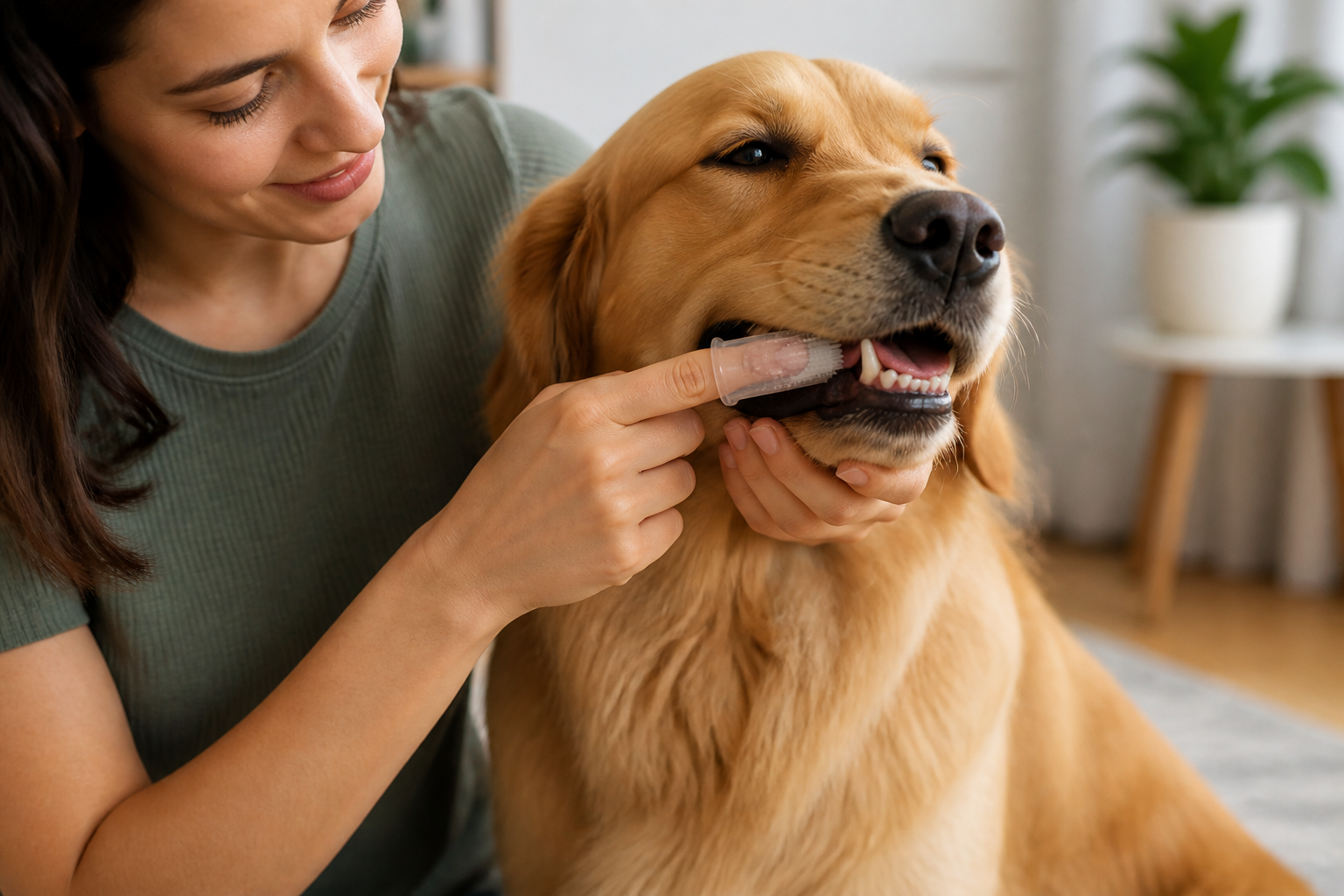
You are sitting on the sofa for a quiet evening of cuddles when your dog leans in for a lick. Instead of the usual affection, you are met with a wave of breath that could clear a room. This is a common moment for many pet owners. It often signals that plaque and tartar are starting to take hold. At BaxterBoo, we know that dental health is one of the most overlooked parts of pet care. Using a finger brush is a fantastic way to bridge the gap between doing nothing and a full professional cleaning. This article covers why finger brushes are effective, how to select the right supplies, and a step-by-step training method to make the process stress-free. With patience and the right tools, you can transform your dog's oral hygiene and support their long-term wellness.
Why Choose a Finger Brush for Your Dog?
Finger brushes are often the preferred starting point for many pet parents. Unlike a traditional long-handled toothbrush, a finger brush fits directly over your index finger. This design gives you a much higher level of tactile feedback. You can feel exactly where the bristles are touching and how much pressure you are applying. This is especially helpful if you have a smaller dog or a puppy with a tiny mouth.
A finger brush is typically made from soft, flexible silicone or rubber. This material is much gentler on sensitive or inflamed gums than the plastic head of a standard brush. If your dog is skittish or prone to moving their head, the finger brush feels more like a natural extension of your hand during petting. It is less intimidating than a long, strange object being inserted into their mouth.
Quick Answer: A finger brush provides better control and a gentler experience for dogs who are nervous about traditional brushing. It allows you to feel the teeth and gums, ensuring you reach every surface without causing discomfort.
While finger brushes are excellent for control, they do have limits. They are shorter than handled brushes. This means they might not easily reach the very back molars of a large breed dog like a Great Dane or a German Shepherd. For small to medium dogs, however, they are often the most efficient tool in the kit.
Selecting the Right Supplies for Success
Before you start, you need the right gear. Not all dental products are created equal. Since your dog cannot rinse and spit, every ingredient in their toothpaste will be swallowed. This is why you must never use human toothpaste. Many human brands contain xylitol, which is a sweetener that is highly toxic to dogs. They also contain foaming agents that can upset a dog's stomach.
For more options, browse our dog dental care category.
Enzymatic Toothpaste
We highly recommend using an enzymatic toothpaste. These formulas contain special enzymes that work to break down organic matter even after you stop brushing. Brands like Virbac or Vetoquinol offer enzymatic options that come in flavors dogs actually enjoy. Poultry, beef, and malt are popular choices. When the toothpaste tastes like a treat, your dog is much more likely to cooperate.
A product such as Arm & Hammer Dental Complete Care Dog Toothpaste can be introduced gradually as part of the taste-test step.
Finger Brush Materials
Look for a brush made from high-quality, BPA-free silicone. Some finger brushes have bristles on one side and small bumps on the other. This allows you to scrub the teeth with the bristles and massage the gums with the bumps. Ensure the brush fits snugly on your finger. If it is too loose, it could slip off while you are working.
Rewards and Positive Reinforcement
Dental care should always be associated with something good. Have a stash of high-value treats ready. You can also use dental-specific rewards like Greenies to reinforce the behavior. The goal is for your dog to see the finger brush and think that a snack is coming soon.
Key Takeaway: Always use species-specific enzymatic toothpaste to safely break down plaque. The taste of the paste is often the best tool for gaining your dog's cooperation.
Step-by-Step: How to Clean a Dog's Teeth With Finger Brush
Brushing a dog's teeth is a skill that requires a gradual approach. If you try to scrub every tooth on the first day, your dog will likely resist. This can lead to a "wrestling match" that makes both of you miserable. Follow these steps to build trust and competence.
Step 1: Mouth Handling Basics
Before the brush ever comes out, get your dog used to having their muzzle handled. Gently cup your hand under their chin for a few seconds and then give them a treat. Gradually work up to lifting their upper lip to expose the teeth. Do this for just a few seconds at a time. If they pull away, stop and try again later.
Step 2: The Taste Test
Introduce the toothpaste as a treat. Put a small dab on your finger and let your dog lick it off. This helps them associate the flavor with a positive experience. Do this for two or three days until they are excited to see the toothpaste tube.
Step 3: Introducing the Finger Brush
Slide the brush onto your finger but do not add toothpaste yet. Let your dog sniff and explore the brush. You can even put a tiny bit of the toothpaste on the bristles and let them lick it. Once they are comfortable with the object, try a few very brief, circular strokes on the front "incisor" teeth.
For additional guidance, read these pet dental care tips.
Step 4: Full Brushing Technique
Apply a pea-sized amount of toothpaste to the bristles. Lift the lip and brush in small, circular motions. Focus on the gum line where the tooth meets the flesh. This is where plaque tends to hide. You do not need to worry about the inside of the teeth. A dog's tongue does a decent job of cleaning those surfaces. Focus on the outside surfaces that face the cheeks.
Step 5: Reaching the Back Molars
The back teeth are where the most tartar accumulates. Gently slide your finger toward the back of the mouth. You may need to use your other hand to keep the muzzle steady. Keep these sessions short. Even 30 seconds of total brushing is a win in the beginning.
Vet Tip: If you notice bleeding gums or a sudden change in your dog's willingness to let you touch their mouth, schedule a veterinary exam. These can be signs of advanced periodontal disease or a fractured tooth that requires professional care.
Comparing Finger Brushes to Other Tools
It is helpful to know how the finger brush stacks up against other dental tools. While we love the finger brush for its ease of use, some situations call for different gear.
| Tool Type | Best For | Pros | Cons |
|---|---|---|---|
| Finger Brush | Small dogs, puppies, beginners | Maximum control, very gentle | Short reach, risk of finger bites |
| 3-Sided Brush | Efficient cleaning | Cleans all sides at once | Bulky, can be intimidating |
| Dual-End Brush | Large breeds | Reaches back molars easily | Harder to control pressure |
| Dental Wipes | Quick maintenance | Very easy to use | Cannot reach between teeth |
For another perspective on home dental routines, see this guide to warning signs of dental problems in dogs.
Training Tips for Different Life Stages
Your approach might change depending on the age of your pet. A puppy has different needs and attention spans compared to a senior dog with existing dental issues.
Brushing for Puppies
Start as early as 8 to 12 weeks old. Puppies are in a "socialization window" where they are very accepting of new experiences. Even if they do not have their permanent teeth yet, getting them used to the finger brush now will make your life much easier later. Use plenty of praise and keep sessions under one minute.
Brushing for Senior Dogs
Older dogs may already have some gum sensitivity or joint pain in their jaw. Be extra gentle. If your senior dog has lost teeth, a finger brush is the perfect tool because it can navigate around gaps and sensitive spots without the risk of a hard plastic brush head hitting a sore area.
Managing Resistance and Behavioral Challenges
Some dogs are naturally more protective of their mouths. If your dog growls, snaps, or shows extreme distress, do not force the issue. This can damage your bond and lead to injury. Instead, go back to Step 1 and spend more time on basic handling.
If your dog is a "nibbler" and tries to chew on the finger brush, keep your finger moving. Constant, gentle motion makes it harder for them to latch on. You can also try a "two-handed" approach. One hand offers a small lick of toothpaste or a treat, while the other hand does a quick scrub.
Bottom line: Consistency is more important than perfection; five seconds of brushing every day is better than five minutes once a month.
The Role of Professional Dental Care
Brushing at home is the best way to prevent new plaque from forming. However, it cannot remove tartar that has already hardened. Tartar, also known as calculus, is like concrete. Once it forms, it requires professional scaling under anesthesia.
We recommend an annual dental checkup with your veterinarian. They can assess the "grade" of your dog's dental health. For dogs with chronic issues or those requiring prescription dental diets, our pet pharmacy provides access to medications and specialized foods. Through our partnership with Pet's Choice, you can have these essential health items delivered right to your door.
Our pharmacy carries a variety of items to support oral health, including:
- Prescription dental diets from brands like Royal Canin and Farmina Vet Life
- Antibiotics for oral infections (with a valid prescription)
- Pain management for post-dental procedures
Supporting Dental Health Beyond the Brush
Brushing is the gold standard, but it is not the only way to keep a mouth healthy. You can create a "multi-modal" approach by using other products alongside your finger brush routine.
Dental Chews and Treats
Brands like Greenies and RedBarn offer treats designed to scrape away plaque as the dog chews. Look for the Veterinary Oral Health Council (VOHC) seal on packaging. This seal ensures the product has been tested and proven to reduce plaque or tartar.
Water Additives and Sprays
If your dog absolutely refuses a brush, dental water additives can help. These are tasteless liquids you add to their water bowl. They contain enzymes or compounds that help soften plaque. While not a replacement for brushing, they are a helpful supplementary tool.
Toys for Teeth
Kong and RC Pets offer toys with ridges and textures specifically designed to clean teeth during play. Stuffing a Kong with a bit of dog-safe peanut butter encourages long licking and chewing sessions, which naturally stimulates saliva and helps clean the mouth.
Maintaining Your Equipment
To keep the process hygienic, you must care for your finger brush. After every use, rinse the brush thoroughly with warm water. Ensure all remnants of toothpaste and saliva are gone. Silicone is durable, but it can develop small tears over time. If you see any signs of wear, replace the brush immediately. A torn brush can harbor bacteria or even become a choking hazard if a piece breaks off.
We recommend replacing your dog's finger brush every two to three months. This ensures the bristles remain effective and the material stays clean. If you use our Autoship programme for your dog's food or treats, you can easily add a new finger brush to your recurring order so you never forget.
Key Takeaway: Proper hygiene and regular replacement of your dental tools are essential to prevent the spread of bacteria in your dog's mouth.
Conclusion
Cleaning a dog's teeth with a finger brush is a simple habit that yields massive health benefits. By taking it slow and using positive reinforcement, you can protect your dog from the pain and complications of periodontal disease. Remember that plaque hardens into tartar in as little as 48 hours, so aim for a daily routine. Use high-quality enzymatic toothpaste and a soft silicone brush for the best results.
At BaxterBoo, we are committed to helping you provide the best care for your pets. Whether you are starting with a new puppy or managing the needs of a senior dog, we have the curated selection of dental tools you need. If your vet prescribes a specific dental diet or medication, our pharmacy is here to help through our Pet's Choice partnership. To save on your regular dental supplies, consider joining the MVP Rewards programme or setting up an Autoship order for your favorite enzymatic toothpaste and treats.
FAQ
Can I use a human toothbrush instead of a finger brush?
You can use a very soft human toothbrush if it fits your dog's mouth, but a finger brush is usually better for beginners. Finger brushes offer more control and are less likely to poke the back of the throat or hit sensitive gums. Always ensure the brush head is appropriately sized for your dog's specific breed.
How often should I replace my dog's finger brush?
You should replace the brush every two to three months or sooner if you notice signs of wear. Over time, silicone can develop small cracks that trap bacteria. Replacing it regularly ensures that the bristles stay effective at removing plaque from the gum line.
What should I do if my dog's gums bleed during brushing?
Minor bleeding can sometimes happen if your dog has early-stage gingivitis, but persistent bleeding is a concern. If the bleeding is heavy or continues after you stop brushing, you should consult your veterinarian. They can determine if there is an underlying infection or if a professional cleaning is required.
Is toothpaste really necessary when using a finger brush?
While the mechanical action of the brush helps, enzymatic toothpaste significantly improves the results. The enzymes continue to work on plaque long after you finish brushing. Furthermore, the flavor of the toothpaste makes the experience much more enjoyable for your dog, increasing their cooperation.






