
 Save 15% on your 1st Autoship learn more

 Email us
 Live Chat
 FAQs
FAQs





Introduction
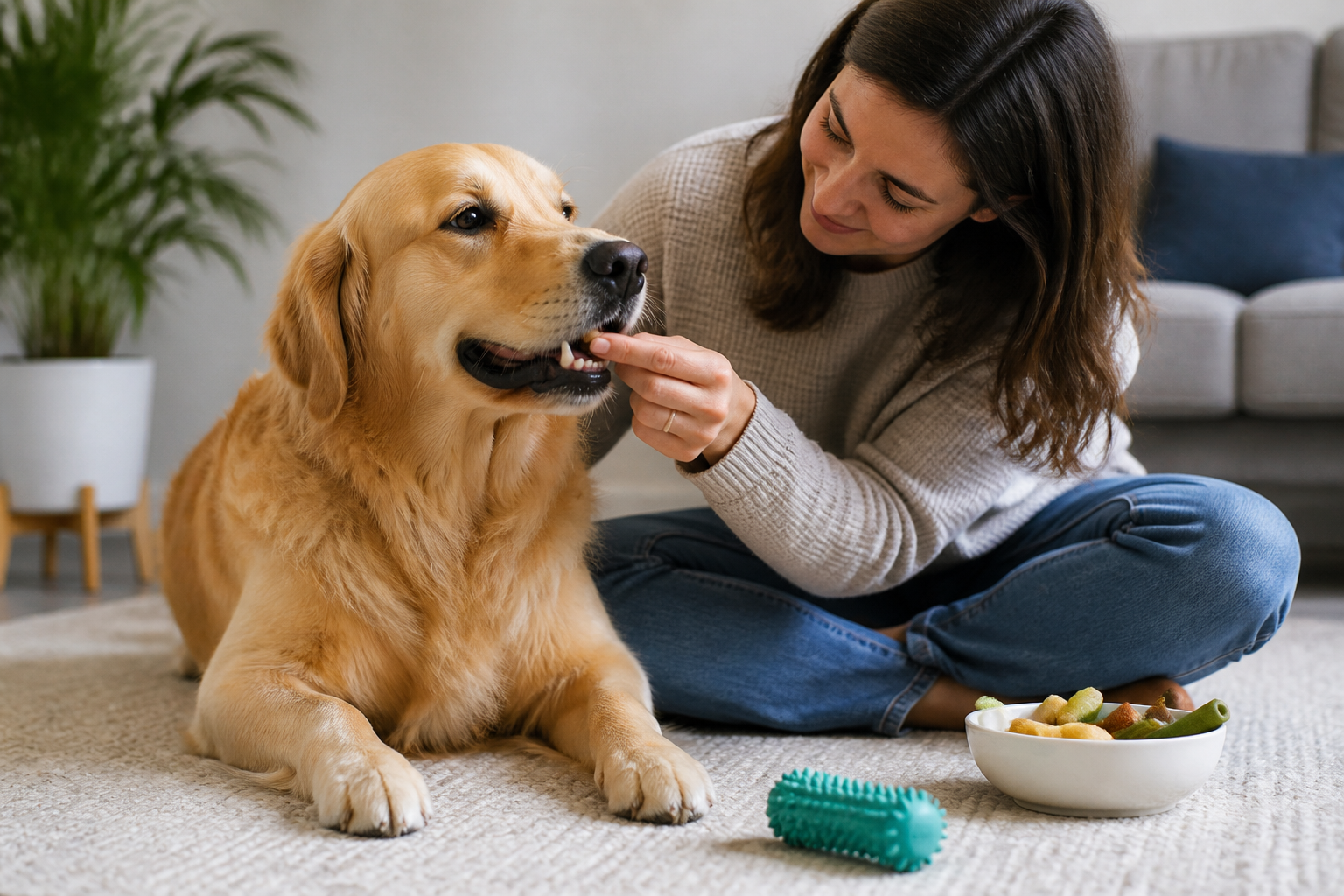
The moment you pull out the toothbrush, your dog disappears under the couch. It is a common struggle for many pet owners who want to keep their dog healthy but find traditional brushing nearly impossible. While brushing is often called the gold standard, it only works if you can actually do it. At BaxterBoo, we know that consistency is more important than a perfect technique that only happens once a month. This guide explores practical and effective ways to manage your dog’s oral hygiene through dental chews, water additives, and specialized diets. We will help you build a routine that keeps plaque away without the wrestling matches. Our goal is to give you the tools to maintain those pearly whites using products that fit your dog’s personality and your daily schedule.
The Reality of Canine Dental Health
Plaque starts forming on a dog's teeth within hours after a meal. If it is not disrupted, it mixes with minerals in the saliva and hardens into tartar. You can see tartar as a hard, yellow or brown buildup near the gumline. Once tartar sets, you cannot remove it with a brush or a chew. It requires a professional cleaning by a veterinarian.
The goal of any no-brush routine is to disrupt plaque before it hardens. This prevents the inflammation of the gums known as gingivitis. If left alone, this leads to periodontal disease. This condition can cause pain, tooth loss, and even systemic health issues affecting the heart and kidneys.
Key Takeaway: Consistency is the foundation of oral health. A daily no-brush routine is far more effective than brushing once a month.
Using Dental Chews for Mechanical Cleaning
Dental chews are one of the most popular ways to clean teeth without a brush. They work primarily through mechanical abrasion. As your dog bites down, the texture of the chew scrapes along the surface of the tooth. This action helps wipe away plaque before it mineralizes.
Brands like Greenies and RedBarn offer chews specifically designed with ridges and grooves. These shapes help the chew reach the spaces between teeth and the areas near the gums. Some chews also contain active ingredients like hexametaphosphate. This compound helps prevent minerals in saliva from turning plaque into tartar.
When choosing a chew, consider your dog’s chewing style. A "gulper" might try to swallow a chew whole, which is a choking hazard and provides no dental benefit. Always match the size of the chew to your dog’s weight.
- Look for the VOHC Seal of Acceptance on the packaging.
- Monitor your dog to ensure they are actually chewing the product.
- Account for the extra calories in your dog's daily meal plan.
- Replace very hard chews with flexible dental treats to avoid tooth fractures.
Vet Tip: If your dog has existing dental pain or loose teeth, they may avoid hard chews. Always consult your veterinarian if you notice your dog chewing on only one side of their mouth or dropping food.
The Role of Water Additives and Oral Rinses
Water additives are a hands-off approach to dental care. These are liquid solutions you pour directly into your dog’s water bowl. They often contain enzymes or antibacterial agents that help reduce the bacterial load in the mouth.
Most quality water additives are tasteless and odorless. This makes them ideal for picky dogs who might notice a change in their water. As your dog drinks throughout the day, the solution coats the teeth and gums. This helps slow down the accumulation of plaque-forming bacteria.
Oral rinses work similarly but are applied directly to the gums. You can squirt a small amount inside the cheek. These are often used for dogs who already have some gum inflammation. While they do not provide the mechanical scraping of a chew, they are excellent for chemical plaque control.
Dental Powders and Seaweed Supplements
Dental powders are becoming a staple in many households. You simply sprinkle the recommended dose over your dog's food once a day. One of the most well-known products in this category is ProDen PlaqueOff Powder Dog and Cat Teeth Care. This supplement uses a specific type of seaweed called Ascophyllum nodosum.
This seaweed works systemically. Once the dog eats it, the compounds are absorbed and eventually released through the saliva. It works to soften existing tartar and prevent new plaque from sticking. Many owners find that after a few weeks of use, tartar becomes easier to scrape off or even falls off during play.
Quick Answer: Yes, you can effectively clean a dog's teeth without brushing by combining mechanical methods like dental chews with systemic supplements like dental powders. This multi-pronged approach targets plaque from the outside and the inside.
Therapeutic and Prescription Dental Diets
For dogs prone to rapid tartar buildup, a change in diet can make a significant difference. Standard kibble often shatters as soon as a dog bites it, providing very little cleaning. Specialized dental diets are different.
These kibbles are usually much larger than standard food. They have a specific fiber matrix that does not crumble immediately. Instead, the tooth sinks into the kibble, and the fibers scrub the tooth surface as the dog chews. Brands like Royal Canin and Farmina Vet Life offer these specialized formulations.
Some of these options are prescription-only because they are formulated to manage specific health conditions. We provide access to these specialized foods through our pharmacy partnership with Pet's Choice. If your vet recommends a prescription dental diet, you can easily fulfill that need through our warehouse services.
How Dental Diets Differ from Standard Food
- Kibble Size: Larger pieces force the dog to chew rather than swallow whole.
- Texture: The kibble is designed to stay intact until the tooth penetrates it deeply.
- Chemical Coatings: Some diets include polyphosphates to bind calcium in the saliva.
- Nutritional Balance: These are complete and balanced meals that can be fed long-term.
Bottom line: Prescription dental diets turn every meal into a mini-cleaning session for your dog.
Dental Toys and Enrichment
Playtime can also serve as a cleaning session. Rubber toys with nubs or "dental ropes" can help massage the gums and scrape the teeth. Kong makes several toys designed specifically to hold dental gel or small treats. This encourages the dog to chew for longer periods.
Cotton ropes can act like dental floss for dogs. As the dog chews on the rope, the cotton fibers slide between the teeth. This helps remove food particles and plaque from hard-to-reach areas. However, always supervise rope play. If a dog swallows long strands of cotton, it can cause serious intestinal blockages.
Natural options like raw carrots are also helpful. They are crunchy, low in calories, and provide a mild abrasive action. They are a great alternative for dogs on a weight management plan who cannot have high-calorie dental treats.
Avoiding Dangerous Chewing Options
While we want to encourage chewing, not all items are safe for dog teeth. A common rule among veterinary dentists is the "knee rule." If you would not want to be hit in the knee with the object, it is likely too hard for your dog’s teeth.
Items like dried antlers, cow hooves, and nylon bones are very popular but can lead to slab fractures. A slab fracture occurs when a piece of the tooth breaks off, often exposing the sensitive pulp inside. This is extremely painful and usually requires an extraction.
Cooked bones should always be avoided. Cooking makes bones brittle, which can cause them to splinter and pierce the digestive tract. Even raw bones carry risks of bacteria or breaking teeth if they are too dense. Stick to products designed specifically for dental safety.
Identifying Signs of Dental Distress
Even with a great no-brush routine, you need to monitor your dog’s mouth. Some dogs are genetically predisposed to dental issues regardless of how much they chew. Small breeds and dogs with crowded teeth, like Pugs or Yorkies, are especially at risk.
Check your dog’s mouth once a week. Lift the lips and look at the back molars. These are the most common spots for tartar to hide. Look for redness along the gumline, which is a sign of inflammation.
- Persistent bad breath that does not go away after a meal.
- Red, swollen, or bleeding gums.
- Excessive drooling or dropping food while eating.
- Pawing at the face or rubbing the mouth on the carpet.
- Visible brown or yellow crust on the teeth.
For more guidance, read the warning signs of bad teeth in dogs.
Vet Tip: Bad breath is not just "dog breath." It is often a sign of bacterial infection. If your dog's breath is strong enough to notice from a distance, schedule a dental checkup with your veterinarian.
The Importance of Professional Cleanings
No-brush methods are preventative. They are designed to keep a clean mouth healthy. However, they cannot fix a mouth that already has significant tartar and gum disease. Professional dental cleanings are a necessary part of a complete health plan.
During a professional cleaning, your vet will scale the teeth to remove tartar from above and below the gumline. They will also take X-rays to check for bone loss or infections under the surface. At BaxterBoo, we believe that at-home care and professional visits work together to ensure a long, happy life for your pet.
Some owners worry about anesthesia for dental cleanings. While there is always a small risk, modern veterinary medicine uses advanced monitoring to keep pets safe. The risks of untreated dental infections are often much higher than the risks of a supervised dental procedure.
For additional guidance, review these pet dental care tips.
Building a No-Brush Routine
Starting a new routine is easier when you take it one step at a time. You do not have to use every method listed here. Choose two or three that fit your dog's lifestyle and stick to them. Consistency is what yields results.
Step 1: Start with a systemic supplement. / Add a dental powder like PlaqueOff to your dog's breakfast every day. This provides 24-hour protection with zero effort.
Step 2: Incorporate a daily chew. / Give your dog a VOHC-approved dental treat in the evening. This adds a mechanical cleaning element to the routine.
Step 3: Use water additives. / Add a dental solution to your dog's main water bowl. This helps manage bacteria every time they take a drink.
Step 4: Schedule regular checks. / Set a reminder on your phone to check your dog's gums and teeth once a month. This helps you catch changes before they become painful.
A recurring supply can make daily care easier through our Autoship programme.
Key Takeaway: A layered approach using a powder, a chew, and a water additive provides the best protection against plaque and tartar.
Choosing Quality Brands at BaxterBoo
We pride ourselves on carrying over 500 trusted brands to ensure you have the best options for your dog. For dental care, we stock highly regarded names like Kong, Greenies, and Cosequin. Our team handpicks every product to ensure it meets high standards for safety and effectiveness.
If your dog has specific health needs, such as allergies or a sensitive stomach, we have options for them too. Many dental chews come in grain-free or limited-ingredient versions. We want to make sure that every dog, regardless of their health history, can enjoy a clean and healthy mouth.
By joining the MVP Rewards programme, you can earn points on every dental care purchase. This makes it easier to stay consistent with your routine while saving money on the products your dog loves.
Conclusion
Cleaning your dog’s teeth does not have to be a daily struggle with a toothbrush. By using a combination of dental chews, water additives, and specialized powders, you can significantly reduce plaque and keep your dog’s breath fresh. Remember that these methods are most effective when used daily. If your dog already has heavy tartar buildup, start with a visit to the veterinarian for a professional assessment. Our pharmacy carries a range of FDA-approved treatments and prescription diets to help manage more advanced dental needs. We are here to support you in every stage of your pet's health journey. To get started on a better dental routine, explore our dog dental care category for supplements or check out our dental chews for dogs.
Bottom line: A proactive no-brush routine is a gift of health that can add years to your dog's life.
FAQ
Can dental chews really replace brushing for my dog?
While brushing is the most thorough method, high-quality dental chews are an excellent alternative for dogs who will not tolerate a toothbrush. They provide mechanical abrasion that scrapes away plaque and often contain ingredients that help prevent tartar from forming. For the best results, use chews in combination with other methods like water additives or dental powders.
How do I know if a dental product actually works?
The best way to verify a product’s effectiveness is to look for the Veterinary Oral Health Council (VOHC) Seal of Acceptance. This seal is only awarded to products that have provided clinical data proving they significantly reduce plaque or tartar. Many brands we carry, such as Greenies and certain specialized diets, hold this seal.
Are water additives safe for my dog to drink every day?
Yes, high-quality water additives are designed for daily use and are safe for long-term consumption. They are formulated with ingredients that target oral bacteria without upsetting your dog’s stomach. Always follow the dosage instructions on the bottle and ensure your dog always has access to fresh, treated water.
My dog has very bad breath, will these methods fix it?
No-brush methods can help freshen breath by reducing the bacteria that cause odors. However, if the bad breath is caused by deep-seated infection or rotting teeth, these products will not be enough. If your dog’s breath is foul or if you see red gums, you should visit a veterinarian to rule out periodontal disease.






