
 Save 15% on your 1st Autoship learn more

 Email us
 Live Chat
 FAQs
FAQs





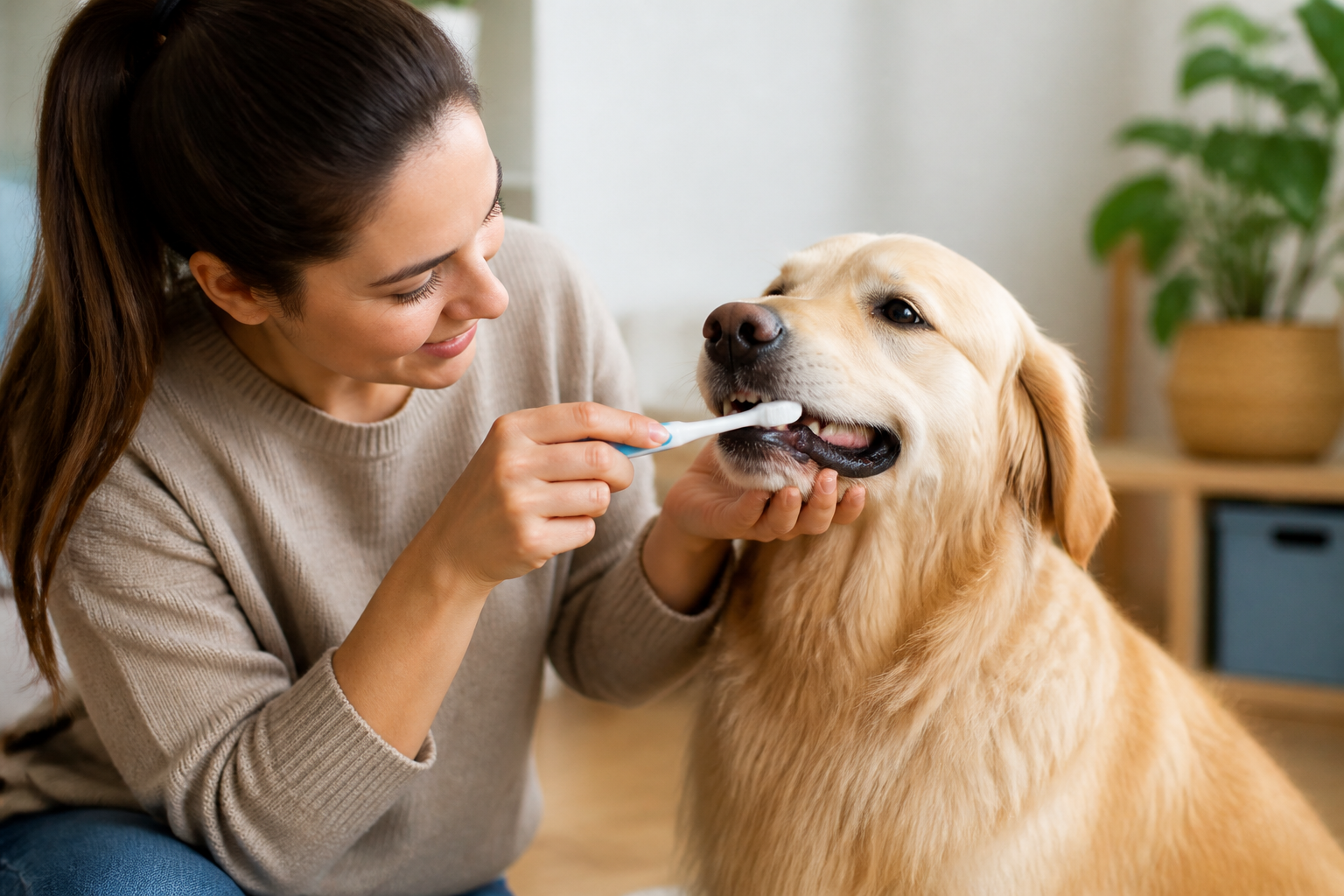
Introduction
You lean in for a wet kiss from your furry friend and are immediately met with a wave of "stinky dog breath." While many owners assume bad breath is just a natural part of being a dog, it is actually one of the first signs that oral hygiene needs attention. At BaxterBoo, we believe that dental care is a cornerstone of overall wellness, yet it remains one of the most overlooked aspects of pet parenting. This guide will walk you through the practical steps of maintaining your dog's oral health, from choosing the right supplies to mastering the technique of brushing a wiggly pup. We will also explore how diet, treats, and professional care work together to keep those pearly whites shining. Consistent home care is the best way to prevent the pain and high costs associated with advanced dental disease.
Why Dental Hygiene is Critical for Your Dog
Oral health impacts far more than just the mouth. When plaque and tartar build up on the teeth, they harbor bacteria that can enter the bloodstream. This bacteria can eventually affect vital organs like the heart, liver, and kidneys. Maintaining a clean mouth is a proactive way to support your dog's long-term health and longevity.
Plaque is a sticky film that forms on the teeth within hours of eating. If it is not brushed away, it mixes with minerals in the saliva and hardens into tartar, also known as calculus, in as little as 24 to 48 hours. Once tartar has formed, it creates a rough surface that attracts even more plaque. It also begins to creep under the gumline, where it causes inflammation and infection.
Recognizing the Signs of Dental Issues
Many dogs are experts at hiding pain. You might not realize your dog has a dental problem until it has become quite advanced. Keeping a close eye on their mouth can help you catch issues early. Look for these common red flags:
- Persistent bad breath that does not go away with a treat
- Yellow or brown deposits on the teeth near the gumline
- Red, swollen, or bleeding gums
- Drooling more than usual or dropping food while eating
- Pawing at the mouth or face
- Loss of interest in hard kibble or favorite chew toys
Quick Answer: Clean your dog's teeth by using a pet-safe toothbrush and enzymatic toothpaste at least three times a week. Focus on the gumline where plaque accumulates most, and use gentle circular motions to remove debris.
For more warning signs to watch for, read about how to recognize hidden dental problems in dogs.
Essential Tools for Success
Before you start, you need the right equipment. Using the wrong tools can make the process difficult for you and potentially dangerous for your pet. Our team at BaxterBoo carefully selects products that prioritize safety and ease of use for pet owners. You can find brushes, toothpaste, dental chews, and other supplies in our dog dental care collection.
Never Use Human Toothpaste
This is the most important rule of dog dental care. Human toothpaste often contains fluoride and foaming agents like sodium lauryl sulfate, which are toxic if swallowed. Many human toothpastes also contain Xylitol, an artificial sweetener that is deadly to dogs even in small amounts.
Dog-specific toothpaste is designed to be swallowed and comes in flavors that dogs actually enjoy, such as poultry, beef, or peanut butter. These formulas are often enzymatic, meaning they contain proteins that help break down plaque chemically even after you stop brushing. One option is Vet’s Best Enzymatic Dental Gel Dog Toothpaste.
Choosing the Right Brush
The type of brush you choose depends on your dog's size and comfort level. You have a few main options:
- Standard Pet Toothbrushes: These look like human brushes but have longer handles and angled heads to reach the back molars.
- Finger Brushes: These are small, silicone or rubber caps that fit over your pointer finger. They are excellent for puppies or dogs who are nervous about having a large plastic object in their mouth.
- Double-Headed Brushes: These allow you to clean the inner and outer surfaces of the teeth at the same time, which can significantly speed up the process.
Key Takeaway: Proper dental care requires dog-specific enzymatic toothpaste and a brush suited to your dog's mouth size to ensure safety and effectiveness.
For additional guidance on introducing toothpaste, brushes, and wipes, explore these pet dental care tips.
A Step-By-Step Guide to Brushing
If your dog is not used to having their mouth touched, you cannot expect to do a full brushing session on day one. It takes patience and a gradual approach to build trust. Follow these steps to make the experience positive.
Step 1: Get Them Comfortable with Touching
Spend a few days just lifting your dog's lips and gently rubbing their teeth and gums with your bare finger. Keep these sessions very short, perhaps only 30 seconds. Always follow up with praise and a small reward so they associate mouth handling with good things.
Step 2: Introduce the Toothpaste
Let your dog lick a small amount of the enzymatic toothpaste off your finger. Since most pet pastes are flavored like treats, they should be eager to try it. This helps them get used to the taste and texture before you introduce the friction of a brush.
Step 3: Introduce the Brush
Put a dab of toothpaste on the brush and let your dog lick it off. Gradually start using the brush to touch a few of the front teeth. Do not worry about a full cleaning yet. Just get them used to the feeling of the bristles against their gums.
Step 4: The Brushing Motion
Once they are comfortable, begin brushing in small circular motions. Focus primarily on the outside of the teeth, as this is where the most plaque accumulates. You do not need to worry as much about the inside surfaces, as the dog's tongue naturally helps keep those areas cleaner.
Step 5: Focus on the Gumline
The most important area to clean is the junction where the tooth meets the gum. This is where bacteria hide and cause periodontal disease. Angle the bristles at a 45 degree angle toward the gumline for the best results.
Vet Tip: If you notice your dog's gums bleeding slightly during the first few sessions, it may be a sign of mild gingivitis. However, if the bleeding is heavy or the gums look very angry and red, consult your veterinarian before continuing, as your dog may have an underlying infection.
Alternatives to Traditional Brushing
We understand that not every dog will tolerate a toothbrush. If your dog is particularly resistant, or if you have a busy schedule, there are supplemental tools that can help maintain oral hygiene between professional cleanings.
Dental Chews and Treats
High-quality dental chews are designed to scrape away plaque through mechanical action as the dog chews. Look for products that carry the Veterinary Oral Health Council (VOHC) seal of approval. This seal ensures the product has been rigorously tested and proven to reduce plaque or tartar by a certain percentage.
While chews are helpful, they are not a total replacement for brushing. Most dogs tend to chew on only one side of their mouth, meaning some teeth will get more cleaning than others. Browse our dental chews and treats for dogs to find supplemental options.
Water Additives and Oral Rinses
Water additives are tasteless liquids you add to your dog's drinking bowl. They contain enzymes or antiseptic ingredients that help reduce the bacterial load in the mouth. These are a great "hands-off" option for owners of difficult pets, though they are most effective when used alongside other methods.
Dental Wipes
For dogs who hate the sensation of bristles, dental wipes are a great middle ground. These are textured pads treated with cleaning agents. You simply wrap one around your finger and wipe the surfaces of the teeth. They are faster than brushing and less intimidating for sensitive dogs.
Chew Toys
Rubber or nylon toys with ridges and nubs can help massage the gums and rub off soft plaque. Brands like Kong offer toys specifically designed to hold dental paste, encouraging the dog to clean their own teeth while they play. You can explore dental dog toys for chew-friendly options.
Bottom line: While brushing is the gold standard, combining it with VOHC-approved chews and water additives provides a multi-layered defense against dental disease.
The Role of Diet in Dental Health
There is a common belief that feeding dry kibble is enough to keep a dog's teeth clean because of its crunchy texture. However, most standard kibble is small and shatters easily, providing very little abrasive action. It is essentially like us eating crackers to clean our teeth.
Prescription Dental Diets
If your dog is prone to heavy tartar buildup, your veterinarian might suggest a prescription dental diet. These foods have larger, specially fiber-aligned kibbles that do not shatter. Instead, the tooth sinks into the kibble, allowing the fibers to scrub the tooth surface all the way to the gumline.
Through our partnership with Pet's Choice, the pharmacy at BaxterBoo can help you fulfill prescriptions for these specialized diets and other medicated dental rinses. This hybrid model allows you to get expert-picked gear and professional-grade health supplies in one place. Visit our pet pharmacy for dogs when your veterinarian recommends prescription products.
Healthy Natural Snacks
Some fresh vegetables can provide a minor cleaning effect. Raw carrots or apple slices (without the seeds or core) require significant chewing and can help rub away some surface debris. These should be treated as healthy snacks rather than primary dental tools.
Professional Cleanings and Veterinary Care
Even with the most diligent home care, most dogs will eventually need a professional dental cleaning. Just as humans visit a dentist for deep cleaning, dogs need a veterinarian to handle the areas that a toothbrush cannot reach.
Why Anesthesia is Necessary
A true professional cleaning involves scaling tartar from underneath the gumline and taking dental x-rays to check for bone loss or root infections. This cannot be done safely or effectively while a dog is awake. Anesthesia allows the vet to perform a thorough, pain-free examination of the entire mouth.
Non-Anesthetic Cleanings
You may see "anesthesia-free" dental cleanings offered by some groomers or clinics. While these can make the teeth look white by removing visible tartar, they cannot clean under the gumline where the real disease happens. They also do not allow for the necessary x-rays to find hidden problems. Using these as a substitute for veterinary care can give owners a false sense of security while dental disease continues to progress beneath the surface.
Vet Tip: Schedule a dental checkup at least once a year. Your vet can identify issues like fractured teeth or resorptive lesions that are impossible to see at home. Early intervention can prevent the need for costly extractions later on.
Maintaining a Consistent Routine
The key to success with dog dental care is consistency. Plaque begins to reform within hours of a cleaning, so a "once in a while" approach will not prevent tartar.
- Set a Schedule: Try to brush at the same time every day, such as right before bed or after a walk.
- Keep Tools Handy: Store the toothbrush and paste where you will see them, rather than tucked away in a drawer.
- Track Progress: Take a "before" photo of your dog's teeth and check back in a month to see the improvement in gum color and plaque levels.
- Reward Success: Always end the session with a high-value reward so your dog looks forward to the routine.
Our MVP Rewards program is a great way to save on the dental supplies you need for this daily habit. By earning points on every purchase of toothpaste, brushes, and treats, you can keep your dog's mouth healthy without breaking the bank.
Conclusion
Cleaning your dog's teeth is one of the most impactful things you can do for their long-term health. By starting slowly and using the right tools, you can transform a potentially stressful chore into a simple part of your daily bonding time. Remember that home care is a partnership with your veterinarian. Brushing, using dental chews, and scheduling regular professional exams are the three pillars of a healthy canine smile.
- Start with a gradual 5-step introduction to brushing.
- Always use dog-safe, enzymatic toothpaste.
- Supplement with VOHC-approved chews and water additives.
- Consult your vet for annual exams and professional cleanings.
The best way to stay on top of your dog's oral hygiene is to ensure you never run out of supplies. You can browse our dog dental care products in the Medical and Mobility section of the BaxterBoo website. For ongoing needs, our Autoship program offers a convenient way to have toothpaste and dental treats delivered right to your door while providing extra savings.
FAQ
How often should I actually brush my dog's teeth?
Ideally, you should brush your dog's teeth every single day to prevent plaque from hardening into tartar. However, we understand that life gets busy, so aiming for at least three times a week is a realistic goal that can still provide significant health benefits. Consistency is more important than the length of the session, so even a quick one-minute brush is better than nothing.
Can I use baking soda instead of dog toothpaste?
It is generally not recommended to use baking soda to clean a dog's teeth. Baking soda has a high alkaline content that can upset the acid balance in your dog's digestive tract if they swallow too much of it. Additionally, most dogs find the taste of baking soda unpleasant, which can make them much more resistant to the brushing process compared to flavored pet toothpastes.
My dog's breath is still bad even though I brush. What should I do?
If your dog's breath remains foul despite regular brushing, it is time for a visit to the veterinarian. Persistent bad breath can be a sign of advanced periodontal disease, an infected tooth, or even internal health issues like kidney or liver problems. A professional exam can help determine if there is an underlying condition that requires medical treatment or a professional deep cleaning.
At what age should I start cleaning my dog's teeth?
You should start getting your dog used to dental care as early as possible, ideally when they are a puppy. While puppies will eventually lose their baby teeth, starting the routine early helps them become comfortable with the sensation of brushing. This makes it much easier to maintain the habit as they grow into adults and their permanent teeth come in.






