
 Save 15% on your 1st Autoship learn more

 Email us
 Live Chat
 FAQs
FAQs





Introduction
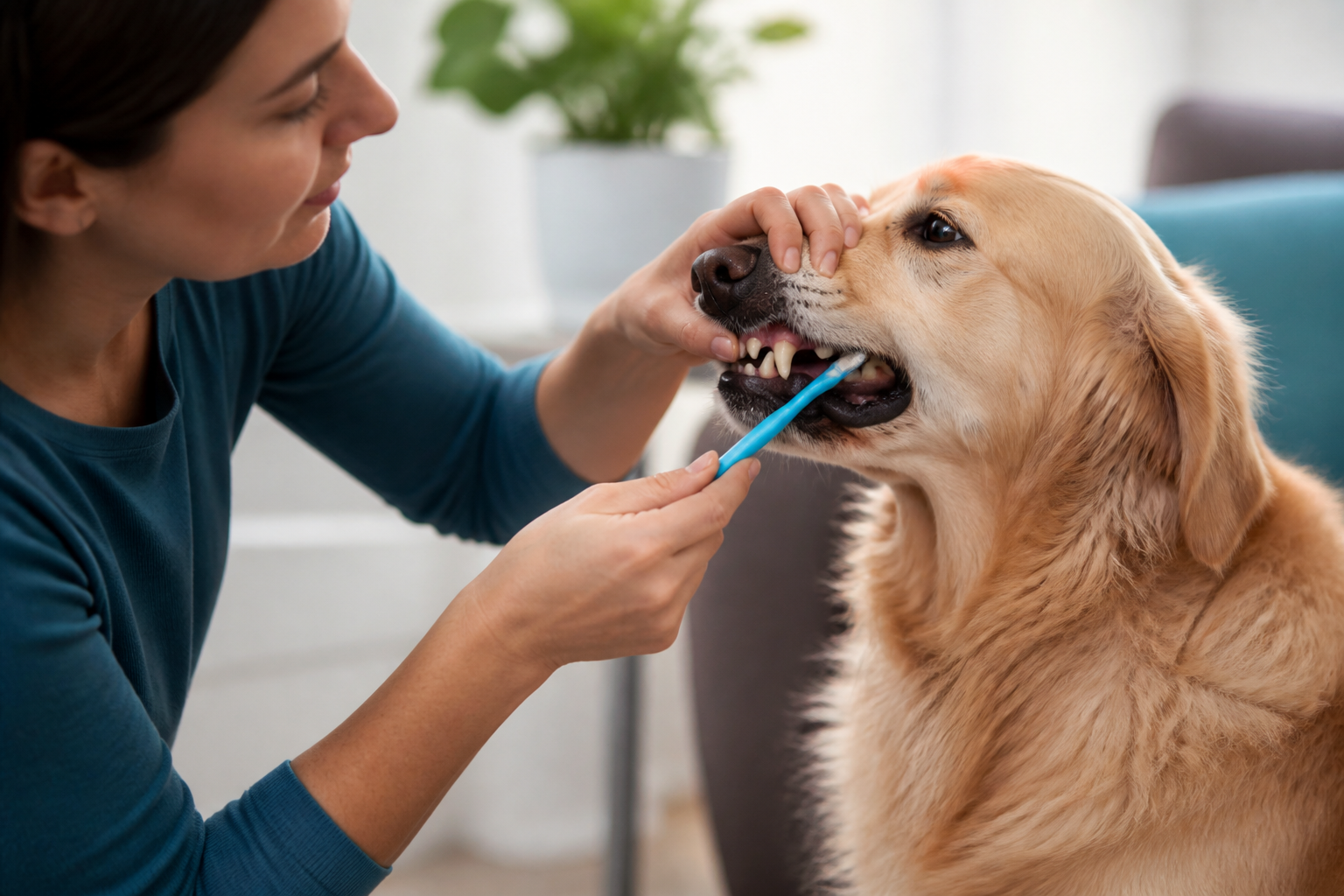
You notice it during a playful yawn or while brushing your dog’s coat. There is a thick, brownish crust clinging to their back molars that refuses to budge. This hardened buildup is tartar, and unlike soft plaque, it feels as solid as concrete. Many pet owners ask us if it is possible to scrub this away at home or if they have missed the window for simple prevention. While mild buildup can be managed with specific tools, heavy tartar often requires a more strategic approach to protect your dog’s health.
This guide covers the safest ways to soften and reduce tartar at home, the essential tools for a dental routine, and when it is time to call in a professional. We will also explore how to prevent that "bad" tartar from returning. Maintaining your dog's oral health is about more than just a bright smile: it is a critical part of their overall wellness.
Quick Answer: Removing heavy, hardened tartar at home is difficult because it bonds strongly to the tooth enamel. You can use enzymatic toothpastes, dental sprays, and mechanical chews to soften it over time, but severe cases usually require a professional veterinary scaling under anesthesia.
Understanding the Difference Between Plaque and Tartar
Before you start scrubbing, it is important to know what you are fighting. Plaque is a sticky, colorless film of bacteria that forms on the teeth within hours of eating. At this stage, plaque is soft. You can easily remove it with a toothbrush or even a dental wipe. If you stay consistent with daily brushing, you can stop plaque before it ever becomes a bigger problem.
Tartar, also known as dental calculus, is the next stage. When plaque is left on the tooth, it reacts with the minerals in your dog’s saliva. Within 24 to 72 hours, that soft film begins to harden. Once it calcifies, it becomes a porous, rough surface that traps even more bacteria. This cycle continues until a thick layer of "bad" tartar forms. This substance is much harder than plaque and acts like a shield for bacteria, eventually leading to gum inflammation and tooth decay.
Why Tartar Is a Health Risk
Tartar is not just a cosmetic issue. Because it is porous, it holds onto bacteria right against the gumline. This leads to gingivitis, which you will recognize as a red, swollen line where the tooth meets the gum. If the bacteria are allowed to migrate under the gumline, they can cause periodontal disease. This can eventually lead to:
- Chronic oral pain and difficulty eating.
- Loose or missing teeth.
- Bone loss in the jaw.
- Bacteria entering the bloodstream, potentially damaging the heart, liver, and kidneys.
Bottom line: Plaque is a soft film that is easy to brush away, but tartar is a mineralized substance that requires specific intervention to remove.
How to Soften and Reduce Tartar at Home
If your dog has a moderate amount of tartar, you might be able to reduce the buildup using products designed to break down the mineral bonds. You should never attempt to "flick" or scrape tartar off with metal tools at home. This can easily result in a slipped tool that punctures the gums, or worse, you could scratch the tooth enamel. Scratched enamel creates even more nooks and crannies for bacteria to hide in, making the problem worse in the long run.
For daily dental supplies, browse our dog dental care collection.
Enzymatic Toothpastes
The most effective home tool for cleaning bad tartar off dog's teeth is enzymatic toothpaste. Unlike human toothpaste, which often contains xylitol or fluoride (both toxic to dogs), these formulas use enzymes like glucose oxidase. These enzymes create a chemical reaction that breaks down organic matter and weakens the tartar's structure.
When you apply these pastes, the enzymes keep working even after you stop brushing. Brands like Zesty Paws or Sentry offer formulas that specifically target buildup. For dogs with heavy tartar, simply getting the paste onto the affected area daily can begin to soften the crust.
Dental Sprays and Gels
If your dog is a "toothbrush hater," dental sprays and gels are a great alternative. These products are designed to be applied directly to the teeth and gums. They often contain ingredients like chlorhexidine or natural antimicrobials that kill bacteria on contact. As the dog licks their teeth, the solution spreads throughout the mouth, working to dissolve the "glue" that holds tartar to the enamel.
You can also explore our dental and breath care supplies for sprays, gels, and other oral-care options.
Water Additives and Powders
Dental water additives are a "set it and forget it" option. You add a small amount to your dog's water bowl, and every time they drink, they get a dose of plaque-fighting ingredients. Similarly, dental powders made from sea kelp are becoming popular. Some studies suggest that specific types of kelp, when ingested, change the chemistry of the saliva to make it harder for plaque to stick and calcify.
The Top 10 Pet Dental Care Tips also covers brushing, pet toothpaste, and dental treats as part of a consistent routine.
| Product Type | Primary Benefit | Best For |
|---|---|---|
| Enzymatic Paste | Chemical breakdown of plaque | Dogs who tolerate brushing |
| Dental Gel | Targeted application to tartar | Moderate buildup on molars |
| Water Additive | Easy, daily bacteria control | Picky dogs or busy owners |
| Dental Powder | Changes saliva chemistry | Preventing new tartar formation |
Mechanical Cleaning with Chews and Toys
While chemical solutions soften the tartar, mechanical action helps rub it away. Think of this like using a sponge to clean a dish after it has been soaking. The friction of your dog's teeth rubbing against a hard, textured surface can physically dislodge pieces of softened tartar.
Dental Chews
Products like Greenies or specialized dental sticks are designed with ridges and grooves. As the dog bites down, the chew wraps around the tooth, scraping the surface. For the best results, look for chews that have the Veterinary Oral Health Council (VOHC) seal. This seal ensures the product has been tested and proven to reduce plaque or tartar by a certain percentage.
For more ideas, see 10 Best Dental Chews for Dogs.
Hard Rubber Toys
Toys like the classic Kong or other textured rubber toys can provide excellent mechanical cleaning. If you stuff a Kong with a bit of enzymatic toothpaste or a dental gel, your dog will spend twenty minutes licking and chewing. This combines the chemical power of the enzymes with the physical scrubbing of the rubber.
Natural Abrasives
Crunchy vegetables like raw carrots or apple slices can provide a mild abrasive effect. While these won't "cure" a bad tartar problem, they are a healthy way to encourage chewing. For more significant issues, some owners use air-dried treats or specific dental diets. Brands like Farmina and Royal Canin offer dental-specific kibble that is larger and more fibrous, requiring the dog to crunch through it rather than swallowing it whole.
Key Takeaway: Combining chemical treatments like enzymatic gels with mechanical tools like dental chews provides a "one-two punch" that is far more effective than using either one alone.
A Step-by-Step Guide to Brushing for Tartar Removal
If you are trying to clean bad tartar off your dog's teeth, you cannot just jump in with a full scrubbing session. You have to be patient, especially if their gums are already sensitive from the buildup.
Step 1: Choose the right time. / Pick a moment when your dog is calm and tired, perhaps after a long walk.
Step 2: Introduce the paste. / Let your dog lick a small amount of enzymatic toothpaste off your finger so they associate it with a treat.
Step 3: Test the "finger brush." / Use a soft silicone finger brush or a piece of gauze wrapped around your finger to gently rub the front teeth.
Step 4: Target the molars. / Most tartar accumulates on the upper back molars. Gently lift the lip and focus your attention there.
Step 5: Reward and repeat. / Give your dog plenty of praise. Aim for a short session every single day rather than one long session once a week.
For additional guidance, read Is Your Dog Hiding Bad Teeth? Warning Signs and What to Do.
Vet Tip: If your dog's gums bleed significantly when you brush, or if they pull away in obvious pain, stop immediately. This is a sign of advanced gingivitis or periodontal disease. Brushing over an active infection can be very painful and may push bacteria deeper into the gum tissue. Consult your vet before continuing.
When Home Care Isn't Enough: Professional Cleaning
There is a limit to what we can do at home. Once tartar has covered a large portion of the tooth or moved under the gumline, it is effectively a part of the tooth. At this stage, no amount of brushing or chewing will safely remove it.
The Role of Your Veterinarian
A professional dental cleaning is the only way to achieve a "clean slate." During this procedure, a veterinarian uses an ultrasonic scaler to vibrate the tartar off the teeth without damaging the enamel. Because dogs will not sit still for the loud noise and the water spray, and because the vet needs to clean deep under the gumline where the real damage happens, general anesthesia is required.
Many owners are nervous about anesthesia, but modern veterinary medicine makes the process very safe. Your vet will perform blood work beforehand to ensure your dog is a good candidate. This thorough cleaning is the only way to detect hidden issues like tooth root abscesses or jawbone loss that a visual exam might miss.
Our Pharmacy and Prescription Diets
Sometimes, a dog requires more than just a cleaning. If your vet discovers a dental infection, they may prescribe antibiotics or pain relief. Our pet pharmacy provides prescription medications that your vet might recommend. We also carry prescription dental diets, such as Farmina Vet Life, which are specifically formulated to manage oral health in dogs prone to heavy buildup. These diets often have a unique kibble structure that "scrubs" the tooth all the way to the gumline.
Key Takeaway: Professional cleanings are not just about white teeth: they are about cleaning the areas you cannot see or reach at home, preventing systemic health issues.
Identifying Signs of Dental Distress
It is important to know when a tartar problem has turned into a medical emergency. If you notice any of the following, skip the home remedies and head straight to the clinic:
- Extremely foul breath (beyond typical "dog breath").
- Loose, wobbly, or missing teeth.
- Pus or discharge along the gumline.
- A "chattering" jaw or dropping food while eating.
- Swelling under the eye or along the jawline (often a sign of a root abscess).
- Excessive drooling, especially if it is tinged with blood.
We see many senior dogs at our warehouse who have lost half their teeth because dental care was not a priority in their younger years. It is much easier (and cheaper) to manage tartar early than it is to pay for multiple extractions later.
Creating a Long-Term Dental Routine
Once you have managed to clean the worst of the tartar, the goal is to make sure it never gets that bad again. Consistency is the secret. A "once a month" cleaning routine will not stop plaque from calcifying into tartar.
The Power of Autoship
One of the easiest ways to stay consistent is through our Autoship programme. You can set your favorite dental chews, like Greenies or Kong toys, to arrive at your door every month. This ensures you never run out of the tools you need. Plus, Autoship customers receive a free MVP Gold membership, which gives you even more savings on your dental supplies.
Use Your MVP Rewards
If you are buying premium dental food or supplements regularly, make sure you are signed up for the MVP Rewards programme. You can earn up to 5% back on every purchase. Since dental care is a lifelong commitment, those rewards add up quickly, helping you maintain your dog's health without overstretching your budget.
Summary of Home Tartar Management
Caring for a dog with bad tartar requires a multi-faceted approach. You cannot rely on a single product. Instead, look at your dog's routine and see where you can add "layers" of protection.
- Daily: Use an enzymatic toothpaste or gel to weaken plaque.
- Daily: Add a dental solution to their water bowl.
- Daily: Provide a VOHC-approved dental chew for mechanical scrubbing.
- Weekly: Inspect their mouth for any signs of redness or new buildup.
- Yearly: Schedule a professional dental check-up with your veterinarian.
If you are a new customer, we want to help you get started on the right foot. You can get a 10 dollar reward on your first order of 39 dollars or more when you are signed in at checkout. This is a great way to stock up on the toothbrushes, pastes, and chews you need to build a solid routine.
Regardless of which products you choose, remember that your vet is your best partner in this process. They can provide a professional assessment and help you decide if your dog’s tartar level is a DIY project or a job for the experts.
FAQ
Can I use a human dental scaler to remove tartar from my dog's teeth?
No, you should never use metal dental scalers at home. These tools are very sharp and can easily slip, causing serious injury to your dog's gums or tongue. Furthermore, scaling creates microscopic scratches in the tooth enamel that actually make it easier for new tartar to bond to the tooth, leading to faster buildup in the future.
How long does it take for plaque to turn into "bad" tartar?
Plaque begins to mineralize and harden into tartar surprisingly quickly, often within 24 to 72 hours. This is why daily dental care is so important. If you only brush your dog's teeth once a week, the plaque that formed on Monday will have already turned into hard tartar by the time you brush again on Sunday.
Are there certain breeds that are more prone to heavy tartar buildup?
Yes, small and toy breeds like Chihuahuas, Yorkies, and Pugs are much more prone to dental issues. This is often because they have the same number of teeth as large dogs but in a much smaller mouth, leading to crowding. Crowded teeth trap food and bacteria more easily, and these dogs often have thinner enamel, making professional care even more vital.
Can a change in diet really help clean bad tartar off a dog's teeth?
A diet change can help prevent new tartar and reduce mild plaque, but it rarely removes existing "bad" tartar on its own. Specific dental diets use larger, fibrous kibble that doesn't shatter immediately when bitten, forcing the tooth to sink into the kibble and receive a mechanical scrubbing action. While helpful, these diets work best when combined with brushing and professional cleanings.






