
 Save 15% on your 1st Autoship learn more

 Email us
 Live Chat
 FAQs
FAQs





Introduction
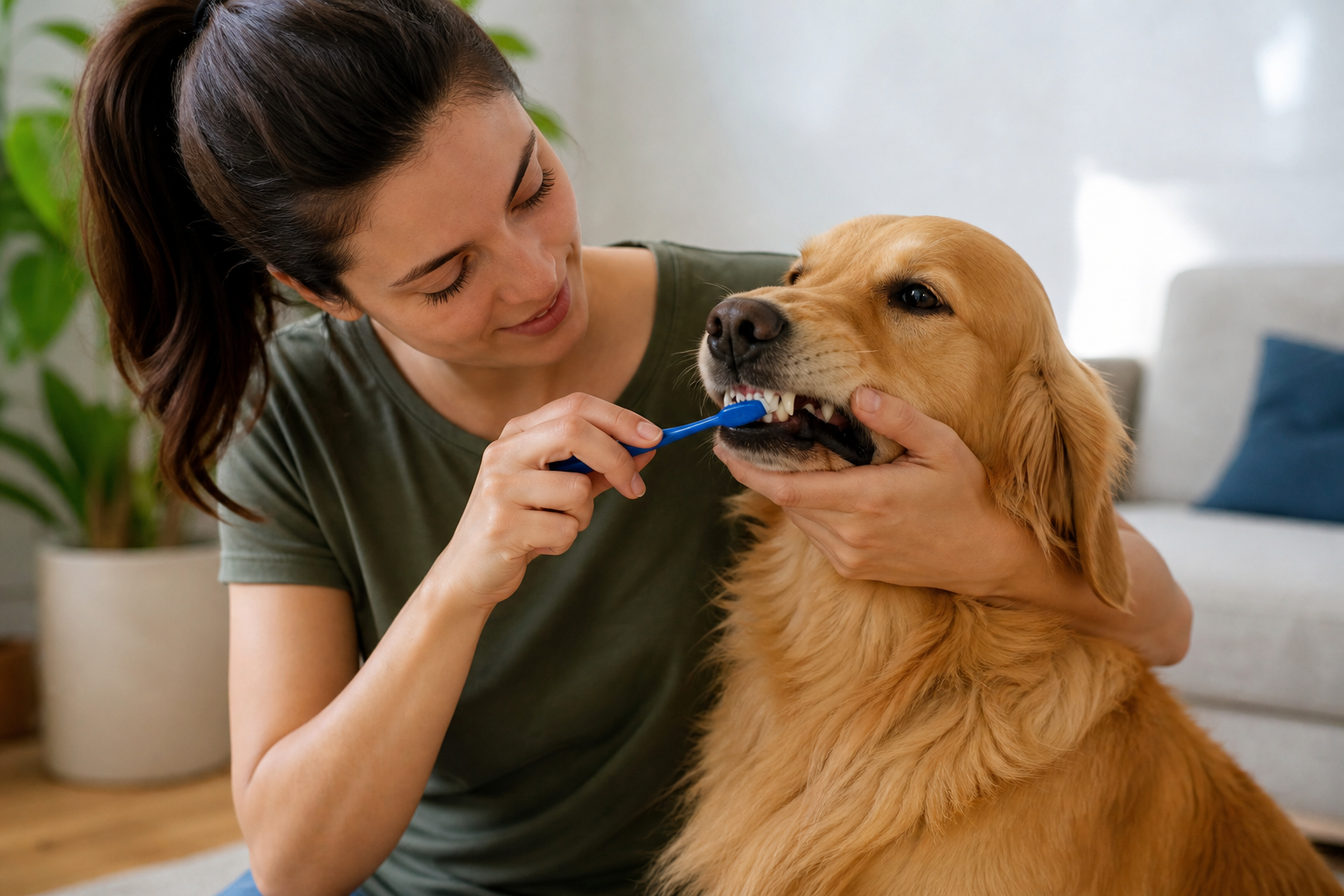
You are relaxing on the couch when your dog leans in for a friendly lick. Instead of a sweet moment, you are hit with a wave of foul breath. This is a common experience for many owners. While we often joke about "dog breath," persistent odors usually signal a buildup of plaque and bacteria. At BaxterBoo, we know that oral hygiene is about more than just fresh kisses. It is a vital part of your dog’s overall wellness. Learning how to clean dog teeth at home can save your pet from pain and save you from expensive veterinary bills later. This guide covers the best tools, techniques, and alternatives to keep those pearly whites shining. Consistent home care is the foundation of a long and healthy life for your canine companion.
Why Dental Care Is Non-Negotiable
Oral health affects the entire body. When bacteria grow in the mouth, they do not stay there. They can enter the bloodstream through inflamed gums. This can lead to issues with the heart, liver, and kidneys. Most dogs show some sign of dental disease by age three. This usually starts as gingivitis. It is a reversible condition where the gums are red and swollen. If ignored, it progresses to periodontal disease. This stage involves bone loss and tooth decay.
Plaque is the sticky film that forms on teeth after eating. It is soft and easy to remove with a brush. However, if plaque stays on the tooth for more than 48 hours, it hardens into tartar. Tartar is also called calculus. Once tartar forms, you cannot brush it away at home. It requires a professional cleaning by a veterinarian. This is why daily intervention is so important. You are essentially racing against the clock to remove plaque before it mineralizes.
Key Takeaway: Oral health is a full-body concern. Preventing tartar buildup at home protects your dog's vital organs from bacteria-related damage.
Essential Tools for the Job
You cannot use your own supplies on your dog. Human toothpaste often contains xylitol. This is an artificial sweetener that is highly toxic to dogs. It can cause liver failure and life-threatening drops in blood sugar. Human toothpaste also contains foaming agents meant to be spit out. Dogs will swallow the paste. This can lead to upset stomachs.
Choosing the Right Toothbrush
There are several types of brushes available. A standard dog toothbrush looks like a human one but has a curved handle. This helps you reach the back molars. If your dog is small, look for a brush with a smaller head.
Finger brushes are another popular option. These are silicone or rubber caps that fit over your index finger. They have small bristles on the end. Many owners find these easier to control. They feel more natural to the dog than a long plastic wand. If your dog is very resistant, a piece of clean gauze wrapped around your finger can also work as a starting point.
Picking a Toothpaste
Dog toothpaste comes in flavors that animals actually enjoy. Common options include poultry, beef, peanut butter, and malt. Using a flavor your dog likes turns the session into a treat rather than a chore. Some pastes also contain enzymes. These enzymes help break down plaque chemically even after you stop brushing.
Vet Tip: Always choose a pet-specific enzymatic toothpaste. Never use human products as they contain ingredients like xylitol that are toxic to dogs.
Step-by-Step Guide to Brushing
Do not expect to do a full cleaning on the first day. This is a process that requires patience. If you rush, your dog may become fearful of the brush. For additional guidance, review our pet dental care tips.
Step 1: Get them used to your touch. Spend a few days just lifting your dog's lips. Touch their teeth and gums with your bare finger. Reward them with praise or a small treat immediately after. You want them to associate mouth handling with positive things.
Step 2: Introduce the taste. Put a small dab of dog toothpaste on your finger. Let your dog lick it off. Do this for a day or two. This ensures they enjoy the flavor of the paste before you add the friction of a brush.
Step 3: Use a finger brush or gauze. Apply toothpaste to a finger brush. Gently rub the front teeth in a circular motion. Focus on the gumline where the tooth meets the flesh. Keep the session under thirty seconds.
Step 4: Transition to a handled brush. Once they are comfortable with your finger, move to a dog toothbrush. Angle the bristles at a 45-degree angle toward the gumline. Work on the outside surfaces of the teeth. Most dogs will not let you brush the inside surfaces near the tongue. Do not worry. The tongue does a decent job of cleaning those areas naturally.
Step 5: Increase the duration. Gradually work your way toward the back of the mouth. The large molars in the back are where most tartar accumulates. Aim for a total of two minutes of brushing.
Quick Answer: Clean your dog's teeth at home using a pet-safe toothbrush and enzymatic toothpaste. Use circular motions along the gumline for about two minutes daily to prevent plaque from hardening into tartar.
When Brushing Isn't Possible
We understand that some dogs simply will not tolerate a toothbrush. If your dog becomes aggressive or extremely stressed, do not force the issue. Safety for both you and your pet is the priority. There are other ways to manage oral health without a brush.
Dental Chews and Treats
Dental chews are designed to scrape the surface of the teeth as the dog bites down. We carry a wide variety of these in our dental treats collection. Look for products that have the Veterinary Oral Health Council (VOHC) seal of approval. This seal means the product has been tested and proven to reduce plaque or tartar.
When choosing a chew, size matters. A chew that is too small can be swallowed whole. This poses a choking risk. A chew that is too hard can fracture a tooth. If you cannot indent the chew with your thumbnail, it might be too hard for your dog's enamel.
Water Additives and Dental Wipes
Water additives are like a drinkable mouthwash. You add a specific amount to your dog's water bowl daily. These formulas contain enzymes or minerals that inhibit bacterial growth. They are an effortless way to freshen breath and slow down plaque formation.
Dental wipes are textured pads treated with cleaning solutions. You simply swipe them over the surface of the teeth. While they do not reach into the crevices like bristles do, they are much better than doing nothing at all.
Interactive Toys
Certain rubber toys are designed with ridges and nubs. When your dog chews on them, the rubber massages the gums and rubs against the teeth. Brand names like Kong offer durable options that you can stuff with healthy snacks. This encourages prolonged chewing, which increases saliva production. Saliva is a natural defense against mouth bacteria.
Bottom line: While brushing is the gold standard, combining dental chews, water additives, and textured toys can significantly reduce plaque buildup.
The Role of Diet in Dental Health
What your dog eats impacts their oral environment. There is a common belief that all dry kibble cleans teeth. This is not entirely true. Most kibble is small and brittle. It shatters as soon as a tooth touches it. This provides very little scrubbing action. For more information about food texture and dental considerations, read this guide to wet and dry dog food.
However, specific dental diets are formulated differently. The kibble pieces are larger and have a fibrous texture. Instead of crumbling, the tooth sinks into the kibble. This creates a mechanical cleaning effect on the tooth surface. These diets also often contain calcium sequestering agents. These minerals prevent plaque from turning into hard tartar.
Some of these specialized foods require a prescription from your veterinarian. If your dog has a history of rapid tartar buildup, a prescription diet might be necessary. Our pharmacy carries these specialized options through our partnership with Pet's Choice. You can have these veterinarian-approved foods delivered directly to your home.
Recognizing the Signs of Dental Disease
Even with the best home care, problems can arise. You should check your dog's mouth at least once a week. Look for any changes in the color of the gums or the appearance of the teeth. Healthy gums should be a light pink color. You can also review these warning signs of dental disease in dogs.
Watch for these warning signs:
- Extreme bad breath that persists after brushing.
- Yellow or brown deposits on the teeth near the gumline.
- Red, swollen, or bleeding gums.
- Loose or broken teeth.
- Pawing at the mouth or face.
- Dropping food while eating or refusing to eat dry kibble.
- Excessive drooling.
If you notice any of these symptoms, it is time for a professional exam. Dental pain can be intense, but dogs are experts at hiding it. They will often continue to eat even with an infected tooth.
Vet Tip: If your dog's gums bleed during brushing or if you see brown tartar, schedule a veterinary exam. These are signs of active disease that home care cannot fix.
Professional Cleaning vs. Home Care
Think of home care as your daily brushing and flossing. Think of a veterinary cleaning as your six-month visit to the dentist. You need both to maintain health. A professional cleaning is performed under general anesthesia. This allows the vet to clean below the gumline. This is where the most dangerous bacteria live.
During a professional cleaning, the vet will also take dental X-rays. Most dental disease happens under the surface where you cannot see it. X-rays can reveal abscesses, bone loss, or rotting roots. At-home cleaning is a preventative measure. It is not a cure for existing disease. Once tartar has formed, only a professional scaler can remove it safely.
Making Dental Care a Habit
The hardest part of cleaning dog teeth at home is staying consistent. It is easy to skip a day when you are tired. However, plaque works quickly. Try to tie the routine to an existing habit. Brush your dog's teeth right after you brush your own at night.
Keep your supplies in a visible place. If the brush and paste are tucked away in a drawer, you might forget them. Place them near your dog's leash or food bowl. This serves as a daily visual reminder. If you use dental chews, consider our Autoship programme. This ensures you never run out of supplies. It also saves you money on every order.
Special Considerations for Specific Breeds
Some dogs are more prone to dental issues than others. Small breeds and toy breeds often have crowded mouths. Their teeth are packed closely together. This creates many tiny gaps where food and bacteria get trapped. These dogs usually need more frequent cleanings than large breeds.
Brachycephalic breeds, such as Pugs and Bulldogs, also face challenges. Their jaw structure is often misaligned. This can lead to teeth rubbing against each other or abnormal wear patterns. If you own one of these breeds, you must be extra vigilant. Daily brushing is almost always necessary for these dogs to avoid early tooth loss.
Supporting Overall Wellness
We believe in a holistic approach to pet care. Good teeth lead to a better quality of life. When your dog’s mouth is healthy, they can eat comfortably and play without pain. This reduces stress on their immune system.
Beyond food and brushes, consider supplements that support gum health. Some products contain fatty acids or antioxidants that reduce inflammation. You can find these in our dog dental care category. Always talk to your vet before adding a new supplement to your pet's routine, especially if they are on other medications.
Our pharmacy provides access to FDA-approved medications for chronic oral infections or pain management. Through the Pet's Choice partnership, we make it easy to manage your dog's long-term health needs. Whether it is a prescription rinse or a specific antibiotic, we have the resources to help.
Summary of Home Dental Care
Cleaning your dog's teeth does not have to be a struggle. It is a bonding opportunity that pays off in the long run. By starting slowly and using the right tools, you can make this a stress-free part of your day. Remember that any amount of cleaning is better than none. If you can only brush three times a week, that is still a huge win for your dog's health.
Key Steps for Success:
- Use only dog-safe, enzymatic toothpaste.
- Start with short sessions and plenty of rewards.
- Focus on the gumline and the outside of the back molars.
- Incorporate dental chews and toys to help between brushings.
- Check the mouth weekly for signs of redness or tartar.
- Schedule annual professional exams with your veterinarian.
If you are ready to start a routine, we have everything you need to get moving. From finger brushes to VOHC-approved chews, our selection is handpicked for quality. Plus, our MVP Rewards programme lets you earn points on every dental care purchase. Keeping your pet healthy should be rewarding for both of you.
Bottom line: Consistency is more important than perfection. A daily routine of brushing and dental treats is the best defense against systemic health issues.
FAQ
Can I use baking soda to clean my dog's teeth?
No, you should avoid using baking soda to clean your dog's teeth. While it is not toxic in tiny amounts, it has a very high alkaline content that can upset a dog's stomach if swallowed. Most dogs dislike the salty taste, which can make them resist future brushing sessions. It is much safer and more effective to use an enzymatic toothpaste designed specifically for pets.
How often should I realistically brush my dog's teeth?
Ideally, you should brush your dog's teeth every single day to prevent plaque from hardening into tartar. If a daily schedule is not possible, aim for at least three times per week. Brushing less than that provides very little benefit because plaque mineralizes into tartar within 48 to 72 hours. Supplementing with dental chews on days you cannot brush can help bridge the gap.
My dog's gums bleed a little when I brush. Should I stop?
A small amount of bleeding can be a sign of early gingivitis, which means the gums are inflamed. If the bleeding is very light and your dog does not seem to be in pain, you can continue brushing gently to help reverse the inflammation. However, if the bleeding is heavy, persistent, or accompanied by bad breath and visible tartar, you should stop and consult your veterinarian. This could indicate more advanced periodontal disease that requires professional treatment.
Are dental wipes as effective as a toothbrush?
Dental wipes are not as effective as a toothbrush, but they are a great alternative for dogs that will not tolerate bristles. A toothbrush can reach into the small crevices and the gingival sulcus, which is the space between the tooth and the gum. Wipes only clean the flat surfaces of the teeth. If you use wipes, you should use them daily and combine them with other methods like dental chews to maximize the cleaning effect.






