
 Save 15% on your 1st Autoship learn more

 Email us
 Live Chat
 FAQs
FAQs





Introduction
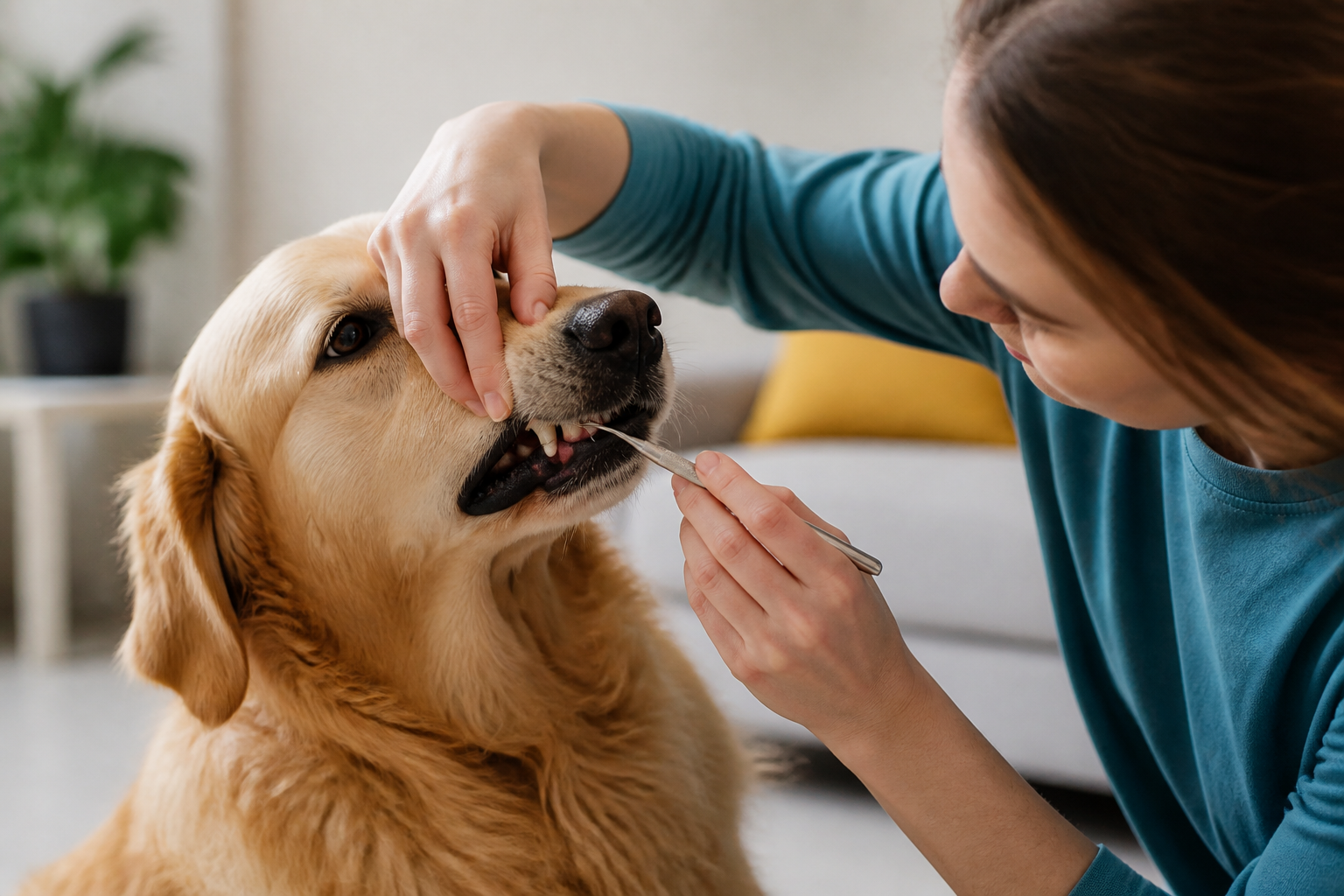
You are enjoying a quiet evening on the couch when your dog leans in for a friendly lick. Instead of a sweet moment, you are met with a puff of breath that smells like a dumpster in mid July. You might notice a hard, brownish crust building up along their gum line. This is tartar, and it does more than just cause bad breath. Many owners look for ways to handle this at home, often wondering how to clean dog teeth with a scraper to avoid a hefty vet bill. At BaxterBoo, we know that dental health is a cornerstone of overall wellness. This guide explores the reality of using dental tools at home, the safety risks involved, and the most effective ways to keep those pearly whites shining. We will help you understand when you can handle cleaning yourself and when it is time to call in a professional.
Quick Answer: While you can buy dental scrapers for home use, they carry significant risks like enamel damage and gum injury. Most experts recommend focusing on daily brushing and enzymatic gels at home while leaving deep scaling to a veterinarian.
Understanding the Difference Between Plaque and Tartar
Before you reach for any tools, you need to know what you are trying to remove. Your dog's mouth is a busy environment. Every time they eat, bacteria and food particles combine to form a sticky, colorless film called plaque.
Plaque is soft. You can wipe it away with a finger or a soft brush. If it stays on the tooth for more than 48 to 72 hours, it reacts with the minerals in your dog's saliva. This process causes the plaque to harden into tartar, also known as calculus. Once plaque turns into tartar, it becomes a cement like substance. It is usually yellow or brown and stays firmly attached to the tooth surface.
Tartar is the primary cause of gingivitis. This is where the gums become red, swollen, and painful. If left alone, tartar eventually works its way under the gum line. This leads to periodontal disease, tooth loss, and potential infections that can spread to the heart or kidneys. For more information about warning signs, read our guide to bad teeth in dogs.
The Reality of Using a Metal Scraper at Home
A dental scraper, or scaler, is a metal tool with a sharp edge designed to pop tartar off the tooth. While these tools are available for purchase, using them on a dog is much harder than it looks.
Most dogs do not like having metal objects scraped against their teeth. Even a calm dog might flinch if the tool hits a sensitive spot. Unlike a human at the dentist, your dog does not understand they need to stay perfectly still. If the dog moves suddenly, the sharp tip of the scraper can easily puncture the gums or the roof of the mouth.
There is also the risk of enamel damage. Dog enamel is thinner than human enamel. If you use too much pressure or use the wrong angle, you can create microscopic scratches on the tooth surface. These scratches actually give bacteria a better place to hide, which makes tartar build up even faster in the future.
Vet Tip: Professional dental cleanings involve scaling both above and below the gum line while the dog is under anesthesia. Cleaning only the visible part of the tooth at home provides a false sense of security because the most dangerous bacteria live hidden beneath the gums.
How to Prepare Your Dog for Oral Handling
You cannot jump straight into cleaning. You must build trust first. Start by gently lifting your dog's lips while they are relaxed. Do this for just a few seconds and follow up with a high value treat.
Once they are comfortable with lip lifting, try rubbing your finger along their gums. You want your dog to view mouth handling as a positive experience. If they pull away or show signs of stress, stop immediately. Try again later with a shorter session. These gradual steps are also covered in our pet dental care tips.
Training the Chin Rest
Teaching a "chin rest" is one of the most helpful things you can do for dental care. It allows you to keep the head steady without using force.
- Hold your palm flat in front of your dog's nose.
- Use a treat to lure their head down until their chin touches your hand.
- Say "Yes" the moment they make contact and give the treat.
- Gradually increase the time they hold their chin in your hand.
Safe Steps for Cleaning Teeth at Home
If you decide to use a scraper for very mild, visible tartar, you must be extremely cautious. It is often better to use a combination of brushing and dental gels first. These soften the tartar over time, making it easier to manage. You can find brushing aids and oral-care products in our dog dental and breath care collection.
Step 1: Gather Your Supplies
You will need a soft bristle toothbrush or a finger brush. Never use human toothpaste. It contains ingredients like xylitol or high levels of fluoride that are toxic to dogs. Use an enzymatic toothpaste formulated for pets. We carry several options at BaxterBoo that come in flavors like poultry or beef to make the process more enjoyable.
Step 2: Soften the Tartar
Before attempting to use any scraper, use a dental spray or gel for several days. Look for products containing enzymes like glucose oxidase. These ingredients help break down the protein bonds that hold tartar to the enamel.
Step 3: Gentle Brushing
Apply the toothpaste to the brush. Move in small, circular motions along the gum line. This is where the most plaque accumulates. If you are consistent with daily brushing, you might find that small pieces of tartar begin to flake off on their own without the need for a metal tool.
Step 4: Using a Scraper (With Caution)
If you must use a scaler, only work on the large, flat surfaces of the side teeth. Hold the tool like a pencil. Place the edge of the scaler against the top of the tartar buildup. Use a gentle, downward motion away from the gum line. Never scrape toward the gums, as a slip will cause a painful injury.
Key Takeaway: Home dental care should focus on prevention rather than major procedures. Daily brushing is the single most effective way to prevent the need for aggressive scraping later in life.
Why Professional Cleanings Matter
Even the best home routine cannot reach every nook and cranny. Veterinarians use ultrasonic scalers that vibrate at high speeds to shatter tartar without damaging the enamel. They also polish the teeth afterward. Polishing smooths out the surface, making it much harder for new plaque to stick.
More importantly, a vet can take X-rays. Many dental issues in dogs happen below the gum line where you cannot see them. A tooth might look clean on the outside but have a painful abscess or bone loss at the root. For broader wellness supplies, explore our dog healthcare category.
Essential Gear for Dog Dental Health
Maintaining a clean mouth requires a variety of tools. While the scraper is a specific tool, it is only one part of a larger kit.
- Finger Brushes: Great for dogs who are intimidated by a standard toothbrush.
- Enzymatic Toothpastes: These continue to work even after you finish brushing.
- Dental Water Additives: These are an easy "set it and forget it" option for busy owners.
- Dental Wipes: Perfect for a quick clean when you do not have time for a full brushing session.
The Role of the BaxterBoo Pharmacy
Sometimes, basic over the counter products are not enough. If your vet diagnoses your dog with advanced dental disease or persistent infections, they might require prescription care. Through our partnership with Pet's Choice, the BaxterBoo pharmacy offers FDA approved medications and prescription dental diets.
Prescription dental foods, like those from Farmina Vet Life or Royal Canin, are designed with a specific kibble structure. The "textural matrix" of the food acts like a toothbrush, scrubbing the teeth as the dog chews. Our pharmacy makes it easy to get these specialized diets delivered directly to your door, ensuring your dog gets the professional support they need for chronic oral health issues.
Bottom line: Combining home brushing with prescription support from our pharmacy provides a comprehensive defense against periodontal disease.
Natural Ingredients That Help
If you are looking to supplement your dog's dental routine, several natural ingredients can help manage bacteria levels in the mouth.
- Coconut Oil: It has natural antimicrobial properties. You can use it as a base for a homemade "toothpaste" or just let your dog lick a small amount.
- Parsley: Mixing fresh parsley into food can help neutralize bad breath.
- Kelp: Some seaweed extracts are proven to change the chemistry of a dog's saliva, making it harder for plaque to calcify into tartar.
Signs Your Dog Needs a Vet Immediately
If you notice any of the following, put the scraper away and call your veterinarian. Attempting to clean a mouth that is already in pain will only result in a bite or a traumatized pet.
- Bleeding Gums: This indicates significant inflammation or infection.
- Loose Teeth: This is a sign of advanced periodontal disease.
- Pawing at the Face: Your dog is likely in constant pain.
- Difficulty Eating: If your dog drops food or only chews on one side, they have a dental emergency.
- Swelling under the Eye: This often points to a tooth root abscess.
Dental Toys and Chews as Preventative Tools
Not every dog is a fan of the toothbrush. For these pets, we recommend a "passive" cleaning approach using toys and treats.
Rubber toys with ridges or nubs, like those from Kong, are excellent for scraping plaque as the dog plays. When the dog bites down, the rubber "massages" the gums and wipes the tooth surface. You can even smear a little pet toothpaste into the grooves of a toy to encourage them to do the cleaning for you.
Dental chews are another popular option. Products like Greenies are designed to be chewy so that the tooth sinks into the treat, providing a mechanical cleaning action. Always supervise your dog with chews to ensure they do not swallow large chunks. Browse our selection of Greenies products for dental chew options.
Mini Checklist for Choosing Dental Chews
- Check for the VOHC (Veterinary Oral Health Council) seal.
- Ensure the size matches your dog's weight.
- Look for low calorie options if your dog is on a weight management plan.
- Avoid extremely hard items like cow hooves or heavy bones, which can fracture teeth.
Long Term Success with Oral Care
Consistency is your best friend. Brushing your dog's teeth once a month will not do much. You should aim for at least three times a week, though daily is the gold standard.
Set a specific time each day for dental care. Many owners find that doing it right before bed or after a walk works best. When it becomes a routine, your dog will stop fighting the process and may even start looking forward to the flavor of their toothpaste. For recurring pet-care purchases, consider the MVP Rewards programme.
Conclusion
While knowing how to clean dog teeth with a scraper is a useful skill, it should never be the only tool in your kit. Using metal tools at home requires a steady hand and a very patient dog. For most owners, a combination of enzymatic cleaners, dental toys, and regular brushing is much safer and more effective. At BaxterBoo, we are committed to helping you navigate every stage of your pet's health. Whether you need a new toothbrush or a prescription diet through our pharmacy, we have the expert curated products to keep your dog's smile healthy. Start a dental routine today and help your dog live a longer, more comfortable life.
Key Takeaway: The best dental care is preventative. Use a mix of mechanical cleaning through toys and chemical cleaning through enzymatic pastes to keep tartar at bay.
FAQ
Can I use a human dental scraper on my dog?
It is not recommended to use human tools because they are not shaped for a dog's specific tooth anatomy. Dog teeth have different angles and curves than human teeth. Using the wrong tool increases the risk of slipping and causing a deep puncture wound in the gums.
Does my dog need to be awake for a dental scraping?
At home, your dog will obviously be awake, which limits how much you can actually clean. True dental scaling that removes bacteria from under the gum line must be done under anesthesia at a veterinary clinic. This is the only way to ensure the dog is comfortable and the cleaning is thorough.
How often should I brush my dog's teeth?
Ideally, you should brush your dog's teeth every single day. Plaque can turn into hard tartar in as little as 36 hours. If daily brushing is not possible, aim for at least three times a week to significantly reduce the risk of gum disease.
Can dental treats replace brushing?
Dental treats are a great supplement, but they cannot replace the mechanical action of a toothbrush. Treats usually only clean the tips of the teeth where the dog chews. Brushing allows you to reach the gum line and the back molars where most dental problems begin.






