
 Save 15% on your 1st Autoship learn more

 Email us
 Live Chat
 FAQs
FAQs





Introduction
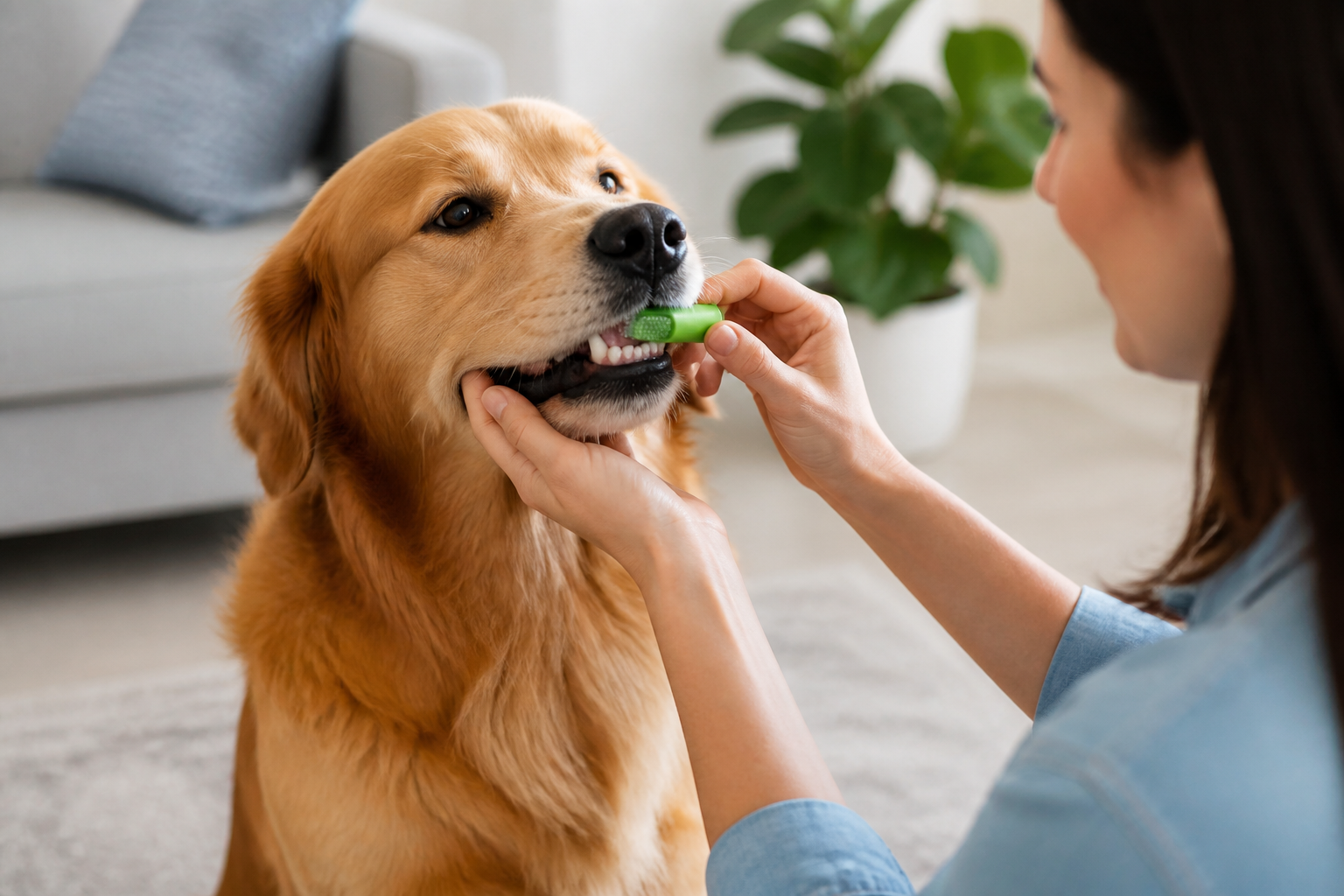
You pull out the doggie toothbrush and your pup suddenly finds a very interesting spot under the couch. Many dog owners face this exact struggle every single day. Brushing is the gold standard for canine dental care, but it is not the only way to keep those pearly whites shining. At BaxterBoo, we know that a stressful grooming routine often becomes a skipped routine. If your dog treats the toothbrush like an enemy, you need practical alternatives that actually work to reduce plaque and tartar. This guide covers the best methods to maintain oral hygiene using dental chews, water additives, specialized diets, and supplements. You can protect your dog from gum disease and bad breath without the nightly wrestling match.
Quick Answer: You can clean a dog's teeth without brushing by using VOHC-approved dental chews, seaweed-based dental powders, and water additives. These methods use mechanical scraping and enzymatic action to break down plaque before it hardens into tartar.
Understanding Plaque and Tartar
To keep a dog's mouth healthy, you must understand what you are fighting. Plaque is a soft, sticky film of bacteria that forms on the teeth within hours of eating. At this stage, it is easy to remove with simple mechanical action or enzymes. If plaque stays on the tooth for more than 48 hours, it mineralizes into tartar. Tartar is the hard, yellow or brown buildup you see at the gumline.
You cannot remove tartar at home with a brush or a chew. Once it hardens, only a professional veterinary cleaning under anesthesia can safely scrape it away. This is why daily prevention is so important. When you look for how to clean dog teeth without brushing, your goal is to disrupt that soft plaque every single day. Consistent use of alternatives is much more effective than brushing once a month. For additional guidance, read about warning signs of dental disease in dogs.
The Power of Dental Powders
Dental powders are perhaps the easiest way to manage oral health for dogs who hate having their mouths touched. You simply sprinkle the recommended dose onto their food once a day. The most effective powders contain a specific type of seaweed called Ascophyllum nodosum. This ingredient works systemically through the saliva to soften existing tartar and prevent new plaque from sticking.
ProDen PlaqueOff Powder Dog and Cat Teeth Care is a leading name in this category. It carries the Veterinary Oral Health Council (VOHC) Seal of Acceptance. This seal is important because it means the product has been through clinical trials to prove it actually reduces plaque and tartar. Because the powder works through the bloodstream and saliva, it reaches every part of the mouth. This includes the back molars and the tiny crevices between teeth that brushes often miss.
Key Takeaway: Dental powders containing seaweed are the best "no-touch" option for dogs who resist all forms of mouth handling because they work through the saliva to prevent plaque buildup.
Using Dental Chews Effectively
Dental chews are the most popular alternative to brushing for a reason. Most dogs view them as a high value treat rather than a medical chore. These chews work through mechanical abrasion. As your dog chews, the texture of the treat scrapes against the surface of the tooth to rub away plaque. You can compare options in our dog dental care category.
When choosing a dental chew, look for products from trusted brands like Greenies, OraVet, or specialized options from Royal Canin. The shape of the chew matters. Effective chews often have ridges, nubs, or a porous texture that allows the tooth to sink in deeply. This ensures the cleaning action reaches all the way down to the gumline.
How to Choose the Right Size
- Small breeds need smaller chews to prevent choking and ensure the texture matches their jaw strength.
- Large breeds require larger, tougher chews so they do not swallow them whole.
- Aggressive chewers may need denser options that last longer than a few seconds.
Step 1: Select a chew based on your dog's current weight. / Using a chew that is too small can be a choking hazard.
Step 2: Supervise the first few sessions. / Watch to ensure your dog is actually chewing the treat rather than gulping it down in large chunks.
Water Additives for Fresh Breath
Water additives are often described as mouthwash for dogs. You add a small, measured amount to your dog's water bowl each time you refill it. These solutions typically contain enzymes or ingredients like chlorine dioxide that help kill oral bacteria. They are excellent for freshening breath and reducing the overall bacterial load in the mouth. Explore our dog dental and breath care selection for water additives and other oral-care options.
While water additives are very convenient, they are best used as a supplement to other methods. They do not provide the mechanical scraping that a chew or a brush offers. However, for senior dogs or pets with sensitive gums, a water additive provides a gentle way to slow down plaque formation. Most formulas are odorless and tasteless, so even picky dogs will continue to drink their water normally.
Prescription Dental Diets
Sometimes a standard kibble is not enough to keep teeth clean. Some dogs are genetically prone to dental issues, particularly small breeds with crowded teeth. In these cases, a prescription dental diet can make a significant difference. These foods are designed with a specific fiber matrix that does not crumble immediately when the dog bites down. Instead, the tooth sinks into the kibble, which scrubs the surface of the tooth.
Our pharmacy carries a variety of these specialized foods through our partnership with Pet's Choice. Brands like Farmina Vet Life, Royal Canin, and Hill's offer dental formulas that require a veterinary prescription. These diets are formulated to be nutritionally complete while providing daily oral therapy. If you notice your dog has persistent red gums or fast tartar buildup, ask your vet if a prescription diet is the right next step.
Vet Tip: If your dog has severe bad breath, loose teeth, or bleeding gums, consult your veterinarian before starting a new dental routine. These can be signs of advanced periodontal disease that requires professional treatment rather than just at-home cleaning.
Dental Toys and Natural Scrapers
Playtime can double as cleaning time if you provide the right toys. Look for rubber or nylon toys with built-in textures like nubs, ridges, or bristles. When a dog gnaws on these toys, the friction helps clear away food debris and plaque. Kong toys are excellent for this, especially when filled with a pet-safe spread that encourages prolonged licking and chewing. For more ideas, explore our dog dental treats.
Natural options can also help. Raw carrots are a healthy, low-calorie snack that provides a satisfying crunch. The firm texture of a whole carrot acts as a mild abrasive on the teeth. Slices of apple can also help, though you should always remove the seeds and core. Avoid very hard items like cooked bones, antlers, or heavy nylon bones. These are often harder than the tooth enamel itself and can cause painful tooth fractures.
Dental Wipes and Finger Brushes
If your dog allows some mouth handling but hates the long handle of a traditional toothbrush, dental wipes are a great middle ground. These are pre-moistened pads that you wrap around your finger. You then rub the pad along the outer surfaces of the teeth and gums. For more general oral-care guidance, see these pet dental care tips.
Wipes allow you to feel exactly where you are cleaning. They are much less intimidating for a dog than a bristled brush. Because many wipes are flavored with mint or poultry, dogs often tolerate them well. While they do not reach into the deep grooves of the molars as well as a brush, they are very effective at cleaning the smooth surfaces where plaque often starts.
Signs of Dental Disease in Dogs
Even with the best no-brush routine, you should regularly check your dog's mouth for signs of trouble. Caught early, many dental issues are manageable. Left alone, they can lead to infections that travel to the heart, liver, and kidneys.
- Persistent bad breath that smells like rot or ammonia.
- Red, swollen, or bleeding gums.
- Yellow or brown crust near the gumline.
- Missing or loose teeth.
- Difficulty eating or dropping food.
- Excessive drooling.
If you see these symptoms, it is time for a professional exam. At BaxterBoo, we emphasize that at-home care is about prevention, not a cure for existing disease. A healthy mouth should have pink gums and white teeth without any significant odor.
Building a Consistent Routine
The secret to cleaning dog teeth without brushing is layering your methods. One single product might not do the job, but a combination of two or three can be very effective. A simple daily routine ensures that plaque never has the chance to sit still long enough to harden. The guide to the best dental chews for dogs can help you compare chew types.
A sample routine might look like this:
- Daily: Add a dental powder like PlaqueOff to their breakfast.
- Daily: Add a water additive to their main water bowl.
- Three times a week: Give a VOHC-approved dental chew in the evening.
- Weekly: Do a quick "lip flip" to check for any redness or new buildup.
Consistency is more important than perfection. If you forget the water additive one day, just start again the next. The goal is to make dental care a normal, stress-free part of your dog's life.
Bottom line: Combining a daily dental powder with a few dental chews per week provides a powerful defense against plaque without the stress of brushing.
Why Professional Cleanings Still Matter
No matter how diligent you are with at-home care, most dogs will eventually need a professional cleaning. Think of it like your own dental habits. You brush and floss every day, but you still go to the dentist for a deep cleaning twice a year. Your dog's mouth is no different.
During a professional cleaning, the vet can see what is happening under the gumline using X-rays. They can find hidden pockets of infection or bone loss that are invisible from the outside. Using professional tools, they remove the hardened tartar that chews and powders cannot touch. Your at-home routine makes these professional cleanings easier, faster, and less frequent.
Avoiding Dangerous Dental Myths
There are many myths about dog dental care that can actually be harmful. One common myth is that dry kibble alone keeps teeth clean. While some kibbles are better than others, standard dry food usually crumbles too quickly to provide real cleaning. Another myth is that giving your dog hard bones or antlers is the best way to scrape teeth. As mentioned earlier, these items are a leading cause of broken teeth in dogs.
Finally, never use human toothpaste on a dog. Human toothpaste contains fluoride and often xylitol, both of which are toxic to dogs. If you decide to try a finger brush or wipe, always use a pet-safe enzymatic paste. These pastes are designed to be swallowed and use enzymes to break down organic matter in the mouth.
Conclusion
Cleaning your dog's teeth does not have to be a daily battle. By using a combination of dental powders, VOHC-approved chews, and water additives, you can maintain excellent oral health without ever picking up a toothbrush. These methods work with your dog's natural behaviors, like eating and chewing, to keep plaque at bay.
Key Takeaways:
- Plaque turns into tartar within 48 hours, making daily prevention vital.
- Dental powders work systemically through saliva to soften buildup.
- Dental chews provide necessary mechanical scrubbing through play.
- Prescription diets from our pharmacy offer a medical-grade solution for prone breeds.
The most important step is to start today. Whether you choose a simple water additive or a high-quality dental chew, your dog will benefit from the extra care. Visit our dog dental care category to explore oral-care products or browse our dental treats to find the perfect match for your pup.
FAQ
Is it really possible to keep a dog's teeth clean without brushing?
Yes, you can maintain good oral health using a combination of VOHC-accepted dental chews, water additives, and dental powders. These products use mechanical action and enzymes to disrupt plaque before it hardens into tartar. However, if your dog already has significant tartar buildup, a professional cleaning is usually necessary before these methods become effective.
How often should I give my dog dental chews?
Most manufacturers recommend one dental chew per day for maximum effectiveness. This provides a daily mechanical cleaning that helps rub away the plaque formed from their meals. Always follow the specific packaging instructions for your dog's weight to avoid overfeeding and ensure the chew is the correct size for safety.
Do water additives for dogs actually work?
Water additives are effective at reducing oral bacteria and freshening breath, but they work best as part of a multi-pronged approach. They lack the mechanical scrubbing power of chews or brushing, so they should be paired with a textured treat or a dental powder. They are an excellent "passive" care option for dogs who are very resistant to having their mouths handled.
What is the VOHC seal and why does it matter?
The Veterinary Oral Health Council (VOHC) seal is awarded to pet products that meet strict protocols for reducing plaque and tartar in clinical trials. Many products claim to clean teeth, but only those with the VOHC seal have provided independent data to prove they work. Looking for this seal helps you choose products that offer a real health benefit rather than just a marketing claim.






