
 Save 15% on your 1st Autoship learn more

 Email us
 Live Chat
 FAQs
FAQs





Introduction
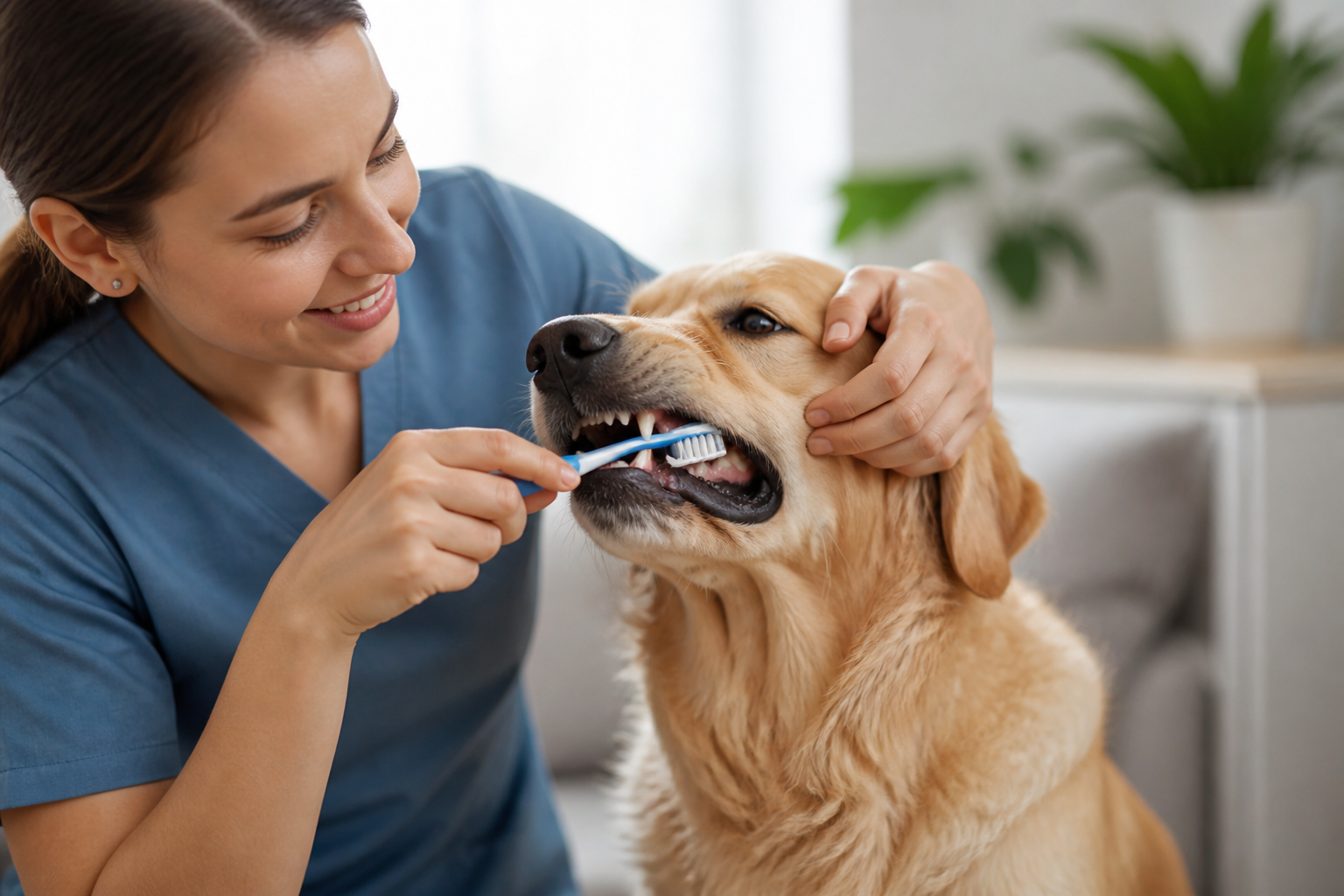
You lean in for a happy morning nuzzle only to be met with a cloud of "dog breath" that makes you recoil. Many owners think smelly breath is just a natural part of being a dog. However, it is often the first sign of plaque buildup and gum irritation. At BaxterBoo, we know that dental care is one of the most overlooked parts of pet parenting. Learning how to clean dogs teeth and gums is about more than just fresh breath. It is about preventing painful infections and supporting long-term health. This guide will walk you through the best tools, the easiest techniques, and the signs that your dog needs professional help. Consistent home care is the foundation of a happy, pain-free life for your pup.
Quick Answer: Clean your dog's teeth using a pet-safe toothbrush and enzymatic toothpaste at least three times per week. Focus on the gumline with gentle circular motions to remove plaque before it hardens into tartar.
Why Dental Hygiene Is Critical for Dogs
Dental health affects more than just the mouth. When bacteria grow unchecked on the teeth and gums, they can enter the bloodstream. This can lead to serious issues with the heart, liver, and kidneys. Most dogs show some sign of dental disease by age three. This usually starts with plaque, which is a soft, sticky film of bacteria. If you do not remove plaque within 24 to 48 hours, it hardens into tartar.
Tartar is a brownish-yellow substance that bonds to the tooth enamel. You cannot brush tartar away at home. It requires professional scaling by a veterinarian. If tartar stays on the teeth, it pushes under the gumline. This causes inflammation known as gingivitis. Eventually, the structures supporting the teeth break down. This leads to tooth loss and chronic pain.
Key Takeaway: Plaque turns into tartar in less than two days. Regular cleaning is the only way to stop this cycle and protect your dog's internal organs from bacterial spread.
Gathering Your Dental Cleaning Supplies
You should never use human toothpaste for your dog. Human products often contain xylitol, which is a sweetener that is highly toxic to dogs. They also contain foaming agents that can upset a dog’s stomach. Pet-specific toothpaste is designed to be swallowed. It also comes in flavors dogs love, like poultry, beef, or peanut butter.
The right brush makes a big difference. You have several options depending on your dog’s comfort level:
- Standard Pet Toothbrush: These look like human brushes but have angled heads to reach back molars.
- Finger Brushes: These silicone caps fit over your pointer finger. They offer more control for smaller mouths or wiggly dogs.
- Double-Headed Brushes: These clean the inside and outside of the tooth at the same time.
- Gauze or Dental Wipes: These are best for dogs who are terrified of a brush. They allow you to wipe away surface plaque manually.
We carry a wide variety of these supplies from trusted brands like KONG and Nylabone. Having the right tools on hand makes the process less stressful for both of you.
How to Clean Dogs Teeth and Gums: A Step-by-Step Guide
Do not expect to do a full cleaning on the first day. Most dogs need time to get used to the sensation of someone touching their mouth. Patience is your most valuable tool.
Step 1: The Taste Test
Start by letting your dog lick a small amount of pet toothpaste off your finger. This builds a positive association with the flavor. Do this for a few days without even showing them the brush.
Step 2: Touch the Gums
Once they like the toothpaste, start rubbing your finger along their gums. Lift the upper lip and apply gentle pressure. Reward them with praise or a small treat afterward. You want them to feel comfortable with their mouth being handled.
Step 3: Introduce the Brush
Put some toothpaste on the brush and let them lick it off. Gradually move the brush against the front teeth. Use a 45-degree angle toward the gumline. This is where the most bacteria hide. Use small, circular motions. Focus on the outside of the teeth, as the tongue usually helps keep the inside surfaces cleaner.
Step 4: Work Toward the Back
The back molars are the "trouble spots" where tartar builds up fastest. Once your dog is calm with the front teeth, slowly work your way back. If they get stressed, stop and try again tomorrow. It is better to do a partial cleaning than to make them fear the routine.
Vet Tip: If you notice bleeding gums, persistent bad breath, or loose teeth during cleaning, stop and call your vet. These are signs of advanced dental disease that require professional treatment rather than just home brushing.
For additional guidance, review these pet dental care tips.
Using Dental Chews and Toys as Support
Brushing is the gold standard, but it is not the only way to help. Dental chews and specialized toys provide mechanical scrubbing as your dog plays. When a dog chews, the friction helps scrape away soft plaque.
Look for treats that carry the Veterinary Oral Health Council (VOHC) seal. This seal means the product has been tested and proven to reduce plaque or tartar by a certain percentage. Brands like Greenies are popular for this reason. Rubber toys with ridges or "nubs" also help. As the dog's teeth sink into the rubber, the ridges rub against the tooth surface.
Chewing also stimulates saliva production. Saliva contains natural enzymes that help neutralize the acids produced by bacteria. However, remember that chews add calories to your dog's diet. Always supervise your dog with chews to prevent choking or the swallowing of large pieces.
Browse our dog dental treats for chews and treats suited to different dogs.
Water Additives and Oral Sprays
For dogs that simply will not tolerate a toothbrush, water additives are a great supplement. These are tasteless liquids you pour into your dog's water bowl. They contain enzymes that break down the biofilm on the teeth. This makes it harder for plaque to stick.
Oral sprays work similarly. You spray them directly onto the teeth and gums. They are particularly useful for freshening breath quickly. While these products are helpful, they are not a substitute for brushing. Think of them as a "mouthwash" for dogs. They work best when used alongside other cleaning methods.
Bottom line: Water additives and dental sprays are excellent for reducing bacteria levels, but they cannot remove physical buildup like a brush or a textured chew can.
You can find toothpaste, gels, and other options in our dog dental care category.
The Role of Diet in Oral Health
What your dog eats impacts their dental hygiene. There is a common belief that all dry kibble cleans teeth. While kibble is better than soft canned food for dental health, most standard kibble crumbles too quickly to provide much scrubbing.
Specialized dental diets are different. These kibbles are larger and have a fibrous texture. Instead of shattering, the tooth sinks into the kibble, which wipes the surface. We provide access to these specialized options through our pharmacy. Through our partnership with Pet's Choice, we offer FDA-approved prescription pet foods like Farmina Vet Life. These diets are specifically formulated for pets with chronic health needs, including advanced dental concerns.
Recognizing the Signs of Gum Disease
Even with the best home care, problems can arise. You should check your dog's mouth once a week for "red flags." Healthy gums should be a vibrant pink color. If they look bright red, purple, or have a red line along the tooth, your dog likely has gingivitis.
Other signs of trouble include:
- Yellow or brown crust near the gumline
- Receding gums (where the tooth looks longer than usual)
- Drooling more than normal
- Pawing at the face or mouth
- Dropping food while eating
- Blood on chew toys or in the water bowl
If your dog stops wanting to eat hard kibble or only chews on one side of their mouth, they are likely in pain. Dogs are very good at hiding dental pain, so these behavioral changes are often the only clues we get.
Read more about warning signs of bad teeth in dogs.
When to Seek Professional Veterinary Care
Home cleaning is preventive. It cannot cure an existing infection or remove hardened tartar. Most dogs need a professional veterinary cleaning every one to two years. Some smaller breeds, like Chihuahuas or Poodles, may need them more often because their teeth are crowded, which traps more debris.
A professional cleaning is done under general anesthesia. This is necessary because it allows the vet to clean deep under the gumline. It also allows them to take dental X-rays. X-rays are vital because up to 60 percent of dental disease happens below the visible gumline. You cannot see an abscessed root or bone loss just by looking in the mouth.
Our pharmacy can help you manage the follow-up care after a professional cleaning. If your vet prescribes antibiotics for a mouth infection or pain medication after an extraction, we can fulfill those prescriptions through our Pet's Choice partnership. This ensures your pet gets the exact FDA-approved medication they need for a smooth recovery.
Making Dental Care a Habit
The key to success is consistency. Brushing once a month does very little. Aim for at least three times a week, though daily is best. Tie the routine to something you already do. For example, brush their teeth right before you go for your evening walk.
If you are a new BaxterBoo customer, you can save on your first order of dental supplies. We offer a $10 reward on your first order of $39 or more when you are signed in at checkout. You can also join the MVP Rewards program to earn up to 5 percent back on your purchases. This makes it easier to stay stocked up on the toothpaste and chews your dog needs.
Using our Autoship program is another smart way to stay consistent. You can have your dog's favorite dental treats and toothpaste delivered on a schedule. This ensures you never run out and gives you a discount on your orders. Plus, you get a free MVP Gold membership with your first Autoship order.
Learn how our Autoship program can help you maintain a regular supply of dental products.
Practical Tips for Success
If you are struggling to start a routine, try these quick tips:
- Keep it short: A 30-second session is better than no session at all.
- Stay calm: Dogs pick up on your stress. If you are frustrated, they will be too.
- Use a headlamp: If it is hard to see into your dog's mouth, a small light can help you spot tartar buildup.
- Vary the rewards: Use a favorite toy as a reward if your dog is on a calorie-restricted diet.
Every dog is different. Some will eventually enjoy the taste of the toothpaste and sit calmly. Others will always be a bit wiggly. The goal is not perfection. The goal is to reduce the bacterial load in their mouth as much as possible to keep them healthy.
Key Takeaway: A multi-pronged approach using brushing, dental chews, and regular vet checkups is the most effective way to prevent periodontal disease and tooth loss.
Conclusion
Learning how to clean dogs teeth and gums is one of the best things you can do for your pet's quality of life. By starting slowly and using the right supplies, you can turn a chore into a bonding moment. Remember that while home care is essential, it works best alongside professional veterinary support. Our BaxterBoo team is here to help you find the right brushes, treats, and prescription diets to keep that smile bright. For the best results, combine your at-home efforts with the professional resources available through our pharmacy and regular veterinary visits.
- Start brushing at least three times a week with pet-safe toothpaste.
- Use VOHC-approved dental chews to help manage plaque daily.
- Monitor your dog's gums for redness, swelling, or bleeding.
- Consult your vet for professional cleanings and prescription needs.
Check out our dog dental care selection to find everything you need to start your dog's new hygiene routine today.
FAQ
Can I use a human toothbrush on my dog?
Yes, you can use a human toothbrush as long as the bristles are soft. A child-sized toothbrush is often a great fit for smaller dogs because the head is compact. However, pet-specific brushes are usually angled better to reach the difficult spots in a dog's mouth. Never use human toothpaste, as it contains ingredients that are toxic to pets.
How do I know if my dog's gums are healthy?
Healthy gums should be a light, consistent pink color and feel firm to the touch. They should not be swollen or cover too much of the tooth. If you see a dark red or purple line where the gum meets the tooth, this is a sign of inflammation. Gums that bleed easily when touched or during play also indicate that your dog needs a dental evaluation.
Is it too late to start cleaning my senior dog's teeth?
It is never too late to start, but you should have a vet check their mouth first. Senior dogs are more likely to already have tartar buildup or painful loose teeth. Brushing a tooth that is already infected can cause significant pain. Once your vet has performed a professional cleaning and addressed any issues, you can start a home routine to maintain those results.
Do dental wipes work as well as brushing?
Dental wipes are a good alternative for dogs who will not tolerate a brush, but they are not quite as effective. A brush has bristles that can reach into the tiny crevices of the teeth and slightly under the gumline. Wipes only clean the flat surfaces they touch. If you must use wipes, try to use them daily and combine them with dental chews for better results.






