
 Save 15% on your 1st Autoship learn more

 Email us
 Live Chat
 FAQs
FAQs





Introduction
You are staring at a toothbrush. Your dog is staring at the exit. This daily standoff is a common reality for many pet owners who want to do the right thing but struggle with a pet that treats a toothbrush like a mortal enemy. At BaxterBoo, we know that oral hygiene is about more than just fresh breath. It is a cornerstone of your dog's overall health and longevity. While traditional brushing is a high standard for plaque removal, it is only effective if it actually happens.
For a dog that resists mouth handling, a consistent no-brush routine is far more effective than a stressful, irregular attempt with a brush. This post covers science-backed alternatives including dental powders, specialized chews, and prescription diets that work to keep your dog's mouth healthy. By understanding how plaque forms and how various products disrupt it, you can build a stress-free dental plan that fits your lifestyle and your dog's personality.
The Reality of Canine Dental Disease
Dental health is one of the most frequently overlooked areas of pet care. By age three, most dogs show some signs of periodontal disease. This begins with plaque, a sticky film of bacteria that forms on the teeth within hours of eating. If plaque is not disrupted, it reacts with minerals in the saliva to form tartar. Tartar is the hard, yellow or brown buildup you see at the gumline.
Unlike plaque, tartar cannot be removed with a toothbrush or a chew. It requires professional scaling. When tartar builds up, it provides a surface for even more bacteria to grow. This leads to gingivitis, which is inflammation of the gums. Over time, the bacteria can migrate under the gumline. This destroys the structures that hold the teeth in place. It also allows bacteria to enter the bloodstream, which may impact the heart, liver, and kidneys.
Quick Answer: You can effectively clean a dog's teeth without brushing by using VOHC-accepted dental powders, mechanical dental chews, and prescription oral care diets. These methods work through a combination of chemical disruption and physical abrasion to reduce plaque before it hardens into tartar.
Understanding the VOHC Seal
When you look for dental products, you will often see the Veterinary Oral Health Council (VOHC) Seal of Acceptance. This is an important trust signal for pet owners. The VOHC is an independent group of veterinary dental scientists. They do not perform their own testing. Instead, they review the data from clinical trials provided by manufacturers.
To earn the seal, a product must prove it reduces plaque or tartar by at least 20 percent in controlled studies. Many products on the market claim to clean teeth, but only those with the VOHC seal have independent evidence to back them up. When selecting a no-brush method, look for this seal on the packaging to ensure you are spending your money on something that genuinely works.
Using Dental Powders for Total Ease
Dental powders are perhaps the easiest way to manage oral health for dogs that refuse to have their mouths touched. Most of these powders use a specific type of seaweed called Ascophyllum nodosum. This kelp is harvested from cold North Atlantic waters. It works systemically rather than just through contact.
When your dog eats the powder mixed with their food, the compounds in the seaweed are absorbed into the bloodstream. They then come out in the saliva. These compounds break down the biofilm of plaque and prevent new plaque from sticking to the teeth. Over several weeks, existing tartar may even become softer and easier to remove through chewing.
This method requires zero mouth handling. You simply add a small scoop to your dog's morning meal. Brands like ProDen PlaqueOff are well known for this approach and carry the VOHC seal. A product such as ProDen PlaqueOff Powder Dog and Cat Teeth Care can be a starting point for senior dogs or nervous rescues that are not ready for more invasive care.
Key Takeaway: Dental powders containing seaweed work through the saliva to disrupt plaque across the entire mouth, making them the best choice for dogs that resist all forms of mouth handling.
The Power of Mechanical Dental Chews
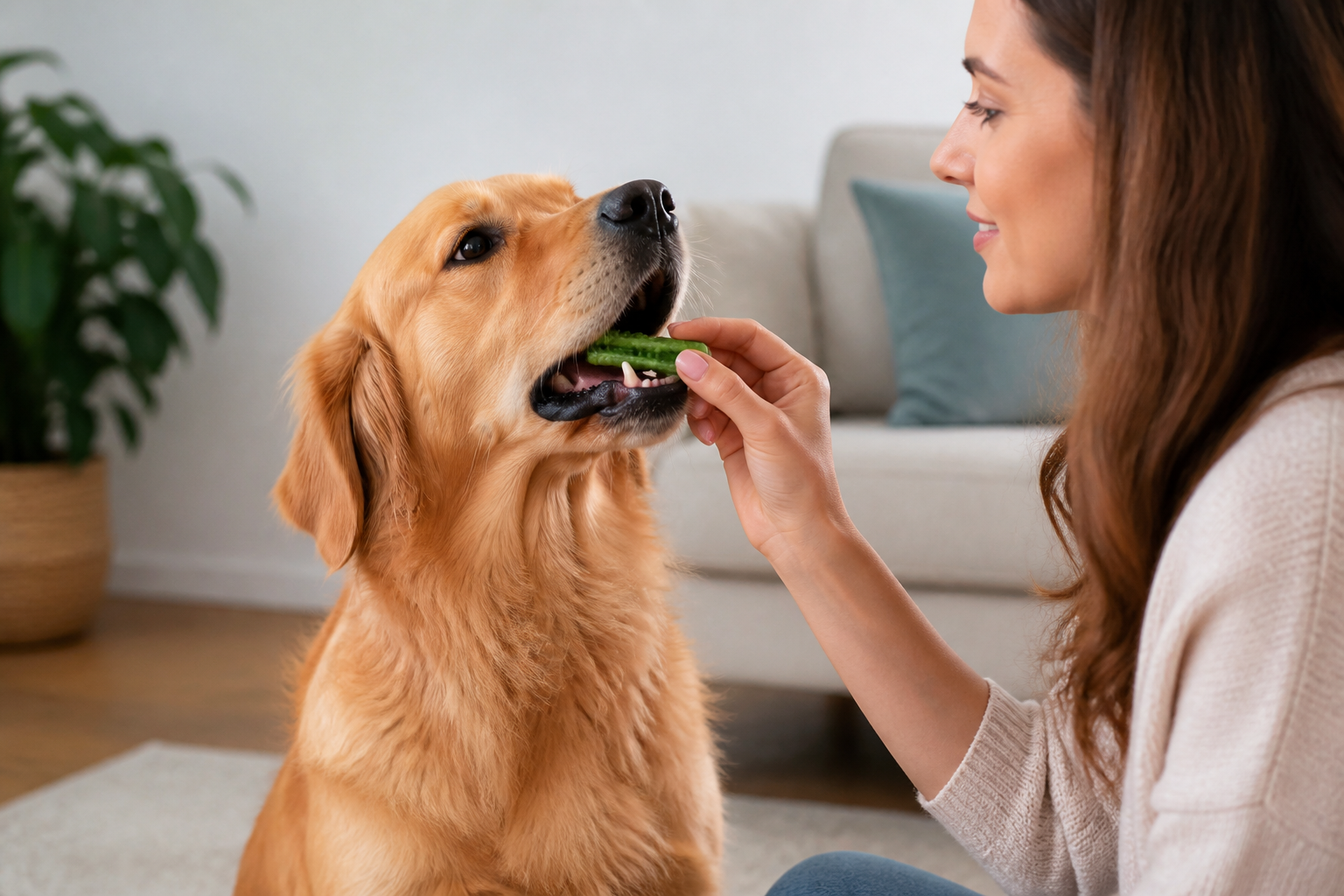
Dental chews are the most popular alternative to brushing. They work through mechanical abrasion. As your dog bites down, the texture of the chew scrapes against the surface of the tooth. To be effective, a chew must be the right size and texture. If a dog gulps a chew in two seconds, it will not provide enough friction to clean the teeth.
- Texture matters: The chew should be firm enough to provide resistance but flexible enough that the tooth sinks into it.
- Size matters: Choose a chew matched to your dog's weight. A chew that is too small is a choking hazard, while one that is too large may add too many calories to the diet.
- Ingredients: Some chews also contain enzymatic ingredients or polyphosphates that help prevent plaque from mineralizing into tartar.
You can compare options in our dog dental treats collection. We carry several trusted brands like Greenies and Cosequin that offer dental support. Always supervise your dog with a new chew to ensure they are chewing it thoroughly rather than trying to swallow large pieces.
For more ideas, explore this guide to the best dental chews for dogs.
Water Additives and Oral Rinses
Water additives are liquid solutions you add to your dog's daily drinking water. They are usually tasteless and odorless. These additives typically contain enzymes or antibacterial agents like chlorhexidine or stabilized chlorine dioxide.
These ingredients work by lowering the bacterial load in the mouth. While they are very convenient, they are generally less effective as a standalone treatment compared to powders or chews. They do not provide the mechanical scraping needed to remove thick plaque. However, they are an excellent supplemental tool. If you have a multi-dog household, our dog dental care category includes water additives and other oral-care options.
Prescription Dental Diets and the Pharmacy
For dogs prone to rapid tartar buildup or those with a history of dental issues, a prescription dental diet is often the most powerful tool available. These are not standard over-the-counter kibbles. They are formulated with a specific fiber matrix. In regular kibble, the nugget usually shatters the moment a dog's tooth hits it. In a dental diet, the kibble is designed to hold together, forcing the tooth to penetrate the nugget. This acts like a squeegee for the tooth surface.
These diets also contain minerals that bind calcium in the saliva. This prevents the calcium from hardening plaque into tartar. Because these are therapeutic foods, they require a recommendation from your veterinarian.
Our pharmacy provides access to specialized foods and prescription support. We carry brands like Royal Canin, Hill's, and Farmina Vet Life that offer targeted formulas. If your vet suggests a transition to a dental diet, we can help facilitate the prescription and delivery through our pharmacy service. This is a practical next step for owners of small breeds, such as Yorkies or Chihuahuas, which are genetically predisposed to dental disease.
Vet Tip: If you notice red gums, a foul odor that goes beyond normal dog breath, or your dog dropping food, consult your veterinarian. These can be signs of painful infections or abscesses that require medical intervention rather than just at-home cleaning.
For additional guidance on warning signs, read what to do when your dog has damaged teeth.
Dental Wipes and Finger Brushes
If your dog allows you to touch their muzzle but hates the long handle and bristles of a toothbrush, dental wipes are a great middle ground. These are pre-moistened pads that you wrap around your finger. They allow you to feel exactly where you are cleaning.
Wipes work by physically wiping away the daily film of plaque. Many are textured to help with the scrubbing action and are flavored with mint or poultry to make the experience more pleasant. A product such as TrueBlue Fast & Fresh Dog Dental Wipes can provide a finger-based alternative to a plastic brush.
How to Introduce Dental Wipes
Step 1: Let your dog lick the wipe. / This introduces the flavor and the texture in a non-threatening way.
Step 2: Gently rub one front tooth. / Use a light circular motion for just a few seconds, then stop and provide praise.
Step 3: Gradually move toward the back molars. / These are the areas where the most tartar builds up, so they are the most important to reach.
The Role of Toys and Raw Vegetables
Some toys are designed specifically to assist with oral hygiene. Rubber toys with nubs or grooves can help massage the gums and scrape the teeth as the dog plays. For dogs that are high-energy chewers, a durable toy like those from Kong can be stuffed with a dental-friendly treat to encourage long chewing sessions.
Raw vegetables can also offer a bit of help. A cold, raw carrot is a low-calorie snack that provides a satisfying crunch. While a carrot is not a replacement for a VOHC-accepted product, the firm texture can help scrape away some surface debris.
Avoid very hard items like cooked bones, antlers, or nylon bones. While they might seem like they would "scrape" the teeth well, they are often harder than the tooth enamel itself. This frequently leads to fractured teeth, which are painful and expensive to treat. If a toy is too hard for you to make a dent in it with your fingernail, it might be too hard for your dog's teeth.
Identifying Signs of Dental Trouble
No-brush methods are preventative. They are designed to keep a healthy mouth clean. They cannot "cure" a mouth that is already suffering from advanced disease. It is important to know when home care is not enough.
- Halitosis: Persistent, very bad breath is usually a sign of a bacterial infection.
- Gingivitis: A thin red line along the gumline indicates inflammation.
- Difficulty eating: If a dog shifts food to one side of the mouth or stops eating hard kibble, they may have a painful tooth.
- Bleeding: You might see blood on a chew toy or in the water bowl.
- Facial swelling: This can indicate a root abscess, which is a veterinary emergency.
Regular checkups at your vet's office are essential. Even with the best at-home care, most dogs will eventually need a professional cleaning under anesthesia. Anesthesia allows the vet to clean under the gumline where home methods cannot reach. It also allows for X-rays to check for bone loss or hidden infections.
For broader guidance, review the top pet dental care tips.
Building a No-Brush Routine
Consistency is the secret to success. Plaque hardens into tartar quickly, so your routine needs to be daily. You do not have to do every method every day. Instead, choose a combination that works for your dog's habits.
- The Base: Use a daily dental powder in their food. This provides 24/7 protection through the saliva.
- The Reward: Give a VOHC-accepted dental chew three to four times a week. This provides the mechanical scrubbing needed for the larger teeth.
- The Supplement: Use a water additive daily if you have a multi-pet home or if your dog is particularly prone to bad breath.
- The Check: Once a week, lift your dog's lips to look for any new redness or buildup.
At BaxterBoo, we have been helping pet owners navigate these choices since 2006. Our curated selection of over 500 brands ensures you can find the right tools for your specific dog. Whether you are managing a senior dog's oral health or starting a puppy on the right path, we focus on providing quality products that deliver real value.
Bottom line: A consistent routine of dental powders and chews is far better for your dog's health than an occasional, stressful attempt at brushing.
Why Quality Matters in Dental Care
It can be tempting to buy the cheapest dental treats available, but quality matters. Some bargain treats are high in sugar or starches, which can actually feed the bacteria that cause plaque. Others may be so hard that they risk breaking teeth.
When you shop with us, you are choosing products handpicked by people who care about pets. We look for items with transparent ingredient lists and proven track records. Our MVP Rewards program also helps you earn points on these essential daily items, making it easier to maintain a consistent routine without overpaying.
If your dog has specialized needs, remember to take advantage of our pharmacy service for any prescription requirements. From chronic allergy management to dental health, having a one-stop shop for both gear and pharmacy needs makes pet care simpler.
Conclusion
Cleaning your dog's teeth without brushing is not just possible; it is a highly effective way to manage oral health for most pets. By layering different methods like dental powders, mechanical chews, and specialized diets, you can significantly reduce the risk of periodontal disease. Remember that home care is a preventative tool meant to complement professional veterinary checkups. If your dog needs specific medical support, our pharmacy is ready to help with prescription diets and FDA-approved medications. Start by choosing one or two methods your dog enjoys, and stay consistent. Your dog will reward you with a healthier mouth and a happier life.
Explore our collection of dental care products today and consider signing up for our Autoship programme to ensure you never run out of your dog's favorite dental chews.
FAQ
Can a water additive replace the need for brushing?
A water additive is a helpful supplement, but it is rarely enough to keep teeth clean on its own. It works well to freshen breath and reduce some bacteria, but it lacks the mechanical action needed to scrape plaque off the tooth surface. For the best results, use a water additive alongside dental chews or a dental powder.
Are all dental chews safe for every dog?
Not all chews are created equal, and safety often depends on the dog's chewing style. "Gulping" dogs might try to swallow large pieces, which can cause choking or intestinal blockages. Always choose a chew sized correctly for your dog's weight and supervise them until you are confident in how they handle the treat.
How long does it take to see results from no-brush methods?
Most no-brush methods, especially dental powders and prescription diets, take about three to eight weeks of daily use to show visible results. You may first notice an improvement in your dog's breath, followed by a reduction in the film on their teeth. Consistency is the most important factor in seeing these improvements.
Is it normal for a dog's breath to smell a little bit?
While "dog breath" is a common term, a healthy dog's mouth should not have a strong or offensive odor. A sharp, fishy, or rotting smell is usually a sign of bacterial buildup or infection. If no-brush methods do not improve the smell within a few weeks, it is time to schedule a professional dental exam with your veterinarian.






