
 Save 15% on your 1st Autoship learn more

 Email us
 Live Chat
 FAQs
FAQs





Introduction
You are sitting on the couch when your dog leans in for a friendly lick. Instead of affection, you are met with a wave of bad breath that makes you recoil. This common moment is often the first sign that your pet needs dental care. At BaxterBoo, we know that keeping those pearly whites clean is about more than just fresh breath. It is a vital part of helping your pet live a longer and more comfortable life. This guide covers the right tools, the best techniques, and how to make the process easy for both of you. Learning how to clean my dog's teeth is one of the most impactful things you can do for their health.
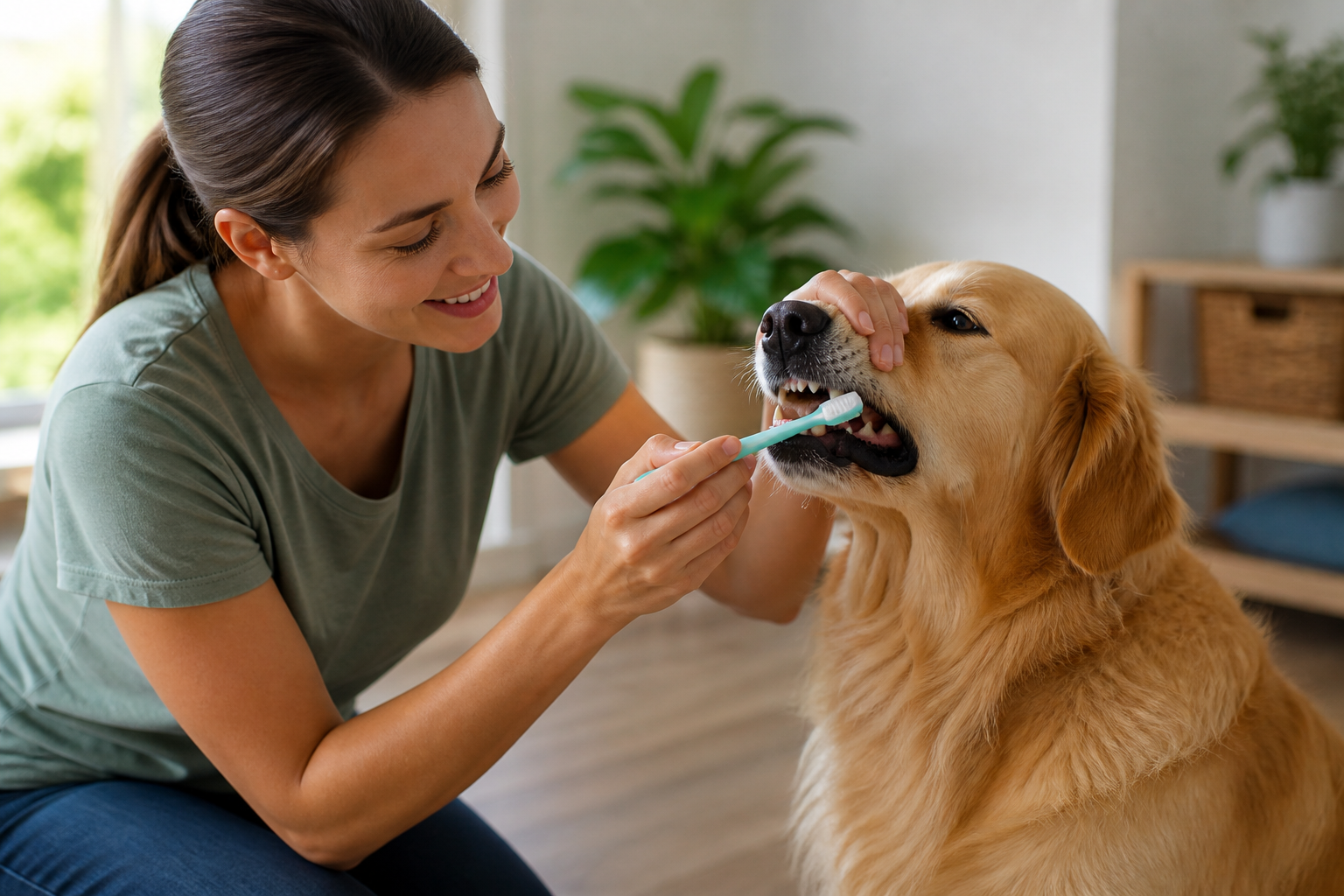
Quick Answer: Clean your dog's teeth by using a dog-specific toothbrush and enzymatic toothpaste daily. Gently lift the lips and brush the outer surfaces of the teeth in circular motions to remove plaque before it hardens into tartar.
Why Dog Dental Health Matters
Most pet owners do not realize that dental hygiene affects the entire body. When a dog develops periodontal disease, bacteria do not stay in the mouth. They can enter the bloodstream and travel to the heart, liver, and kidneys. This can cause long term damage and shorten a dog's lifespan. By age three, nearly 80 percent of dogs show some signs of gum disease.
Preventive care at home is the best way to avoid expensive veterinary procedures. Brushing removes plaque, which is the soft, sticky film that forms after eating. If plaque stays on the teeth for more than 24 to 48 hours, it begins to harden into tartar. Once tartar forms, you cannot brush it away. It requires a professional cleaning under anesthesia to remove.
Key Takeaway: Regular at-home brushing can add years to your dog’s life by preventing systemic infections and painful gum disease.
Essential Supplies for Success
Before you begin, you need the right tools. Human products are not safe for dogs. At BaxterBoo, we emphasize using items specifically designed for canine anatomy and safety.
Choose the Right Toothpaste
Never use human toothpaste. It often contains xylitol, which is a sugar substitute that is highly toxic to dogs. Human toothpaste also contains foaming agents that are meant to be spat out. Dogs do not know how to spit, so they will swallow the paste. Dog-specific toothpaste is non-foaming and safe to swallow. It also comes in flavors like poultry, beef, or peanut butter to make the experience more enjoyable for your pet.
For a ready-to-use option, consider the OxyFresh Pet Dental Gel Toothpaste, which can be applied with a finger brush or along the gum line.
Select a Toothbrush
You have several options when it comes to brushes. A standard dog toothbrush has a long, angled handle to reach the back molars. A finger brush is a small rubber cap that fits over your index finger. This is often better for beginners because it gives you more control and feels less threatening to the dog. For very small breeds, a soft-bristled infant toothbrush can also work well.
You can also explore our dog dental and breath care collection for toothbrushes, finger brushes, and other oral-care supplies.
High-Value Rewards
Positive reinforcement is the most important part of the process. Keep small, healthy treats nearby. You want your dog to associate the toothbrush with something wonderful. This turns a potentially scary chore into a rewarding bonding activity.
The 7-Day Training Method
Do not expect to brush every tooth on the first day. Rushing the process can cause fear and resistance. Instead, follow this gradual introduction plan to build trust.
Days 1 and 2: The Taste Test
Let your dog lick a small amount of the toothpaste off your finger. Do not try to touch their mouth yet. Praise them and offer a treat after they taste it. This teaches them that the paste is a delicious treat.
Days 3 and 4: Touch Training
Apply a little toothpaste to your finger. Gently lift your dog’s upper lip and rub your finger along their teeth and gums for a few seconds. Focus on the front teeth first. Reward them immediately with praise and a snack.
Days 5 and 6: Introducing the Brush
Put some toothpaste on the toothbrush or finger brush. Let your dog lick the paste off the bristles while you hold the brush. This gets them used to the texture and feel of the brush in their mouth without any actual scrubbing.
Day 7: The First Brushing
By now, your dog should be comfortable with the tools. Start by brushing the large canine teeth in the front. Use gentle, circular motions. If they remain calm, move toward the back molars. Even if you only get one side done, celebrate the progress.
Vet Tip: If your dog becomes stressed or tries to bite, stop immediately. Go back to the previous step for a few more days. Forcing the issue can lead to a lifetime of dental anxiety.
For additional guidance, read the top pet dental care tips.
How to Clean My Dog's Teeth: Step-by-Step
Once your dog is comfortable, you can move into a full routine. Consistency is the goal. Aim for daily brushing, but try to manage at least three times a week for real health benefits.
Step 1: Choose a calm time. / Wait until your dog is relaxed, perhaps after a walk or a play session. Avoid times when they are overly excited or hungry.
Step 2: Get into position. / Sit beside or behind your dog rather than hovering directly over them. Hovering can feel intimidating to an animal.
Step 3: Lift the lip. / Use one hand to gently lift the upper lip. You do not need to pry the entire mouth open. Most plaque builds up on the outer surfaces of the teeth.
Step 4: Use circular motions. / Place the brush at a 45-degree angle to the gum line. Move the brush in small circles. Focus on the area where the tooth meets the gum, as this is where bacteria hide.
Step 5: Reach the back. / The back molars are the most common areas for tartar buildup. Carefully slide the brush further back along the cheek.
Step 6: Finish and reward. / Keep the session under two minutes. Always end with a high-value treat or a favorite game of fetch to seal the positive association.
Bottom line: Focus your energy on the outside of the teeth, as the dog's tongue naturally helps clean the inner surfaces.
Alternatives to Traditional Brushing
Some dogs may never fully tolerate a toothbrush. If you have a rescue dog with a sensitive mouth or a particularly stubborn pet, you still have options. These alternatives are not as effective as brushing, but they are much better than doing nothing.
Dental Chews and Toys
Specific treats like Greenies are designed to scrape away plaque as the dog chews. The texture helps scrub the teeth down to the gum line. Rubber toys with ridges or nubs, like those from KONG, can also provide mechanical cleaning. Look for products that have the VOHC seal of approval. This means the product has been tested and proven to reduce plaque and tartar.
For more ideas, browse our dental supplements and oral-care options or read 10 best dental chews for dogs.
Dental Wipes
Wipes are a great middle ground. They are pre-moistened with dental cleaning solutions. You wrap the wipe around your finger and rub it over the teeth. This is often more tolerable for dogs that do not like the sensation of bristles.
Water Additives
These are tasteless liquids that you add to your dog’s daily water bowl. They contain enzymes or minerals that help break down bacteria in the mouth. This is a "hands-off" approach that helps fight bad breath and slow down plaque formation.
The OxyFresh Pet Dental Kit combines dental gel, a water additive, and finger brushes for a simple starting routine.
| Method | Effectiveness | Ease of Use |
|---|---|---|
| Brushing | Highest | Moderate to Difficult |
| Dental Wipes | Moderate | Easy |
| Dental Chews | Moderate | Very Easy |
| Water Additives | Low to Moderate | Very Easy |
Signs of Dental Disease
Even with regular brushing, you should check your dog's mouth once a week for signs of trouble. If you notice any of the following, a veterinary visit is necessary:
- Persistent bad breath that smells like rotting food
- Red, swollen, or bleeding gums
- Yellow or brown crust (tartar) near the gum line
- Loose or missing teeth
- Excessive drooling
- Reluctance to eat hard kibble or toys
- Pawing at the mouth or face
Vet Tip: Small breeds like Pugs, Chihuahuas, and Yorkies are more prone to dental disease due to their crowded mouth structure. These dogs often need more frequent brushing and earlier professional interventions.
If you are concerned about warning signs, review what to do when your dog may be hiding bad teeth.
Professional Cleaning and Pharmacy Support
Home care is preventive, but it cannot remove existing tartar. Most dogs will eventually need a professional dental cleaning. This procedure is done under general anesthesia. It allows the vet to scale the teeth below the gum line and take X-rays to check for bone loss or abscesses.
Our dog pharmacy provides access to prescription medications your vet might prescribe after a dental procedure. This includes antibiotics for infections or pain relief medications. We also carry prescription dental diets from brands like Royal Canin and Farmina Vet Life. These diets use a specific kibble shape and fiber matrix to scrub teeth as the dog eats.
If your vet recommends a prescription diet or medication for your dog's oral health, you can easily manage those needs through us. Our pharmacy serves as a practical resource for maintaining your pet's health after a diagnosis of gum disease.
Age-Specific Dental Care
A dog's dental needs change as they grow. Starting early is best, but it is never too late to begin a routine.
Puppies
Start handling your puppy's mouth as soon as you bring them home. They will lose their baby teeth between four and six months of age. Getting them used to the sensation of brushing now will make adult dental care much easier. Focus on making it a fun game.
Adult Dogs
This is the stage where consistency pays off. Most dental disease starts in the adult years. If you stay on top of daily brushing, you can significantly delay the need for professional cleanings.
Senior Dogs
Older dogs are more likely to have existing dental issues. They may have sensitive teeth or thinning enamel. Use an extra-soft brush and lukewarm water. If a senior dog suddenly stops eating, do not assume they are just getting picky. It is often a sign of dental pain.
Common Mistakes to Avoid
Many owners start with good intentions but fall into habits that make dental care harder. Avoid these common pitfalls.
Using the wrong brush. A human toothbrush is often too hard for a dog's gums. Always use a soft-bristled brush specifically for pets to avoid causing discomfort or bleeding.
Stopping because of minor bleeding. If you haven't brushed in a long time, the gums may bleed slightly. This is usually a sign of mild gingivitis. Continued gentle brushing will actually help the gums heal. However, if the bleeding is heavy, see a vet.
Being inconsistent. Plaque turns into tartar in less than two days. Brushing once a month does very little for your dog's health. It is better to do a quick 30-second brush every day than a long session once a month.
Forgetting the rewards. If you only brush and never follow up with a treat, your dog will start to hide when they see the toothbrush. The reward is what makes the routine sustainable for the long term.
Building a Sustainable Routine
The best way to remember to brush is to tie it to an existing habit. Keep the toothbrush near your dog's leash or by their food bowl. You could also brush their teeth right after you brush your own at night.
If you find yourself running low on supplies, our Autoship program can help. You can have toothpaste, dental chews, and new brushes delivered on a schedule. This ensures you never have an excuse to skip a session. Plus, Autoship customers receive a free MVP Gold membership for additional savings.
Key Takeaway: Success in dental care comes from small, daily actions rather than occasional deep cleanings.
Conclusion
Learning how to clean my dog's teeth is a journey of patience and consistency. While it may seem daunting at first, the health benefits are undeniable. By starting slowly, using the right tools, and providing plenty of rewards, you can protect your dog from the pain and complications of dental disease. Our team at BaxterBoo is here to support you with expertly curated supplies and pharmacy access for any medical needs. Whether you choose traditional brushing or a combination of chews and additives, your efforts will result in a happier pet with a healthier smile.
- Start with a 7-day desensitization plan.
- Use only dog-specific enzymatic toothpaste.
- Aim for daily brushing of the outer tooth surfaces.
- Supplement with VOHC-approved chews or water additives.
- Consult your vet if you notice red gums or foul breath.
Visit our dog dental care category to find the perfect toothbrush and paste to start your routine today.
FAQ
Can I use baking soda to clean my dog's teeth?
No, you should avoid using baking soda. It has a high alkaline content that can upset your dog’s stomach if swallowed in large amounts. It also lacks the enzymes found in pet toothpaste that help break down plaque chemically.
Is it too late to start brushing my senior dog's teeth?
It is never too late to start, but you should have a vet check their mouth first. If your senior dog already has heavy tartar or loose teeth, brushing could be painful. Once a vet clears them or performs a professional cleaning, daily brushing will help maintain their health.
How long should I brush my dog's teeth for?
A full session should take about one to two minutes. You do not need to spend as much time as humans do because you are primarily focusing on the outside of the teeth. If your dog is restless, even a 30-second session is beneficial.
My dog hates the toothbrush, what should I do?
If your dog is resistant to a brush, try using dental wipes or a finger brush first. These options are less invasive and allow you to feel exactly where you are cleaning. You can also use dental chews or water additives to support their oral health while you work on desensitizing them to the brush.






