
 Save 15% on your 1st Autoship learn more

 Email us
 Live Chat
 FAQs
FAQs





Introduction
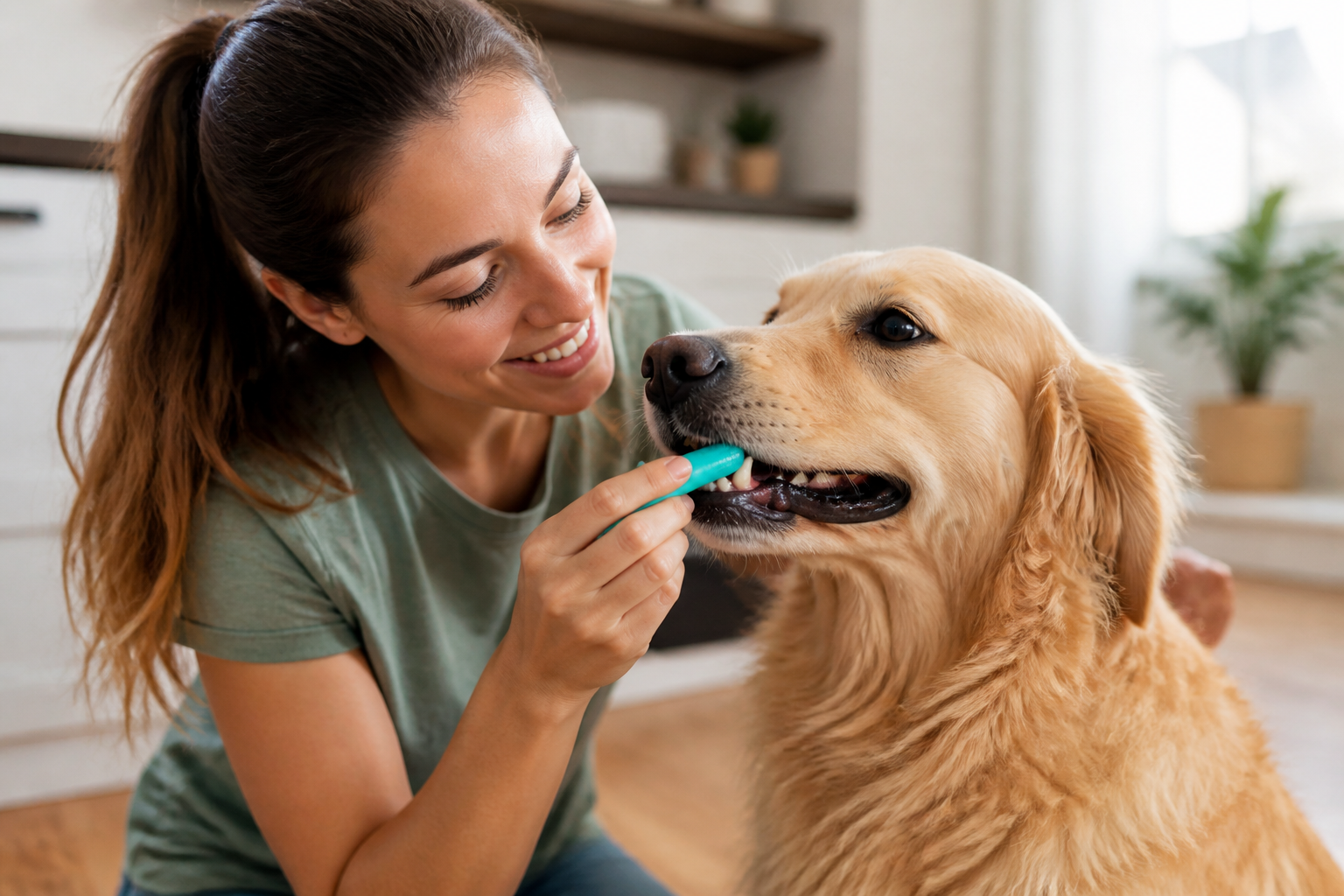
You are relaxing on the couch when your dog leans in for a friendly lick. Instead of a sweet greeting, you get a face full of "dog breath." It is a common moment for many of us at BaxterBoo. Bad breath is often the first sign that plaque is building up on those pearly whites. Keeping your dog’s mouth clean is about much more than fresh kisses. It is a vital part of their overall health and longevity. We are here to show you exactly how to manage oral hygiene at home. From choosing the right tools to mastering the brushing technique, this guide covers everything you need to keep your pup's smile healthy. Maintaining your dog’s dental health is a lifelong commitment that starts with small, daily habits.
Quick Answer: Clean your dog’s teeth by using a pet-safe toothbrush and enzymatic toothpaste at least three times a week. Complement brushing with dental chews, water additives, and professional veterinary cleanings to prevent painful tartar buildup and gum disease.
Why Dental Care Is Essential for Your Dog
Oral hygiene is not just about vanity or fresh breath. It is a cornerstone of preventative healthcare. Most dogs show signs of periodontal disease by the time they are three years old. This condition starts as a sticky film called plaque. If plaque is not brushed away, it mixes with minerals in saliva to become tartar. Tartar is a hard, brownish substance that can only be removed by a professional. For additional guidance, read our tips for recognizing warning signs of bad teeth in dogs.
When tartar builds up at the gumline, it provides a home for bacteria. These bacteria can enter the bloodstream through the gums. Once in the blood, they can travel to major organs. This often leads to issues with the heart, liver, and kidneys. By cleaning your dog’s teeth, you are protecting their entire body.
The Problem with Plaque and Tartar
Plaque forms on the teeth within hours of eating. It is soft and easy to remove with a brush. However, if it sits for 48 hours, it begins to harden into tartar. Tartar acts like a shield for bacteria. It irritates the gums and causes inflammation known as gingivitis. You may notice your dog’s gums looking red or swollen. If left untreated, this progresses to periodontitis. This stage involves the loss of bone and tissue that hold the teeth in place.
Systemic Health Connections
The mouth is a gateway to the rest of the body. Chronic inflammation in the mouth keeps the immune system on high alert. This can wear down your dog’s natural defenses over time. Studies have shown that dogs with better oral health often live longer, more comfortable lives. They are less likely to experience chronic pain that owners often mistake for "slowing down" due to old age.
Key Takeaway: Dental disease is a progressive condition that impacts more than just the mouth. Early intervention through brushing can prevent systemic health issues and expensive veterinary procedures.
Gathering Your Dental Cleaning Supplies
You cannot simply use the same products you use for your own teeth. Many human dental products are toxic to dogs. Before you begin, you need to assemble a kit designed specifically for canines. At BaxterBoo, we recommend having these items on hand to make the process easier for both you and your pet. You can find toothbrushes, toothpaste, wipes, and other supplies in our dental and breath care collection.
Choosing the Right Toothbrush
There are several styles of toothbrushes available for dogs. Your choice depends on your dog’s size and their comfort level with having their mouth touched.
- Finger Brushes: These are small rubber caps that fit over your fingertip. They have soft bristles on one side. These are excellent for puppies or dogs who are nervous about long-handled tools.
- Long-Handled Brushes: These look like human toothbrushes but often have angled heads. This helps you reach the back molars without overextending your dog’s jaw.
- Dual-Headed Brushes: These have bristles on both sides. They allow you to clean the front and back of the teeth at the same time.
- Small Bristle Brushes: For toy breeds, a standard dog brush is too big. You can use a dedicated pet brush for small mouths or even a soft baby toothbrush.
The Importance of Pet-Safe Toothpaste
Never use human toothpaste for your dog. It contains ingredients like fluoride and xylitol. Xylitol is a sweetener that is highly toxic to dogs and can cause liver failure or seizures. Human toothpaste also contains foaming agents that are meant to be spit out. Dogs will swallow the paste, which can lead to upset stomachs.
Dog toothpaste is formulated to be swallowed. It is also available in flavors that dogs love, such as poultry, beef, or peanut butter. Most formulas are enzymatic. This means the enzymes continue to break down plaque even after you finish brushing.
Dental Wipes and Rinses
If your dog absolutely refuses a brush, dental wipes are a good alternative. These are textured cloths treated with cleaning agents. You wrap them around your finger and rub the surface of the teeth. While they do not reach into the crevices as well as bristles, they are far better than doing nothing. Water additives are another hands-off option. You simply add a capful to their water bowl to help reduce bacteria levels in the mouth.
Bottom line: Always use species-specific tools and pastes to ensure the safety and effectiveness of your dog's dental routine.
Step-by-Step Guide to Brushing Your Dog's Teeth
Do not expect to do a full cleaning on the first day. The goal is to make this a positive experience. If you rush, your dog may become fearful of the brush. Follow these steps to build trust and a lasting habit. For more ideas, review our pet dental care tips.
Step 1: Get Them Used to Mouth Handling
Spend a few days just touching your dog’s muzzle and lifting their lips. Give them a small treat after each touch. Once they are calm with you lifting their lips, try rubbing your finger along their gums.
Step 2: Introduce the Toothpaste
Let your dog lick a small amount of the flavored toothpaste off your finger. This helps them associate the brush with a tasty treat. If they do not like the flavor, try a different one. Finding a taste they enjoy is half the battle.
Step 3: Introduce the Brush
Apply a small amount of paste to the brush. Let your dog lick it off the bristles. Gently touch the brush to one of their front teeth and then stop. Offer praise and a reward.
Step 4: Begin the Brushing Motion
Lift the lip and place the brush at a 45-degree angle to the gumline. Use small, circular motions. Focus on the outside of the teeth. This is where the most plaque accumulates. You do not need to worry about the inside of the teeth near the tongue. A dog's tongue actually does a decent job of cleaning those surfaces.
Step 5: Increase Duration Gradually
Start with just a few teeth at a time. Over a week or two, work your way toward the back of the mouth. The molars at the very back are often the most prone to tartar. Try to brush for about two minutes total once your dog is comfortable.
Vet Tip: If your dog becomes stressed or tries to bite, stop immediately. Brushing should never be a struggle. Consult a professional trainer or your veterinarian if your dog shows significant resistance or aggression during mouth handling.
Complementary Dental Care Methods
Brushing is the gold standard, but it is not the only tool at your disposal. Many owners use a multi-pronged approach to keep their dog’s mouth clean. This is especially helpful if you can only manage to brush a few times a week.
The Role of Dental Chews
Dental chews are designed to scrape away plaque through mechanical action as the dog chews. Look for products that have the Veterinary Oral Health Council (VOHC) seal of approval. This seal ensures the product has been tested and proven to reduce plaque or tartar. Our selection of Greenies products includes dental chews for dogs.
When choosing a chew, size matters. A chew that is too small can be a choking hazard. A chew that is too hard can cause tooth fractures. Avoid giving your dog real bones, antlers, or hard plastic toys. These are often harder than the tooth enamel itself and lead to painful breaks.
Dry Food vs. Wet Food
There is a common belief that dry kibble cleans teeth better than wet food. While some specialized dental diets do help, standard kibble often crumbles too quickly to provide a real cleaning effect. However, some brands like Royal Canin and Hills Science Diet make dental-specific formulas. These kibbles are larger and have a fibrous texture that acts like a toothbrush as the dog eats.
If your veterinarian prescribes a specific dental diet, our pet pharmacy can help. We partner with Pet's Choice to provide FDA-approved medications and prescription foods delivered to your door. This makes it easy to keep up with your pet's specialized nutritional needs.
Dental Toys and Ropes
Rubber toys with ridges or "nubs" can help massage the gums and scrape the teeth. Rope toys can act similarly to floss as the fibers pass between the teeth. Always supervise your dog with these toys. If the rope starts to fray, it should be replaced to prevent the dog from swallowing the strings.
- Look for VOHC Seal: These products are scientifically verified.
- Check Hardness: You should be able to make a slight indent in a chew with your thumbnail.
- Monitor Calories: Dental treats contain calories. Adjust your dog's daily meal portions accordingly.
Key Takeaway: A combination of brushing, VOHC-approved chews, and the right diet provides the most comprehensive protection against dental disease.
Identifying Signs of Dental Disease
Even with home care, problems can still arise. It is important to check your dog’s mouth at least once a month for signs of trouble. If you notice any of these symptoms, a trip to the vet is necessary.
Bad Breath (Halitosis)
While "dog breath" is common, it should not be offensive. A foul, rotting smell is a sign of infection or advanced decay. This is often caused by bacteria living in the pockets of the gums.
Changes in Eating Habits
If your dog starts dropping food, chewing on only one side of their mouth, or refusing hard treats, they may be in pain. Dental pain in dogs is often silent. They will continue to eat because they are hungry, but they may change how they do it.
Physical Signs in the Mouth
Keep an eye out for:
- Red, swollen, or bleeding gums.
- Heavy brown or yellow buildup on the teeth.
- Loose or missing teeth.
- Bumps or growths on the gums.
- Excessive drooling, sometimes with flecks of blood.
If your dog is showing these signs, home brushing is no longer enough. In fact, brushing an infected mouth can be very painful for the dog. You should seek professional help before continuing your home routine.
Vet Tip: Many dogs do not show obvious signs of pain until dental disease is very advanced. Regular veterinary exams are the only way to catch problems hidden below the gumline.
Professional Veterinary Cleanings
No matter how well you brush, most dogs will eventually need a professional cleaning. This is the same for humans. Even if we brush and floss daily, we still go to the dentist for a deep clean. For dogs, this process is a bit more involved.
Why Anesthesia Is Necessary
A thorough dental cleaning cannot be done while a dog is awake. Anesthesia allows the veterinarian to:
- Perform a tooth-by-tooth examination.
- Take dental X-rays to check for problems under the gumline.
- Use ultrasonic scalers to remove tartar safely.
- Clean the inner surfaces of the teeth.
- Perform extractions if a tooth is dead or abscessed.
Non-anesthetic cleanings are often marketed as a cheaper alternative. However, these are purely cosmetic. They only remove the tartar you can see. They do not address the bacteria under the gums, which is where the real disease happens.
What to Expect During the Visit
Your vet will likely start with blood work to ensure your dog is healthy enough for anesthesia. During the procedure, the vet tech will scale and polish the teeth. Polishing is vital. Scaling creates microscopic scratches on the tooth surface. Without polishing, these scratches would actually help plaque stick even faster.
Post-Cleaning Care
After a professional cleaning, your dog's mouth will be a clean slate. This is the perfect time to start or renew a daily brushing habit. If your dog had extractions, the vet may prescribe pain relief or antibiotics. Our dog pharmacy ensures you can get these medications easily. We offer a wide range of FDA-approved treatments for post-surgical care and ongoing health management.
Bottom line: Professional cleanings are a medical necessity that allows your vet to treat issues that are impossible to reach at home.
Starting Your Routine Today
It is never too late to start caring for your dog’s teeth. Whether you have a new puppy or a senior dog, improving oral hygiene will have a positive impact. Consistency is the most important factor. Brushing once a month does very little. Brushing three times a week makes a massive difference.
Start by visiting the dental care section at BaxterBoo to find the right brush and paste for your pet. We carry trusted brands like Kong and Greenies to help make the process easier. Once you have your supplies, take it slow. Use plenty of praise and rewards. Over time, your dog may even look forward to their "tasty" tooth brushing session.
By taking these steps, you are doing more than just freshening their breath. You are preventing pain, avoiding expensive surgeries, and helping your dog live a longer, happier life.
- Step 1: Purchase a dog-safe toothbrush and enzymatic toothpaste.
- Step 2: Start with short handling sessions and lots of rewards.
- Step 3: Gradually build up to a full two-minute brushing session.
- Step 4: Schedule annual dental exams with your veterinarian.
If your pet has an ongoing health condition that requires special care, remember our pharmacy is here to help. From prescription dental diets to medications for chronic conditions, we provide the expert support you need. Sign up for our Autoship program to save on your recurring dental supplies and ensure you never run out of toothpaste or chews. Joining the MVP Rewards program is another great way to earn points on every dental purchase.
FAQ
How often do I really need to brush my dog’s teeth?
Ideally, you should brush your dog's teeth every single day. Plaque begins to harden into tartar within 48 hours, so daily brushing prevents that buildup. If a daily schedule is not possible, aim for at least three times a week to maintain a basic level of oral health.
Can I use a human toothbrush on my dog?
Yes, you can use a human toothbrush as long as the bristles are soft. For small dogs, a baby toothbrush is often the perfect size. However, you must never use human toothpaste because it contains ingredients that are toxic to dogs when swallowed.
What should I do if my dog’s gums bleed during brushing?
Minor bleeding can occur if your dog has mild gingivitis and you are just starting a routine. However, if the bleeding is heavy or persistent, it is a sign of advanced gum disease. You should stop brushing and schedule a veterinary exam to ensure there is no underlying infection or painful inflammation.
Do dental water additives actually work?
Water additives can help reduce the overall bacterial load in the mouth and freshen breath. They are a helpful supplement to a dental routine but are not a replacement for the mechanical scrubbing of a toothbrush. Think of them as a mouthwash rather than a substitute for brushing.






