
 Save 15% on your 1st Autoship learn more

 Email us
 Live Chat
 FAQs
FAQs





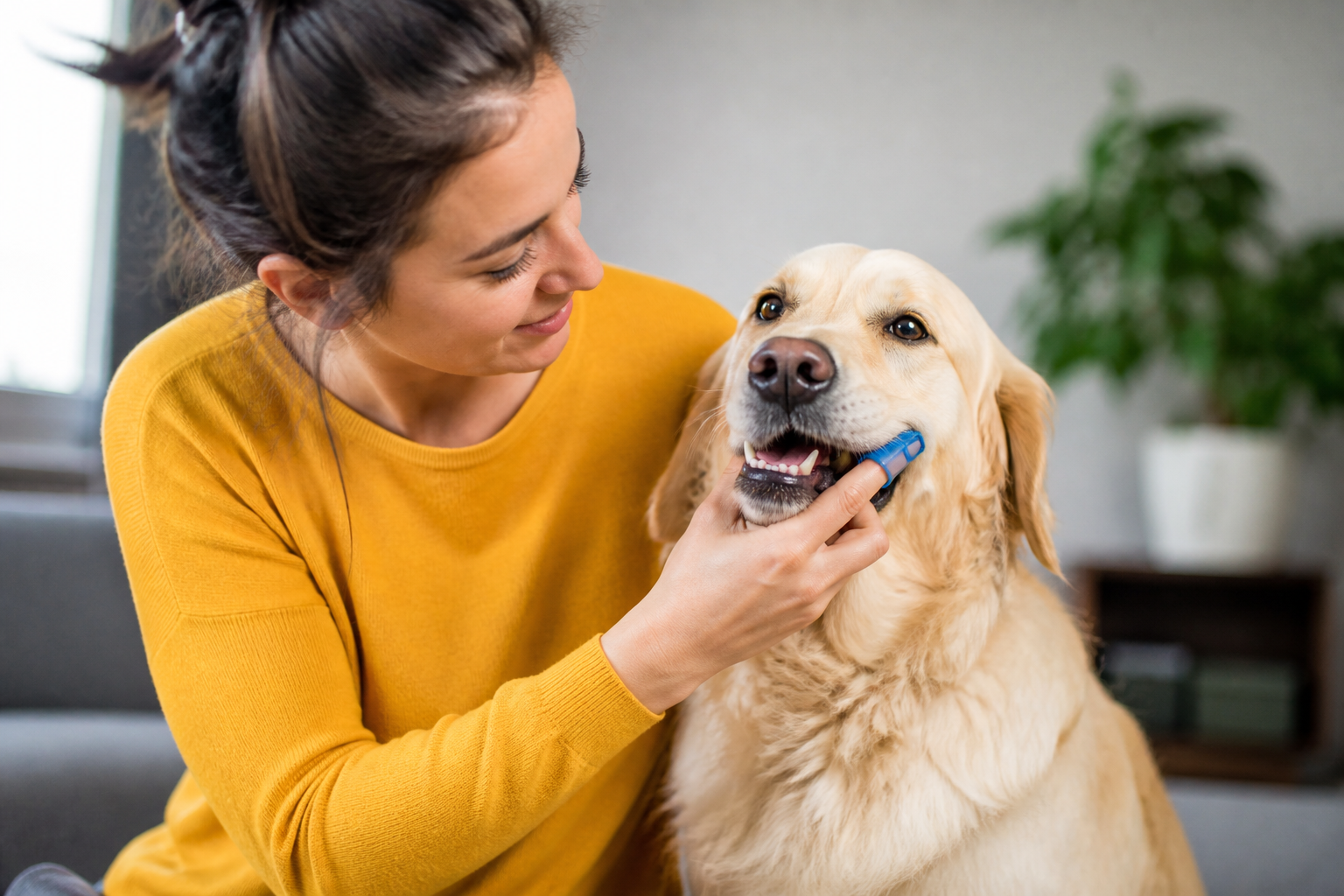
Introduction
You are enjoying a quiet evening on the couch when your dog leans in for a celebratory lick, and the smell stops you in your tracks. While "dog breath" is a common joke among pet owners, a foul odor is often the first sign that plaque is moving into dangerous territory. Plaque is a sticky film of bacteria that forms on your dog's teeth just hours after they eat. If you do not remove it quickly, it hardens into tartar, which is much harder to manage at home. At BaxterBoo, we know that staying ahead of dental decay is one of the best ways to ensure your dog lives a long, comfortable life. This guide covers the most effective tools and techniques to clean plaque off your dog's teeth and prevent serious oral health issues.
Understanding the Difference Between Plaque and Tartar
Many people use the terms plaque and tartar interchangeably, but they are quite different. Plaque is soft, colorless, and relatively easy to remove with mechanical action like brushing. It develops when saliva, food particles, and bacteria mix in the mouth. Because it is soft, you can often scrub it away before it causes permanent damage.
If plaque sits on the tooth for more than 48 to 72 hours, it reacts with the minerals in your dog's saliva. This chemical reaction causes the plaque to calcify and harden into tartar, also known as calculus. Tartar is usually yellow or brown and bonds strongly to the tooth enamel. Once it reaches this stage, a standard toothbrush will not be enough to get the teeth clean again.
Quick Answer: Plaque is a soft film of bacteria that you can remove with daily brushing and dental chews. If it is not removed within a few days, it hardens into tartar, which requires a professional veterinary cleaning to remove safely.
The Gold Standard: Daily Brushing
Brushing is the single most effective way to clean plaque off your dog's teeth. It provides the mechanical scrubbing needed to break up the bacterial film before it hardens. While it might seem daunting if your dog is not used to it, most pets can learn to accept or even enjoy the process with a bit of patience.
You must use a toothpaste specifically formulated for dogs. Human toothpaste contains fluoride and foaming agents like Xylitol, which are toxic to dogs. Pet toothpastes come in flavors like poultry, beef, or peanut butter to make the experience more like a treat. A poultry-flavored option such as Virbac C.E.T. Enzymatic Pet Toothpaste for Dogs and Cats - Poultry is made specifically for pets.
How to Start a Brushing Routine
Step 1: Introduce the paste. Let your dog lick a small amount of pet-friendly toothpaste off your finger so they associate the flavor with a reward.
Step 2: Get them used to mouth handling. Gently rub your finger along their gums and teeth for a few seconds each day until they are comfortable with the touch.
Step 3: Introduce the brush. Use a soft-bristled dog toothbrush or a finger brush. Apply the paste and brush in small circular motions.
Step 4: Focus on the outside. Most plaque accumulates on the cheek side of the teeth, so focus your efforts there if your dog only allows a short session.
Vet Tip: Aim to brush your dog's teeth at least three times a week, though once a day is the ideal goal. Consistency is more important than a long session, so even 30 seconds of active brushing can make a massive difference.
For more guidance on building a routine, review these pet dental care tips.
Using Dental Wipes for Reluctant Dogs
If your dog absolutely refuses a toothbrush, dental wipes are an excellent alternative. These are pre-moistened pads designed to be wrapped around your finger. They allow you to feel exactly where you are cleaning, which is helpful for dogs that are nervous about bulky brushes.
Wipes are effective at removing the surface layer of plaque through friction. They often contain ingredients like sodium hexametaphosphate, which helps reduce the rate at which plaque turns into tartar. While they do not reach the deep crevices between teeth as well as bristles do, they are a solid middle ground for maintaining oral hygiene. Vet's Best Dental Care Finger Wipes are designed for this finger-guided approach.
The Role of Dental Chews and Toys
Dogs have a natural urge to chew, and we can use this to our advantage. Dental chews like Greenies or Kong dental toys are designed with ridges and nubs that scrape against the teeth as the dog gnaws. This mechanical action helps "power wash" the teeth and massage the gums.
When choosing a dental chew, look for the Veterinary Oral Health Council (VOHC) seal of approval. This seal ensures the product has been tested and proven to reduce plaque or tartar by a certain percentage. We carry many VOHC-approved brands in our dog dental food and treat category to help you shop with confidence.
Choosing the Right Texture
The chew should be firm enough to provide resistance but not so hard that it risks breaking a tooth. Avoid natural bones, antlers, or hard nylon toys, as these are a leading cause of tooth fractures in dogs. A good dental chew should have some "give" when you press it with your thumbnail.
Bottom line: Dental chews are a helpful supplement to brushing, but they should not be the only method you use to clean your dog's teeth.
For additional ideas, explore these 10 best dental chews for dogs.
Water Additives and Oral Sprays
For a passive approach to dental care, consider water additives. These are liquid solutions that you add to your dog's daily water bowl. They typically contain enzymes or antimicrobial agents that break down plaque-forming bacteria throughout the day. OxyFresh Pet Dental Water Additive is an option designed to be added to your pet's water.
Oral sprays work similarly but are applied directly to the teeth and gums. These are particularly useful for senior dogs or pets with existing gum sensitivity who might not tolerate the pressure of a toothbrush. While these products are not a substitute for mechanical cleaning, they help keep the bacterial load in the mouth low.
Nutritional Support for Dental Health
What your dog eats also plays a role in how quickly plaque builds up. Some premium dog foods, such as specific formulas from Royal Canin or Farmina, are designed with larger, air-puffed kibble. This texture requires the dog to crunch through the piece rather than swallowing it whole, providing a cleaning effect.
Certain ingredients can also help. Some diets include polyphosphates that coat the teeth and prevent minerals in the saliva from turning plaque into tartar. If your dog is prone to rapid tartar buildup, your veterinarian might recommend a prescription dental diet. Our pharmacy carries many of these specialized foods through our partnership with Pet's Choice, making it easy to get exactly what your vet prescribes.
Natural Remedies to Support Clean Teeth
There are several natural ways to help keep plaque at bay. Some owners find that adding a small amount of organic coconut oil to a toothbrush helps, as the lauric acid in the oil has natural antimicrobial properties.
Vegetables like raw carrots or apple slices can also provide a light scrubbing action. These are low-calorie treats that most dogs love. Additionally, seaweed-based supplements have gained popularity. Certain types of kelp, when ingested, change the chemistry of the saliva to make plaque less likely to stick to the teeth. Our dental supplements for dogs include kelp-based options.
Key Takeaway: Effective dental care is a multi-layered approach. Combining a mechanical method (brushing) with a chemical method (enzymatic toothpaste or water additives) provides the best protection.
When to Seek Professional Help
Even with the best at-home care, most dogs will eventually need a professional cleaning. If you see thick, stony deposits that are yellow or brown, you are looking at tartar. You should never try to scrape this off yourself using metal tools. This process, known as "hand scaling," can easily damage the tooth enamel or cause the dog to jerk and sustain an injury.
Professional cleanings are performed under general anesthesia. This allows the veterinarian to clean under the gumline, where the most damaging bacteria live. They also take X-rays to check for abscesses or bone loss that you cannot see from the surface.
Signs of Dental Distress
- Persistent bad breath that does not improve after brushing.
- Bleeding or red, swollen gums.
- Drooling more than usual.
- Pawing at the mouth or rubbing the face on the floor.
- Dropping food or refusing to eat hard kibble.
If you notice these symptoms, it is time for a veterinary exam. Untreated dental disease can lead to systemic issues, as bacteria from the mouth can enter the bloodstream and affect the heart, liver, and kidneys. Learn more about warning signs of bad teeth in dogs.
Managing Ongoing Dental Health
Managing your dog's dental health is a lifelong commitment. We recommend checking your dog's teeth at least once a week. Lift the lip and look at the back molars, as this is where plaque tends to hide.
If your dog requires ongoing medication for gum infections or prescription diets for dental disease, our pharmacy offers a convenient way to manage these needs. Through our partnership with Pet's Choice, we provide FDA-approved medications and therapeutic foods that support your vet's treatment plan.
By combining these professional resources with your daily at-home efforts, you can significantly reduce the risk of painful extractions and expensive surgeries later in your dog's life. Programs like our MVP Rewards programme and Autoship can also help you stay stocked on toothpaste and chews so you never miss a day of your routine.
Conclusion
Cleaning plaque off your dog's teeth is an essential part of responsible pet ownership. While daily brushing is the gold standard, using a combination of dental wipes, chews, and water additives can help keep your dog's smile bright. Remember that plaque turns into tartar quickly, so consistency is your best tool. At BaxterBoo, we are here to support you with a wide range of dental care products and pharmacy services to keep your pet healthy. Start small, be patient, and prioritize your dog's oral health today.
Key Takeaway: Prevention is always cheaper and less painful than treatment. Establish a dental routine early in your dog's life to avoid the complications of periodontal disease.
FAQ
How can I remove plaque from my dog's teeth without brushing?
If your dog will not tolerate a brush, you can use dental wipes, water additives, and VOHC-approved dental chews. These methods use friction or enzymes to break down the bacterial film. While they are not as thorough as brushing, they are significantly better than doing nothing at all.
Is it safe to scrape tartar off my dog's teeth at home?
No, you should never attempt to scrape hardened tartar off your dog's teeth with metal tools. This can scratch the enamel, creating a rough surface where even more bacteria will grow. It also risks injuring the gums or the dog's mouth if they move suddenly during the process.
Can coconut oil really help clean a dog's teeth?
Coconut oil contains lauric acid, which has mild antibacterial properties that may help reduce the bacteria responsible for plaque. You can use it as a base for a homemade paste or let your dog lick it off a brush. However, it should be used alongside a textured cleaning method to ensure the plaque is physically removed.
How do I know if my dog's teeth are causing them pain?
Dogs are experts at hiding pain, but you may notice they chew on only one side of their mouth or drop pieces of food. Other signs include acting shy when you touch their face, increased drooling, or a sudden loss of interest in their favorite chew toys. If you see these signs, a vet visit is necessary.






