
 Save 15% on your 1st Autoship learn more

 Email us
 Live Chat
 FAQs
FAQs





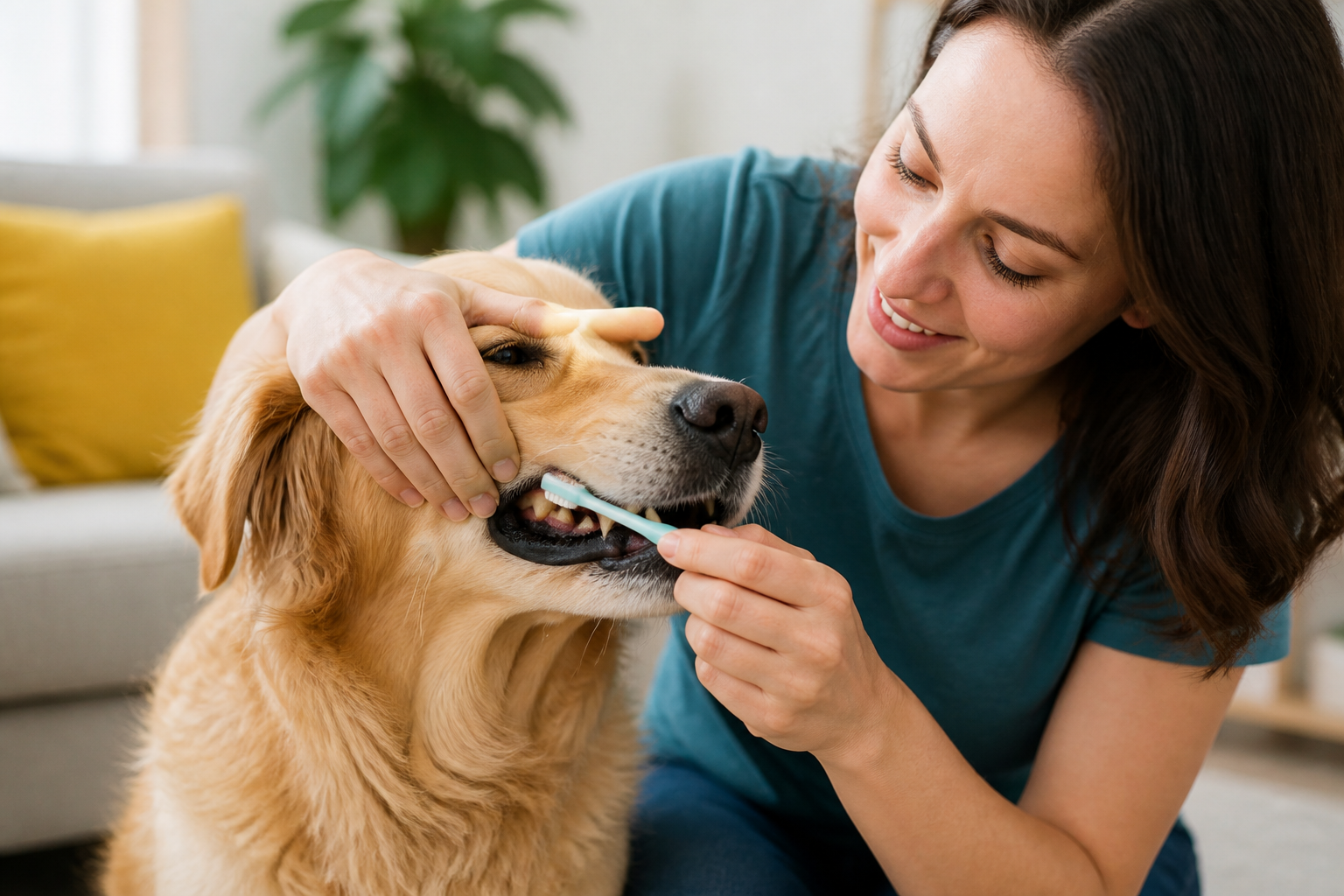
Introduction
You might notice it while your dog is mid-yawn or playing tug-of-the-war. That yellowish-brown crust near the gum line is more than just a stain. It is tartar, and once it hardens, it feels like concrete on your dog's enamel. At BaxterBoo, we see many pet owners struggling to get their dog's pearly whites back to a healthy state. This guide explains how to soften and remove plaque before it becomes a major problem. We will also cover the natural remedies, dental tools, and professional steps required to manage heavy buildup. Understanding the difference between soft plaque and hard tartar is the first step toward better oral health for your pet.
Quick Answer: You can remove soft plaque with daily brushing and enzymatic toothpaste. Hardened tartar usually requires a professional veterinary cleaning under anesthesia. Home remedies like dental chews, seaweed supplements, and raw bones help soften buildup and prevent new deposits.
The Difference Between Plaque and Tartar
Plaque is a sticky film that forms on the teeth just hours after a meal. It is made of bacteria, saliva, and food particles. At this stage, it is easy to remove with a simple toothbrush or a dental wipe. If you leave plaque alone for more than 48 hours, it begins to mineralize.
When minerals from your dog's saliva mix with plaque, it hardens into tartar, also known as dental calculus. Tartar is porous and rough. This texture makes it the perfect place for more bacteria to hide and grow. Unlike plaque, you cannot simply brush tartar away with a standard toothbrush. It bonds tightly to the enamel.
Key Takeaway: Plaque is the soft stage that is easy to clean at home. Tartar is the hardened stage that often requires professional help to remove safely.
Why Tartar Buildup Is a Health Risk
Tartar is not just an aesthetic issue. It is a breeding ground for bacteria that can cause serious physical problems. When tartar builds up along the gum line, it pushes the gums away from the teeth. This creates small pockets where infections can start.
Left untreated, this leads to periodontal disease. This condition causes pain, tooth loss, and bone decay in the jaw. The bacteria in the mouth can also enter the bloodstream. From there, it can travel to the heart, liver, and kidneys. Maintaining oral hygiene is a vital part of supporting your dog's long-term wellness. For additional warning signs, read our guide to what to do when your dog has damaged teeth.
At Home Methods to Soften and Remove Buildup
While heavy tartar needs a vet, you can take steps at home to manage milder buildup. These methods focus on softening the crust so it can eventually be scraped or brushed away. You can find brushes, wipes, gels, and other options in our dog dental care collection.
Using Enzymatic Toothpaste
Enzymatic toothpaste is the most effective tool for home care. These formulas contain enzymes like glucose oxidase that chemically break down food particles. Unlike human toothpaste, which is toxic to dogs, these are safe to swallow. They also come in flavors like poultry or beef to make the process easier.
Brushing with Coconut Oil
Coconut oil has natural antibacterial properties. The lauric acid in the oil helps kill the bacteria that lead to plaque. To use it, apply a small amount to a finger brush or a piece of gauze. Gently rub the teeth in a circular motion. Many dogs enjoy the taste, which makes it a great entry point for pets that hate traditional brushing.
Dental Wipes and Gels
If your dog refuses a toothbrush, dental wipes are a practical alternative. These are textured cloths treated with cleaning solutions. You simply wrap the wipe around your finger and rub the surface of each tooth. This provides the friction needed to lift soft debris before it hardens. Our Pure and Natural Pet dental products include canine tooth gels and toothbrush options.
Vet Tip: If your dog has red, bleeding, or swollen gums, stop home cleaning and call your veterinarian. These are signs of advanced gum disease that requires medical intervention rather than a simple cleaning.
The Role of Chewing in Dental Health
Chewing is a natural behavior that provides mechanical cleaning. As a dog chews, the friction scrapes against the surface of the teeth. This helps knock off plaque and early-stage tartar. For more product ideas and routine suggestions, review these pet dental care tips.
- Dental Chews: Products like Greenies are designed with specific textures to clean the teeth as the dog bites down.
- Raw Bones: Chewing on large, raw bones can naturally scrape away tartar. Never use cooked bones, as they can splinter and cause internal damage.
- Rubber Toys: Many toys from brands like Kong have ridges or nubs specifically designed to massage gums and clean teeth during play.
- Dental Sticks: These often contain active ingredients that help prevent minerals in the saliva from turning plaque into tartar.
Bottom line: Mechanical friction from chewing is one of the best ways to keep the back molars clean.
Natural Supplements for Tartar Control
You can also fight tartar from the inside out. Certain supplements change the chemistry of your dog's saliva to make it less likely for plaque to stick.
Seaweed and kelp supplements are very popular for this purpose. These contain a specific type of bacteria that reaches the saliva through the digestive system. It works to soften existing tartar and prevents new plaque from mineralizing. You can usually find these in powder form to sprinkle over their regular food.
Water additives are another simple option. These are tasteless liquids you add to the water bowl. They contain enzymes and zinc that help kill oral bacteria throughout the day. This is a "hands-off" way to support a dog that is very sensitive about their mouth being touched.
When Professional Cleaning Is Necessary
If your dog's teeth are covered in thick, brown crust, home remedies will likely not be enough. Professional scaling is the only way to remove deep tartar without damaging the enamel.
A veterinarian performs this procedure while the dog is under anesthesia. This allows them to clean deep under the gum line where most of the damage happens. They use ultrasonic scalers to vibrate the tartar off the teeth safely. Afterward, they polish the enamel to make the surface smooth again.
Our pet pharmacy offers access to prescription dental diets through our partnership with Pet's Choice. If your vet diagnoses advanced periodontal disease, they may prescribe a specialized food like Farmina Vet Life. These diets have a specific kibble size and shape that provides a superior cleaning effect while the dog eats.
Key Takeaway: Home care is for prevention and maintenance. Professional veterinary cleanings are for removing existing, hardened tartar.
Establishing a Dental Routine
Consistency is the most important part of cleaning a dog's teeth. Cleaning them once a month will not prevent tartar. You need a daily or near-daily habit. Our dental treats for dogs can complement a consistent brushing routine.
Step 1: Choose a calm time. / Pick a moment when your dog is relaxed and tired, such as after a long walk.
Step 2: Introduce the flavor. / Let your dog lick some enzymatic toothpaste or coconut oil off your finger to build a positive association.
Step 3: Start with the front. / Gently lift the lip and brush the front canines. Do not worry about the inside of the teeth yet.
Step 4: Gradually move back. / Once they are comfortable, work your way toward the large molars in the back where tartar builds up the most.
Step 5: Reward the behavior. / Give them praise or a dental-friendly treat immediately after you finish.
| Method | Best For | Effort Level |
|---|---|---|
| Brushing | Daily prevention | High |
| Dental Chews | Maintenance & Rewards | Low |
| Water Additives | Passive cleaning | Very Low |
| Professional Scaling | Heavy tartar removal | Requires Vet |
Signs of Dental Distress
You should monitor your dog's mouth regularly for signs that the problem is getting worse. If you notice any of the following, a vet visit is the right next step.
- Extreme bad breath that does not go away.
- Excessive drooling or dropping food while eating.
- Pawing at the mouth or face.
- Visible blood on chew toys or in the water bowl.
- Loose or missing teeth.
When bacteria from tartar cause an infection, your vet might need to prescribe antibiotics. You can find many of these FDA-approved medications at the BaxterBoo pharmacy. This helps clear the infection before the professional cleaning takes place.
Bottom line: Bad breath is a symptom of a problem, not just a fact of life for dogs.
Helping Your Senior Dog
Senior dogs are more prone to tartar because they may chew less as they age. They also have a lifetime of accumulation to deal with. For these pets, look for softer dental chews that are easier on aging jaws. You might also consider supplements like Cosequin to help with general health alongside their dental routine. Keeping their mouth clean is especially important for seniors to prevent strain on their immune systems.
Conclusion
Cleaning tartar off a dog's teeth requires a mix of daily habits and professional support. While soft plaque can be managed with brushing and wipes, hardened tartar usually needs a vet's expertise. Using tools like enzymatic toothpaste, coconut oil, and seaweed supplements can keep your dog's mouth healthy between professional cleanings. Regular checkups and a consistent routine at home are the best ways to ensure your pet stays comfortable and pain-free.
- Brush daily with enzymatic toothpaste.
- Provide dental chews for mechanical cleaning.
- Use water additives or seaweed powder for passive care.
- Schedule an annual dental exam with your veterinarian.
If your dog needs a specialized dental diet or prescription oral care, check out the dog pharmacy for a wide selection of professional products through our Pet's Choice partnership.
FAQ
Can I scrape tartar off my dog's teeth at home?
It is not recommended to use metal scrapers on your dog's teeth at home. You can easily slip and cut the gums or accidentally chip the tooth enamel. Professional scaling should be left to a veterinarian who can clean safely under the gum line while the pet is sedated.
Does dry food really clean a dog's teeth?
Standard dry kibble provides very little cleaning because it often crumbles immediately upon contact. Specialized dental diets are different because they have a larger kibble size and a fibrous texture that does not shatter. These prescription diets are designed to scrub the tooth surface as the dog bites down.
How often should I brush my dog's teeth?
Ideally, you should brush your dog's teeth every day to remove plaque before it hardens into tartar. If daily brushing is not possible, aiming for three times a week is the minimum needed to see a real health benefit. Supplementing with dental chews on the days you do not brush can also help.
Is human toothpaste safe for dogs?
No, you should never use human toothpaste for your dog. Most human brands contain xylitol, which is highly toxic to dogs, or fluoride, which can be harmful if swallowed. Dog-specific toothpaste is formulated to be swallowed safely and comes in flavors that pets actually enjoy.






